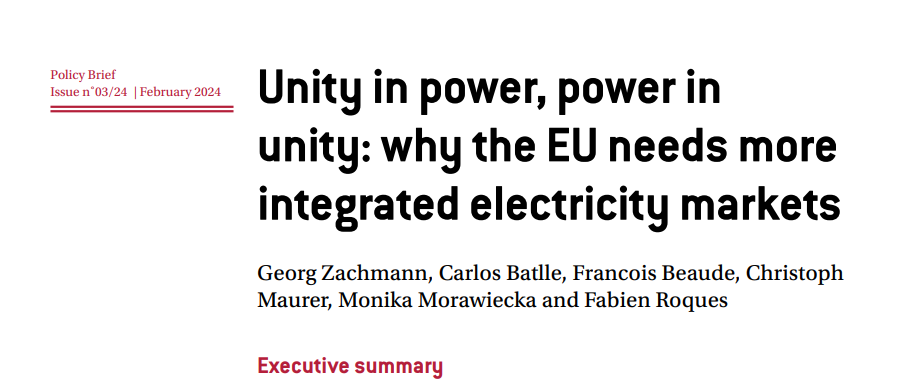
A Summary of our new paper on ...
Why rethinking electricity maket integration is crucial for Europe's future competitiveness and security
... in 15 tweets.
https://t.co/kB8zaFjG7L
For now I am mainly passive here and active on the other side - hoping that network effects still allow penalising actors when they try to extract too much (a very interesting experiment in contestability).
For now I am mainly passive here and active on the other side - hoping that network effects still allow penalising actors when they try to extract too much (a very interesting experiment in contestability).
.@Bruegel_org EU gas import tracker:
-weekly imports are up, driven by LNG and Russian gas;
-LNG regasification utilisation is 92% in HR, 91% in LT and 83% in PL;
-gas withdrawals this autumn started earlier than in the past two years;
-EU storage at 93%.
https://t.co/zrnNGuJvpf
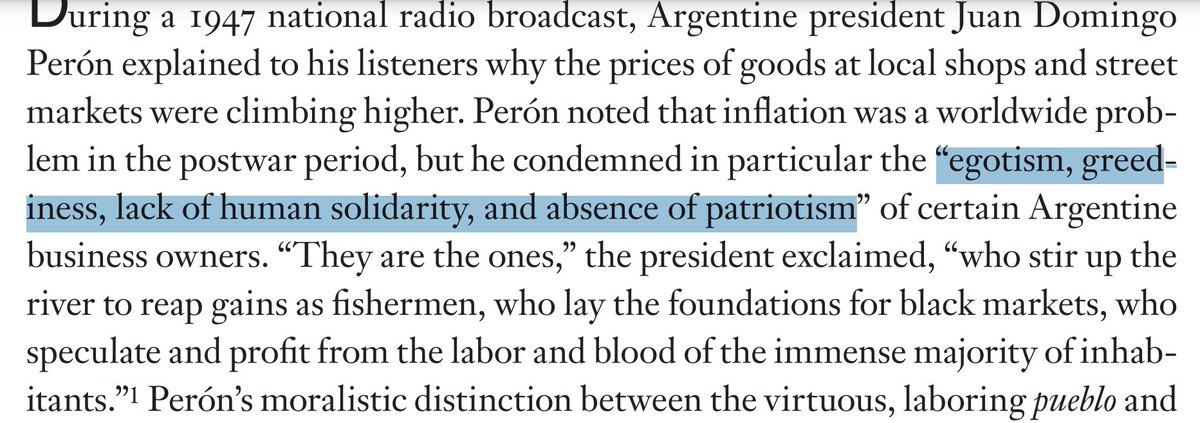
@IsabellaMWeber Thereby, we need to look in an unbiased way at historic examples, to avoid repeating mistakes.
E.g., Argentina's 40th Pres Perón introduced price controls, expanded public spending & high tariffs. He was followed by the 'quasi-fascist' Videla that caused 15k-30k Desaparecidos.
.@Bruegel_org EU gas import tracker:
- October LNG imports increased compared to recent months, although are below seasonal levels;
- weekly reverse gas flows to UA going down;
- weekly rate of LNG regasification >= 80% in HR, LT, PL.
https://t.co/xBGQVy5Pzq
Has Trump ever indicated, whether the 20% import tariffs would also be applied on commodities, incl. oil imports?
Given that US gross-imports are ~40% of the consumption (while exports>imports) such tariffs should substantially drive US fuel prices.
Why is Fertility Collapsing, Globally?
How can we study this? What should be the test for any new theory? And why does this matter for growth?
https://t.co/XhbnZqx1K7
.@Bruegel_org EU gas import tracker
-total gas imports below seasonal numbers driven by lower LNG imports;
-weekly imports from Russia via pipelines above 2022/23 level with flows via Tursktream at the highest level so far;
-EU gas storage 95% full, UA 27%
https://t.co/xBGQVy5Pzq
.@Keliauskaite and myself discuss three options on the future of Ukrainian gas transit:
1) no more transit
2) Azeri-mirrage
3) tight EU framework
As 1) is politically very challenging, 2) is too 'dirty', 3) Vol-limits and tariffs might be a compromise.
https://t.co/YK3FniVitQ
Do you see this train of oil tankers going through the Red Sea and the troubled waters of Bab Al Mandab near Yemen? They are all carrying Russian Urals crude!
#Russia#India#Oil#Sanctions#PriceCap
Map Source: Kpler, Oct 17, 2024.
.@Keliauskaite and myself discuss three options on the future of Ukrainian gas transit:
1) no more transit
2) Azeri-mirrage
3) tight EU framework
As 1) is politically very challenging, 2) is too 'dirty', 3) Vol-limits and tariffs might be a compromise.
https://t.co/YK3FniVitQ
.@Bruegel_org EU gas import tracker:
-weekly EU imports are picking up, although slightly below 2023 weekly levels
-weekly imports from RU above seasonal levels;
-weekly imports from NO, ALGR, UK and AZ around 2023 weekly levels
-EU gas storage is 95% full
https://t.co/xBGQVy6noY
@G_H_Fischer We just did some job-interviews, and it felt like more than half of the interesting candidates did some hydrogen-research project in the last years.
This research was certainly useful to prevent bad investments – but it seemingly also absorbed a lot (too many?) of smart brains.
@JMGlachant@RenaudFoucart@infornomics When you stop paying a high price for low-value electricity, the seller loses revenue and you reduce your cost.
A DSO/TSO with a revenue cap would then increase prices on other consumption.
[and above that there are efficiency gains that increase total welfare]
@MoeckelFlorian@andreasgraf I can see "lower transaction cost" as a benefit - this will strongly depend on the way in which decentralsiation is organised, of course.







![GeorgZachmann's tweet photo. Did I miss something?
[this is not supposed to be normative] https://t.co/u24YdjdvpE](https://pbs.twimg.com/media/GZMqHOcWwAExACI.jpg)


