GEORGE is a #HorizonEurope funded project that brings together 28 European partners to advance autonomous #ocean observations. Together, we improve #biogeochemical ocean observations for better science and decision-making. 🌊
Find out more in the video below.
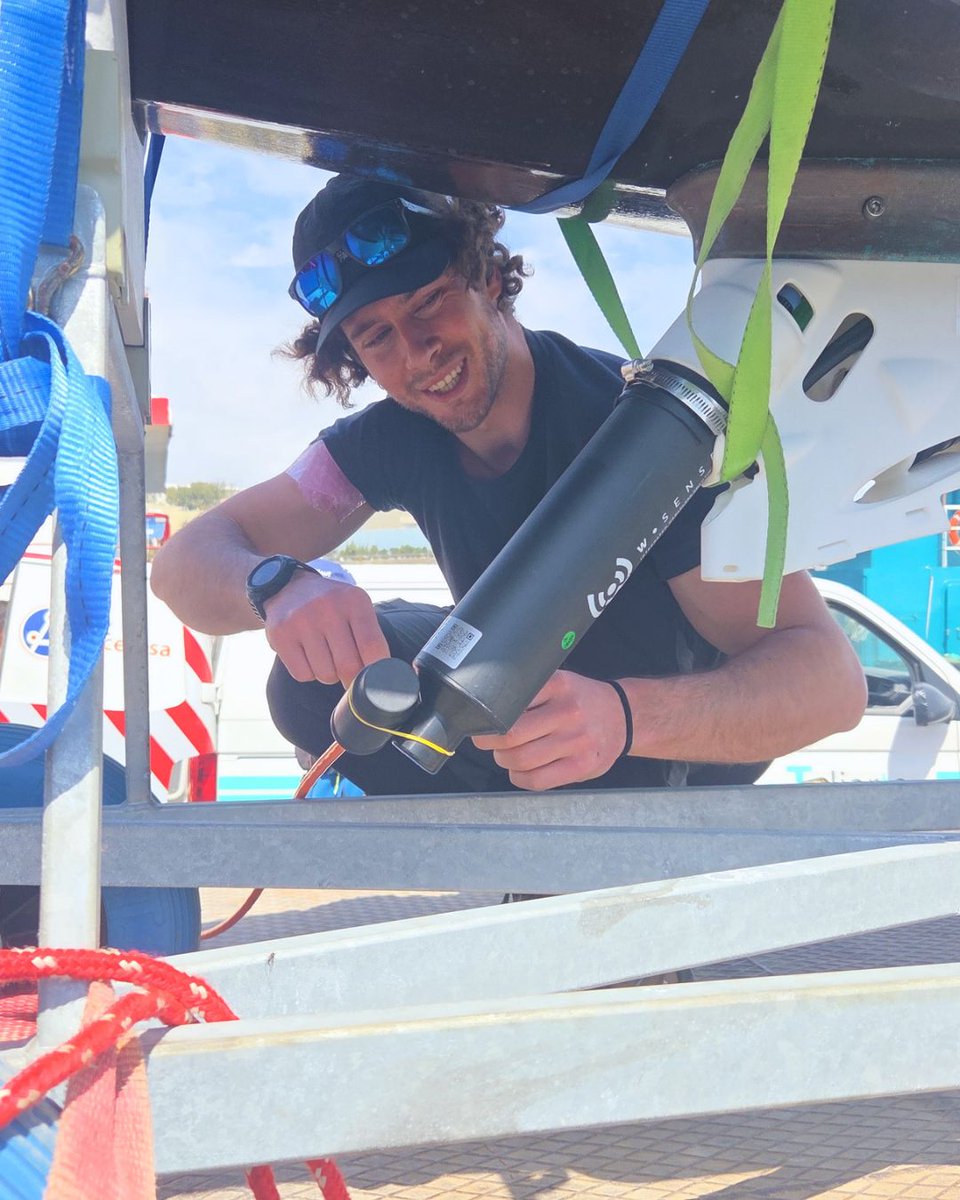
A CO₂ sensor by #4HJena equipped with an innovative antifouling system has been successfully deployed at the EMSO Obsea Observatory. The deployment aims to evaluate long-term stability of pCO₂ measurements & resistance to biofouling. 🐚
Read more: https://t.co/ntc7rxQ8QK
How do you decide where to send autonomous ocean observing platforms when conditions are constantly changing? 🌊 In GEORGE, one of the tools explored for this purpose is #FleetBot, an adaptive sampling tool designed to support oceanographic planning.
👉 https://t.co/YrIdRZrwIF
👉 Episode two of the GEORGE webinar series will focus on Euro-Argo ERIC!
Join us to learn how #Argo data is collected, processed, quality controlled, and made openly accessible - from float to netCDF 🌊
📅 4 June
🕑 14:00-16:30 CEST
👉 Register now: https://t.co/CXypjsVH4Q
🎉 The deep-sea instrument #EGIM, fitted with new sensors developed in GEORGE, was recovered on last week from nearly 5km below the surface at the Porcupine Abyssal Plain (PAP) site📍This marks the end of the multi-RI mission that began in June 2025.
👉 https://t.co/xaGQ1aTHBm
Final moments to register for the #EMSO ERIC webinar! 💻 Join us tomorrow, 20th May at 14:00 CEST for an insightful session on EMSO data practices. Read more and register below. 👇
Two weeks left until the EMSO ERIC episode in our exclusive webinar series! 💻
Join the session on 20th May to learn more about #EMSO data management practices, key scientific question, operation of sites, and more. 💡
👉 Read more and register: https://t.co/grryIi4AQp
How is surface ocean carbon data by ICOS collected, quality-controlled and made openly available?💡Join episode two of the GEORGE webinar series, focusing on @ICOS_RI, to learn more.
📅 28th May
🕑 14:00-16:00
👉 Register: https://t.co/JrAnVqymkP
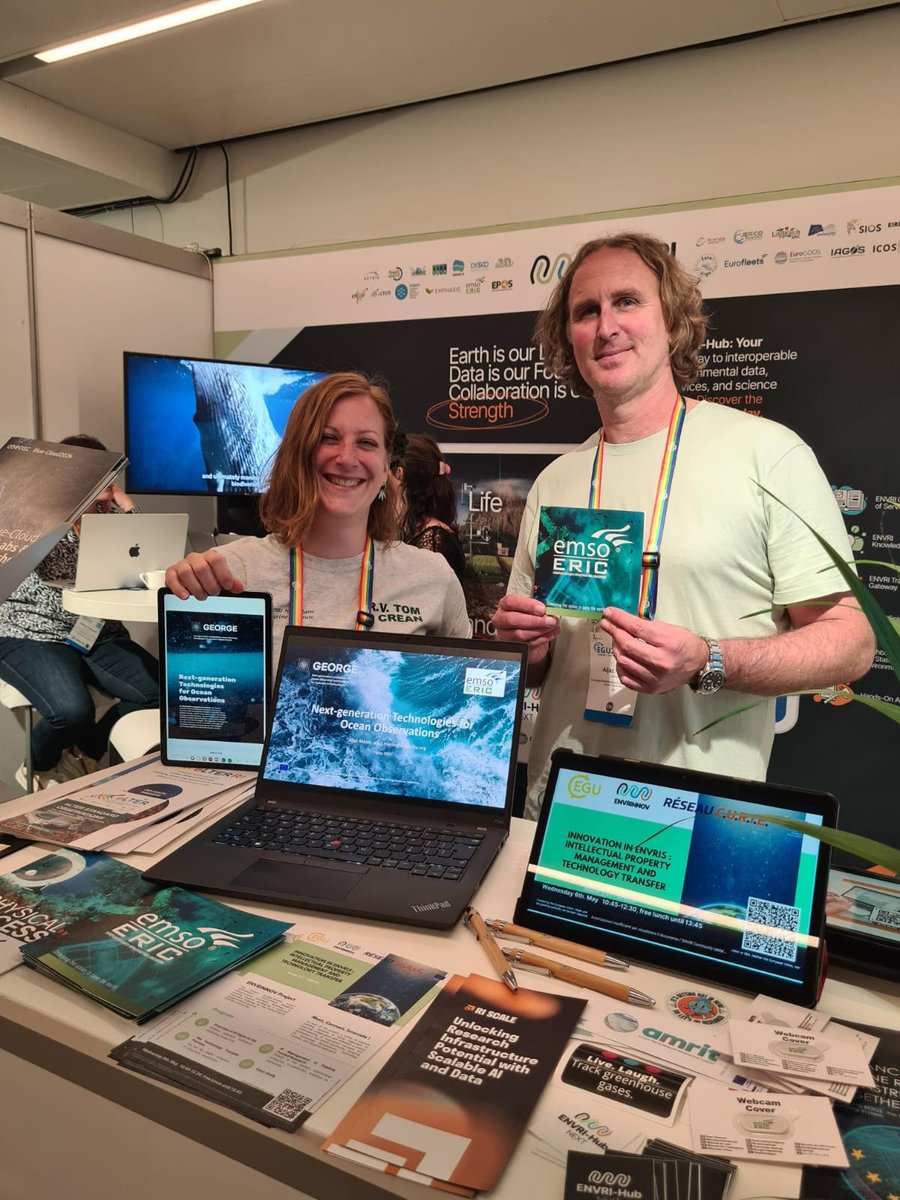
GEORGE was presented yesterday at the #ENVRI booth at #EGU26 by EMSO Data Officer, Aljaz Maslo:
Highlights included
🔹 High-precision technology for ocean carbon system
🔹 Reliable, long-term tools for marine environments
🔹 Harmonising data across EMSO, Euro-Argo, and ICOS
Two weeks left until the EMSO ERIC episode in our exclusive webinar series! 💻
Join the session on 20th May to learn more about #EMSO data management practices, key scientific question, operation of sites, and more. 💡
👉 Read more and register: https://t.co/grryIi4AQp
The deep-sea instrument #EGIM, equipped with state-of-the-art sensors developed in GEORGE has spent almost a full year on the bottom of the Atlantic Ocean. This month, it will finally be retrieved and its data analysed.
Read the full story 👉 https://t.co/UTuCCIhzyf
We are excited to announce a webinar series dedicated to data collection, processing & accessing practices of the marine Research Infrastructures (RIs) within GEORGE.
🔹 20 May – EMSO ERIC
🔹 28 May – ICOS ERIC
🔹 4 June – Euro-Argo ERIC
Register 👉 https://t.co/znV9663NAW
🗣️ We are pleased to announce a webinar series dedicated to the data collection, processing and accessing practices of the marine Research Infrastructures (RIs) within GEORGE 🌊
The series kicks off with EMSO ERIC:
📅 20 May 2026
🕑 14:00-16:30 CEST
👉 https://t.co/mKEtEA0DDV
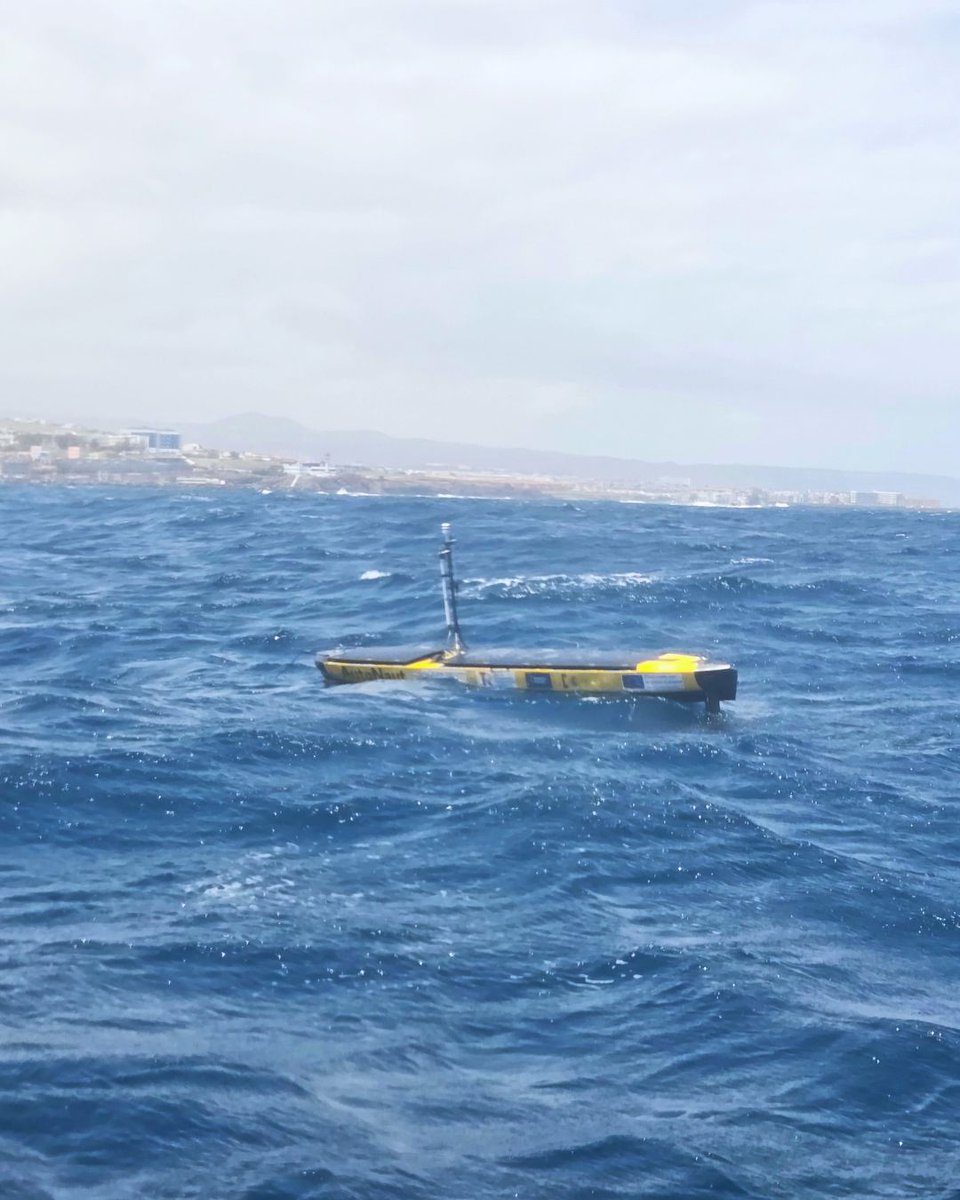
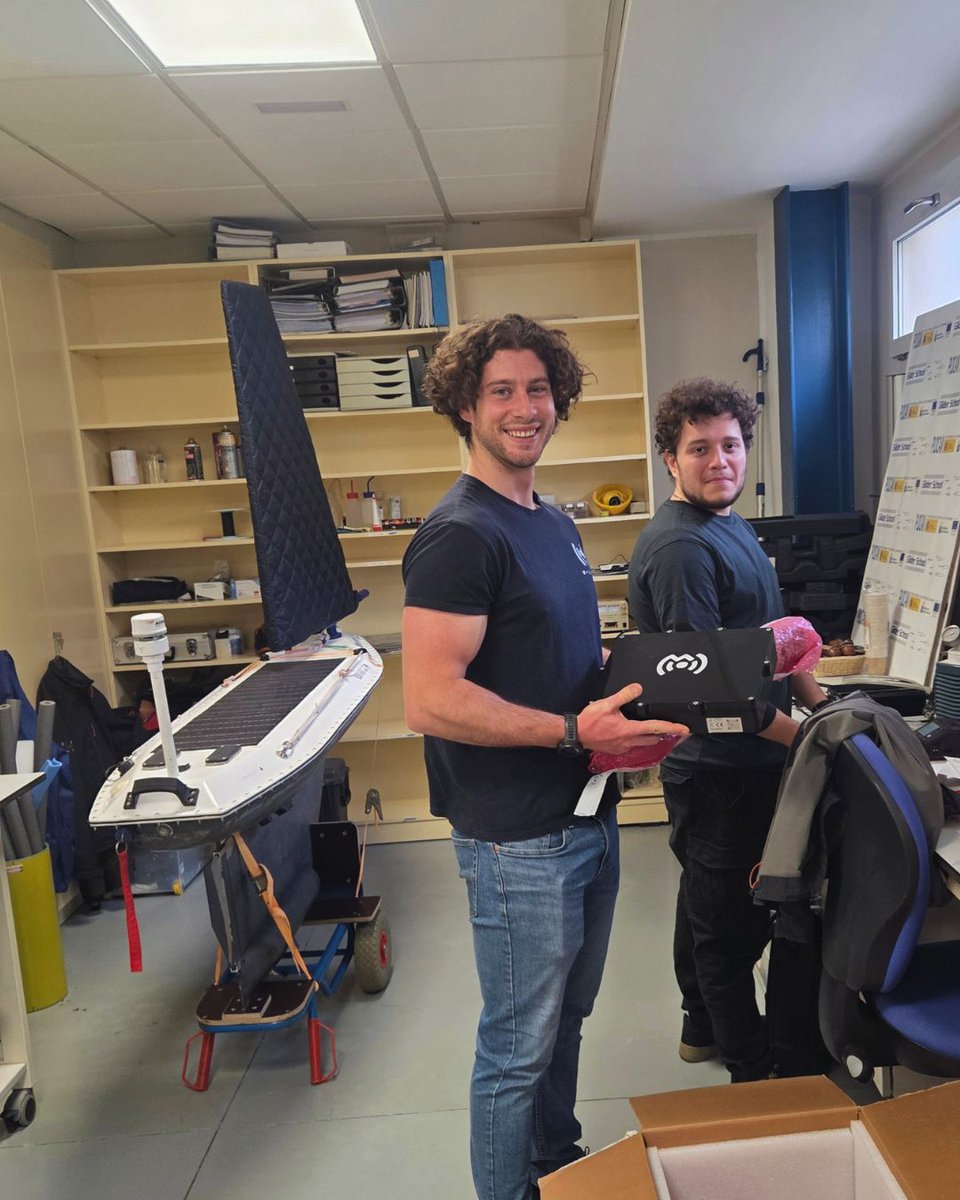
Updates from the Canary islands, where GEORGE partners are testing underwater data transmission 🌐Underwater nodes & autonomous surface ocean vehicle are used to test data transmission via WSense's Internet of Underwater Things (IoUT) system.
➡️Read more: https://t.co/eEwJiYJprK
You've heard of the Internet of Things, but what about the Internet of Underwater Things? 🤔🌊
At the PLOCAN test site, GEORGE partners will be testing how underwater sensors, vehicles and communication systems can work as one connected network. 🌐
👉 https://t.co/eEwJiYJprK
What makes the pH sensor by @CWSensors so unique, where can it be used, and what are its the next steps within the GEORGE project?
In this video, Tatjana Leibssle, Application Specialist, answers a few questions about the sensor.
👉 Read more: https://t.co/KnskNInba9
"We’re taking it all the way from concept to something scientists can use." The autonomous seawater sampler under development by NOC in the GEORGE project, is designed to collect & preserve seawater samples during long deployments.
👉 Learn more: https://t.co/SsmoVCaCgg
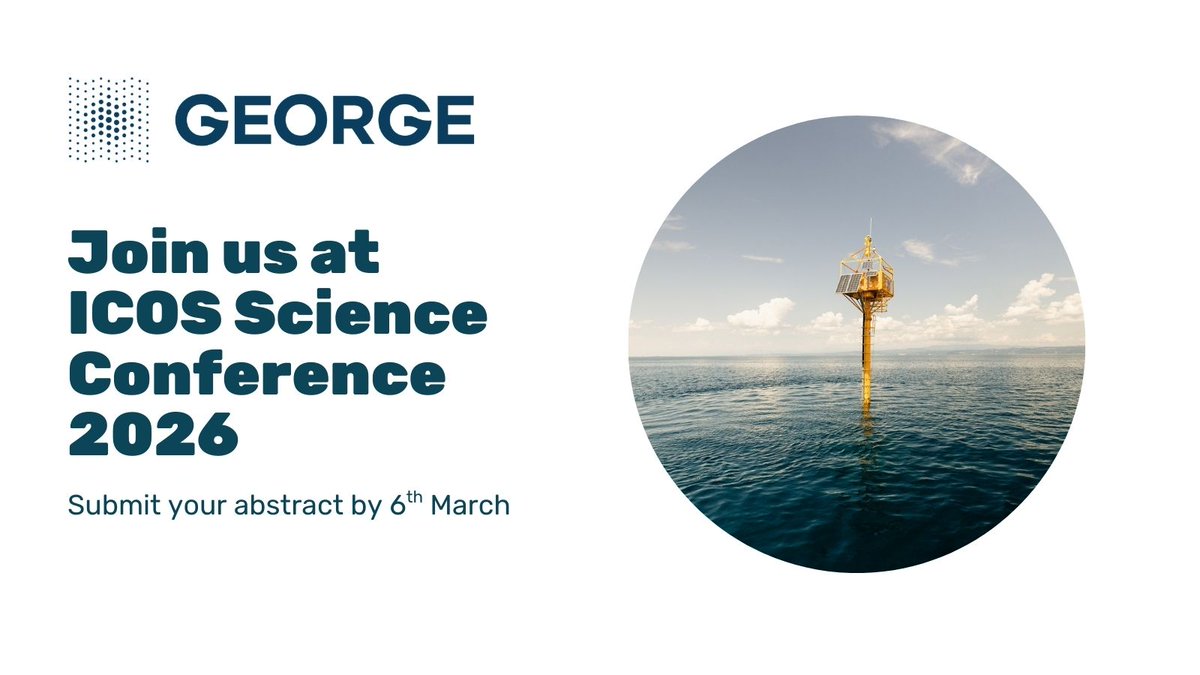
Now is the time to submit your abstract for ICOS Science Conference 2026! ⏰ Check our session "Advancing marine CO₂ observations through next-generation sensors, integration, and platform innovation."
👉 Call for abstract closes 6th March, 15:00 CET.
https://t.co/Nv4hs6uXQm
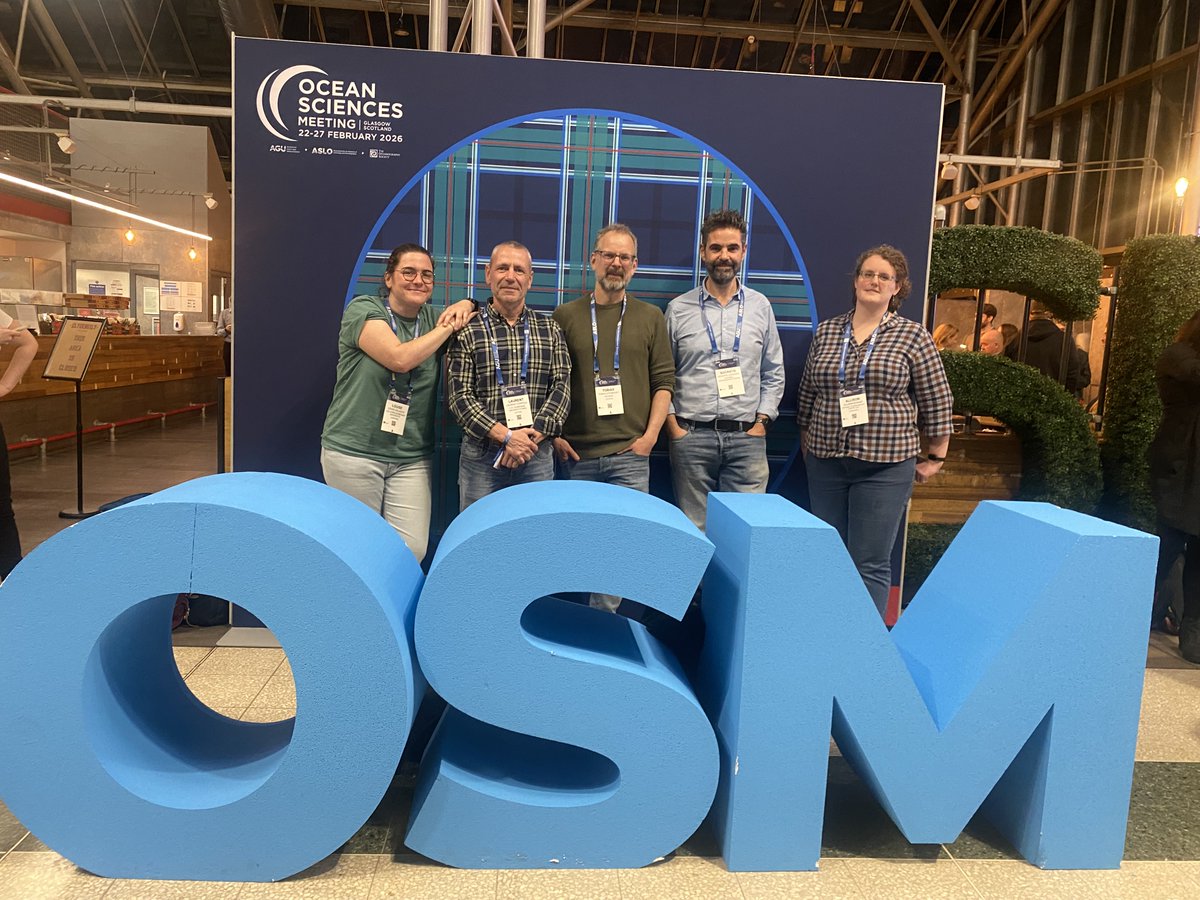
Hello from Glasgow! 👋 The GEORGE teams have been at the Ocean Sciences Meeting this week, presenting the latest results and progress from the project.
Catch the final GEORGE presentations today (Thursday) at 4 pm! 👉
Learn more: https://t.co/s0JWc8iRZx
#osm26
🌊 Exploring the hidden depths of our oceans to fight climate change.
The Horizon Magazine article highlights how EU-funded researchers are developing a new generation of autonomous ocean sensors — designed to reveal how the sea absorbs and stores carbon, and to fill long-standing data gaps in the marine carbon cycle.
These breakthroughs, driven by the GEORGE project and partners such as ICOS, EMSO and Euro-Argo, could transform how scientists understand and monitor the ocean’s critical role in regulating our planet’s climate.
📖 Read more on Horizon Magazine: New ocean sensors could transform how scientists track the marine carbon cycle 👉https://t.co/eTWeCTVEgk
#HorizonEU #ResearchImpact #OceanScience #ClimateAction #EUInnovation #BlueEconomy
GEORGE will be present at the Ocean Sciences Meeting in Glasgow, Scotland 22-27 February 2026, presenting some exciting recent demonstrations and progress made in the project.
👉 See the full list of GEORGE presentations: https://t.co/s0JWc8iRZx
#OSM2026