@Theholisticpsyc Being quiet isn't a flaw, but neither is being talkative. The problem begins when we assign moral value to personality differences. Neither communication style makes someone inherently better than the other.
@Theholisticpsyc Quietness isn't automatically a strength. Sometimes, people use silence to avoid confrontation, hide insecurity, or escape difficult conversations. The real strength is knowing when to listen and when to speak.
@garyoneill You can be ambitious and still be gentle with yourself. You can have goals to pursue and still acknowledge that some days, you simply don't have the emotional energy to give your best.
@MANSOORNABI12 People often create justifications for their behaviour to protect their self-image. But avoiding accountability doesn't erase the reality of what they've done.
@climbwithin Be proud of your private victories, but don't become so attached to suffering in silence that you convince yourself you must handle everything alone. Strength also includes knowing when to ask for help.
@ML_Philosophy Human beings are wired for connection. Isolation doesn't simply reveal who you are; it can also change how you think, feel, and perceive reality. Social connection isn't a weakness or a dependency to be ashamed of.
@garyoneill Gentleness with yourself is important, but so is honesty. You cannot keep making the same mistakes, comforting yourself afterward, and calling that growth. Compassion should help you change, not protect you from change.
@climbwithin Age measures how long you've lived, but wisdom often reflects how deeply you've understood what you've lived through. Sometimes, a few difficult experiences can teach lessons that years of comfort never will.
@MoneyQuotesX@WallStreetSnypa Your income determines how much you can bring in, but your financial decisions determine how much of it stays and grows. Earning more without managing it wisely can still leave you broke.
An angry population can be temporarily distracted with promises and emotional speeches. An informed population is harder to manipulate because it understands policies, examines evidence and knows what questions to ask. Accountability becomes difficult when citizens understand how government works.
Brian Tracy🕊️💔
The idea is that what you repeatedly tell yourself influences what you believe is possible. If you convince yourself that something is beyond your abilities, you may become hesitant, avoid opportunities and give up before making a genuine attempt. But when you believe something is achievable, you're more likely to take initiative, explore possibilities, develop the necessary skills and persist through difficulties.
It creates a chain reaction:
Your thoughts influence your beliefs. Your beliefs influence your actions. Your actions influence your results.
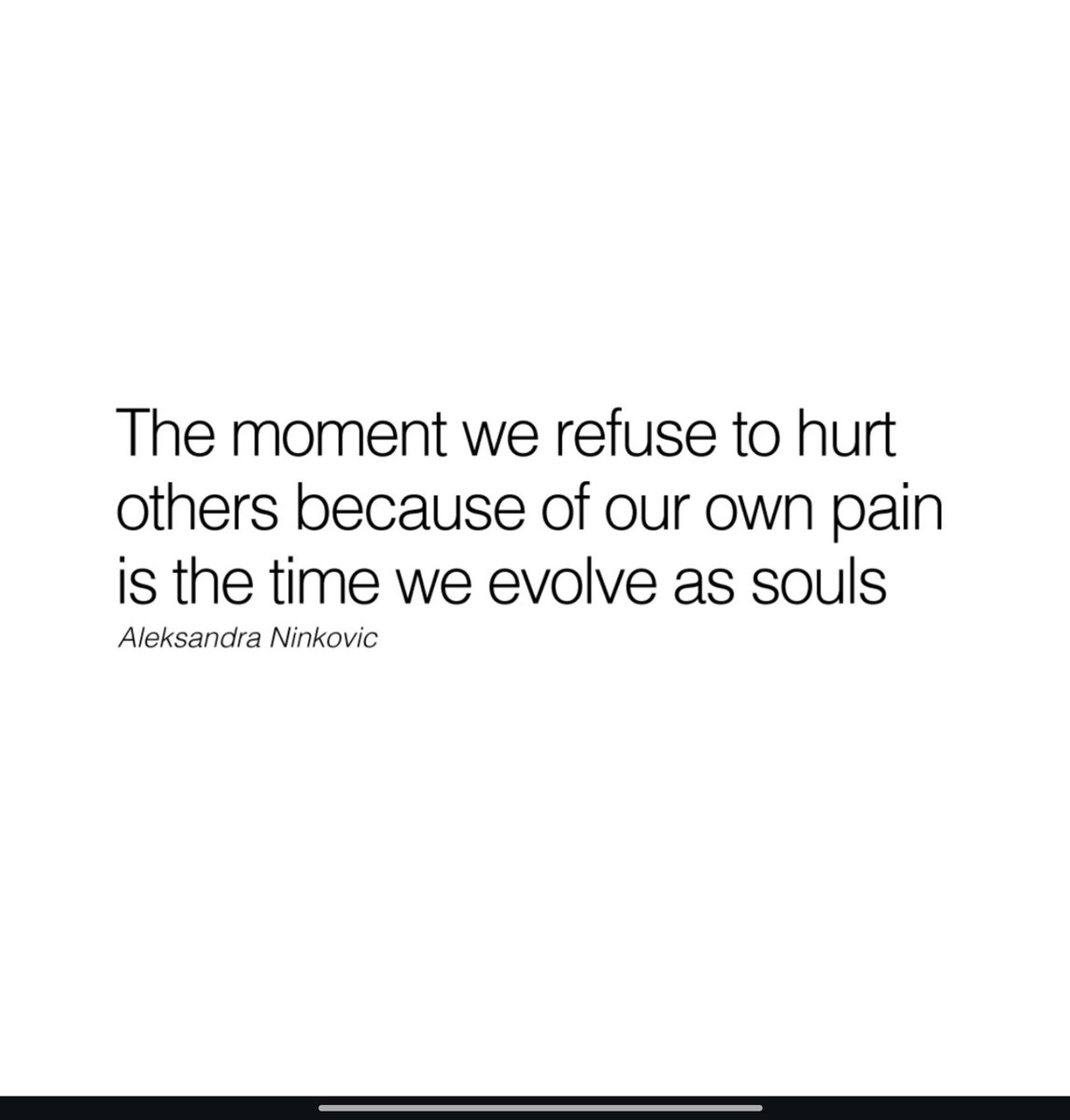
Have you ever considered that some of the ways you hurt people are actually behaviours you developed while trying to protect yourself from being hurt?
Sometimes, unresolved pain changes how we interpret people's intentions, how we respond to affection and how we handle conflict. We become defensive, emotionally distant or unnecessarily harsh, not always because people have wronged us, but because we've learned to anticipate being hurt.
The danger is that we can become so accustomed to our own pain that we unconsciously recreate it in other people's lives.
At some point, you have to ask yourself: Am I responding to the person in front of me, or am I reacting to the people who hurt me before them?
@climbwithin I think there's a difference between believing your struggles can make you stronger and believing everything happens to prepare you for something. Not every painful experience has a hidden purpose. Sometimes the meaning comes from what you choose to do after it happens.