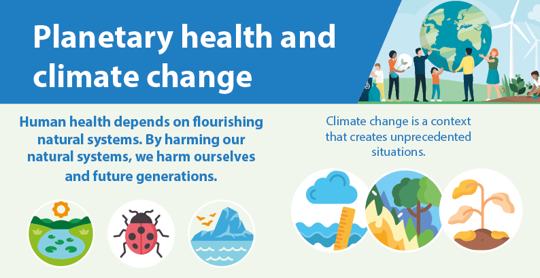
New WHO report on Nature-Based Solutions and Health ✨
Led by Ben Wheeler & colleagues, the report highlights how NBS can improve health & wellbeing
Features @ConnsGreenway as a case study & GroundsWell research on benefits of green and blue space 🌳
https://t.co/jqsWTci6Ic
New paper! A collaboration with @VISION_UKPRP
Green space may be important in the prevention of crimes 🌳
Read our blog post ➡️ https://t.co/mZCZyyKv8s
Access the article ➡️ https://t.co/ZNvw0utjwm
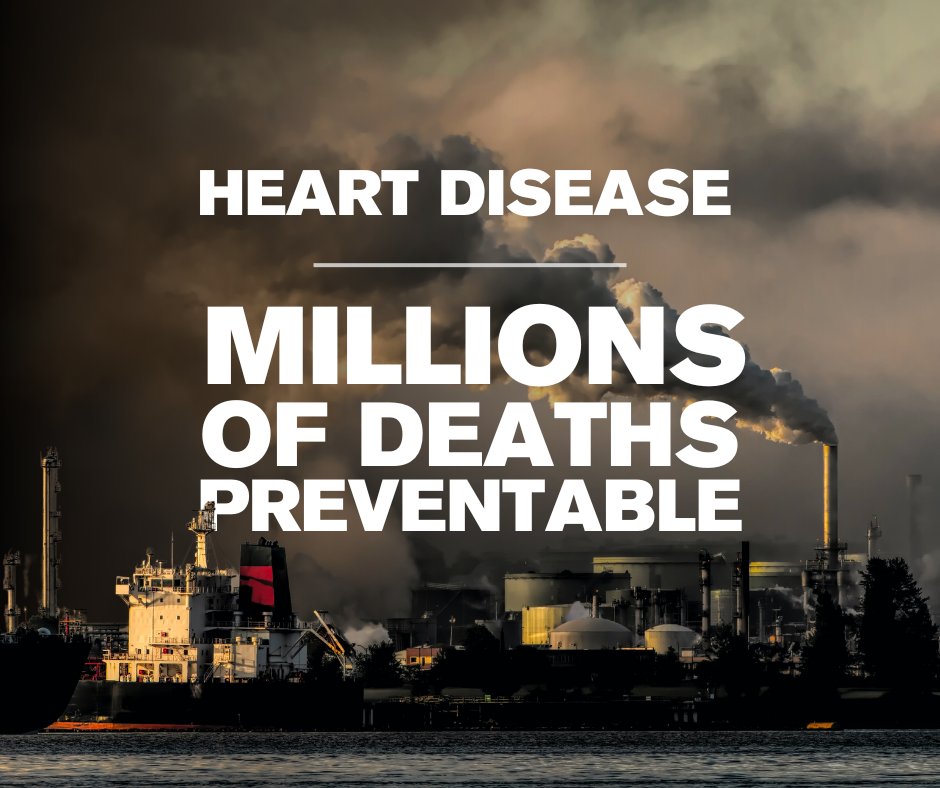
A report co-led by @EssexIPHW researchers has revealed that millions of deaths from heart disease could be prevented if governments introduce legislation to tackle air pollution.
The report was launched at the @worldheartfed World Heart Summit.
https://t.co/QdlSiDShn8
@PWGTennant Totally. That is why I see an US PI more like a boss who comes to lead the team, while an UK PI is more like an independent director who comes to supervise the team.
@PWGTennant 4) The flexibility of using UKRI funding is not the same as NSF (which can be used to recruit PhD students and cover your salary on holiday).
@PWGTennant I think there are several explanations for that. 1) Senior lecturers in the UK are paid the same as a post-doc in the US 2) In the UK, it usually takes 3 to 4 years to finish a PhD degree, while it usually takes 6 to 8 years in the US.
@PWGTennant Also, even if you get funding to recruit PhD students, you still cannot be the principal supervisor due to lack of supervision experience (not to say most of the lecturers may still have not got their postgraduate certificate in education (PGCE)).
@PWGTennant 3) In the US, the assistant professor basically can recruit PhD students and post-docs right after being appointed as an assistant professor with funding support from the University. However, in the UK, you rarely get support from the University to recruit post-docs.
Another great #PhD opportunity, come work with @Ruth_HunterQUB and me on interactions of human health and biodiversity actions in cities
@QUBbioscience@CPH_QUB
https://t.co/2sOxw8ily7
@GeorgeRWONG et al investigate how neighborhood factors affect COVID-19 incidence in Scotland by using geographical random forest models to analyze the spatiotemporal variation of COVID-19 determinants.
Learn more: https://t.co/uxyJDdjbK2
✨New blog post! ✨
GroundsWell researchers from Queen's reflect on their recently published articles looking at the impact of @ConnsGreenway on communities in terms of mental health and economic benefits🌳
Read now ⬇️
https://t.co/gpz73cyyOT
I am very honored to join ECR editorial board of the journal. We look forward to receiving more fantastic works from authors from different disciplines.