So pleased that our article in support of Valeria at @Montemaggio made it in to @JancisRobinson Summer Writing Competition! Give it a read below...
WWC20 – Montemaggio, Chianti https://t.co/0I0MjRbfzQ
Usually drink a couple of bottles of wine a week, not a lot by most standards, but worried that is was making me feel tired, anxious, depressed. Cut it out for two weeks to see what difference it made. If anything I felt worse. Cracking open the Sauvignon Blanc tonight.
🍷 Wine labels that truly say something about the contents inside…
🍇 They are labeled by age of vineyards and by level of complexity - the young man is on the wine made from the youngest vines, matured for the least amount of time before bottling.
🇪🇸 What do you think?
Vintage Crime: The darker side of wine
Master of Wine @rebeccagibb reveals why she has a fascination with wine crime on the eve of the publication of her latest book, Vintage Crime: A short history of wine fraud...
https://t.co/xZdMdd76Gw
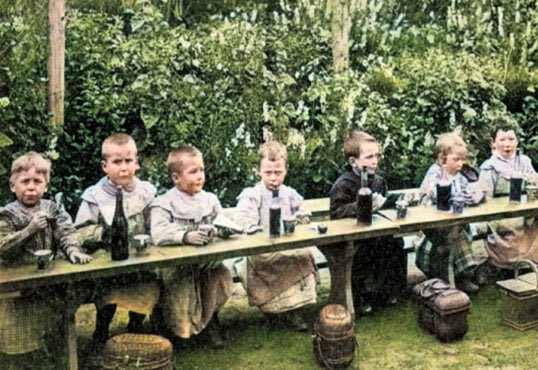
Until 1956, French children attending school were served wine on their lunch breaks. Each pupil was entitled to four glasses a day.
In the past, wine, beer, and cider used to be sold in school cafeterias, although it was up to each school's discretion whether to allow it or not. Some parents would even include an alcoholic drink of their choice – typically 500 mL of wine, cider, or beer, depending on the region – in their child's lunch to take to school. In instances where schools did not permit this practice, some parents would encourage their children to have wine with breakfast before going to school. Typically, these beverages were available in the school cafeteria, where students were encouraged to purchase and consume about half a liter daily.