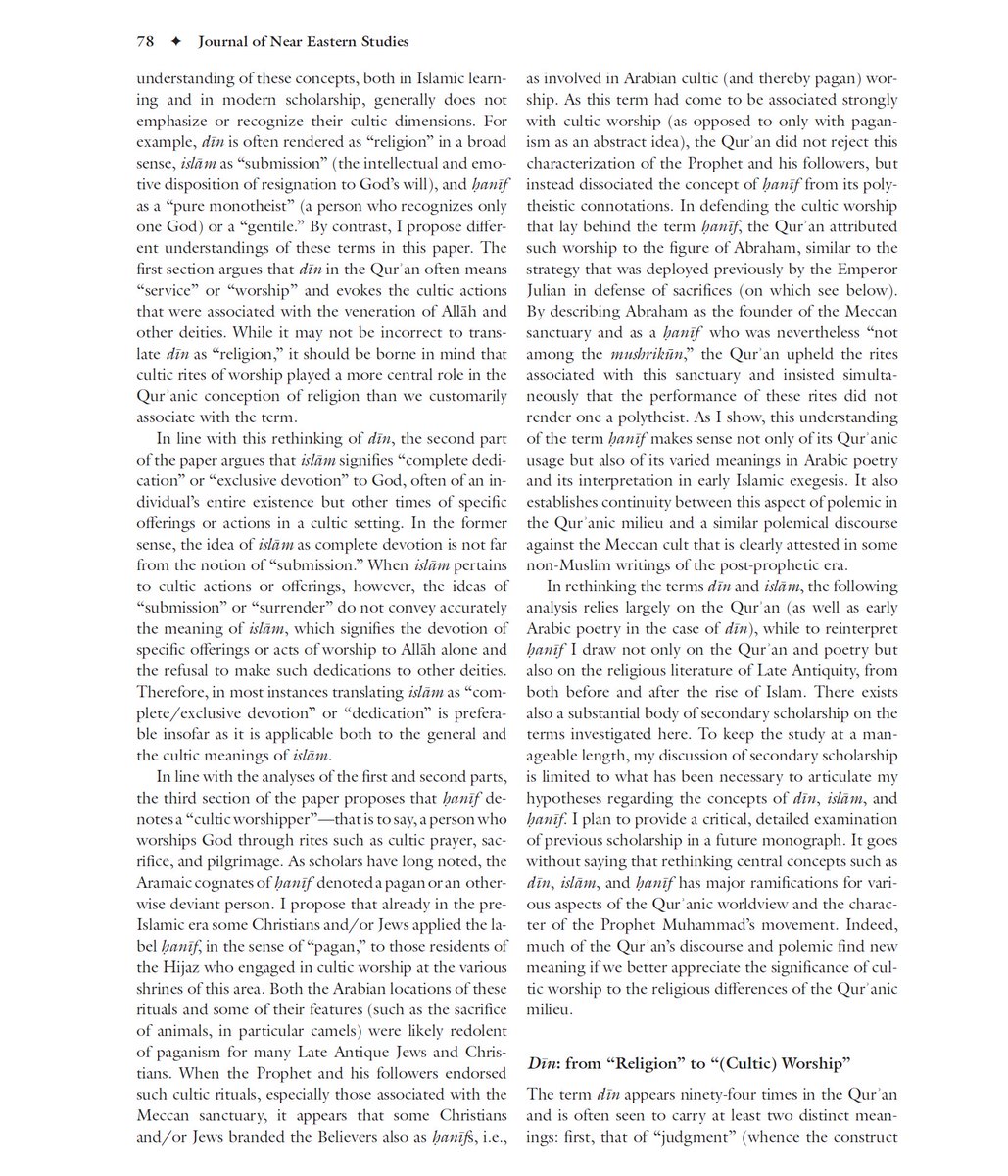
@InekasSchool@ExeterIAIS I've been following @InekasSchool's work and their summer schools consistently deliver high-quality academic content. This year's focus on 'Problematizing Objectivity' is particularly timely and relevant. Worth checking out if you're interested in these approaches !
Join the Fifth Inekas Online Summer School | 2025
"Method and Theory in Islamic Studies: Problematizing Objectivity"
In collaboration with
@ExeterIAIS and Habib University
🗓️ 29-31 August
11:00 to 17:30 UTC (7:00 to 13:30 EDT)
📍 Register: https://t.co/D5lTH4T5ze
#NewPublication
Quranic Concepts in Islamic Psychology and Spirituality
Application in the Modern World
Zuleyha Keskin. Routledge 2025
#OpenAccess Preliminary Material & chapter 1 . The Human Faculties in the Qur'ân
Preview PDF
https://t.co/TkUBdJ8tEV
https://t.co/vVk1fOONSp
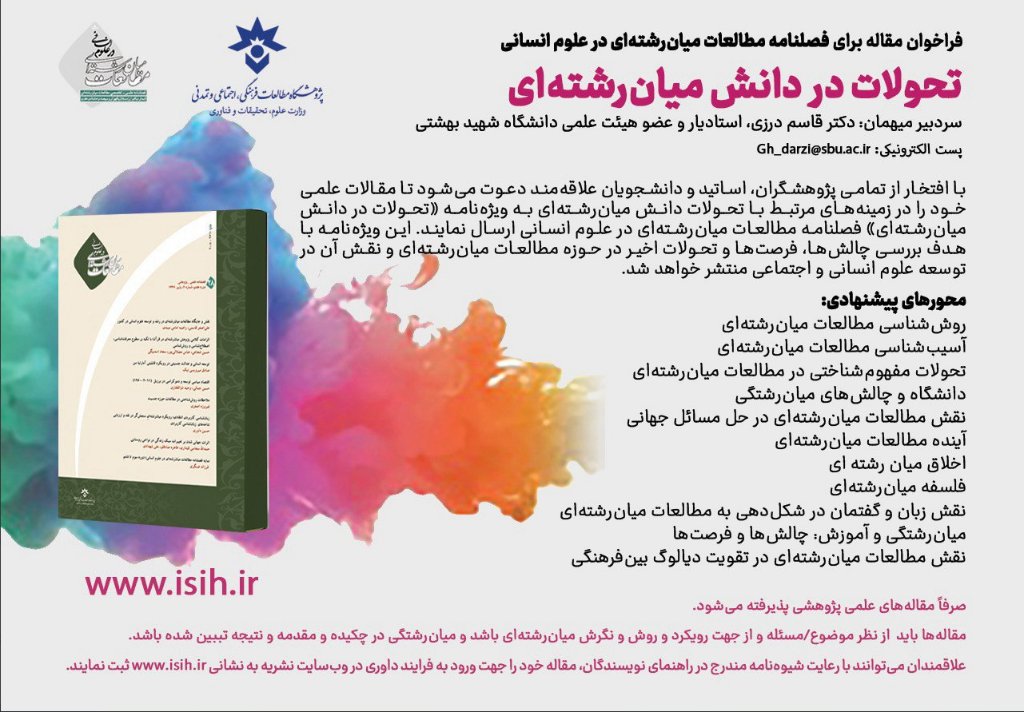
فراخوان ارسال مقاله
فصلنامه مطالعات میانرشتهای در علوم انسانی
ویژهنامه: «تحولات در دانش میانرشتهای»
سردبیر مهمان: قاسم درزی
از پژوهشگران دعوت میشود مقالات خود را از طریق سامانه مجله ارسال فرمایند. ارتباط مستقیم با دبیر مهمان نیز فراهم است [email protected]
What kind of Bible does the Qur’an assume its audience knows?
Not the canonical text familiar to most readers today.
John Reeves (UNC Charlotte) addressed this in his lecture in Inekas 4th summer school:
https://t.co/W8nIJ935Wr
A thread on his lecture:
The Call for Papers is open for IQSA's 2024 Annual Meeting in London! Find details on the meeting, submissions, and more at https://t.co/M1rzfclPZS #callforpapers#submissions#iqsa24
Although both texts share a common theme, there is a notable difference in the portrayal of the male perspective. it is important to note that the hadith books often follow the Torah discourse when narrating this story, rather than adhering to the Islamic discourse of the Qur'an.
with a focus on the dominant discourses of gender. The aim of this study is to highlight the linguistic and narrative distinctions between these two holy texts when presenting this story.
“The story of Human Creation in the Qurʾan and the Old Testament: A Linguistic-Narrative Approach for Reconstructing the Dominant Gender Discourse”
In this article, I have conducted a comparative study between the Qur'an and the Torah in relation to the story of creation,
#OpenAccess#Comparative_Studies
My latest article has been published (open access):
https://t.co/kCb4JFUNDF
“The story of Human Creation in the Qurʾan and the Old Testament: A Linguistic-Narrative Approach for Reconstructing the Dominant Gender Discourse”
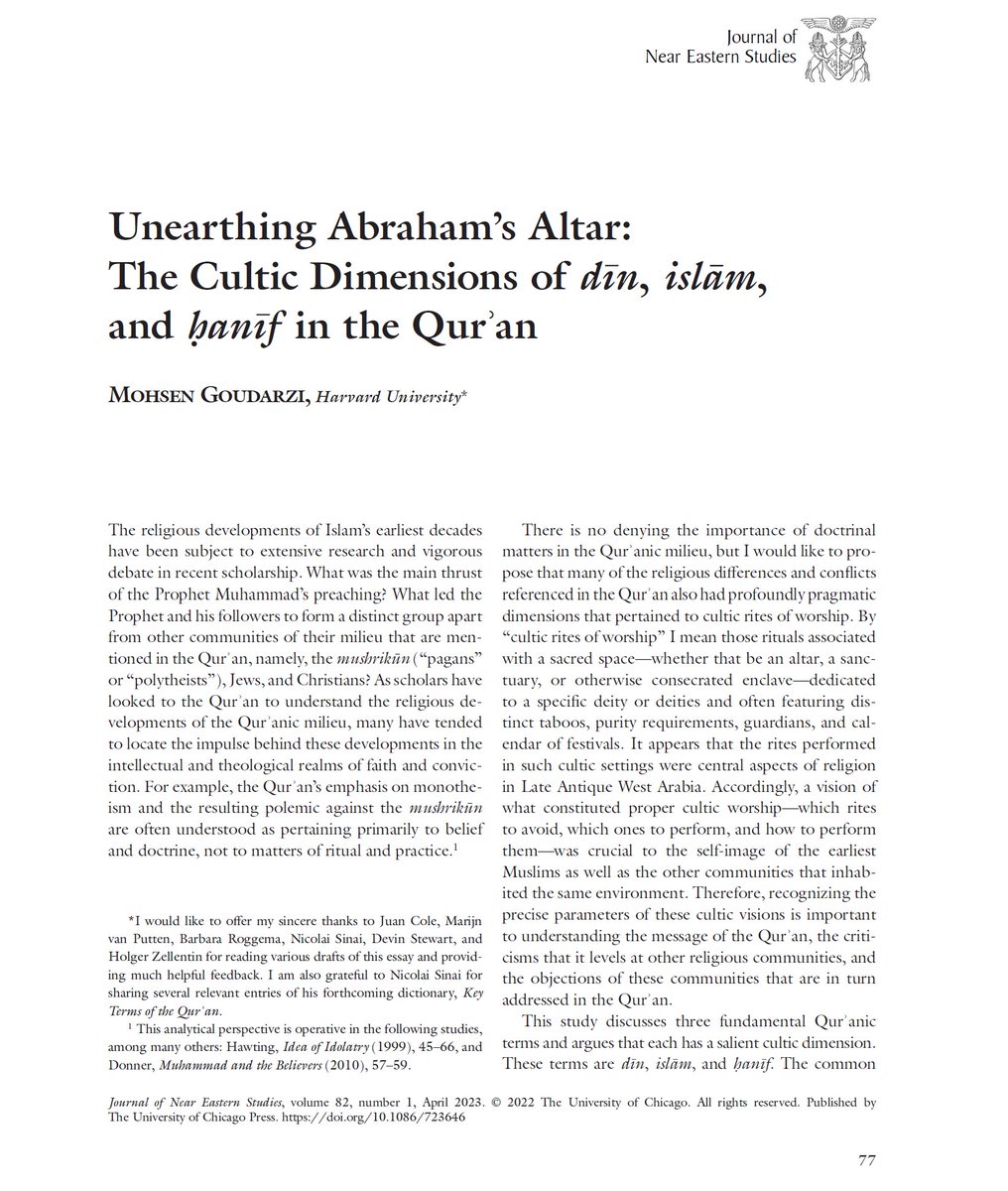
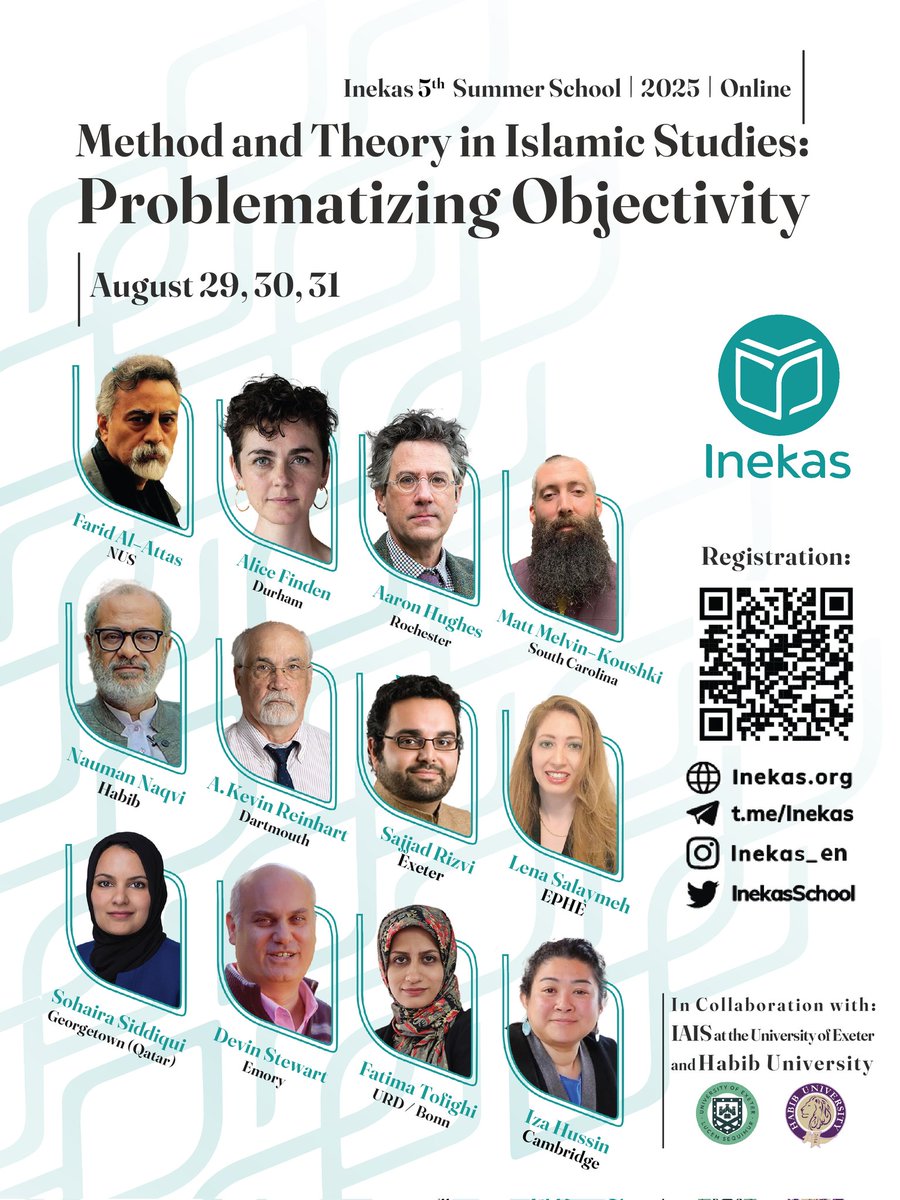
1/12 This study argues that quranic dīn, islām, & ḥanīf are deeply connected to rituals of worship.
(inexact) TLDR: dīn: “worship” (not “religion”/“faith”);
islām: “monotheistic worship” (not “submission”);
ḥanīf: “worshiper through cultic rituals” (not “monotheist”/“gentile”).





![GhasemDarzi's tweet photo. nternational Conference on Interdisciplinary Qur’anic Studies (ICIQS 2025 Tehran).
Submission of Articles: [https://t.co/tKimEwkIiU]
Contact Email: [ICIQS@sbu.ac.ir]| [Gh_darzi@sbu.ac.ir](Gh_darzi@sbu.ac.ir -Dr. Ghasem Darzi) - Please spread this call https://t.co/N854Lcjyyd](https://pbs.twimg.com/media/GYZW4lHWYAAGpBw.jpg)