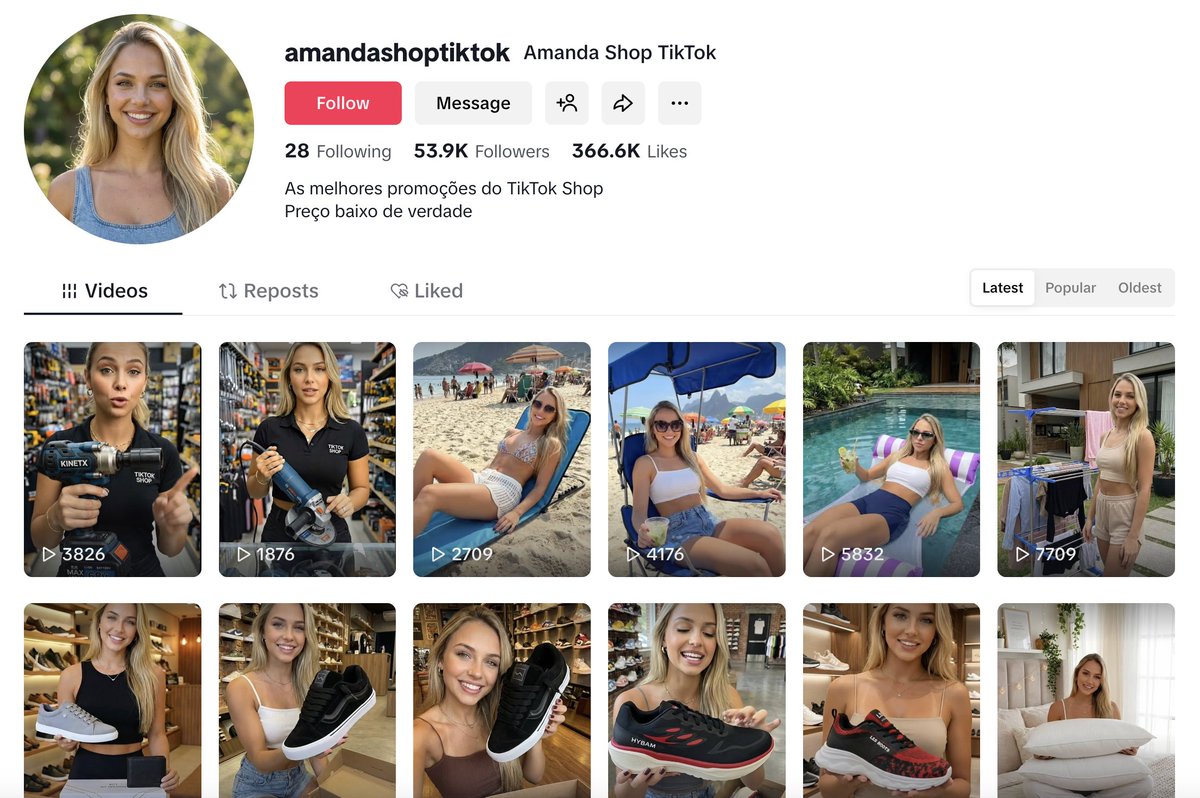
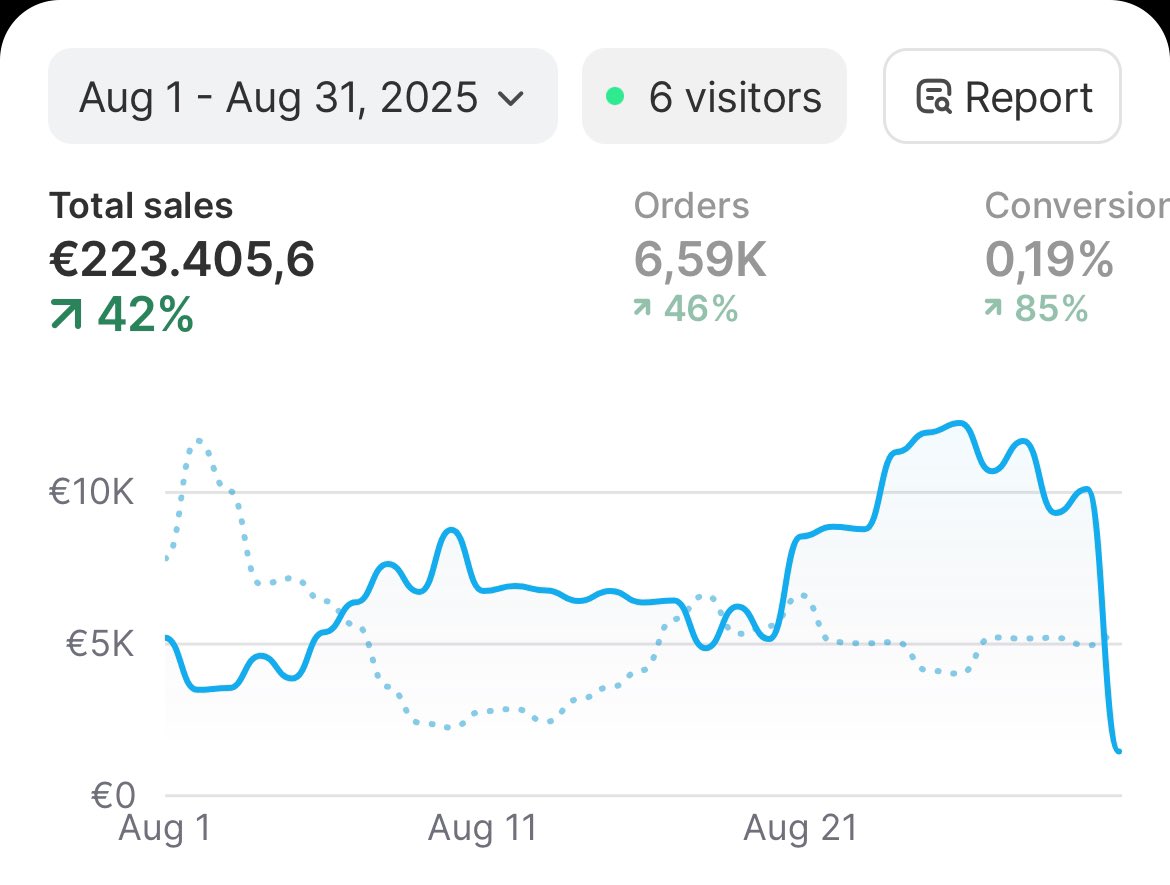
$120k/month from a single tiktok shop account in brazil
one consistent face running the same ugc format across dozens of different products
the framing, pacing, and casual delivery stay identical on every video
ai recreates the creator style, swaps the product in hand, and posts daily at scale
no filming sessions, no creator management, and no brand deals
just one proven format multiplied across an entire catalog
that’s how pages like this turn into quiet sales machines
rt + comment “brazil” and i’ll dm it
(follow for dm)
i sold dog beds for $249 when everyone charged $49
customers thanked me for those premium prices
here's the “pricing psychology” that prints:
i was selling to the UK market
dog beds on amazon: $29-79
competitors on shopify: $49-99
premium brands: $99-149
me: $249
everyone said:
"too expensive"
"nobody pays that"
"you'll get zero sales"
first month: 84 sales
$20,916 revenue
they were wrong
the unique positioning:
competitors marketed:
"comfortable dog bed"
"orthopedic support"
"washable cover"
all features
i marketed:
"your dog deserves the same comfort you have"
"would you sleep on a $49 mattress?"
"premium rest for premium family members"
identity.
the customer psychology:
$49 dog bed says:
"this is for a dog"
"basic necessity"
"functional purchase"
$249 dog bed says:
"this is for family member"
"premium investment"
"love expression"
different framing
different customer
the actual difference:
my product cost: $47
their product cost: $12
my product: real orthopedic foam, veterinarian designed
their product: regular foam, generic design
but here's the secret:
customers don't know the cost difference
they only know the price difference
$49 = cheap materials (they assume)
$249 = premium materials (they assume)
both assumptions true
but they can't verify
what matters is perceived value
not scientific ass claims
the review difference:
$49 dog bed reviews:
"good for the price"
"works okay"
"expected quality"
average rating: 3.8 stars
$249 dog bed reviews:
"best investment ever"
"my dog loves it"
"worth every penny"
average rating: 4.8 stars
same satisfaction level
different price context
different perception
the customer quality:
$49 customers:
- price sensitive
- compare options
- return rate: 12%
- support tickets: 4.7 per customer
- lifetime value: $49 (one purchase)
$249 customers:
- value sensitive
- trust premium
- return rate: 2%
- support tickets: 0.8 per customer
- lifetime value: $680 (repeat purchases)
the math:
$49 dog bed business:
- 1000 sales/month
- $49,000 revenue
- $37,000 cogs
- $12,000 gross profit
- -$5,880 support costs (1000 × $5.88)
- -$5,880 returns (12% × $49,000)
= $240 net profit
$249 dog bed business:
- 200 sales/month
- $49,800 revenue
- $9,400 cogs
- $40,400 gross profit
- -$160 support costs (200 × $0.80)
- -$996 returns (2% × $49,800)
= $39,244 net profit
same revenue
163x more profit
from pricing alone
the thank you emails:
this is the weird part
customers would email:
"thank you for making premium option"
"finally something worth buying"
"my dog deserves this quality"
they appreciated the high price
because it signaled quality
$49 would make them suspicious
$249 made them confident
the refund requests:
$49 price point refunds:
"doesn't look like pictures"
"quality not as expected"
"found cheaper elsewhere"
emotion: disappointed
$249 price point refunds:
"dog didn't take to it"
"sizing issue"
emotion: apologetic
they blamed themselves
not the product
giving an instantly different frame
and preserving positive word of mouth
the competitive response:
competitors saw my pricing
thought i was crazy
stayed at $49-99
good
because if they raised to $249:
- their customers would revolt
- brand positioning wrong
- quality doesn't match
but my customers at $249:
- expected premium
- received premium
- matched expectations
i grabbed the richer market share
that’s why i won
the expansion:
year 1: just dog beds at $249
year 2: added accessories at premium pricing
- collars: $89 (market average: $29)
- leashes: $79 (market average: $24)
- toys: $49 (market average: $15)
customers bought everything
because they already crossed $249 threshold
the brand perception:
once someone pays $249 for dog bed:
$89 collar = reasonable
$79 leash = makes sense
$49 toys = actually cheap
price anchoring in action
total average order value year 2:
$249 + $89 + $79 = $417
vs competitor:
$49 + $29 + $24 = $102
4x higher aov
from premium positioning
the lesson:
race to bottom?
more like race to poverty
(unc joke check)
competitors were fighting over:
"$49 or $44?"
"free shipping or $4.99?"
meanwhile:
i was at $249
with free shipping
making actual profit
they're in red ocean (bloody competition)
i'm in blue ocean (alone at top)
all because i understood the psychology of ecom pricing:
customers don't want cheapest
they want that confidence
THAT CONVICTION
no one wants cheap doubt
they want premium trust
and would you rather:
sell 1000 at $49 for $240 profit
or
sell 200 at $249 for $39,244 profit
different games lead to different outcomes
and selling an expensive product ain’t that harder than LT
but now here’s the current state:
i stopped running that brand in 2020
but the lessons stay the same:
premium pricing =
- better customers
- higher profit
- easier business
- more freedom
budget pricing =
- worse customers
- lower profit
- harder business
- more stress
you choose your hell
the framework:
if your product:
- solves problem
- has real quality
- serves real need
charge premium
if your product:
- is a commodity item
- has no differentiation
- is a generic solution
charge a budget
but here's a trick to make yourself expensive:
position yourself differently
own your sub category
all through small improvements:
- better photography
- better copywriting
- better packaging
- better support
same product
different presentation
and a different fucking price
- amin
(DM me “GOOGLE”” if you want me to scale your ecom brand up with a system that applies these same principles)
The process I use to do $750k/mo dropshipping
30 niche stores in 30 countries
1. Find a winner in an English market
2. Test the product in 1 country (eg Germany)
3. If it works, scale horizontally to all countries.
4. If it doesn’t work, move onto the next product.
5. Repeat.
I’ll answer as many questions as I can on this tweet
These statics are RIPPING 🤯
This is the exact formula we’re using to rip multi 5 figs per day
& a few of them are circulating on X
Happy Friday
Now go rip these this weekend and print some $$$ 💰
Can confirm. ESPECIALLY if you are selling to older audiences.
I was in an account yesterday where the all time top performer was an AI generated image of a woman smiling.
No product, no text overlay, no editing. $800k spent YTD.
Primary text -> long emotional testimonial (this is what does the selling)
Headline -> direct audience callout (women over 50)
They have 200 ads in their ad library, but this ad is beating everything 😂
2nd and 4th top spenders are also AI images with zero editing.
>400k this month with both stores combined: 1st cod - 2nd cc
Next steps:
-Expanding COD Portugal so we can reach 300-500k months with COD
-Solidifying creative wheel for the cc brand and introduce more hero products
Happiest thing of these results: only 2 people on the team
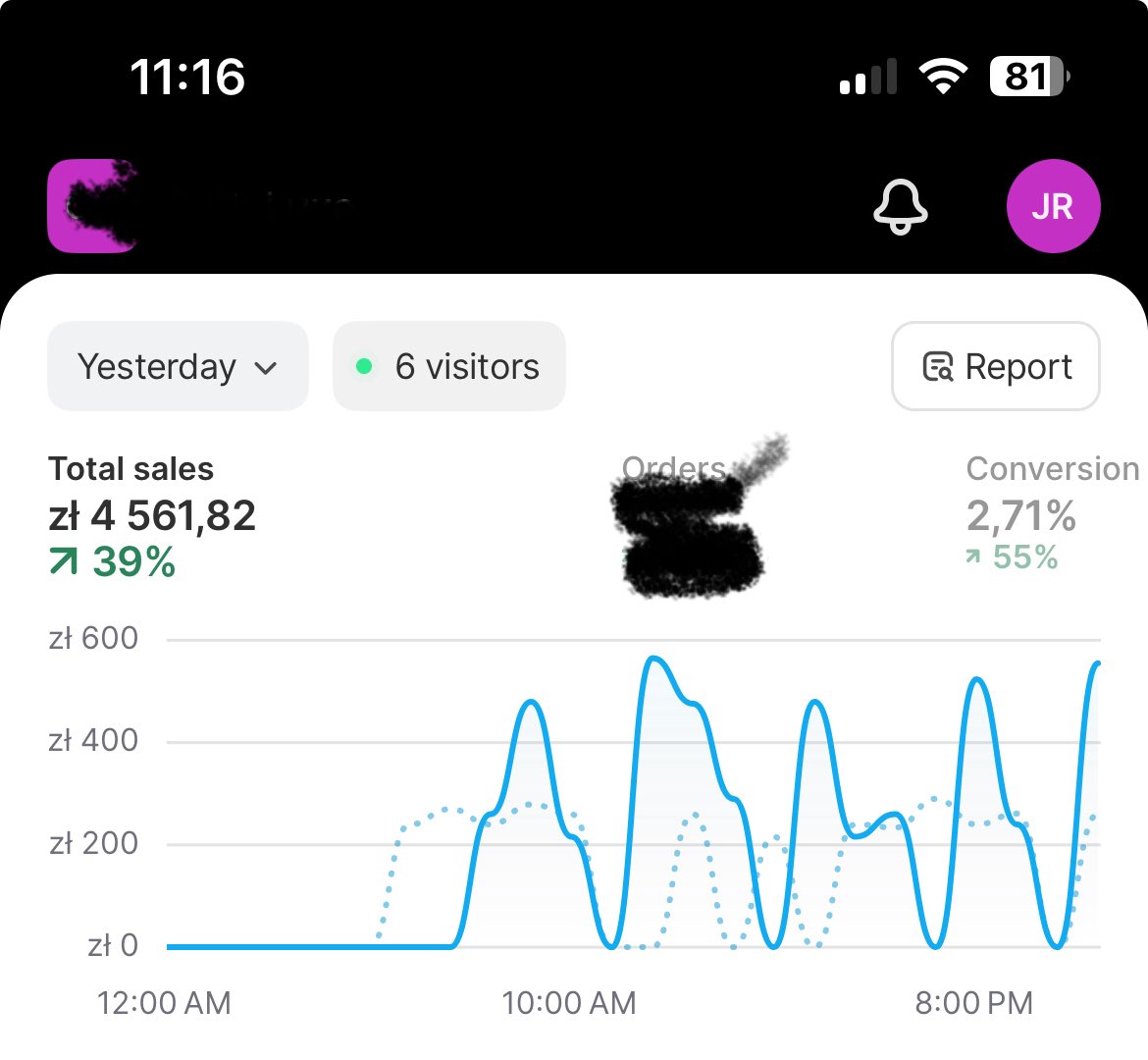
SECOND 1k$ day ever
Day 17 of beauty store in 🇵🇱
Rev 1232$
Adspent 267$
Profit 527$
Lesson from today:
Cost Cap really works well on underbidding
(For me)
I set up cost cap for 20$ CPA which give me 40% profit margin and Facebook is able to find audience in this range