New in @StrokeAHA_ASA: even a 10% increase in creatinine within 48 h after EVT is associated with worse 90-day functional outcomes and higher in-hospital mortality.
🔗 https://t.co/UQ9N2w64Nv
@NguyenThanhMD@ShadiYaghi2#Stroke#EVT
A terrific paper in @JAHA_AHA using real data to subtype AIS using ISPS25. There are real world gaps in our approach to AIS. A good reason for not finding a potential mechanism is simply not looking enough. @GhilSchwarz#stroke
https://t.co/MUcHGiaJNq
https://t.co/Tv3xYXBznX
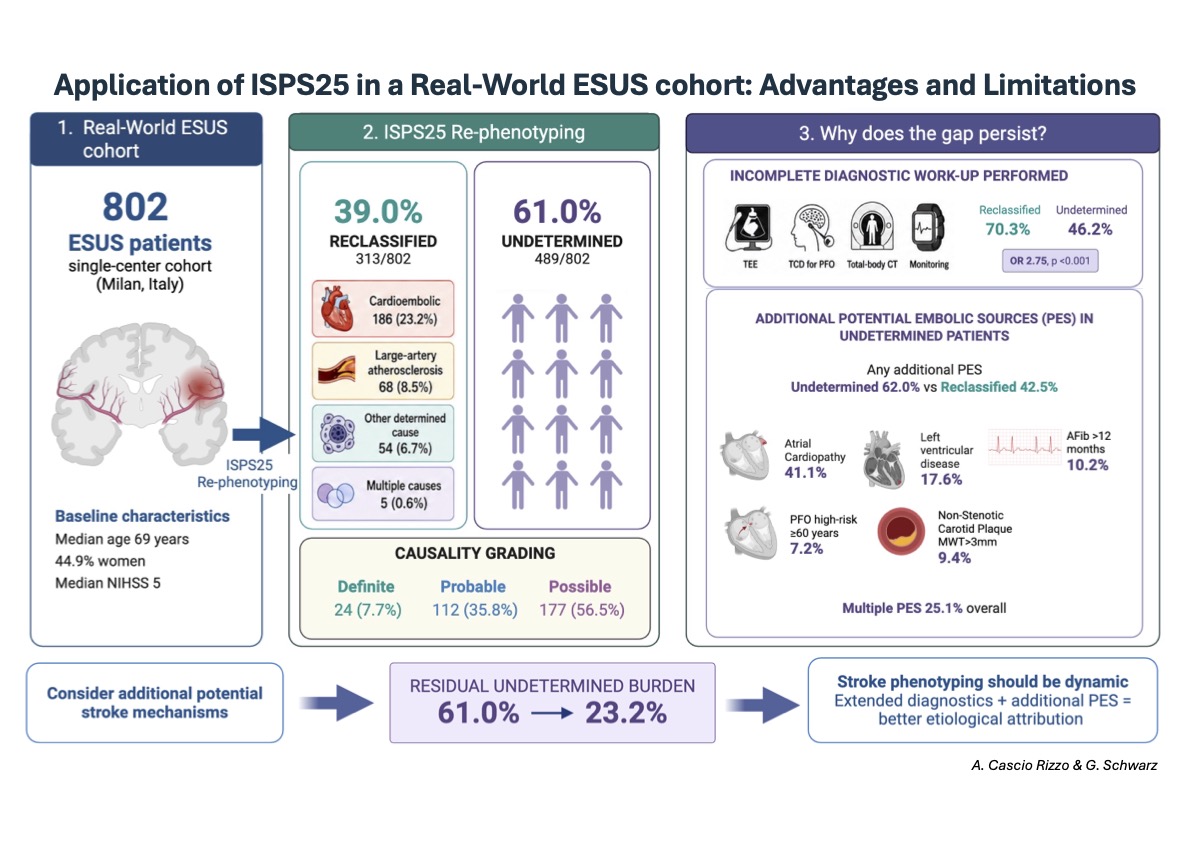
Our new paper in @JAHA_AHA examines ISPS25 in 802 patients with ESUS 🧠
It assigned a pathogenetic category in 39%, but 61% remained undetermined.
Less second-pass testing and additional potential embolic sources help explain the gap.
Full article: https://t.co/l5JbEosnUq
🚨 In our latest paper published in @JAHA_AHA we analyzed 328 acute ischemic strokes 🧠 with newly detected AF 🫀to better understand the clinical characteristics and outcomes associated with the timing 🕑of AF detection
https://t.co/4Dpw6usMXy
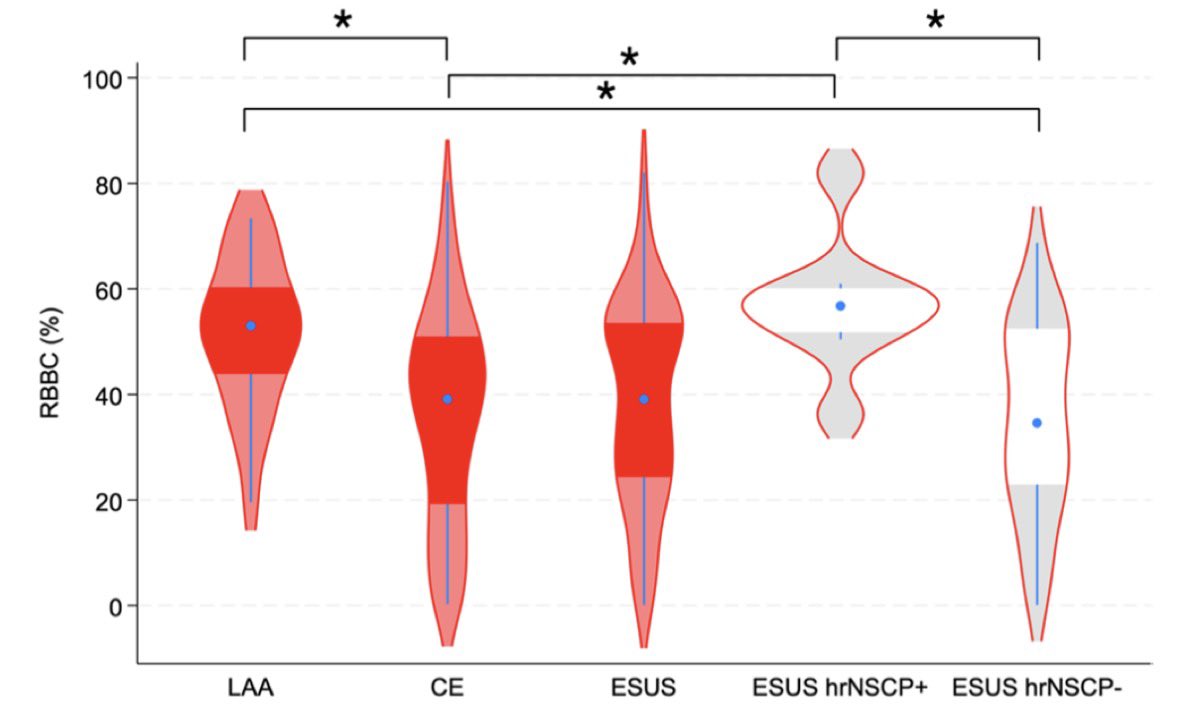
ESUS, as a whole, have no distinct thrombus signature vs CE/LAA.
ESUS with high-risk non-stenotic carotid plaques (Plaque-RADS) are indistinguishable from LAA, the rest from CE.
Exploratory, but supports an artery-to-artery mechanism in hrNSCP+ ESUS.
https://t.co/VisLWPl55h
Contrast-associated AKI matters after EVT. In the CAN-REST collaboration (>6,600 patients), ~5% develop CA-AKI with nearly 50% mortality.
The new CAN-REST score helps early risk identification.
@GreenJournal@NguyenThanhMD@AmeerEHassan@PittStroke
https://t.co/9c1udh4tyZ
🧠 New data on thrombus composition in CVT treated with mechanical thrombectomy🔬
Insights into CVT pathophysiology and need for international research effort.
@ShadiYaghi2@Diana_A_Sousa@NguyenThanhMD@SvenPoli@marcobacig
🔗 https://t.co/YcnL2FbRgE