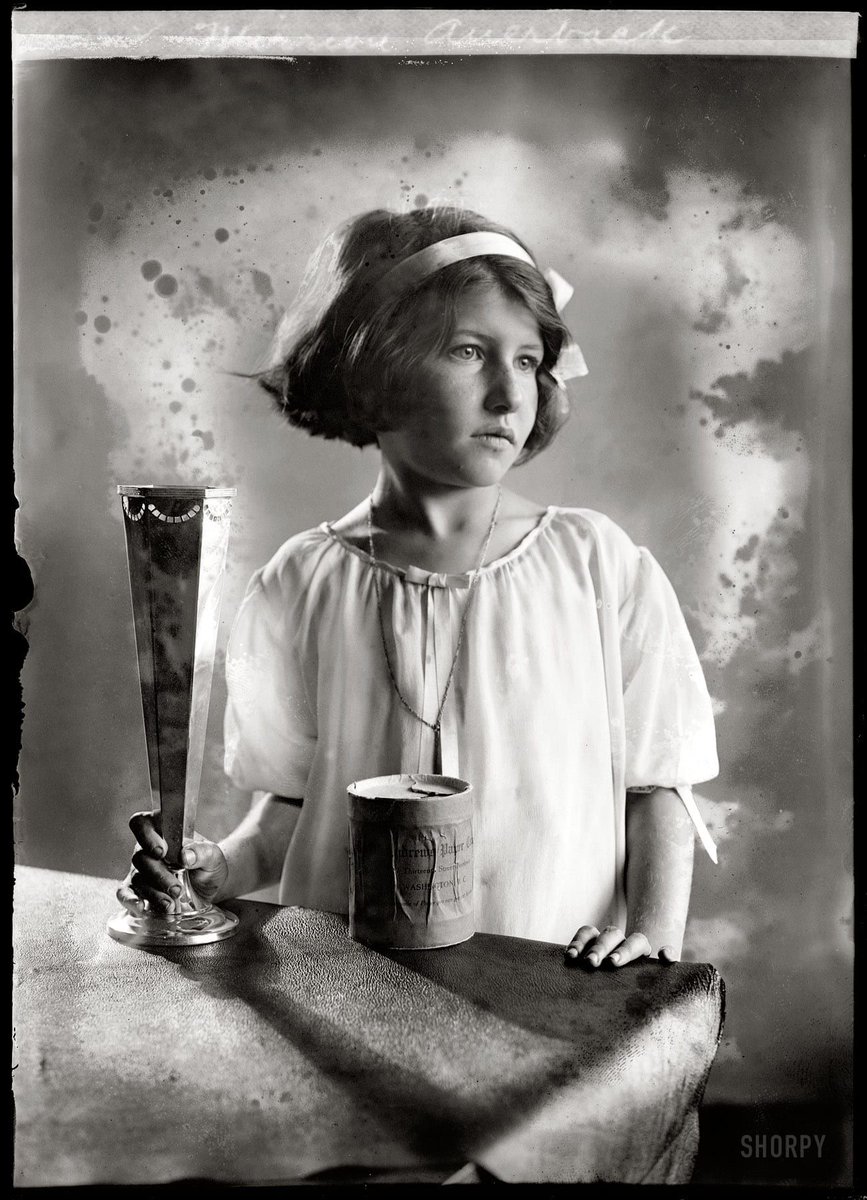
In 1924, a 12-year-old girl in a white frock sat for the National Photo Company in DC. Her name sat under the image for 85 years. Then her son found it on Shorpy and filled in what she became.
https://t.co/lNqfQrJpw6
In March 1791, George Washington rode into Georgetown, checked into Suter's tavern, and in three days talked a group of Maryland farmers into handing over the ground beneath the White House and Capitol. Even the obstinate Mr. Burns came around.
https://t.co/2VTAtVsMQj
In 1927, Marie Rogers sold her Dupont Circle inn. Three years later, she stood on N Street at a trustees' auction and bought it back for $2,000. The deeds tell a story the Tabard doesn't.
https://t.co/AI1ZnUH2J6
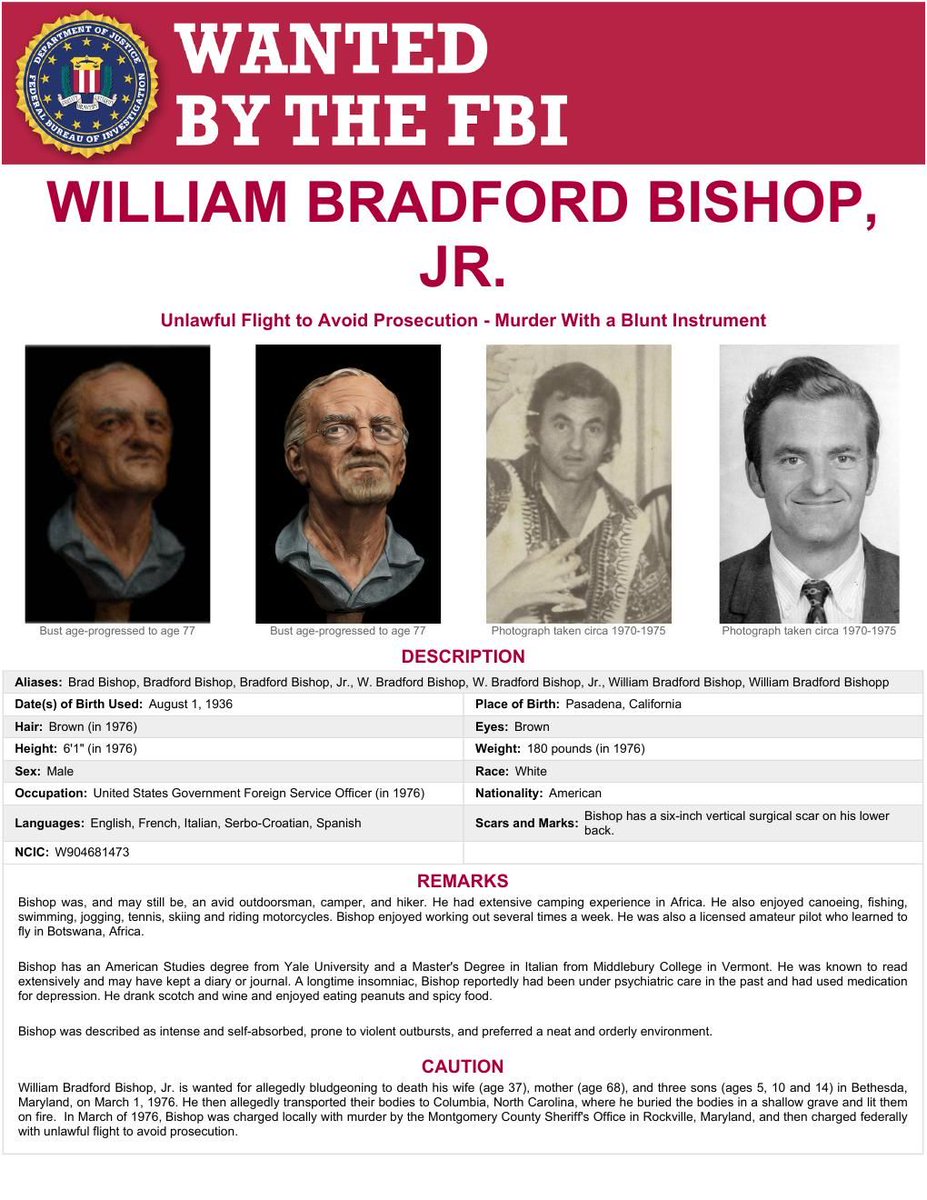
On March 1, 1976, a Foreign Service officer saw a promotion list in a Main State hallway, left work early, and bought a hammer, a shovel and a gas can. By midnight, five people at 8103 Lilly Stone Drive were dead.
https://t.co/crNXtupFZE
Hains Point isn't named for someone who lived there or fought there. It's named for the Army engineer who literally made the land, dredging it out of the Potomac starting in 1882.
https://t.co/NPB1rkzffg
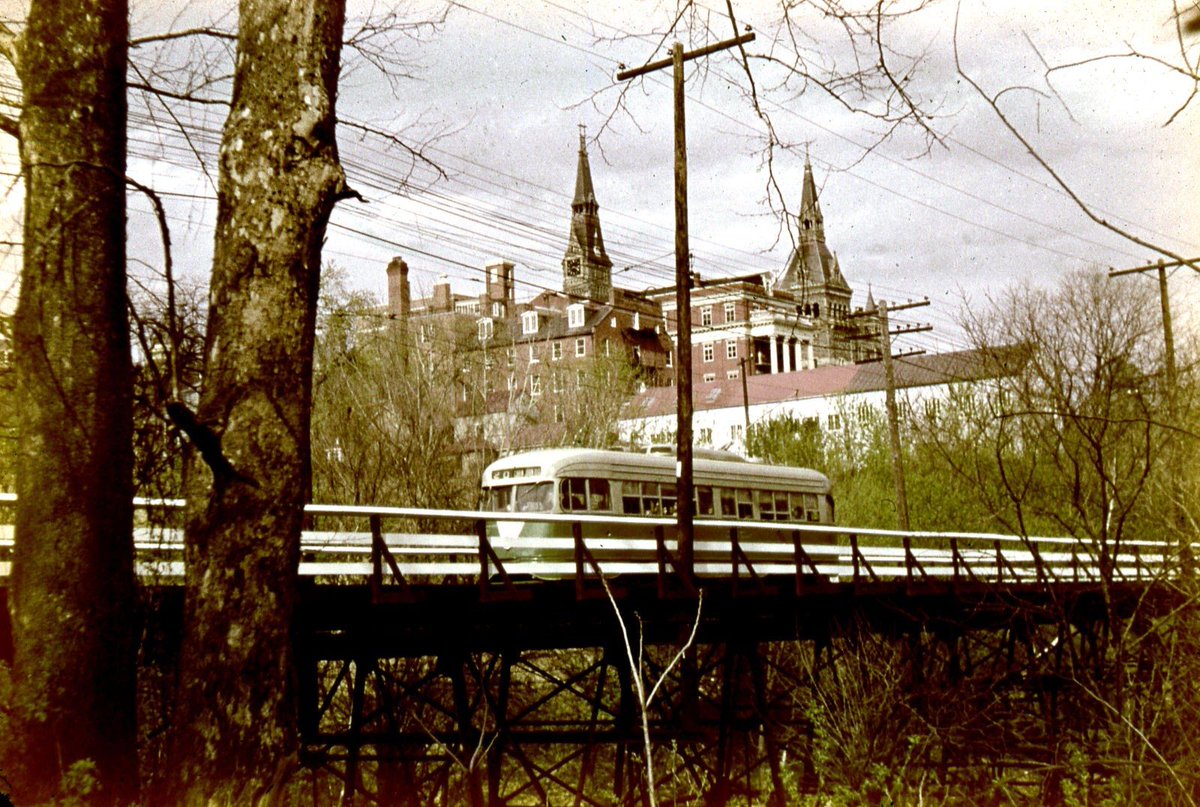
In 1899, a reporter called the ride "too dizzy to count." In 1960, the trolleys stopped. In 2026, the Park Service signed the papers to tear down DC's last streetcar bridge.
https://t.co/ms9oDkVaR7
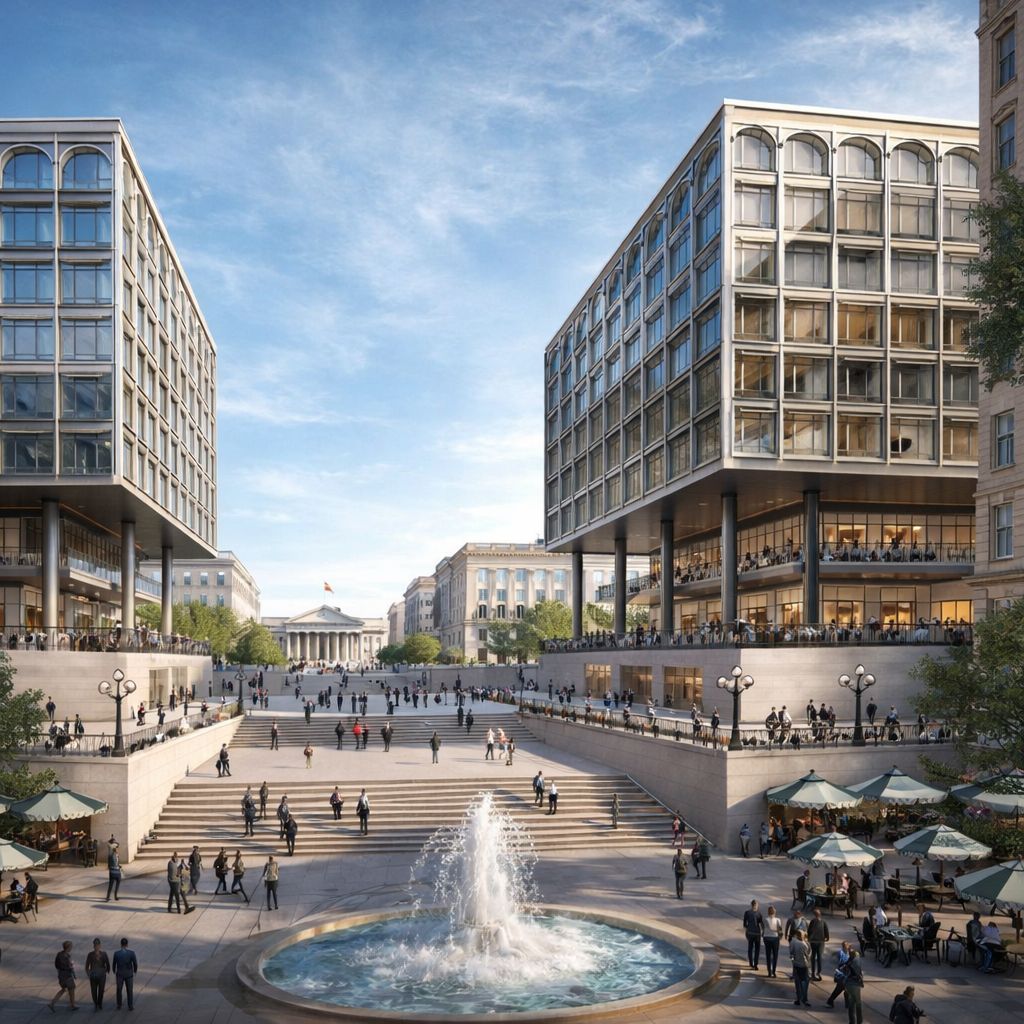
In 1961, JFK rode down Pennsylvania Avenue and called it "a disgrace." The secret plan that followed would have buried E Street, built a 800x900 ft National Square, and given DC its own Place de la Concorde.
https://t.co/6TXNNkV8K1
In 1886, President Grover Cleveland secretly bought a stone farmhouse above Rock Creek to escape the White House. He only owned it three years, but the name stuck to the whole neighborhood. Here's how it happened:
https://t.co/G8kC01G5Er
You've seen the photo: a Black woman, a broom, an American flag. But where did Ella Watson go home at night? We tracked down the narrow rowhouse behind Gordon Parks's American Gothic.
https://t.co/BMEPZb9Xdt
April 2, 1880: a messenger for the AP walked to the gallows in the yard of the DC jail. The rope did its job. Then it kept going. The headline wrote itself, but the real story is who stood beside him.
https://t.co/WY2Sr1AyC6
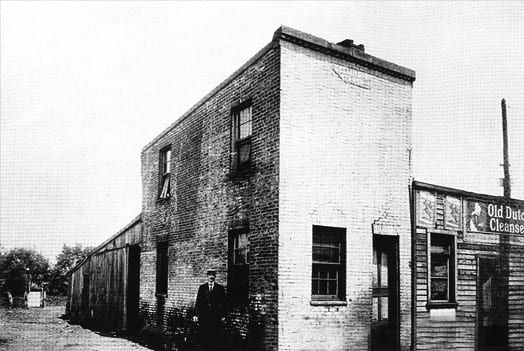
Zoomed into a 1917 photo of E Street NW and found a WWI poster, an opera singer's flyer, and what was then the smallest store in all of Washington. Here's what else was hiding in plain sight:
https://t.co/MFra8SfrS4
Georgetown, 1 a.m. He was supposed to get married that night. Instead, Detective Scrivener was found dead in an alley, a bullet in his heart and a torn necktie clenched in his fist. Murder or suicide?
https://t.co/D7bRFmJtnO
Frank couldn't read or write. Ashby had just four terms of school. Lewis Hine photographed both boys on the night shift at an Alexandria glass factory in the 1910s, and their stories will stop you cold.
https://t.co/1jHlEMOsrR
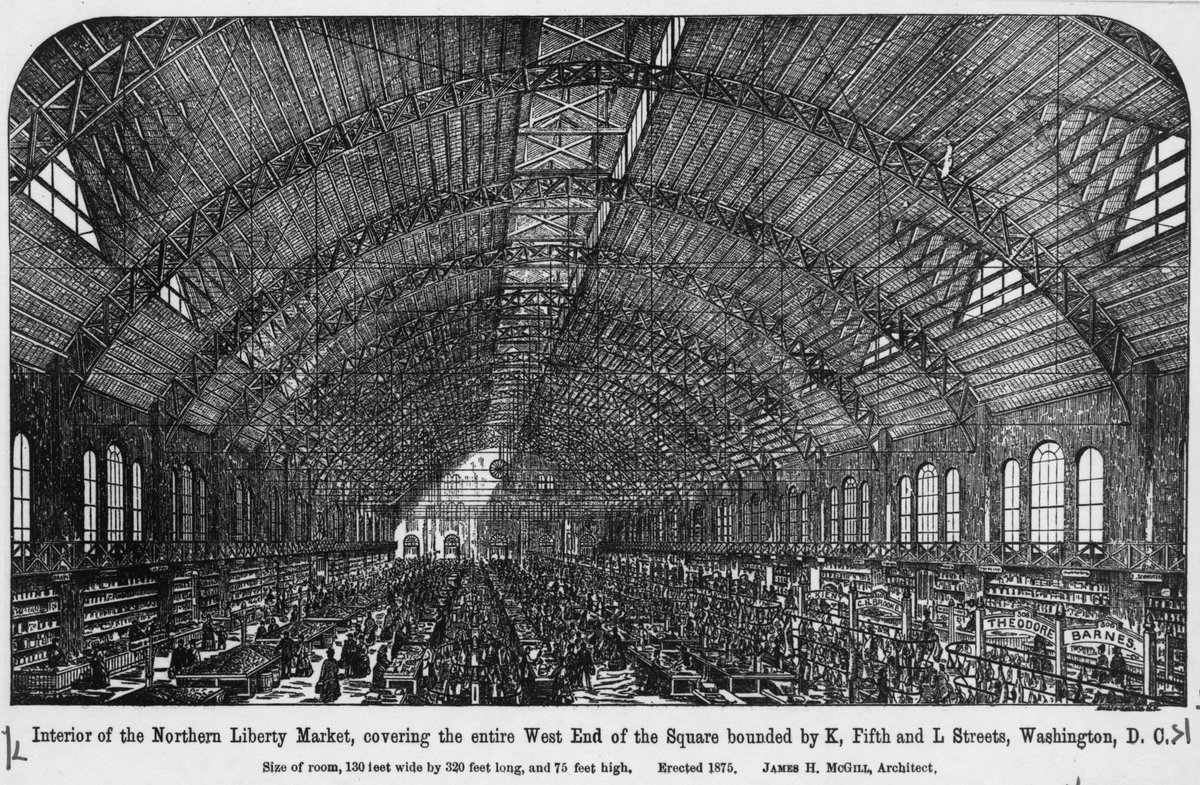
September 1872: 200 laborers show up at dusk to tear down a Washington market before dawn. By the next afternoon, a butcher and a 14-year-old boy were dead. Boss Shepherd signed the order.
https://t.co/KBhjRCopAY
March 1912: Cleveland Park boys in a backyard shack called themselves Robin Hood's merry men, roasting "venison" by lamplight. Then someone knocked over the lamp, and three fire companies came charging down Newark Street.
https://t.co/v8yuZgWpOA
For 130 years, the most ceremonial street in DC had a name that sounded like a highway exit: B Street. The story of how it became Constitution Avenue involves a buried creek, a doomed market, and a congressman who died two days before his bill was signed.
https://t.co/SQms1ETp3S
Just west of Rosslyn was a ravine so notorious that farmers rode through it in armed convoys. They called it Dead Man's Hollow, and the bodies kept turning up.
https://t.co/7Qnoj5FGCy
In 1937, the Washington Post promised Barnaby Woods buyers 'careful architectural and social restrictions.' We went looking for them in the deeds. What we found a few blocks away was spelled out in full.
https://t.co/jhi8GIGtLA
In 1925, a sitting US president walked up 16th Street to lay the cornerstone of a Jewish community center and declared that "Hebraic mortar cemented the foundations of American democracy."
https://t.co/DOQeLynBFR
Before it towered over DC, the National Cathedral was a maze of scaffolding and stone. These vintage photos from the 1920s and 30s show it rising piece by piece.
https://t.co/ATCbjS0iIw