Infostealers don’t care about passwords. They grab active session tokens straight from browser profiles, bypassing MFA. GhostGuard stops this by cryptographically binding every active session to a unique, verified device_id.
🌐 https://t.co/02c3mzszYg
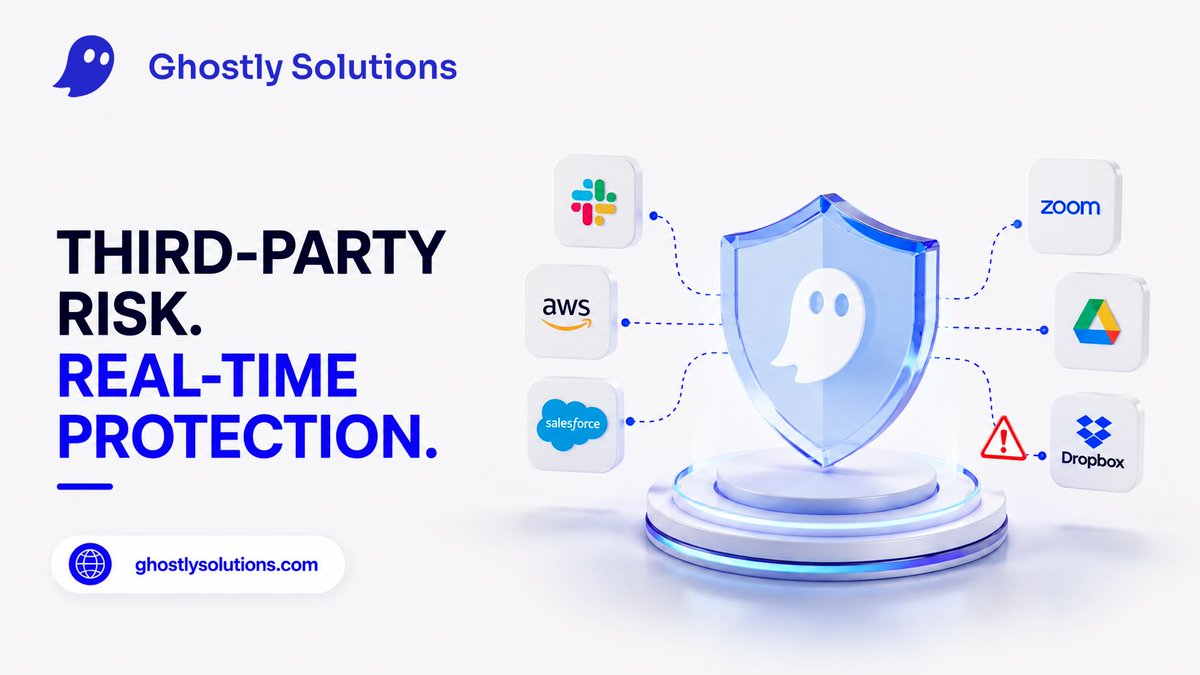
You can lock down your network firewall, but what happens when an external SaaS tool your team uses gets breached? Attackers use that trusted connection to get into your data. GhostGuard monitors these interactions inside active browser tabs.
🌐 https://t.co/02c3mzszYg
If hackers steal session cookies right after login, MFA won't help. Firewalls see the traffic as valid and let them right in. GhostGuard checks the session context locally using edge computing to stop these account takeovers.
🌐 https://t.co/02c3mzszYg
5/
The most effective attacks in 2026
don't need to hack your system.
They just need one employee
to type their password
into the wrong page.
Protect the browser.
That's where it starts and ends.
4/
Notice what didn't work:
→ Firewall? Didn't see it — no malicious traffic
→ Antivirus? Didn't flag it — no malware
→ MFA? Bypassed — real-time credential relay
The attack lived entirely in the browser.
Between the employee and the fake page.
6/
Your firewall blocks "Iran traffic."
That catches 14% of the threat.
The other 86% is already inside.
The browser is the most attacked surface in business.
Most companies don't protect it.
5/
6 days to partial recovery.
12+ days — systems still being restored.
The entry point wasn't the firewall.
Researchers say: phishing.
One employee. One link. One credential.
Your security stack blocks "Iran traffic."
That catches 14% of the threat.
The other 86% uses Russian and Chinese
proxy infrastructure.
It's already inside.