Dozens of woodland bird species are threatened, and we still don't know what works best to bring them back https://t.co/iqzmLnvxhS via @ConversationEDU
We still don't know what works best for managing our birds.
In the meantime, avoiding damage and loss of habitat in the first place is the most important thing we can do @martine_maron
https://t.co/nayOhM6as4 via @ConversationEDU
Breaking my Twitter silence to share my first PhD publication quantifying nomadism in Australia’s arid bird community - only took 5+ years! https://t.co/YeCEOX0HbN
Thanks to coauthors @Claire_Runge Prof Rich Fuller @UQ_CBCS @PS_Applied_Ecol@SWillis_Durham@CEGDurham and vollies
Nearly 10,000 years ago humans started transitioning from hunting and gathering to agricultural food production on land. Today, could we be on a path towards another paradigm shift from hunting wild fish to mostly fish farming? https://t.co/y9P4uZsyJD
Nearly 10,000 years ago humans started transitioning from hunting and gathering to agricultural food production on land. Today, could we be on a path towards another paradigm shift from hunting wild fish to mostly fish farming? https://t.co/y9P4uZsyJD
@teamswiftparrot explains why cumulative threats must be dealt with simultaneously to improve trajectory of migratory species populations like the Orange-bellied Parrot
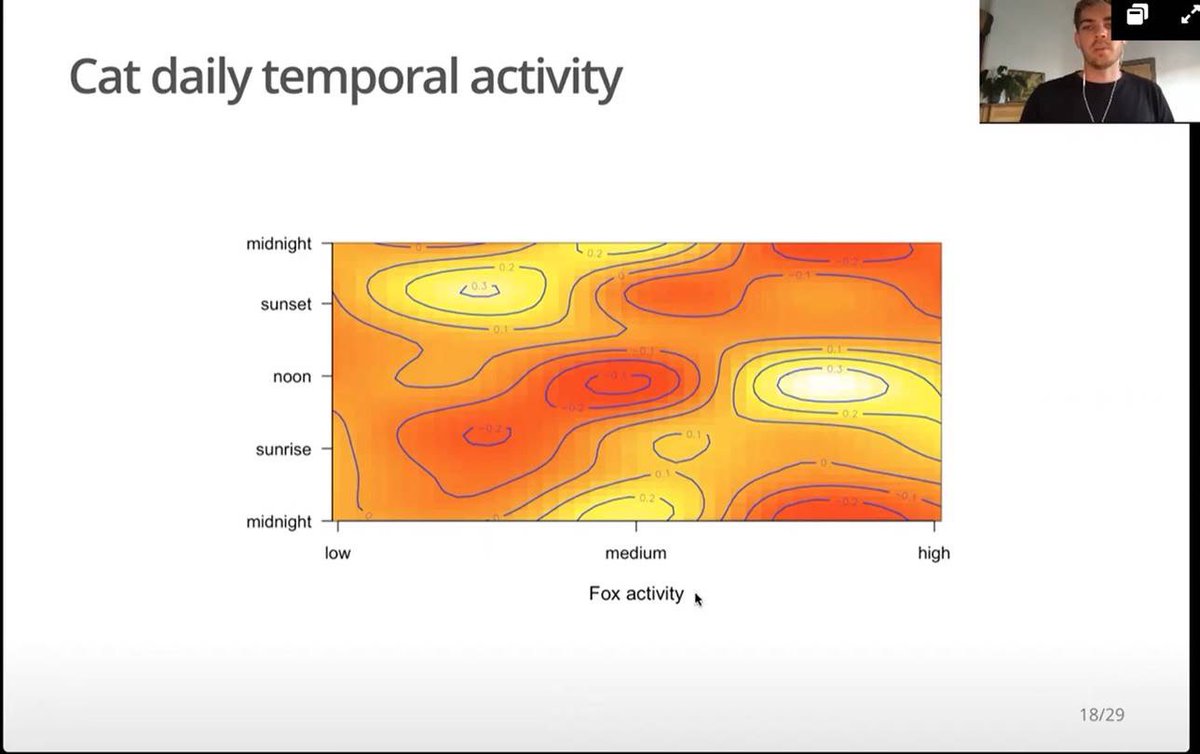
Evidence that foxes suppress feral cats! Fab study by @matt_w_rees on feral cat densities in temperate forests of Victoria. Cats hunt during the day to avoid foxes out at night. What great information for management #ESAus20
Amazing work by @eyre_teresa Little Red Flying-foxes are hard to understand, there are so many plant species they can forage on, all of which are variable in their nectar availability. How is environmental change affecting them? #ESAus20
Interesting talk by Belinda Pellow which shows that native plant species are positively influenced by burning and grazing exclusion, and negatively effected by broadscale weed control and ripping. Higher rainfall results in higher species richness #ESAus20
So appreciative to have attended a live conference talk! Thanks to @april_reside and Kate Donnelly for organising, and @DianaF1080 for the fascinating (and grotesque) content
Fascinating plenary by @DianaF1080
Australia has the most quirky male semelparous species in the world. Eg one-shot genitalia, suicidal mating #ESAus20
Fantastic systematic synthesis by @jessicawalsh1 of a bunch of papers on conservation actions for Australian woodland birds #ESAus2020. Mixed results on thinning and exclusion grazing. But not for woody debris!
Great talk on the effects of grazing exclusion and replanting on woodland birds. Grazing exclusion needs to be combined with replanting to see increases in bird communities, and community condition is a more effective metric than sp richness #ESAus20@GibberGrl
Super proud of PhD student Ruadhan Magee whose first paper is #JPetrology Editor’s Choice!! 🤗
Free download:
https://t.co/VlU8asDedh
Cryptic recharge led to the most destructive #eruption at #Etna 🌋 in 1669 - unveiled by trace element #pyroxene zoning!!
@UQ_sees #UQmagmateam
Brilliant work @Fe_biologia for inventing the #fernandispenser to save #40spots and the bonus of an @firstdogonmoon avatar 👏👏👏 Science is saving the forty-spotted pardalote – nature’s ridiculous tiny idiot | Birds | The Guardian https://t.co/U0HAP5ZHr0
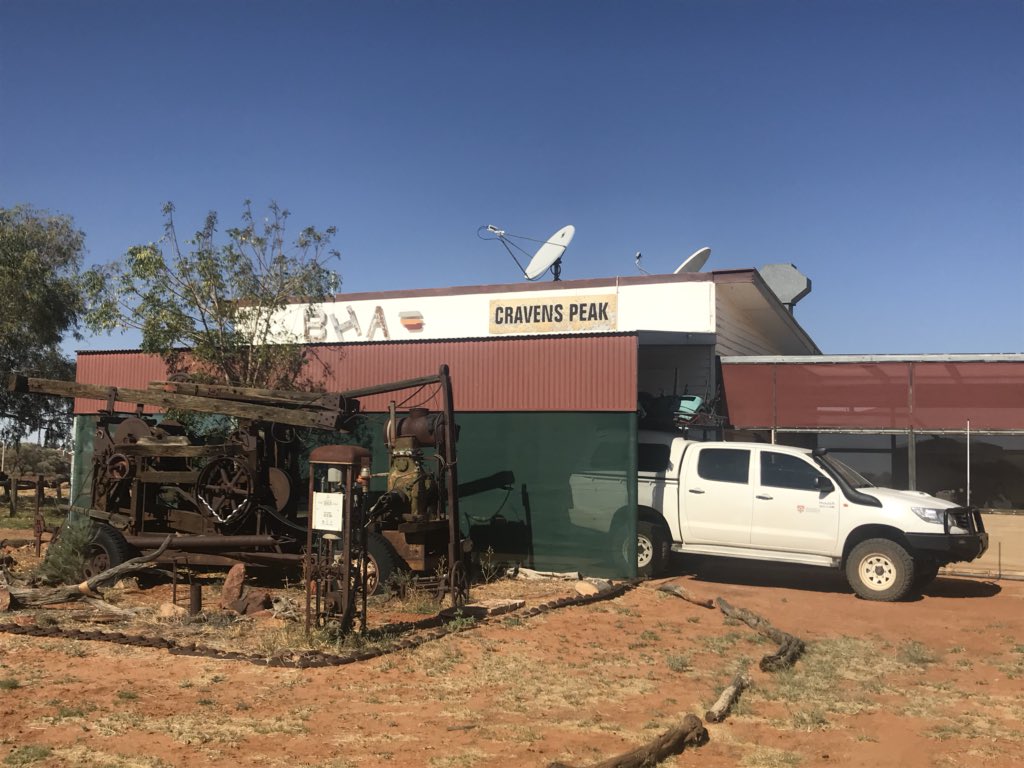
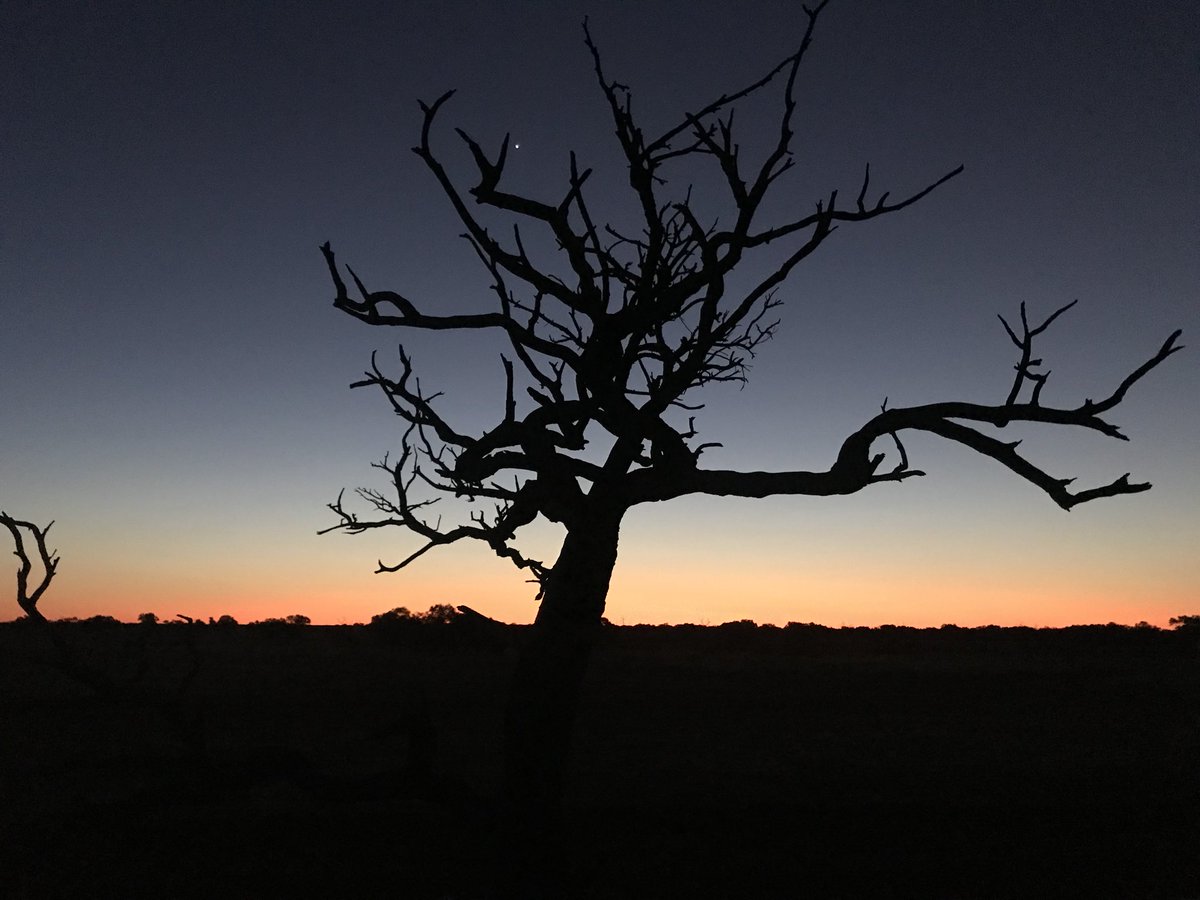
Just another amazing sunset at @BushHeritageAus Cravens Peak Reserve with @neophema1 & @GibberGrl- studying birds in arid woodlands is pretty awesome
Another wonderful outcome of working with a fantastic team including @BirdlifeOz@TSR_Hub@TERN_Aus: this great @nature editorial summarizing our perspective on how publishing biodiversity data offer some risks but lots of benefits for conservation https://t.co/BThAwWg35k
#Open data offer risks and rewards for #conservation. Now scientists have a new tool to help them judge how widely wildlife data should be shared. https://t.co/lIHo2pLYZ9 @nature@ayeshatulloch