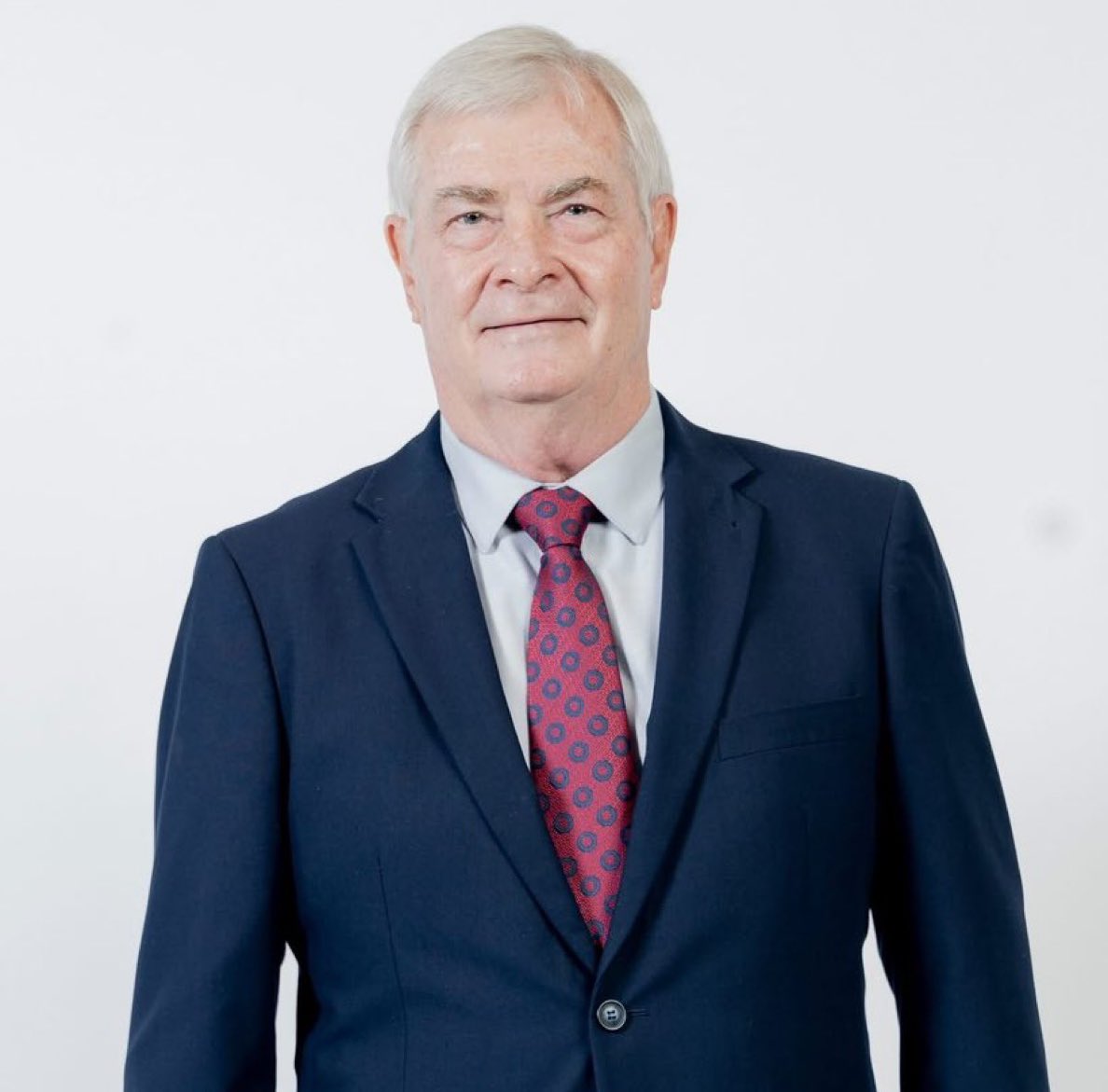
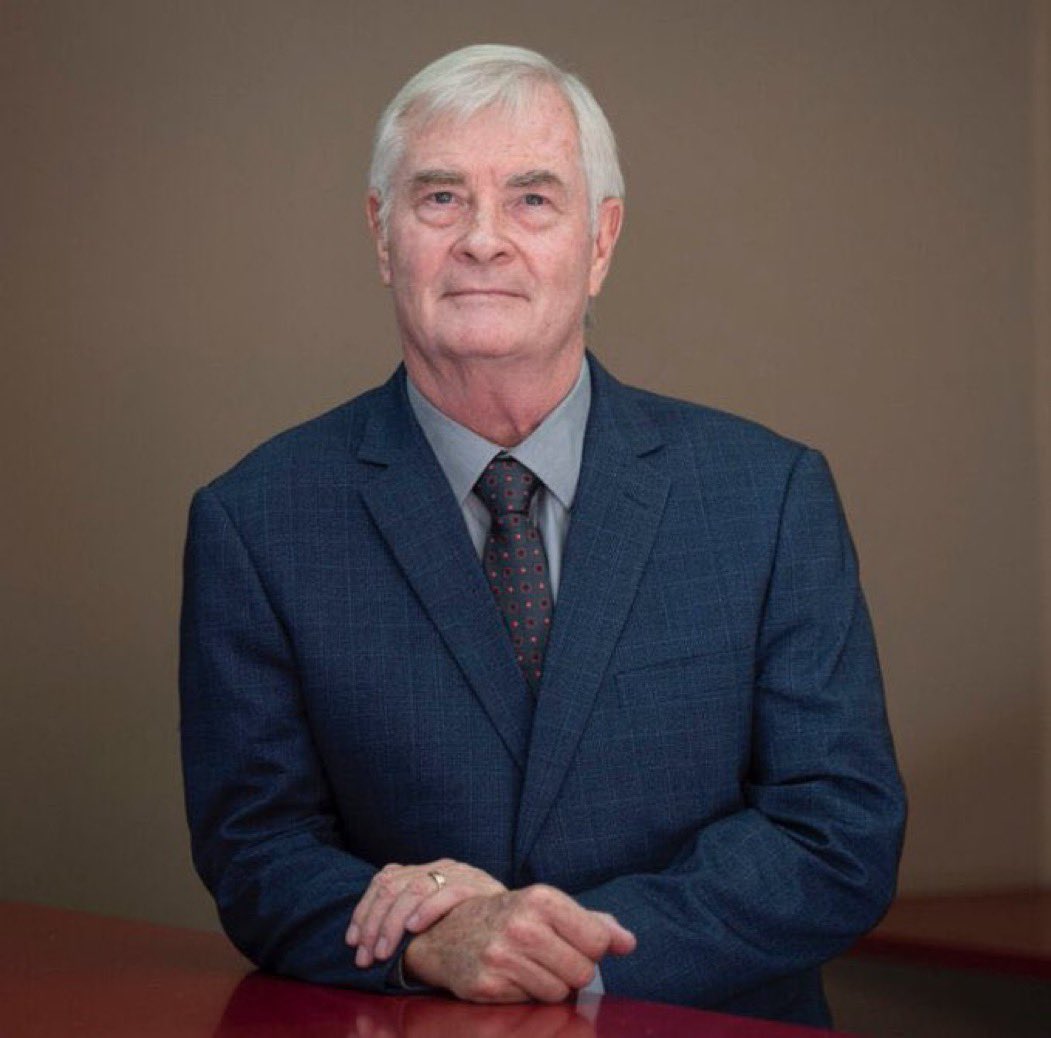
A full bundle of court papers linked to the summons of Major-General Feroz Khan has been released, revealing close ties and dealings with tobacco businessman Mohammad Sayed and others.
Key allegations in the documents include:
• Claims that Khan and Sayed discussed active police investigations and a proposed SAPS-branded face mask tender during the COVID-19 pandemic.
• Chats showing Khan asking Sayed to urgently provide mask samples and pricing ahead of a meeting with someone who could “make it happen”.
• Screenshots of conversations between Julius Malema and Sayed relating to questions prepared for Cele regarding his alleged relationship with convicted drug lord Timmy Marimuthu.
• WhatsApp messages showing questions later sent to then Police Minister Bheki Cele by former EFF MP Mbuyiseni Ndlozi were first drafted by Khan before being turned into a parliamentary-style letter.
• Allegations that Sayed funded former Ekurhuleni city manager Imogen Mashazi’s R3.35 million private jet trip to London, with assistance from Khan.
•The papers also contain WhatsApp exchanges in which Sayed and Khan made threatening and hostile remarks about anti-crime activist and broadcaster Yusuf Abramjee following his reporting on the illicit tobacco trade.
The disclosures are expected to intensify scrutiny around political influence, interference in policing matters, illicit tobacco networks, and links between senior SAPS officials, politicians and business figures.
Khan is expected to appear before the Madlanga Commission on 1 July 2026.
We unpack at 7am on @eNCA@eNCA@Abramjee
South Africa’s Minister of Correctional Services is Pieter Groenewald. During apartheid, he was aligned with hardline Afrikaner nationalist politics & opposed reforms aimed at easing racial segregation. Pieter Groenewald was a member of the Conservative Party, which broke away from the National Party because it believed leaders like PW Botha were weakening apartheid through limited reforms. Groenewald openly rejected power sharing, opposed the repeal of apartheid laws, and supported maintaining white minority rule, arguing that any concessions to Black South Africans threatened Afrikaner self determination.
@0perationDudula 2025 is our 1990, turning point in our history. 2029 is our 1994 the deciding point but this time a solid turn. We have to be the last generation to fight endless battles, the next generation should atleast enjoy their country with not interruptions