@MasonAOES Prof's @JimKinter1 & @Lortizuriarte are co-PIs on $6 million NSF grant that will translate research into practice to help local communities become climate-resilient https://t.co/ny5XGKDxfc @GMU_COS@GeorgeMasonU
We’re happy to announce that we have signed a Memorandum of Understanding between @GeorgeMasonU and Noel Kempff Museum in Santa Cruz, Bolivia! This agreement establish the foundation of a future collaborative work between the institutions. Looking forward to visit Bolivia soon!
Join us at #AGU2023 as our Master’s student, Abel Aragon, unveils captivating findings from his project—a remarkable carbon excursion documented at the TICE event in the Wiliston Basin. Visit booth 1211 to explore more of his research and discuss the correlations!
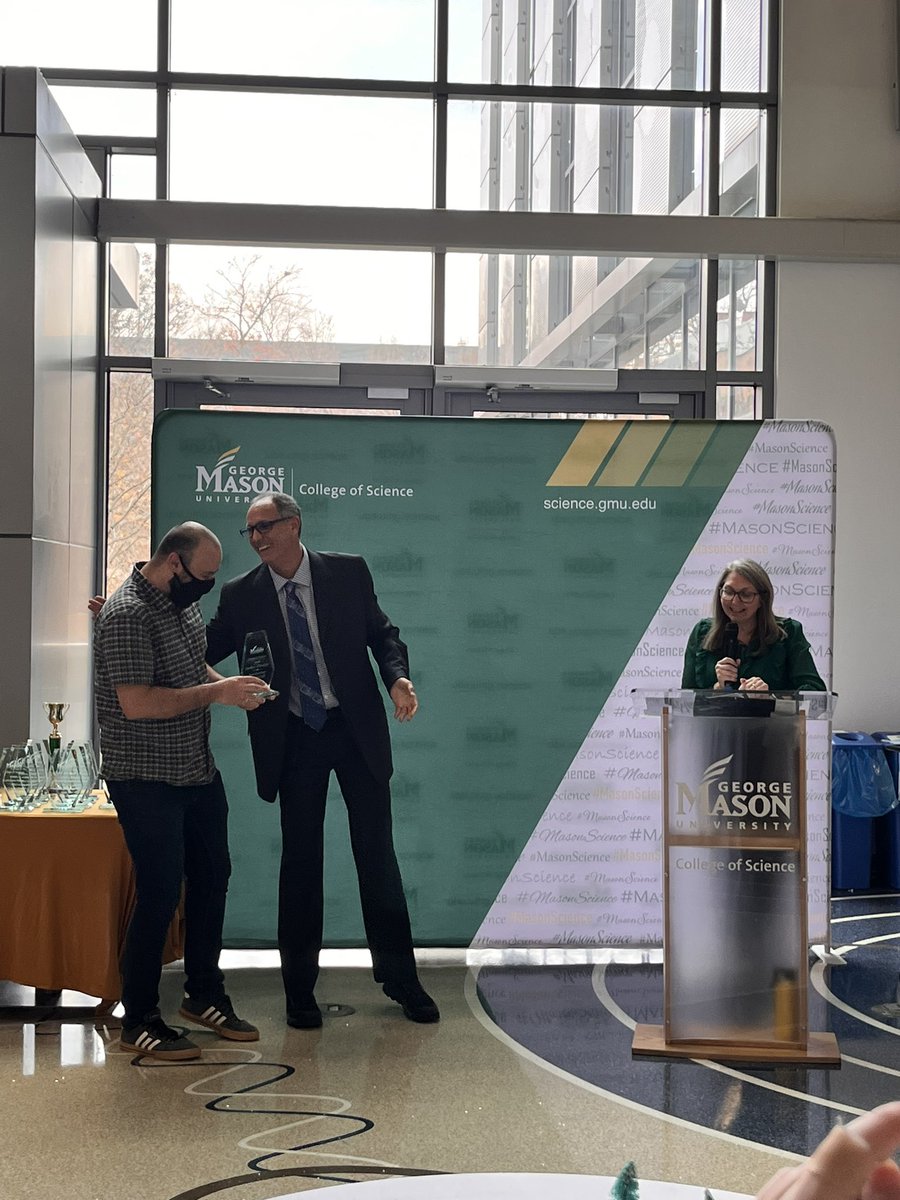
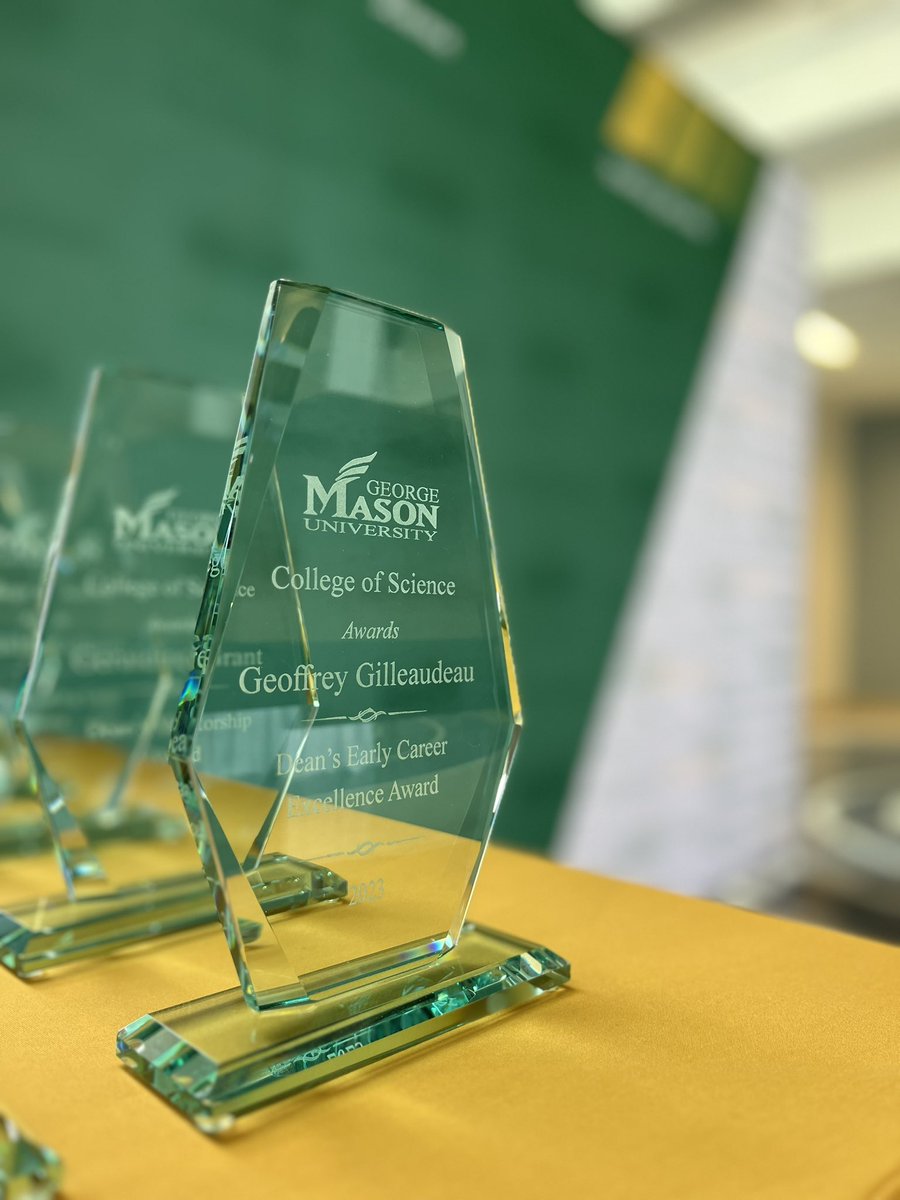
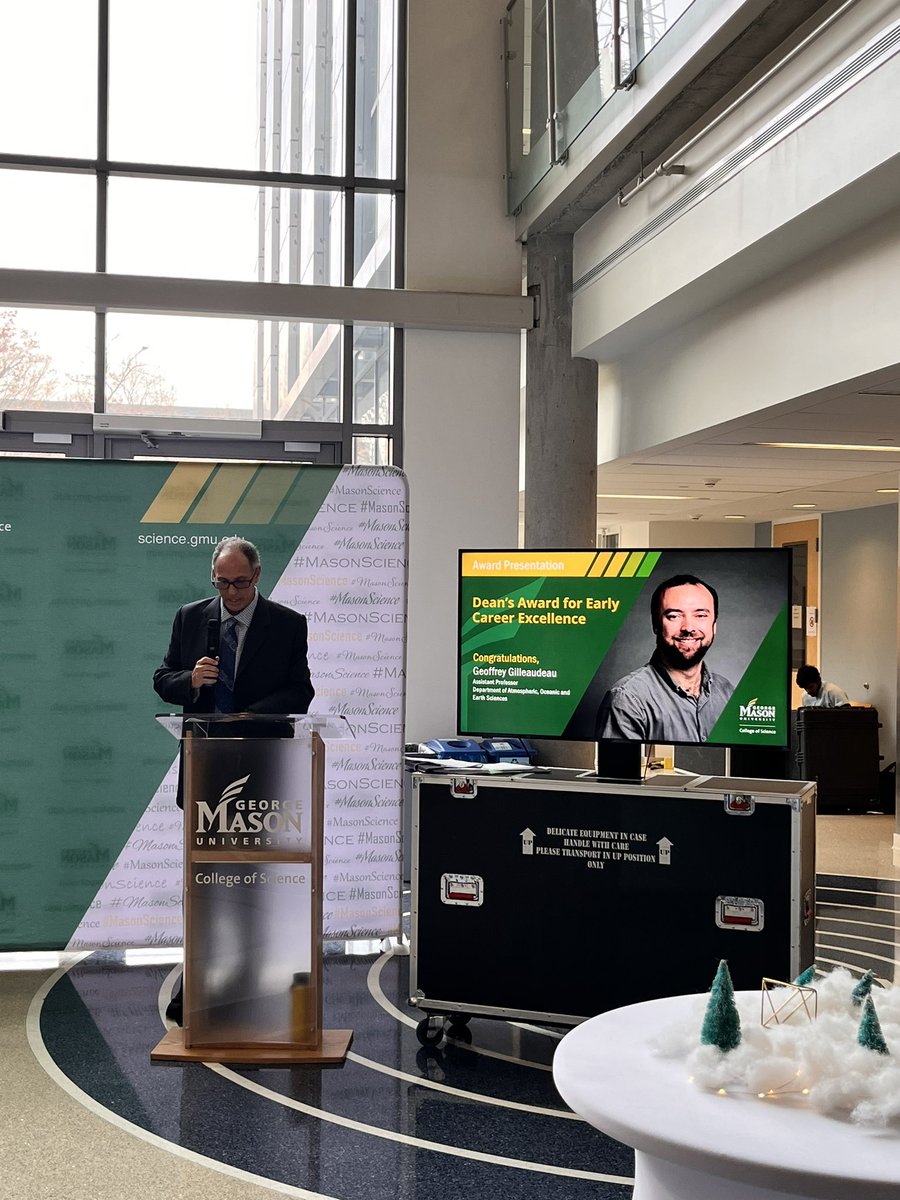
Thrilled to share some fantastic news from the lab! 🎉 Geoff has been honored with the Dean’s Award for Early Career Excellence by @GMU_COS. 🏆 A testament to his remarkable contributions in teaching, research, and commitment to AJEDI principles. 👨🏫🔬 Well-deserved recognition!
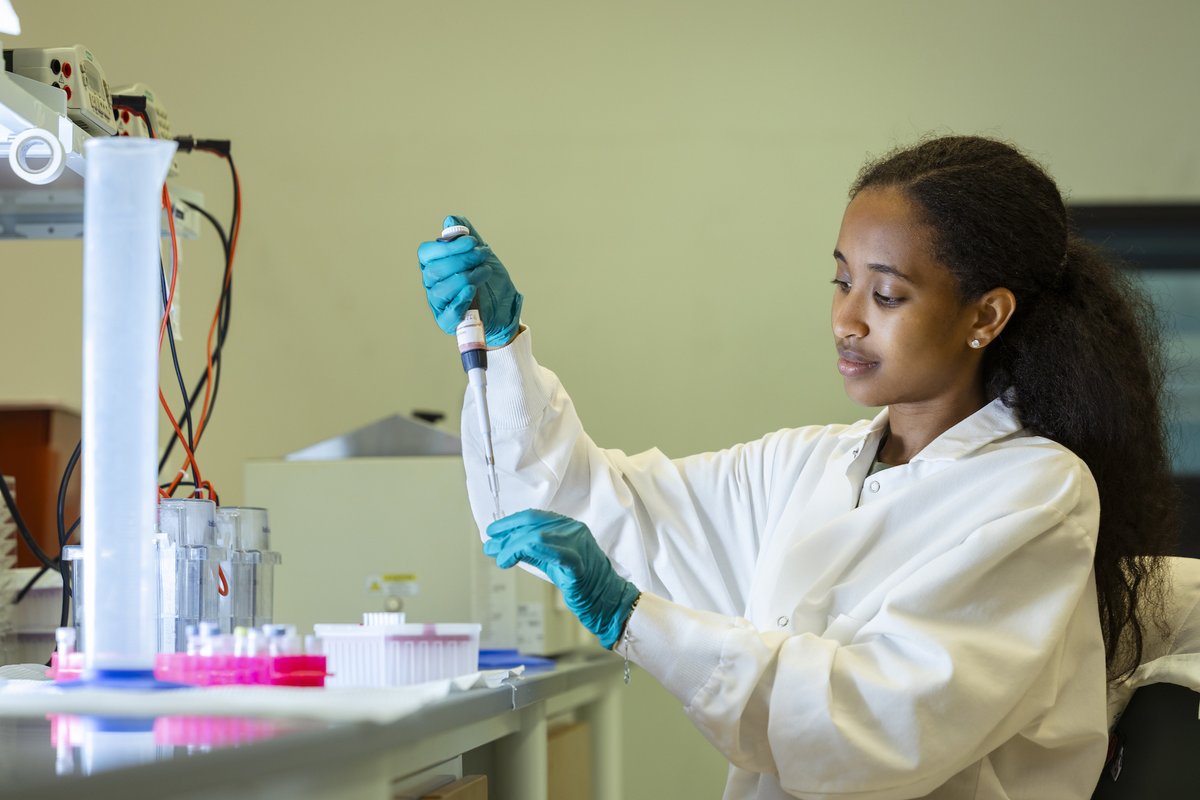
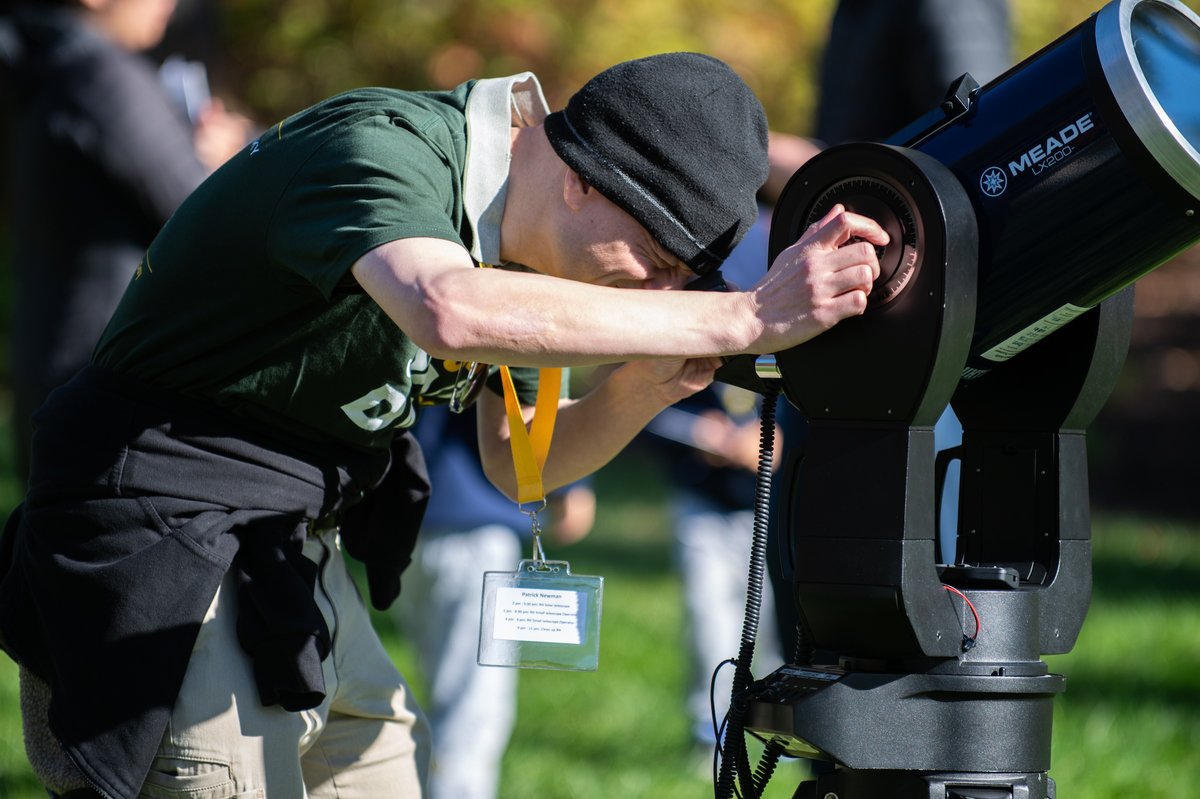
Happy #NationalSTEMDay! Here at #MasonScience, we fuel @georgemasonu's spirit for innovation. We blend traditional science education with sought-after programs to prepare students for exciting careers in interdisciplinary scientific domains.
Learn more: https://t.co/3EHyuGTUgG
, anoxic events, and their connections to key biotic crises of the Late Devonian, impacting the marine biosphere. This research provides an interesting framework for understanding our planet's ancient epeiric seas, utilizing geochemical signals to decipher their complex history.
🚨 Exciting news! @MarianoRemirez’s latest paper on the Late Devonian Illinois Basin is out. By examining mudrocks and correlating data from multiple basins, we've developed a framework to understand sea-level changes and their link to biotic crises🌊 🐚
https://t.co/66tRIjC0Fl
What's truly remarkable is how we've extended our findings to correlate signals observed in the Illinois Basin across various North American Seaway basins, including the Appalachian, Michigan, Permian, and Anadarko basins. This integrated approach sheds light on sea-level changes
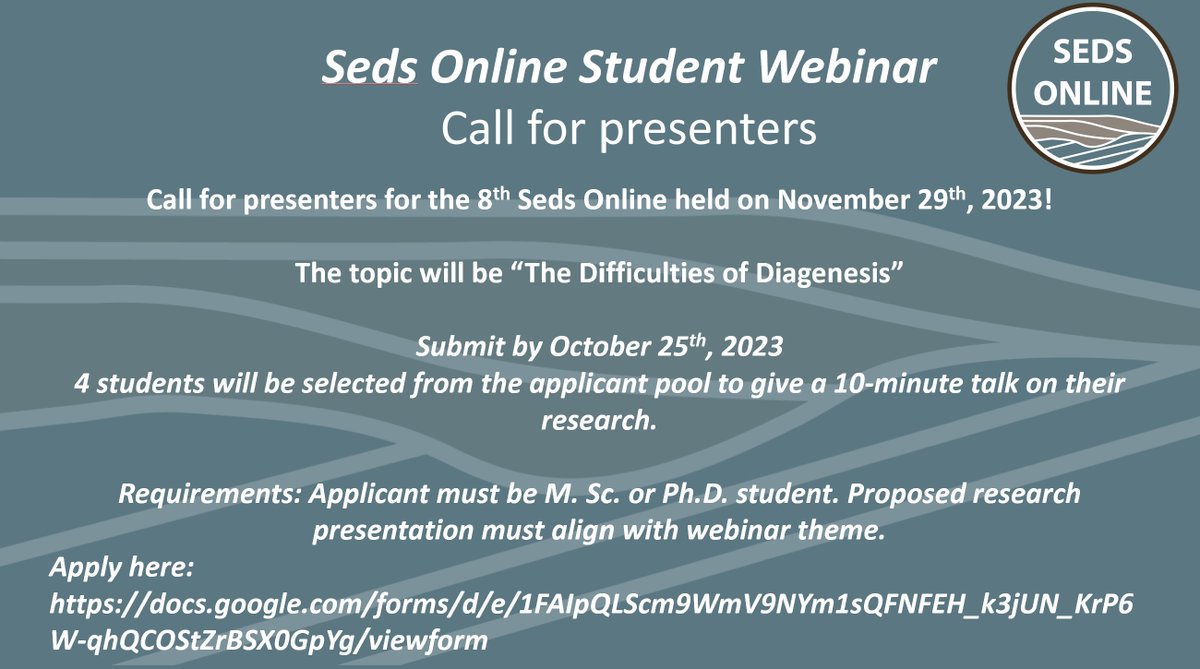
Dear MSc and PhD Sedimentology Students,
We encourage you to submit a short proposal for the 8th #Seds_Online Student Webinar that is held on 29th November. The upcoming webinar theme is 'The Difficulties of Diagenesis':
https://t.co/wes8wog0Vq
PAPER ALERT 🚨: A new study from our group on the Late Devonian Cleveland Shale reveals remarkable salinity gradients and oxygen changes along the Appalachian Basin, shedding light on how epeiric seas differed in several properties from the open ocean🌊🌍
https://t.co/knMytcpbv8
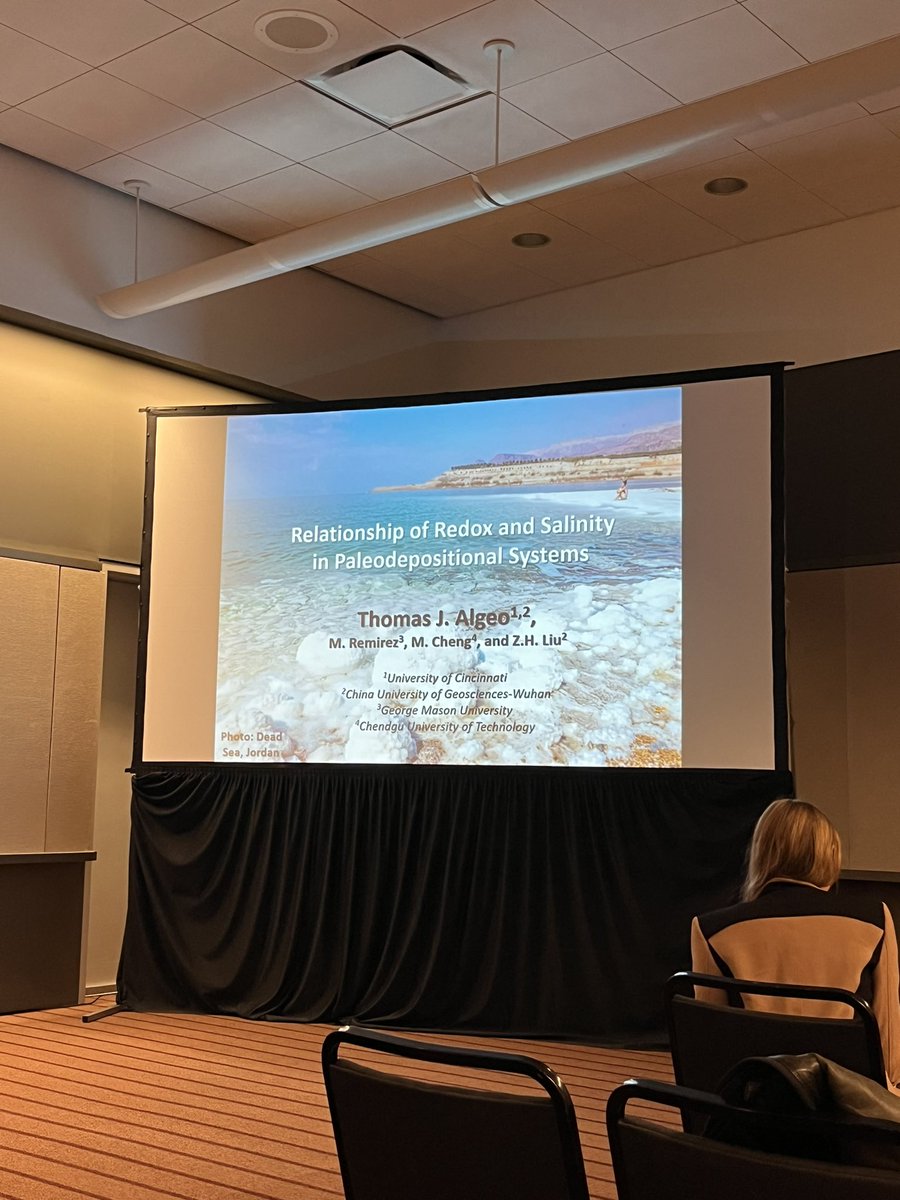
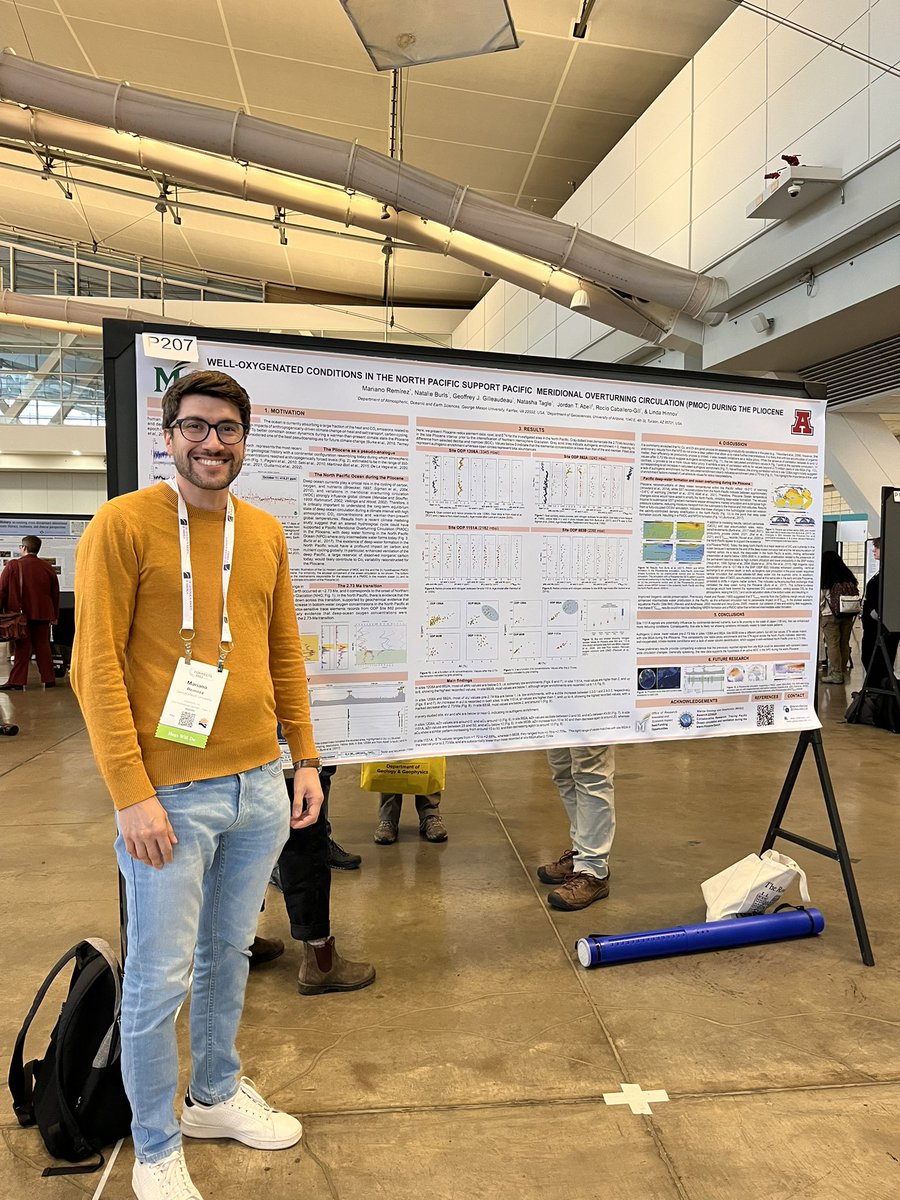
@MarianoRemirez also presented today his preliminary findings on a recent project that aims to reconstruct the circulation in the North Pacific Ocean during the Pliocene. A lot of great discussions there! #GSA2023
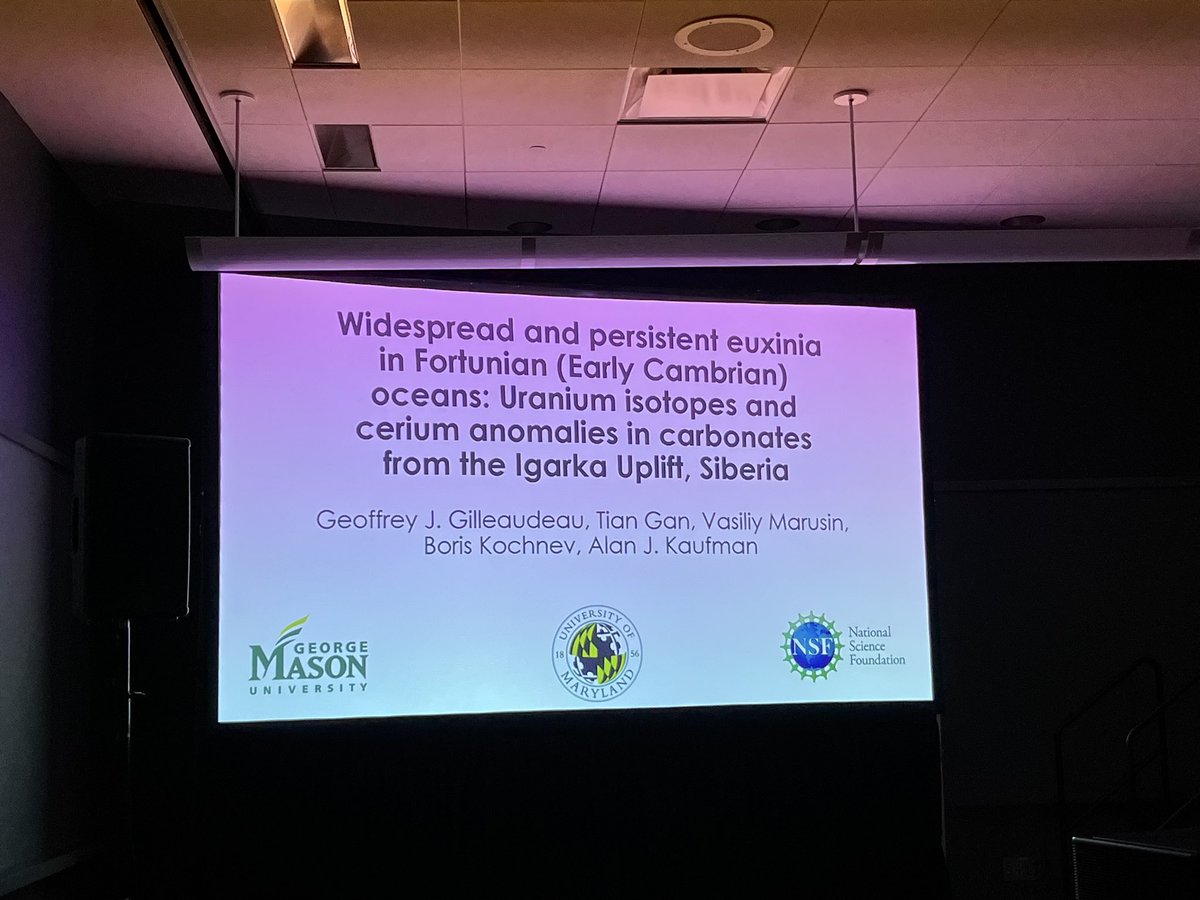
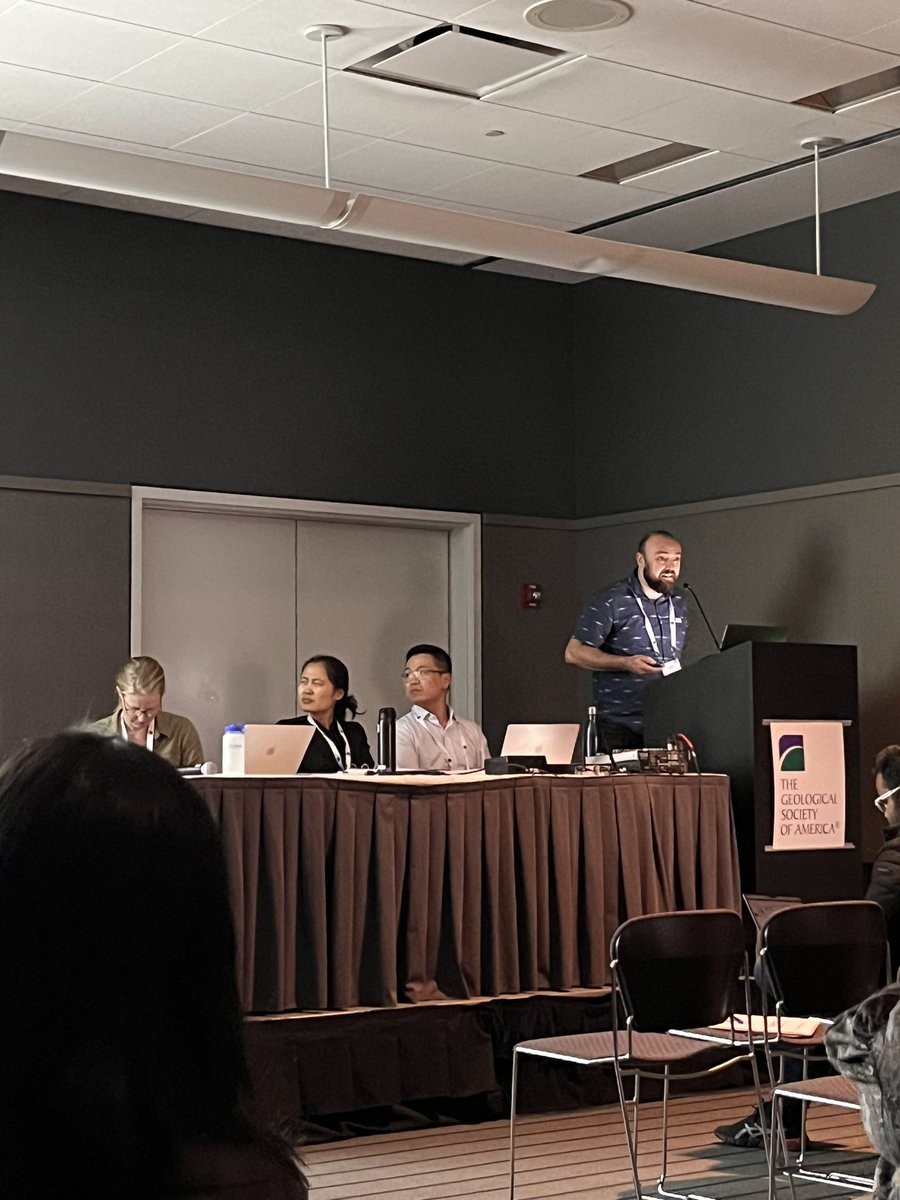
🔬 Exciting update from Geoff on the Ediacarian-Cambrian transition in Siberia! 🌍 New U-isotope evidence reveals widespread euxinic conditions during the Fortunian. 🌊 Implications on life evolution are huge! 🧐 Stay tuned for the upcoming paper! #GSA2023