This image shows a decellularized heart, stripped of all native cells, leaving behind an intact vascular system and a scaffold that has been infused with stem cells.
One of the greatest limitations to organ transplantation derives from organ rejection caused by antibodies of the transplant recipient reacting to donor antigens on cell surfaces within the donor organ.
By recellularizing an decellularized organ with a patient’s own cells, the adverse immune response is eliminated.
[📸 mdhealthtips ]
As it's Friday, I'm asking all my followers to please retweet this photo to help my little bird account to beat the algorithm and be seen!🙏
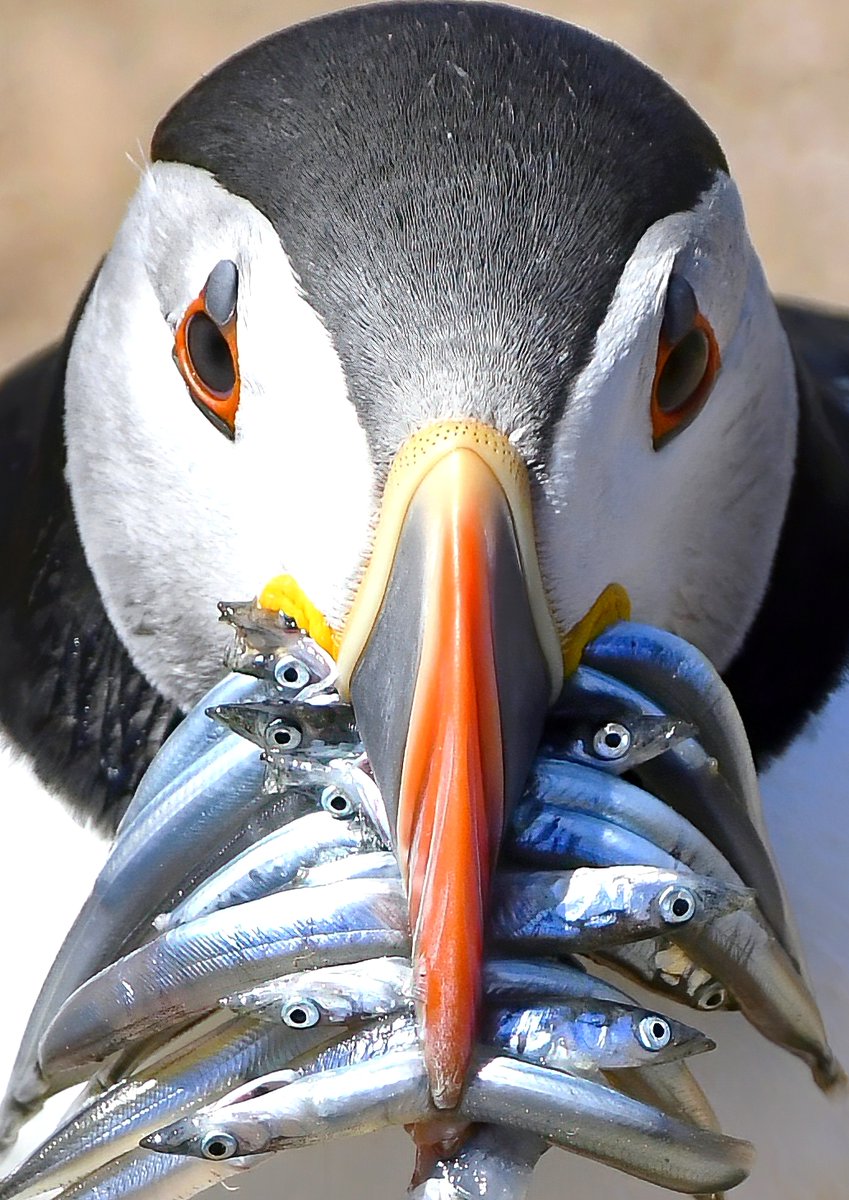
To make it worth sharing, here's a Puffin with a beakful! 😀
Thank you so much! 🙏♥️😊🐦
#FridayRetweetPlease
This man, John Reid lost his 16-yr old son in a car crash. He decided to donate his organs, including his heart.
The recipient sent him the surprise gift of a teddy bear with a recording of his son's heartbeat.
This is the moment he heard it.
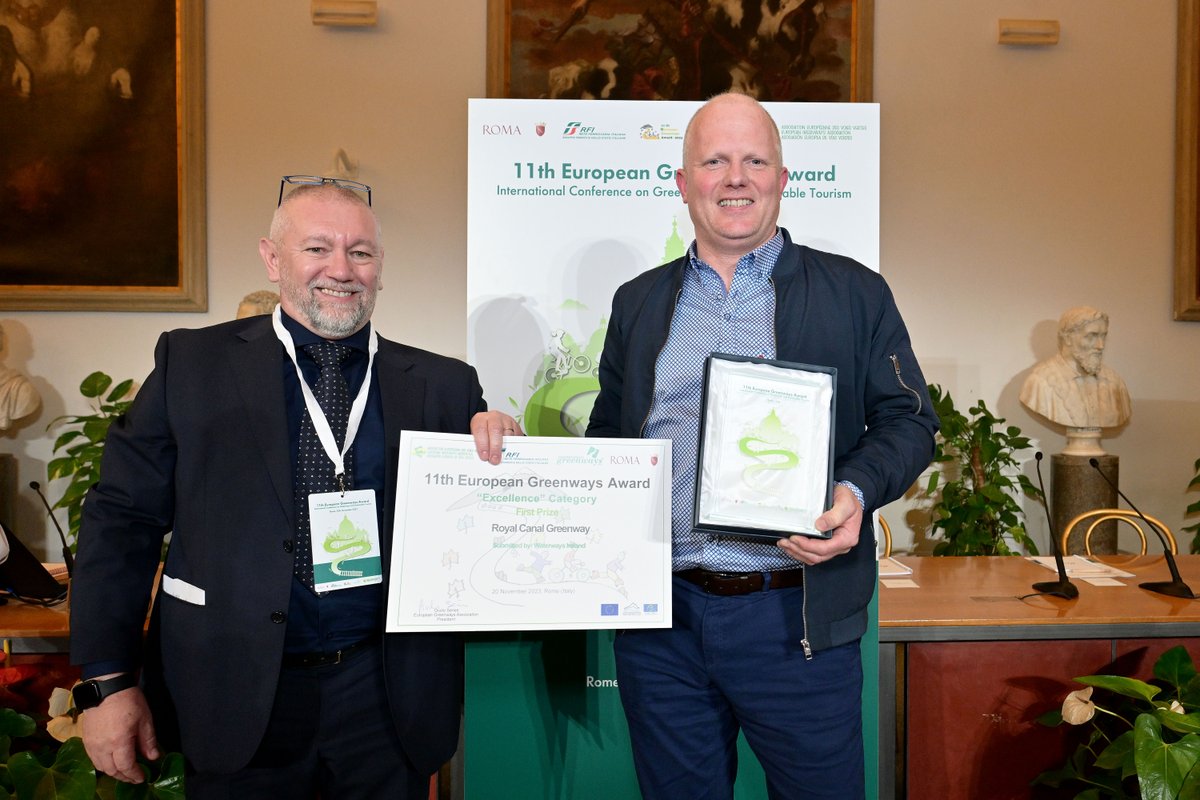
The @royal_canal greenway wins 🥇1st place at the @GreenwaysEurope Awards held in Rome on 20th Nov! The judges commended the ambitious project of transforming 130 km historical canal into a greenway, highlighting its high heritage value, quality, and strong stakeholder support.
It’s winter. The buzzing has stopped - mostly.
So what’s happened to all the #bees?
You’ve been asking…so a quick thread to broadly account for our little friends at this time of year.
Please #retweet and #share.
You know the drill.
The more informed the better for bees. 1/12
If you see any garlic floating your way it’s probably mine
Crop for 2024 let’s just say is well watered
Now going to pour a big glass of wine and think happy thoughts
If you see our garlic on shelf please buy it now,
Retweets very much appreciated
How a variety of animals react to a human voice
When confronted with recordings of human voices, 19 species fled instantly, the sound of humans triggered stronger flight responses than lions
Professor Liana Zanette was the study’s lead author
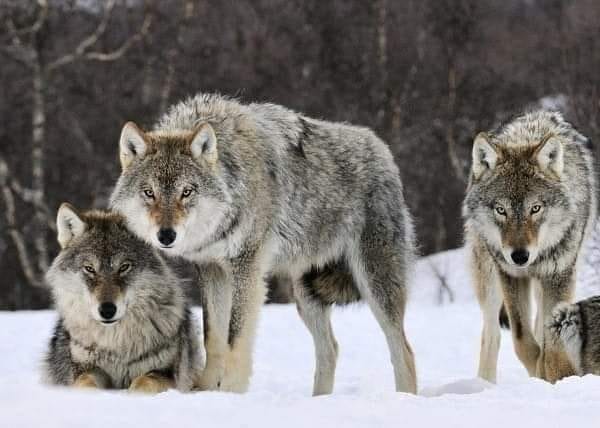
When in 1995 fourteen wolves were released into the wild in Yellowstone National Park, scientists did not suspect that this would radically change the entire ecosystem of the park.
There were no wolves in the park for 70 years, and all this time deer reigned there, which over the years of uncontrolled reproduction (all the efforts of people to control their population did not bring success) caused severe damage to the local flora. Fourteen wolves, of course, could not eat all the deer, but they forced those to be more careful in choosing places for pastures and to avoid certain parts of the park. In those places, vegetation began to revive. In six years, the number of trees has increased fivefold. Beavers have appeared, which need trees to build dams. Muskrats, ducks and fish have been bred in the backwaters. Wolves reduced the population of jackals, which led to an increase in the number of hares and mice, and they attracted hawks, ferrets and foxes to the park. The bears came to the park because they were able to drive the wolves away from their prey or eat up their scraps. The number of berries has increased in the park.
But the most amazing thing is that the wolves have changed the flow of rivers. Their channels straightened and stabilized, and coastal erosion decreased. This happened because the influence of wolves on deer led to the explosive growth of trees and grass along the banks of the rivers, which led to their strengthening. The very geography of the park has changed, and all thanks to the fourteen wolves released there less than twenty years ago
Credit : Respective Owner
In the middle of the night, in Tel Aviv, a little bat pup has fallen from its mom. Nora works at the sanctuary: she holds the baby up and reunites it with its mother
[📹 The Israeli Bat Sanctuary]
https://t.co/XhnpGCviIp
Giant tarantulas have been known to keep tiny frogs as pets to prevent insects from eating the burrowing tarantula's eggs. In return, the spiders protect the frogs from predators.





![Rainmaker1973's tweet photo. This image shows a decellularized heart, stripped of all native cells, leaving behind an intact vascular system and a scaffold that has been infused with stem cells.
One of the greatest limitations to organ transplantation derives from organ rejection caused by antibodies of the transplant recipient reacting to donor antigens on cell surfaces within the donor organ.
By recellularizing an decellularized organ with a patient’s own cells, the adverse immune response is eliminated.
[📸 mdhealthtips ]](https://pbs.twimg.com/media/GFe1WXmWMAAu_sJ.png)