Machu Picchu, Peru 🇵🇪
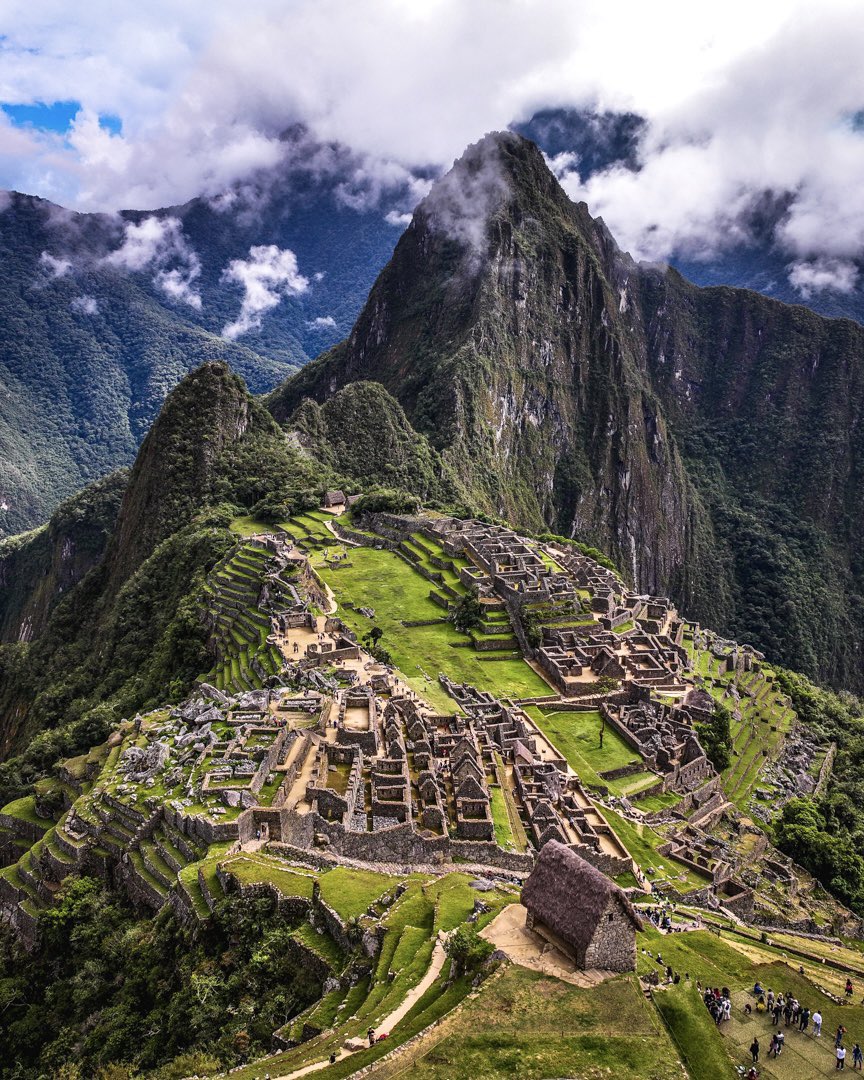
In 1911, high in the Andes, Hiram Bingham stumbled upon an overgrown stone ruin, which turned out to be an archaeological revelation as monumental as the peaks that cradle it. Bingham, a Yale University professor and a real-life Indiana Jones, hacked through the jungle's thick veil, led by Peruvian locals who professed to know the location of dozens of abandoned ruins in the Urubamba valley.
In the rugged terrain, Bingham's expedition pushed their limits, their lungs burning from altitude and perseverance, each machete swing cutting through the foliage like seasoned pros in a well-crafted story. Machu Picchu emerged like a hidden code, a place forgotten by time but resurrected in Bingham's relentless pursuit—a proverbial hero chasing his white whale of archaeology.
Like all who pursued the Inca, whether for gold or glory, Bingham faced the challenges of altitude and isolation, unknowingly seeking an archaeological prize that transcended the ordinary. The 'discovery' of Machu Picchu was a tale of adventure and luck, a raw and unembellished narrative etched against the backdrop of the unforgiving Andean landscape.
Called the last stronghold of the Inca, Machu Picchu demonstrates the abilities, expertise, and determination of a culture that today we know little about. Leaving no written history, and the first Spanish accounts of the Andean people often raised more questions than answers, we can only imagine the day-to-day happenings in Machu Picchu during its heyday. The people of the Andes today may not identify as Inca, but the language is still spoken, crops are still planted, clothes are still worn, roads are still used, and stories are still told. The Spanish conquerors of the Americas committed atrocities in the name of God and King, there is no doubt. However, they inadvertently allowed a culture and history to survive in the peoples they conquered, unlike many other stories of discovery during the age of conquest.
The Hispanoamericana people of the Andes are a real-time example of how the mixing of cultures can result in something greater than the sum of its parts. The tapestry of peoples woven in the high valleys and plains of the Andes is as colorful as it is complex. Sun worshippers at their core, the Inca and satellite tribes of the Andes simply took Christianity and molded it to their liking, finding saints' days to match the solar and lunar calendar of the high-altitude tropics, embracing the convenient and shunning the impractical.
Bingham’s encounter with Machu Picchu was more akin to finding a dusty book in an old library than discovering a lost world. The people of the Urubamba valley always knew it was there; they just didn’t see the need to promote it. Logic and legend tell us that there are more places to be 'discovered' in the remote Andes and jungles of South America. Perhaps some are even more impressive than Machu Picchu. What are your thoughts on lost historical treasures in the wilds of the world
📸:@world_walkerz
✨🏆 | La 1ère Coupe de France de l'histoire du club ! 🇨🇵
❤️🤍🧡 On la dédie à toutes les personnes qui ont cru en nous !
✨ Fiers de ramener ce trophée national chez nous en Mayenne et dans notre ville!
➡️ Rdv désormais samedi prochain pour la finale du Championnat de France
On a eu le GP explorer de Squeezie et maintenant on a le France Espagne de Amine, c’est trop une dinguerie le twitch français mdrrr #ElevenAllStars#Michou#inoxtag