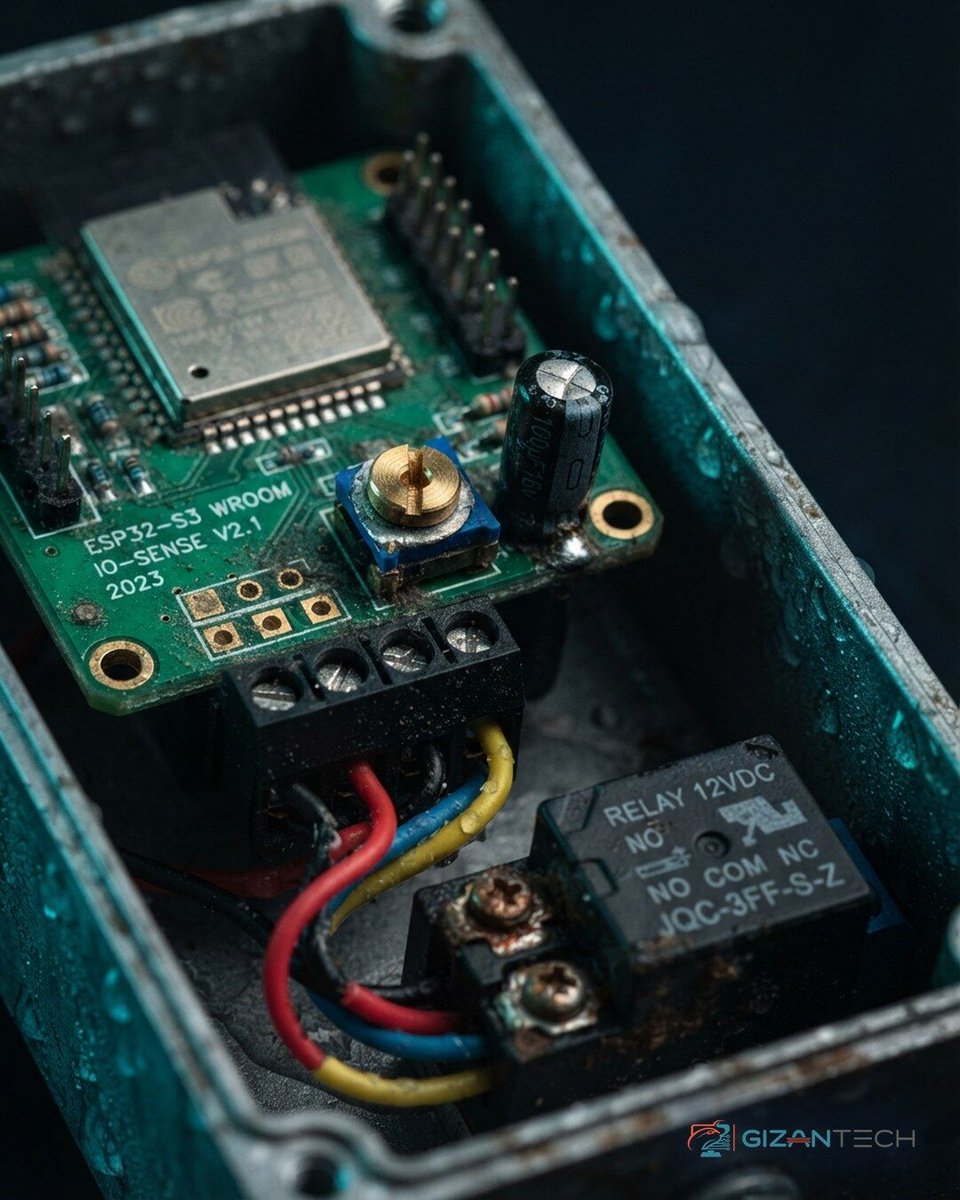
Myth: ESP32 deep sleep is 10 µA, so the battery lasts years. True for the chip, not the board. The LDO, the battery divider, the USB-UART bridge and an ungated sensor keep drawing current. Measure the whole board. What's the worst sleep-current surprise you've found?
ESP32-C5 in a weatherproof box: 5 GHz Wi-Fi 6, BLE 5 and Thread on one chip. On a factory floor, getting off congested 2.4 GHz is the real win. But IP ratings don't stop condensation or a bad gland. Anyone running C5s in the field yet?
ESP32 or PLC? Our rule: if a wrong output can hurt someone or stop a line, it goes on a PLC or safety relay. If the job is sensing, logging and getting data to the cloud, an ESP32 gateway next to the PLC wins on cost. Where do you draw the line?
Weekend ESP32 builds for under $50 are how most of us started, and I love them. The hard part comes later: brownouts when a relay switches, no way to update over the air, flash wearing out. What's the first thing that broke on yours after it went on the wall?
Unpopular opinion: half the 'edge AI' briefs for ESP32-S3 should ship as a moving average and a threshold. Build the dumb baseline first. If the model can't beat it on real field data, it's just extra power draw. What's the simplest baseline that beat your model? 🧠
ESP32 as a Pi's Linux Wi-Fi/BT co-processor (via Hackaday) makes more sense than it sounds: a swappable radio you can update and certify separately. The real cost is SPI/SDIO throughput and keeping the kernel driver alive. Anyone shipping this?
Design the test jig before the enclosure. Put test pads on one side, on a pogo-pin grid, and every ESP32 board gets flashed, provisioned and rail-checked in under a minute. Skip it and your customers test your first 500 units. What does your fixture catch most?
Ag sensor market reports love growth curves. Field nodes care about three things: power budget, radio coverage, and probes that don't drift by harvest. Get those wrong and the forecast doesn't matter. What's breaking your field deployments first?
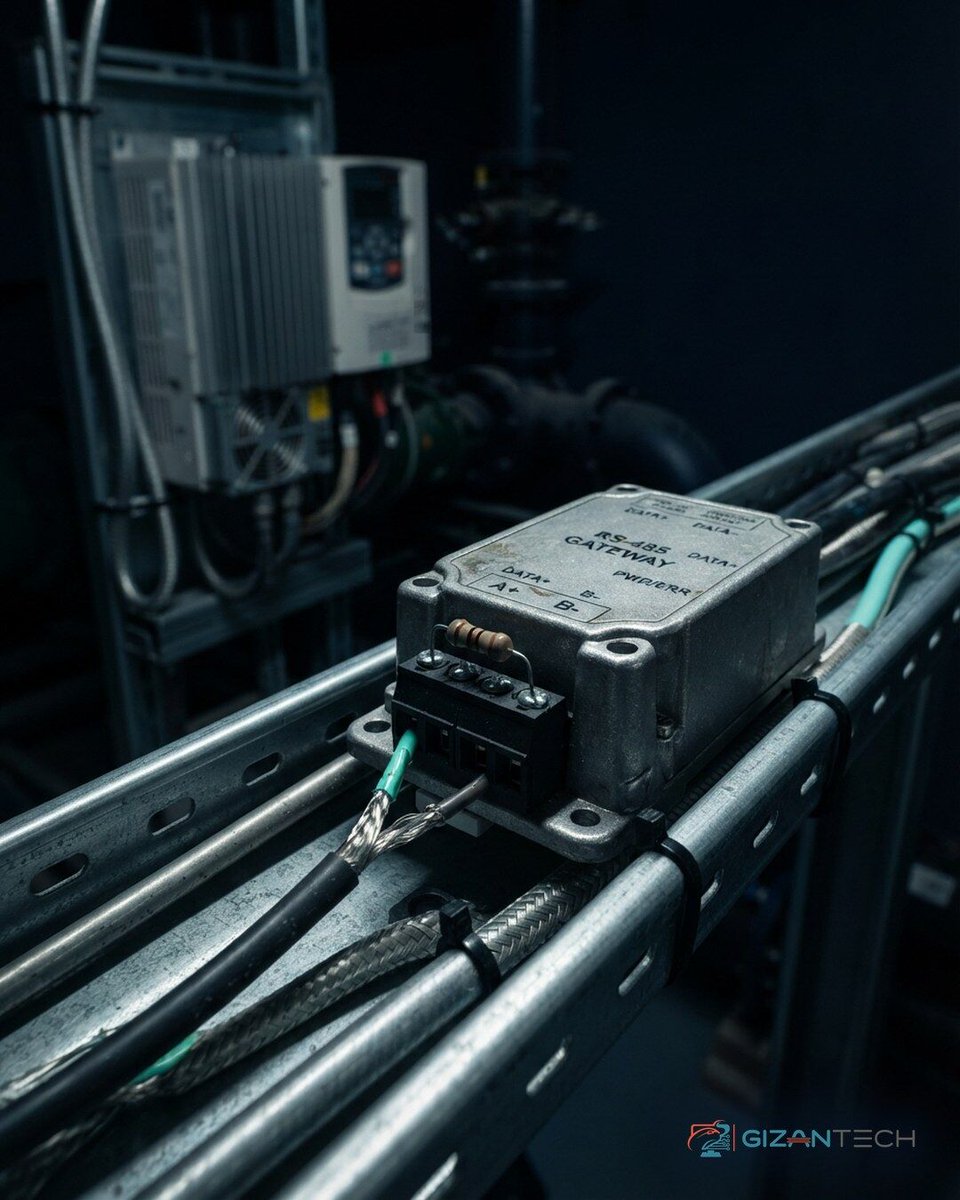
Our Modbus gateway lost reads only at night. Firmware got the blame. The real cause: a pump VFD starting on the night tariff, an RS-485 bus with no failsafe bias, terminated at one end only. We fixed the wire, not the code. What's the weirdest RS-485 fault you've chased?
ESP-SDR turns an ESP32 into a 2.4/5 GHz SDR. It won't replace a real SDR, but a few-dollar RF sniffer you can leave in a noisy factory for a week? I'd use that. Has anyone tried it on real boards yet?