Government Revenue & Spending
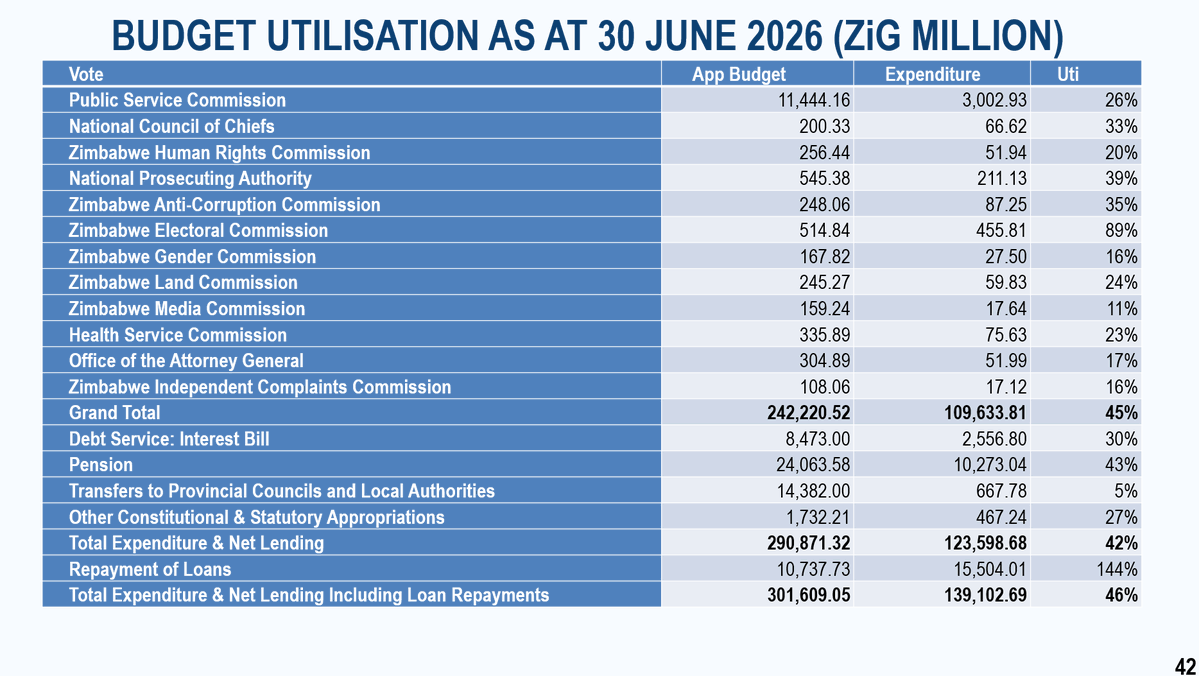
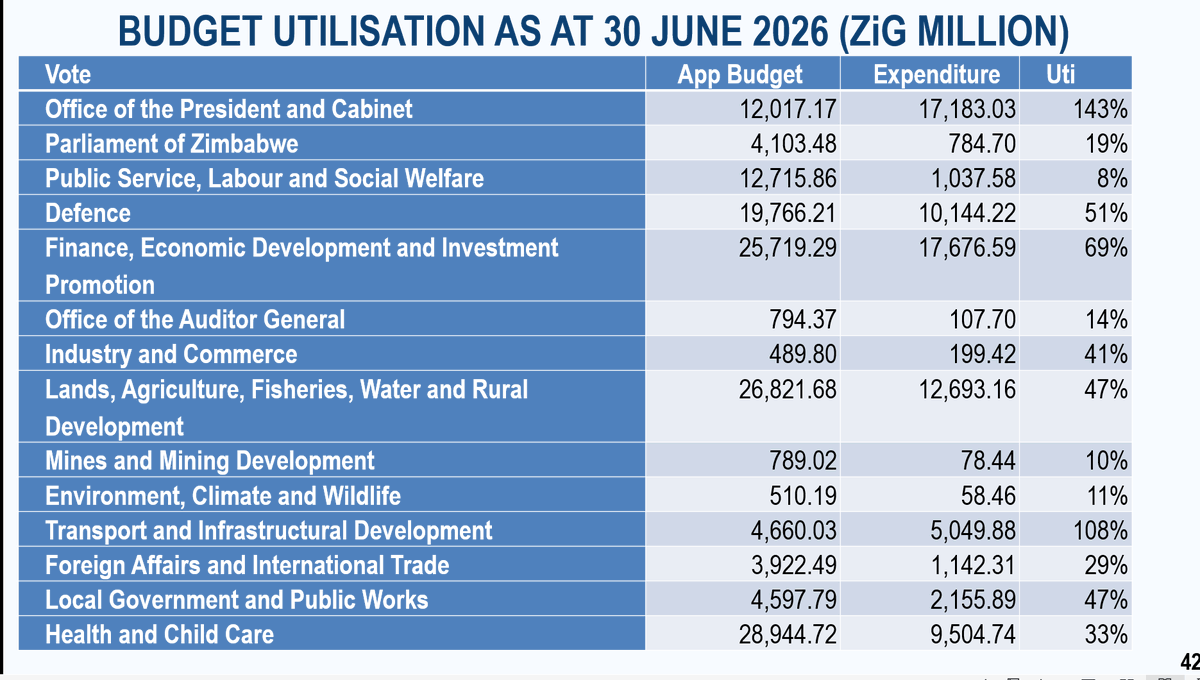
11/Government collected ZiG137.8 billion in revenue during the first half of 2026, while spending stood at ZiG123.6 billion. The savings were used to service public debt and settle arrears owed to service providers.
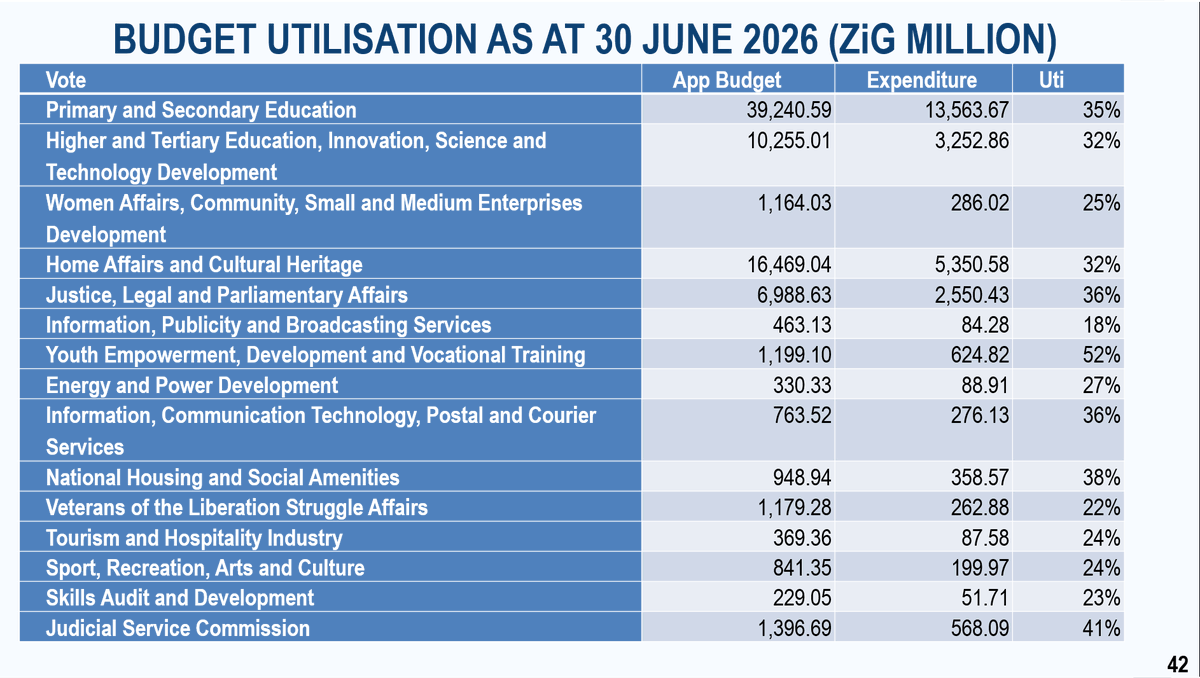
12/ VAT remained the biggest source of Government revenue, contributing 28.3%, followed by Personal Income Tax (16.6%), Corporate Income Tax (13.8%) and Excise Duty (8.5%).13/ Government spending remained on track, with Ministries, Departments and Agencies using 42.5% of their approved budgets. This shows that the 2026 Budget is supporting planned programmes and national priorities.
14/ Investing in People
Government spent ZiG27.2 billion on social services during the first half of 2026:
• Health – ZiG9.5 billion
• Education – ZiG16.9 billion
• Social Protection – ZiG832 million
More funding will be released in the second half of the year.
15/ Government also continues to support vulnerable citizens. US$4.8 million has been provided to assist the safe and dignified return and reintegration of affected Zimbabweans through humanitarian and economic empowerment programmes.
16/ Building Infrastructure
A total of ZiG11.8 billion was invested in infrastructure, including:
Transport – ZiG3.9 billion
Water & Sanitation – ZiG4.9 billion
ICT – ZiG506.7 million
Health – ZiG679.5 million
Housing – ZiG1.6 billion
17/ Government is establishing an Infrastructure Development Fund to attract more investment into roads, energy, irrigation, schools, hospitals and rail. A US$400 million financing arrangement has been secured for major road rehabilitation projects, with the first US$100 million already secured.
18/ Digital & Water Development
Government invested ZiG506.7 million in digital infrastructure to expand connectivity and innovation. Another ZiG4.9 billion supported dam construction and the Presidential Borehole Drilling Programme, with 526 new boreholes drilled, bringing the national total to 5,395.
19/ Sports & Culture
The refurbishment of the National Sports Stadium is almost complete. Construction of the 10,000-seat Mosi-oa-Tunya International Cricket Stadium is progressing towards completion by December 2026. Government also completed the Shangwe/Tonga Culture Centre and officially opened the Isizinda Cultural Centre.
20/ Energy Improvements
The energy sector performed above target, with electricity generation reaching 4,774.2 GWh, helping to significantly reduce load shedding. Rural Electrification also invested US$13.8 million, completing 266 projects that benefited schools, health centres and rural communities across the country.
21/ Public Debt
As at 30 June 2026, Zimbabwe's Public and Publicly Guaranteed (PPG) debt stood at ZiG580.9 billion (US$21.7 billion). During the first half of the year, Government paid US$170 million towards servicing external debt and ZiG15.3 billion towards domestic debt obligations.
22/ To support Government financing, Treasury also raised ZiG6.7 billion through Treasury Bills and domestic loans.
As Zimbabwe continues working towards Vision 2030, the 2026 Mid-Term Budget and Economic Review shows the progress made so far and the steps being taken to keep the economy on track. It highlights how Government is implementing the 2026 National Budget to support economic growth, create opportunities and improve the lives of citizens.
ECONOMY AT A GLANCE
1/ Despite global challenges, including conflict in the Middle East and disease outbreaks affecting tourism, Zimbabwe's economy remained resilient during the first half of 2026.
2/ Zimbabwe continues to enjoy a stable macroeconomic environment. Inflation averaged 4.2% during the first six months of 2026 the first time in over 30 years the country has achieved single-digit inflation. Currency, exchange rate and price stability have also been maintained.
3/ The economy is projected to grow by 5% in 2026, following strong growth of 8.3% in 2025. Growth is being supported by good agricultural performance, strong mineral prices and reforms that are making it easier to do business.
4/ Zimbabwe remains one of Africa's fastest-growing economies. Stable economic conditions are attracting more investment, especially in the mining and manufacturing sectors. Foreign Direct Investment increased to US$965 million in 2025, up from US$597 million in 2024.
5/ Agriculture continues to drive growth. The sector is expected to grow by 6.9% in 2026, supported by a strong farming season. Grain production is projected at 2.4 million tonnes, while the dairy industry is also expanding.
6/ Mining remains a key pillar of the economy. Gold production is expected to increase to 55.6 tonnes in 2026, while lithium exports rose by 229.8% to US$782.2 million in the first half of the year, driven by value addition and beneficiation.
7/ Manufacturing is strengthening, with projected growth of 5.2% in 2026. Capacity utilisation continues to improve, supported by investment and the Industrial Development Fund, which is helping local companies expand production.
8/ Zimbabwe's economy grew by 6.8% in the first quarter of 2026. Government remains confident that the 5% GDP growth target for the year is achievable, provided there are no major global shocks.
9/ Progress towards Vision 2030 continues. Gross National Income per person has increased from about US$1,700 in 2021 to US$3,200 in 2025, bringing Zimbabwe closer to upper middle-income status.
10/ Zimbabwe's external sector remains strong. Foreign currency receipts increased by 47.8% to US$10.7 billion in the first half of 2026, while the current account recorded a US$616.3 million surplus, reflecting strong export performance and economic resilience.
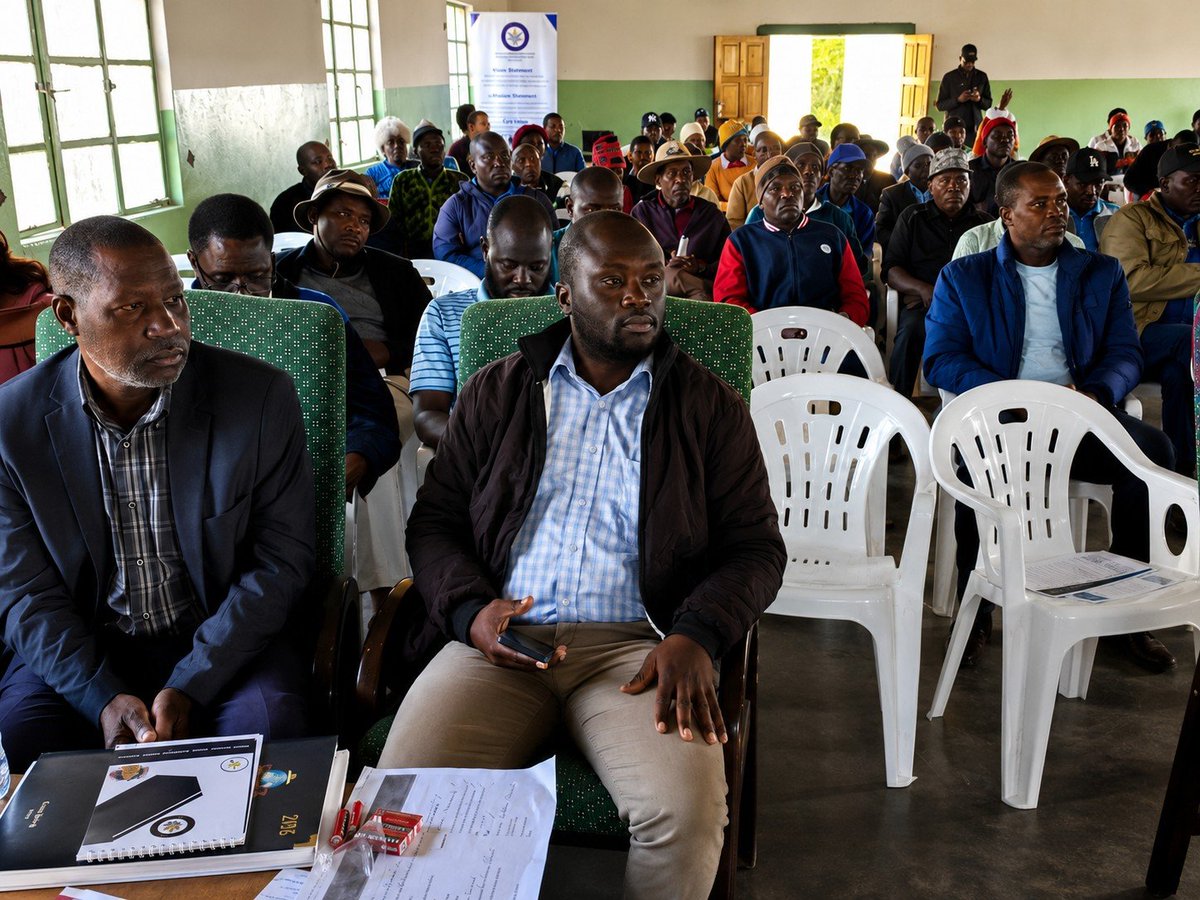
In Mutasa District today, our Budget Education and Consultation programme brought together grassroots communities, Parliament Budget Office colleagues and Ministry officials to shape the 2027 National Budget.
Residents highlighted urgent needs:
• Construction of bridges, rehabilitation and widening of roads and irrigation development to strengthen rural livelihoods.
•Affordable healthcare, with calls to capacitate local clinics and hospitals and support for the community driven Chidawanyika–Sanyamandwe Clinic initiative.
•Maternal health support, ensuring pregnant women access ante and post natal care to reduce preventable deaths.
•A footbridge for children at St Peters Jombe School, who currently risk crossing flooded rivers to reach class.
•Tackling drug and substance abuse through rehabilitation centres and youth employment opportunities.
•Equitable sharing of mineral revenues to benefit local communities.
•Expedited completion of projects, especially clinics, to uplift quality of life.
These voices remind us that the budget is not just numbers, it is about bridges that connect, clinics that heal and opportunities that empower.
The Ministry remains committed to listening, learning and ensuring that every citizen’s input informs the path toward inclusive development.
#CommunityVoices #InclusiveDevelopment
Engaging the Heartbeat of Our Nation: National Budget Education and Consultation Outreach
The Ministry of Finance,Economic Development and Investment Promotion today had the priviledge of engaging with community members during the National Budget Education and Consultation Outreach Programme in the vibrant district of Buhera,Manicaland Province. This initiative is a cornerstone of Government’s unwavering commitment to participatory budgeting, transparency and accountability. The Ministry believes that true economic development is inclusive and every Zimbabwean deserves a seat at the table to shape the National Budget.
The level of engagement was truly inspiring. Citizens raised critical priority issues that strike at the core of national progress, including:
a). Infrastructure development and road construction/maintenance.
b). Employment creation and youth empowerment.
c). Environmental protection and building climate resilience.
d). Social protection for our most vulnerable citizens.
e). Rural economic development and enhanced public service delivery.
These consultations are directly aligned with the National Development Strategy 2 (NDS2). Government is on a deliberate path toward accelerating inclusive economic growth, fostering rural industrialisation, modernising our infrastructure and ensuring sustainable livelihoods as the nation marches steadily toward Vision 2030.
Every view gathered is being carefully documented.
Stakeholder insights are essential to formulating a responsive, people-centred and evidence-based National Budget that mirrors unique local priorities.
Our campaign theme remains: "Your Voice, Your Budget, Your Future."
We encourage all Zimbabweans to stay informed and actively participate in upcoming outreach meetings. Together, we are building a more prosperous, inclusive and resilient Zimbabwe.
#NDS2 #ParticipatoryBudgeting #YourVoiceYourFuture
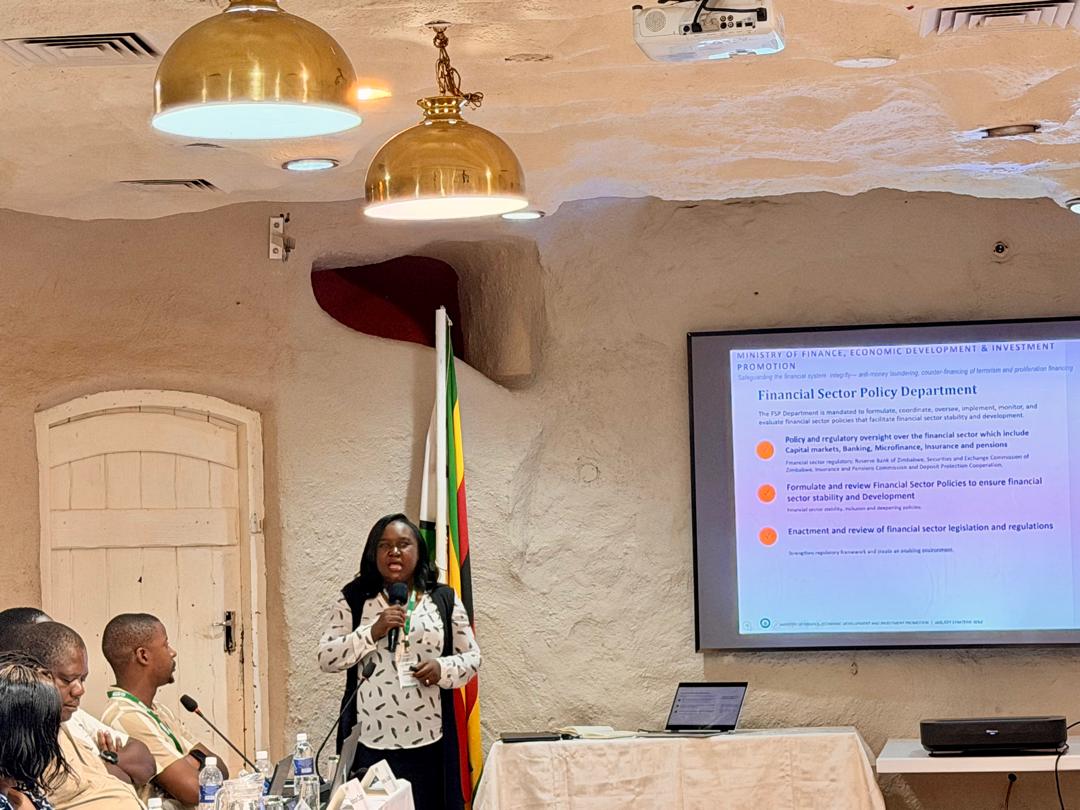
The five-day Macroeconomic and Financial Management Insitute of Eastern and Southern Africa (MEFMI) Anti-Money Laundering and Counter Financing of Terrorism (AML/CFT) Training Workshop commenced today at Caribbea Bay, bringing together key stakeholders to strengthen Zimbabwe's capacity to combat financial crime and safeguard the integrity of the country's financial system.
Officially opening the workshop, MEFMI Programme Director, Mr. Jacob Mkandawire, and the Ministry of Finance, Economic Development and Investment Promotion's Director for Financial Sector Policy, Mrs. J. Rusike, underscored the importance of enhancing awareness, technical expertise and institutional capacity to effectively detect, prevent and respond to money laundering and terrorist financing.
The training comes as Zimbabwe prepares for the Eastern and Southern Africa Anti-Money Laundering Group (ESAAMLG)'s Third Round Mutual Evaluation, with the on-site assessment scheduled for January 2027. The evaluation will place significant emphasis on the practical implementation of a risk-based AML/CFT framework and demonstrable evidence of its effectiveness.
With money laundering and terrorism financing risks becoming increasingly sophisticated, continuous capacity building remains essential to strengthening Zimbabwe's compliance with international standards, protecting the financial sector and reinforcing investor confidence.
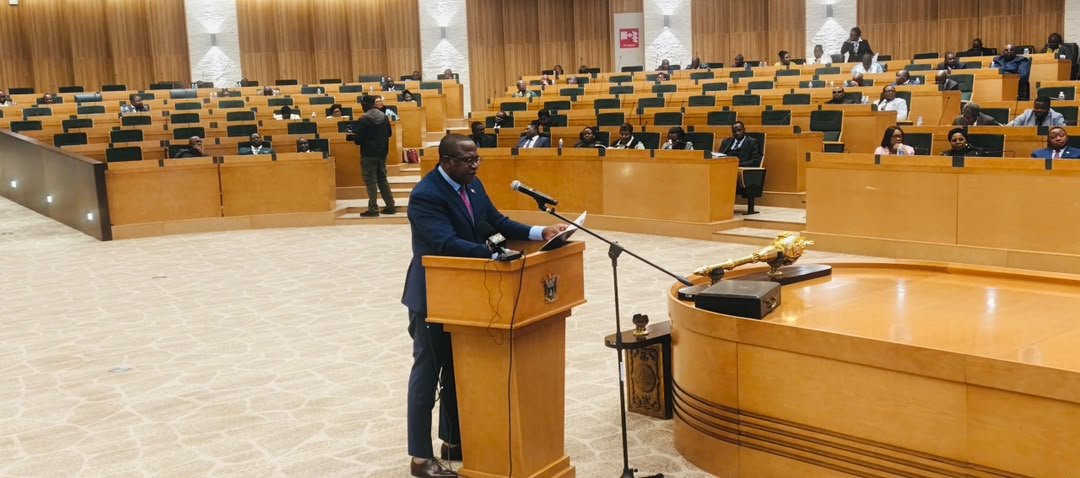
Zimbabwe has recorded single-digit annual inflation for the first time in more than 30 years, averaging 4.4% from January to June 2026. At the same time, the 2026 National Budget is operating within its approved limits, with expenditure at ZiG98.2 billion against a ZiG100 billion target for the first five months. This demonstrates that fiscal discipline is delivering results, with the focus now on sustaining this progress.
That was the central theme of the meeting between the Ministry of Finance and the Parliamentary Portfolio Committee on Budget, Finance and Investment Promotion, as both sides agreed that all policies must put people first. The discussion also covered the upcoming Mid-Term Budget Review and the 2027 Budget Strategy Paper, which the Minister will present in the coming weeks. The parties also celebrated Zimbabwe's outstanding performance in the Open Budget Survey, where the country ranked third in Africa, and agreed to consolidate these gains by further strengthening transparency, accountability and other public financial management initiatives.
The Ministry and Parliament are committed to sustaining this dialogue, not just during the budget cycle but throughout the year, recognising that such cooperation supports macroeconomic stability and propels the nation towards Vision 2030.
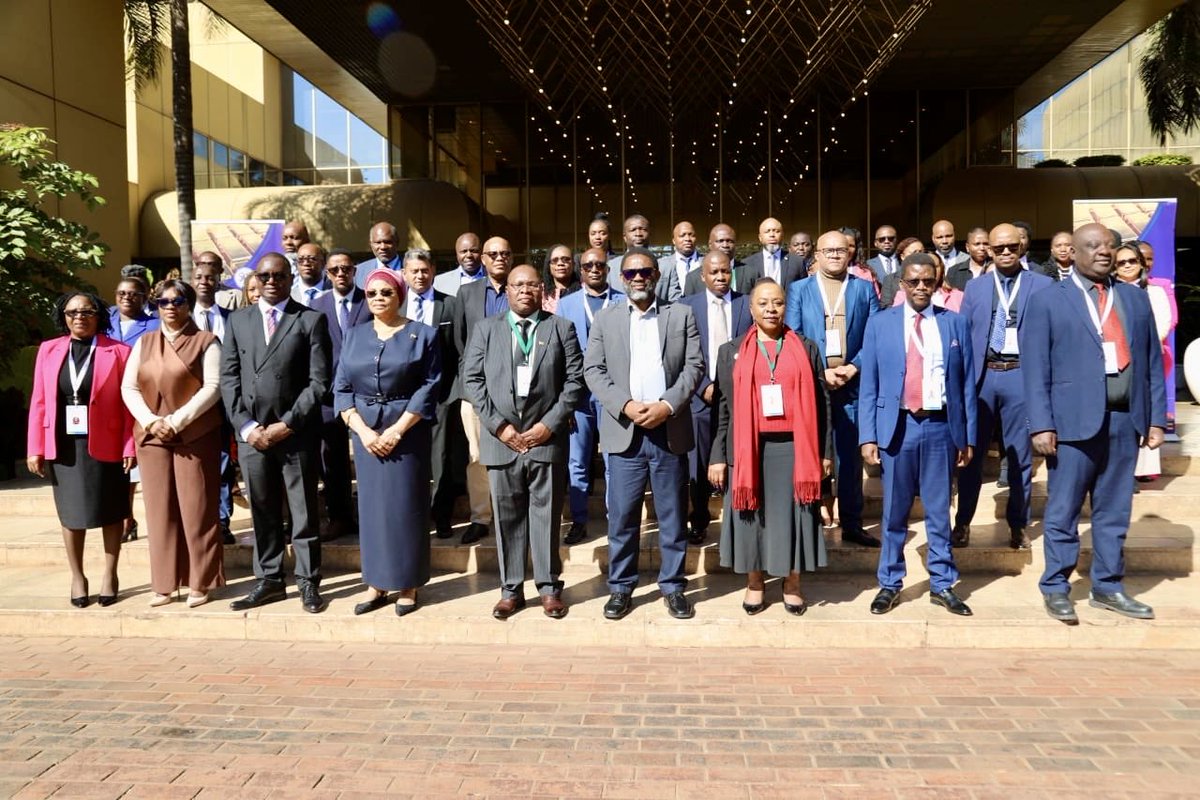
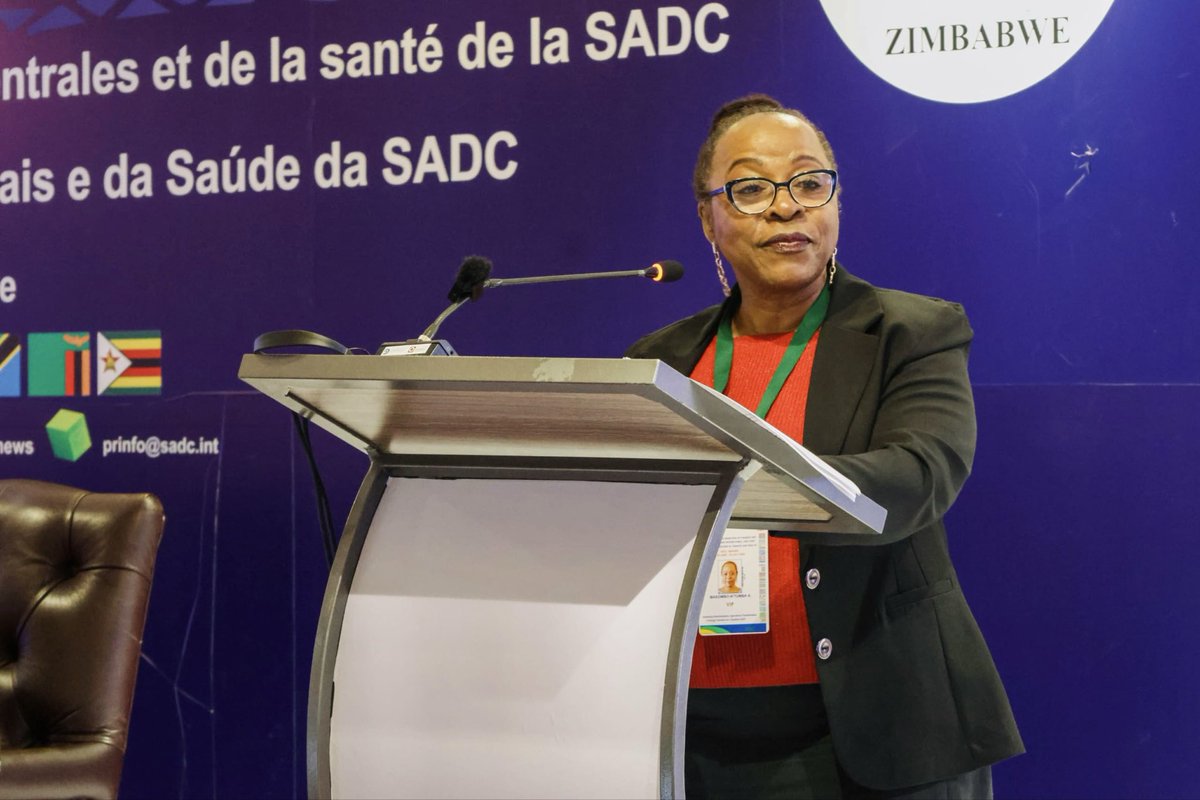
The Meeting of Senior Treasury Officials officially commenced today in Harare, Zimbabwe, marking the beginning of the SADC Meetings of Ministers of Finance and Investment, the Peer Review Panel and related technical engagements. Zimbabwe is honoured to host delegates from across the region.
Welcoming delegates, Mr. Joseph Mverecha, Chief Director for Economic Affairs at the Ministry of Finance, Economic Development and Investment Promotion, reaffirmed Zimbabwe’s commitment to regional integration, emphasising strong institutions, sound macroeconomic policies and collective action as key drivers of sustainable economic growth.
Addressing the meeting, Ms. Angele Makombo N’Tumba, SADC Deputy Executive Secretary for Regional Integration, highlighted the importance of strengthening macroeconomic convergence, enhancing financial stability, improving the investment climate and accelerating implementation of the SADC Protocol on Finance and Investment.
Ms. N’Tumba also applauded progress made by SADC Member States in strengthening financial integrity, noting the removal of South Africa, Mozambique and Namibia from the Financial Action Task Force (FATF) Grey List, a milestone that reinforces investor confidence and regional financial stability.
In his opening remarks, Mr. Themba Zulu, Chairperson of the Committee of Senior Treasury Officials and Chief Director from South Africa’s National Treasury, called on delegates to engage constructively, stressing that regional integration is a long-term journey requiring collaboration, resilience and practical solutions to shared economic challenges.
Senior Treasury and Central Bank Officials will spend the coming days deliberating on macroeconomic convergence, fiscal and monetary cooperation, regional payment systems, infrastructure financing and investment initiatives aimed at advancing sustainable growth and deeper economic integration across the SADC region.
Bikita Voices Shape National Development Agenda:
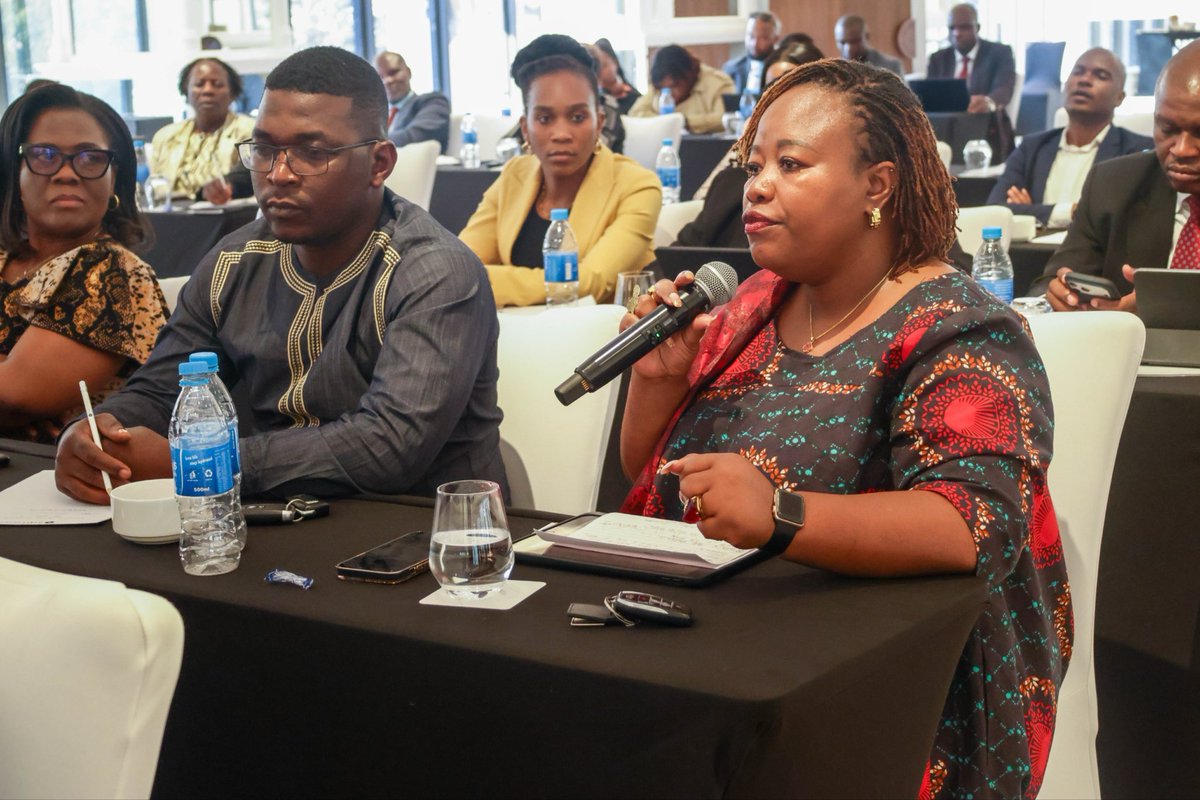
In Bikita, the call for inclusive national planning rang clear as community leaders, residents' associations, churches and Government representatives gathered at Pambudzi Lodge for the National Budget Education and Consultation Programme. The dialogue, hailed as a vital bridge between Treasury and grassroots voices, reinforced the urgency of aligning national priorities with local realities.
Delegates called for transformative investments, including a district hospital to end referrals to Ndanga District, a Government Complex to streamline service delivery and the upgrading of roads such as the Nandi–Matsvange Road to improve connectivity. Youth-focused vocational training centres were championed as a means of combating drug abuse, while mini-hydropower projects at local dams were proposed as sustainable energy solutions.
Industrial growth also took centre stage, with calls to harness Bikita's mineral wealth for lithium battery manufacturing and gold processing. Irrigation schemes in Gowe and Bengura were highlighted as lifelines for strengthening agricultural resilience in the face of climate change.
The community's appeal extended beyond local needs, urging Treasury to increase the national allocation for research and development, recognising that innovation is a key driver of economic transformation.
In Bikita, the message was unmistakable: development thrives when every voice is heard and when local aspirations are woven into the fabric of national progress.
#YourVoice
#YourBudget
#YourFuture
Your Voice. Your Budget. Your Future.
Residents of Chivi and Gutu Districts have stepped forward, adding their voices to the National Budget Outreach and Consultation Programme — shaping priorities, influencing decisions, and owning the path to tomorrow.
#BeHeard #OwnTheBudget #YourViewsMatter
Gutu District Hosts National Budget Outreach Programme
The Ministry of Finance, Economic Development and Investment Promotion in partnership with the Parliament Budget Office and the Reserve Bank of Zimbabwe, today convened the National Budget Education and Consultation Outreach Programme in Gutu District.
Running under the theme, "Your Voice, Your Budget, Your Future," the initiative continues its nationwide rollout following the inaugural session in Chivi.
The meeting drew broad participation from residents, business associations, local leaders, and representatives of Ministries, Departments and Agencies (MDAs). Delegates welcomed the opportunity to engage directly with officials responsible for budget formulation, describing the exercise as a milestone in strengthening transparency and accountability.
Plenary sessions underscored the importance of inclusive development. Delegates called for the sustainable integration of women, youth, and persons with disabilities into national planning. Calls for vocational training facilities tailored to the needs of persons with disabilities echoed similar demands raised in Chivi, highlighting the urgency of expanding access to skills development.
Residents also praised the prevailing macroeconomic stability but urged the Government to accelerate infrastructure development, digitalisation, and financial inclusion. Proposals included the establishment of bureaux de change to enable ordinary citizens to access foreign currency at official exchange rates.
Community members outlined a wide range of priorities:
• Commercialisation of dams for irrigation and fisheries to benefit rural communities.
• Construction of composite Government offices to improve service delivery.
• Establishment of financial institutions, business centres, and community information hubs.
• Road construction, hospital upgrades, and improved access to doctors.
• Free healthcare for persons with disabilities.
• More vocational training centres catering for persons with disabilities.
• Early disbursement of funds for community projects.
• Upgrading Gutu Clinic into a fully equipped referral centre.
• Lowering interest rates and easing loan application processes for SMEs.
• Prioritising climate change adaptation in the National Budget.
Officials reiterated that the outreach programme is designed to ensure citizens' voices shape fiscal priorities. "Community participation is the cornerstone of responsive policymaking," one official noted, adding that the insights gathered in Gutu will inform the formulation of the 2027 National Budget.
With Gutu joining Chivi in hosting the consultations, the programme is set to continue across the country's provinces, embedding grassroots perspectives into national economic planning. Local leaders described the initiative as a transformative step towards inclusive governance, ensuring that communities are not only recipients of policy but also active contributors to Zimbabwe's development agenda.
Zimbabwe is set to host Meetings of the Ministers of Finance and Investment, Peer Review Panel and Joint Meeting of the Ministers of Finance and Health from the 29th of June to the 3rd of July 2026 in Harare. The meeting will bring together Ministers of Finance, Ministers of Health, Central Bank Governors, Senior Treasury Officials and development finance experts from across the SADC region to strengthen regional economic cooperation.
Chaired by South Africa's Minister of Finance, Hon. Enoch Godongwana, the meeting will focus on promoting investment, enhancing financial and capital market integration, and advancing macroeconomic stability to support sustainable economic growth and inclusive development across the region.
Key discussions will include macroeconomic convergence, regional financial stability, and the expansion of the SADC Real Time Gross Settlement (RTGS) system, which enables faster and more efficient cross-border payments within the region.
ZIMBABWE PUSHES FOR FERTILIZER SELF-SUFFICIENCY
The Government of Zimbabwe is promoting investment in domestic fertilizer manufacturing, with a focus on utilizing Zimbabwe's vast coal reserves as a key input for production thereby integrating domestic resource endowment into value added industrial processes. The strategy aims to reduce import dependence while building local industrial capacity in chemical processing and related manufacturing sectors.
The country is accelerating efforts to achieve fertilizer self-sufficiency within the next three years as global supply disruptions, driven by ongoing conflicts in the Middle East continue to affect availability and raise import costs. The country currently relies heavily on imported fertilizer, exposing vulnerabilities in the agricultural sector and food security system.
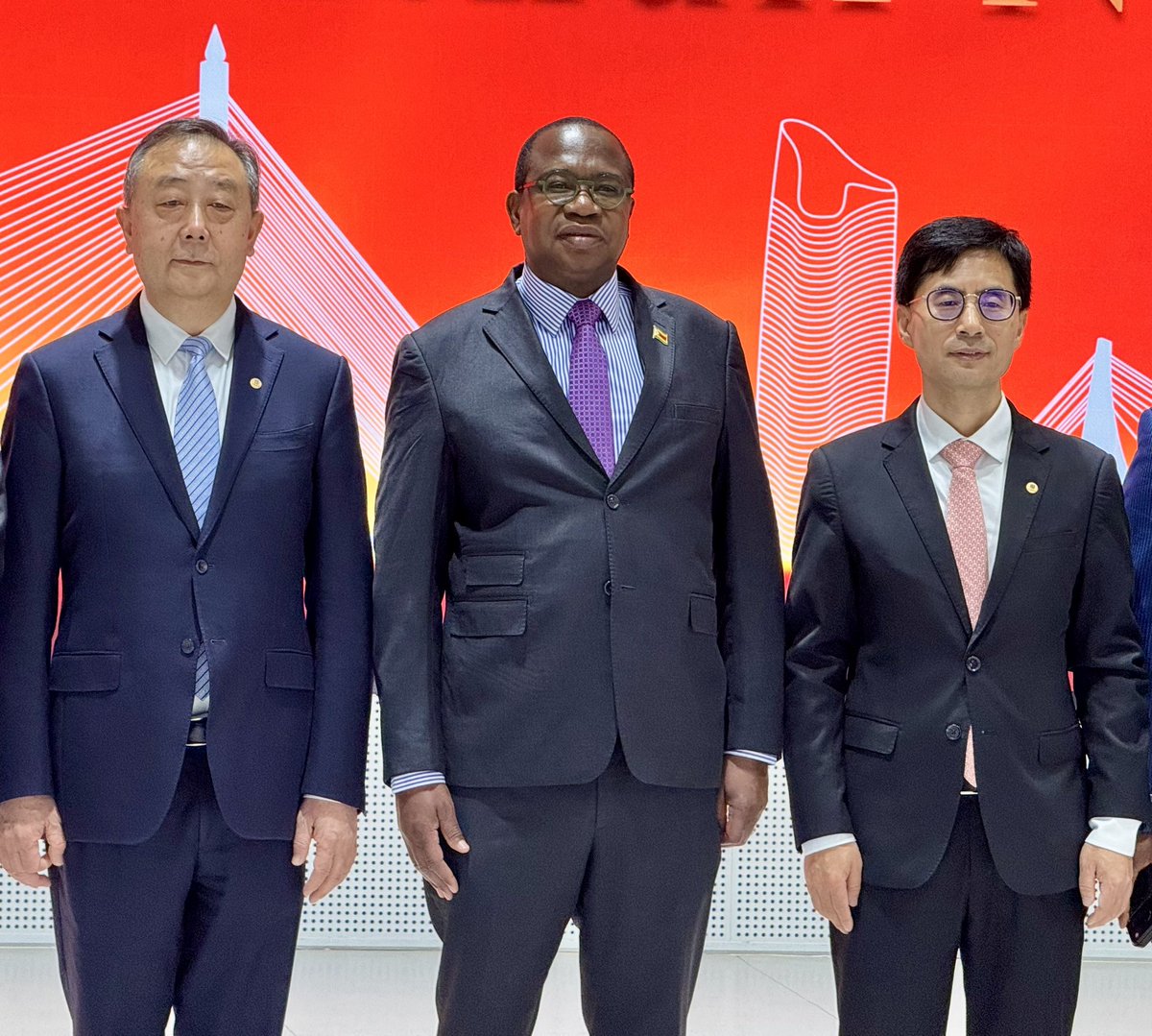
This morning, the Hon.Minister, Prof.M.Ncube ,visited and toured the Dalian Jinzhou Heavy Machinery Group (JHM) manufacturing plant in Dalian, China, where fertilizer production equipment is being built for Wintrue Holdings in partnership with Sunny Yifeng. Part of the equipment has already been delivered and the rest is expected to be delivered to Zimbabwe within the next month .The investor is developing a fertilizer production facility in Norton, expected to play a role in boosting domestic supply.
The government further aims that, once self sufficiency is achieved, Zimbabwe will scale up production capacity to export surplus fertilizer across the region, positioning the country as a competitive supplier in Southern Africa.
ZIMBABWE AND KOREA EXPLORE AI PARTNERSHIP TO STRENGTHEN HEALTH FINANCING
As Zimbabwe pushes forward with its development agenda anchored on innovation and fiscal resilience, Artificial Intelligence is emerging as a key tool in strengthening public systems, including health financing.
On the sidelines of the ongoing World Economic Forum (AMNC 2026), Hon.Minister , Prof. Mthuli Ncube, met with Hon. Cha Jiho, Member of the National Assembly of the Republic of Korea, to explore cooperation on AI-driven health financing reforms.
The bilateral engagement focused on how AI can enhance efficiency within Zimbabwe’s health financing systems by reducing leakages, improving transparency and strengthening resource allocation in a sector facing increasing demand and constrained funding.
Minister Ncube highlighted Zimbabwe’s financing gap following reduced support from traditional partners . He noted that the government has introduced fiscal measures, including taxes on fast foods and sugar-sweetened beverages, as part of broader efforts to mobilise domestic resources and partially bridge the gap.
The discussions also addressed the growing challenge of skills shortages in AI and the impact of brain drain on capacity development. Both sides agreed that there are opportunities for training, knowledge exchange and skills development to support the effective adoption of AI in public financial management and health systems.
A strong emphasis was placed on ensuring that AI is deployed as a public good, particularly in global health and humanitarian response. The engagement highlighted the concept of “Universal Intelligence Coverage” as part of a broader vision for more inclusive and technology driven healthcare systems.
To strengthen cooperation, the Hon.Minister proposed the signing of a Memorandum of Understanding (MOU) between Zimbabwe and Korea on public health and AI collaboration. He also extended an invitation for Hon. Cha Jiho to address upcoming regional forums, including the SADC Ministers of Finance and Health meeting or a COMESA session later this year.
As part of ongoing efforts to advance Zimbabwe’s New City development in Mt Hampden and to strengthen strategic infrastructure partnerships, the Minister of Finance, Hon. Prof. M. Ncube, held discussions around financial collaboration at the China State Construction Engineering Corporation (CSCEC) headquarters in Beijing today.
The discussions with CSCEC leadership led by Chairman Wang Wei and President Chen Lie, focused on possible deepening of technical and financial collaboration for the planned New City outside Harare which will ideally have Data Centers to support AI and become an economic zone .The project, already in its early stages with some enabling works completed, is envisioned as a flagship urban development under Zimbabwe’s long-term modernization drive.
A central feature of the engagement was CSCEC’s presentation of its internationally implemented “new city” development models, showcasing its end to end delivery capacity from conceptual design and planning to financing, construction and full infrastructure rollout. Among the highlighted examples were China’s Xiong’an New Area , Egypt’s New Administrative Capital and Indonesia , all cited as large-scale modern urban developments where CSCEC has played a leading role.
The @zimtreasury delegation was also taken on a guided tour of CSCEC’s exhibition hall, where they viewed a range of completed and ongoing projects across China and abroad. The displays provided an overview of the company’s engineering capabilities, smart city technologies and integrated infrastructure development systems.
CSCEC officials expressed interest in supporting Zimbabwe’s New City project, indicating readiness to deploy technical expertise, advanced construction technologies , a financing model and project execution capacity. However, they emphasized that the responsibility for overall planning and strategic direction remains with the Government of Zimbabwe, with CSCEC positioned as an implementation and technical partner.
The discussions were firmly aligned with Zimbabwe’s National Development Strategy 2 NDS2, particularly its infrastructure development pillar, which prioritizes modern urban infrastructure, industrial growth nodes and investment-led economic transformation.
The Hon.Minister also highlighted Zimbabwe’s macroeconomic stability, presenting it as a key foundation for attracting long-term infrastructure partnerships and sustaining large-scale developments such as the Mt Hampden New City.
Public participation, transparency, and accountability in National Budget formulation are fundamental pillars of inclusive governance and sustainable economic development.
Recognising the importance of ensuring that citizens have a direct voice in shaping national priorities, the Ministry of Finance, in collaboration with the Reserve Bank of Zimbabwe, has launched the inaugural National Budget Education and Consultation Outreach Programme—a landmark initiative designed to bring the budget-making process closer to communities across the country.
The nationwide programme commenced in Chivi District, Masvingo Province, where the first public education meeting provided a platform for grassroots communities to contribute directly to the formulation of the 2027 National Budget.
The outreach programme marks a significant step towards deepening citizen engagement, strengthening democratic participation, and ensuring that public resources are allocated in a manner that reflects the needs and aspirations of the people.
Participants commended the Government's consultative approach to budget formulation and engaged in robust discussions on key development priorities. Among the issues raised were investments in digital infrastructure for rural schools, climate-proofing initiatives to enhance national food security, and critical rural infrastructure development projects, including roads, Vocational Training Centres, and Village Business Units.
Ministry officials stressed that meaningful community participation is the bedrock of responsive and effective public policy. They noted that insights gathered through the consultations will help shape a National Budget that is more inclusive, equitable, and responsive to local development needs, while fostering greater public ownership of Government programmes and national development outcomes.
The National Budget Education and Consultation Outreach Programme is expected to strengthen the link between citizens and policymakers, ensuring that the voices of ordinary Zimbabweans play a central role in driving the country's economic transformation and development agenda.
AIIB Meeting
Following Zimbabwe’s formal expression of interest in joining the Asian Infrastructure Investment Bank (AIIB) through a letter addressed to the President and Chair of the Board of Directors in May 2026, the Hon.Minister of Finance. Prof.Mthuli Ncube accompanied by a @Treasury delegation held a strategic engagement at the Bank’s headquarters in Beijing today.
The delegation met with the President of the AIIB Jiayi Zou and AIIB senior management team to discuss Zimbabwe’s development priorities and the prospects of deepening cooperation as the country advances its National Development Strategy 2 (NDS2) (2026–2030) and Vision 2030 agenda.
During the discussions, the AIIB outlined its four priority areas, namely sustainable infrastructure development, green and climate-resilient infrastructure, regional connectivity and integration and mobilisation of capital for private sector development financing. These pillars guide the Bank’s financing approach across transport, energy, water, urban development, digital infrastructure and climate resilience projects.
The Hon. Minister pointed out the alignment between AIIB’s mandate and Zimbabwe’s infrastructure development needs, noting that the Bank’s priority areas strongly resonate with the country’s development agenda particularly climate change resilience and hydro-infrastructure development. He emphasized that Zimbabwe is seeking long-term financing and technical partnership to expand sustainable energy and water systems, which are central to the country’s economic transformation.
In response, the AIIB President commended Zimbabwe for recent macroeconomic stability gains, particularly in achieving single digit inflation, describing these achievements as critical foundations for sustainable development and successful infrastructure investment. She further expressed appreciation for Zimbabwe’s commitment to reforms and its interest in becoming a member of the Bank.
Both parties agreed to continue technical engagements toward Zimbabwe’s potential membership and project pipeline development, with a shared commitment to advancing sustainable, inclusive and climate-resilient infrastructure growth.
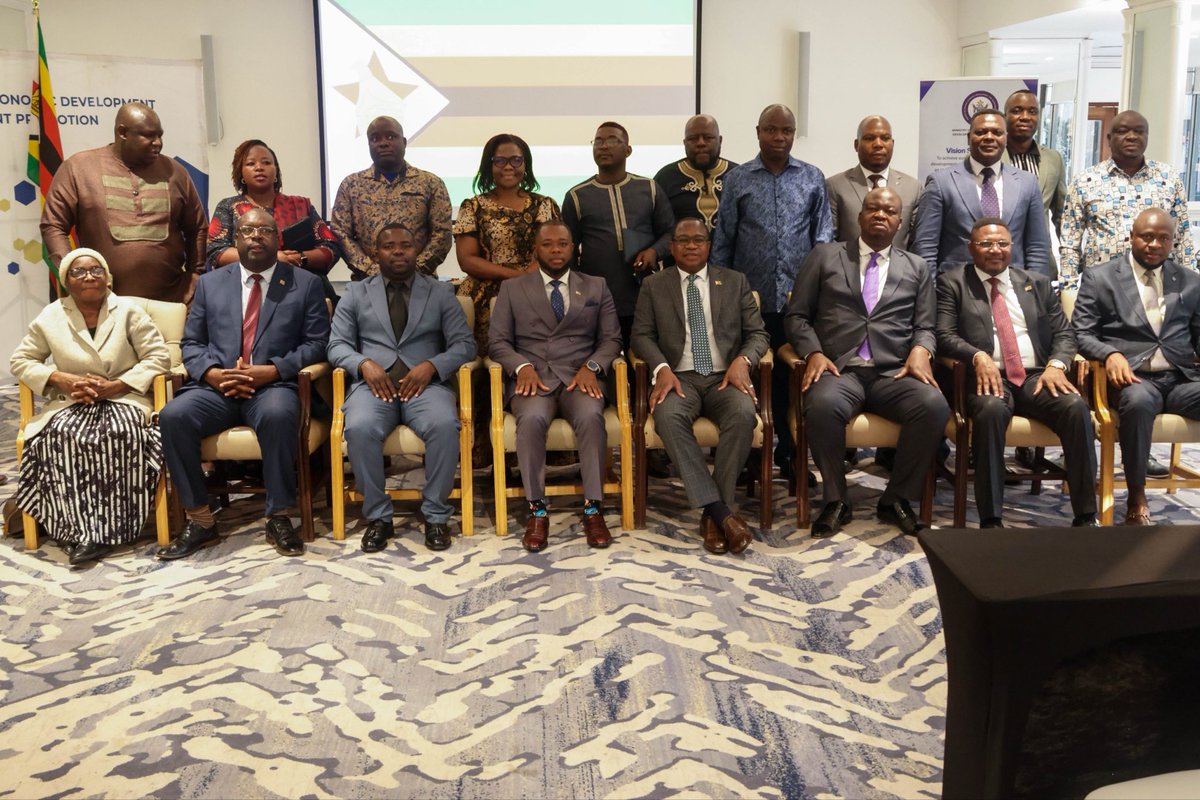
The Ministry of Finance, Economic Development and Investment Promotion has launched stakeholder consultations to gather input into the formulation of the 2026 Mid-Term Budget and Economic Review and the 2027 Budget Strategy Paper (BSP).
https://t.co/hx4XM1VNoG