The Easiest Way To Grow Aquarium Plants Faster!
How the fish poop fertilization method works - https://t.co/3VYJB5RZU2
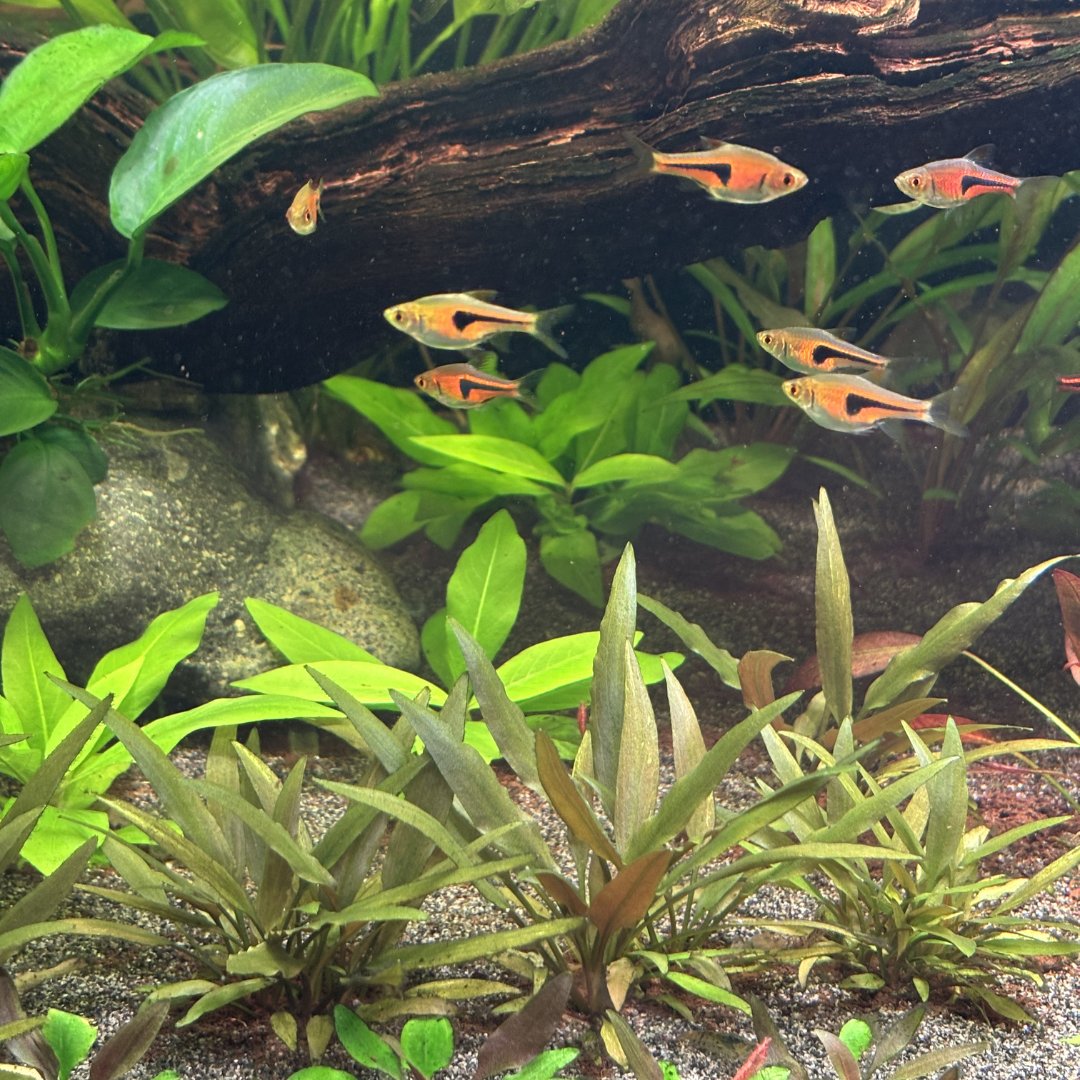
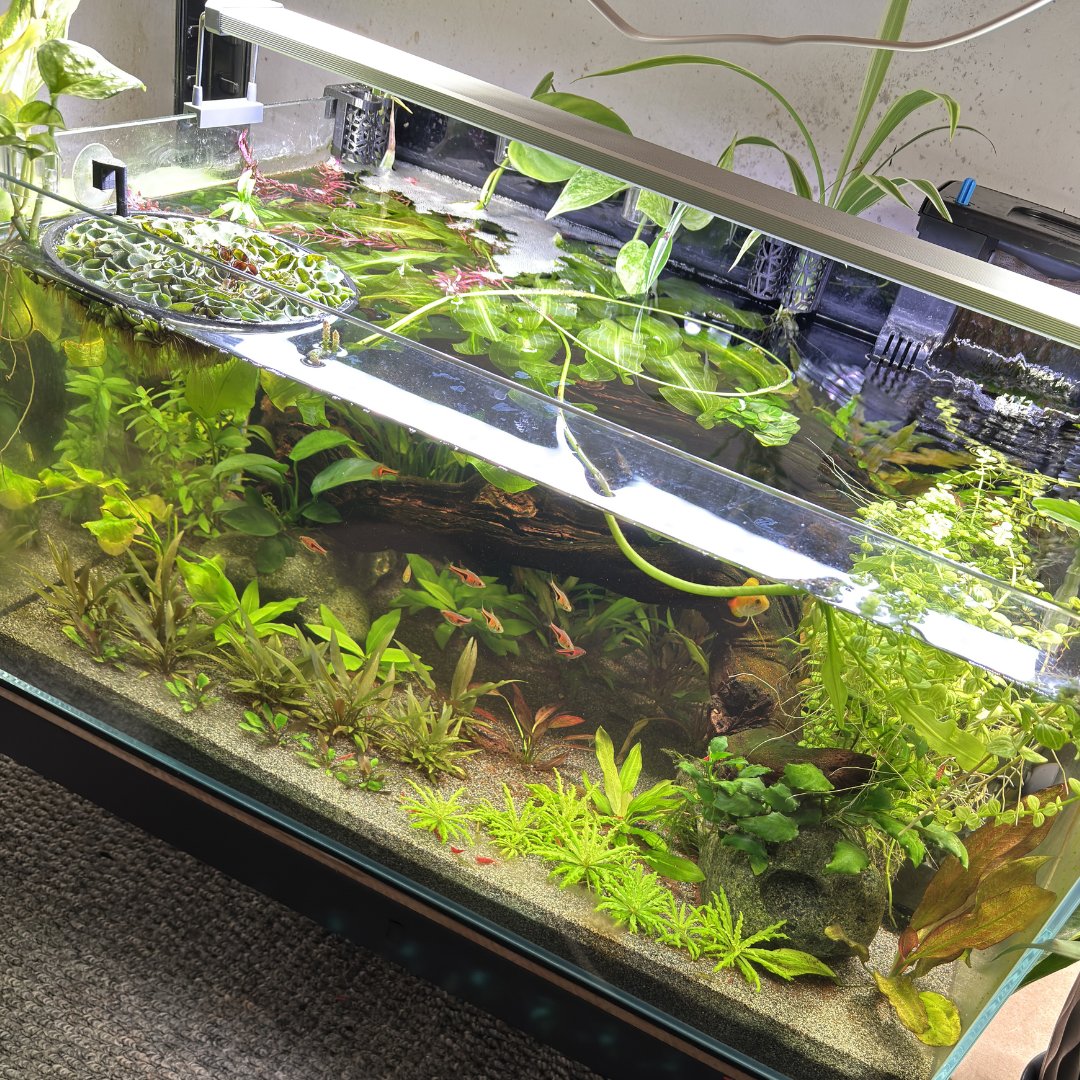
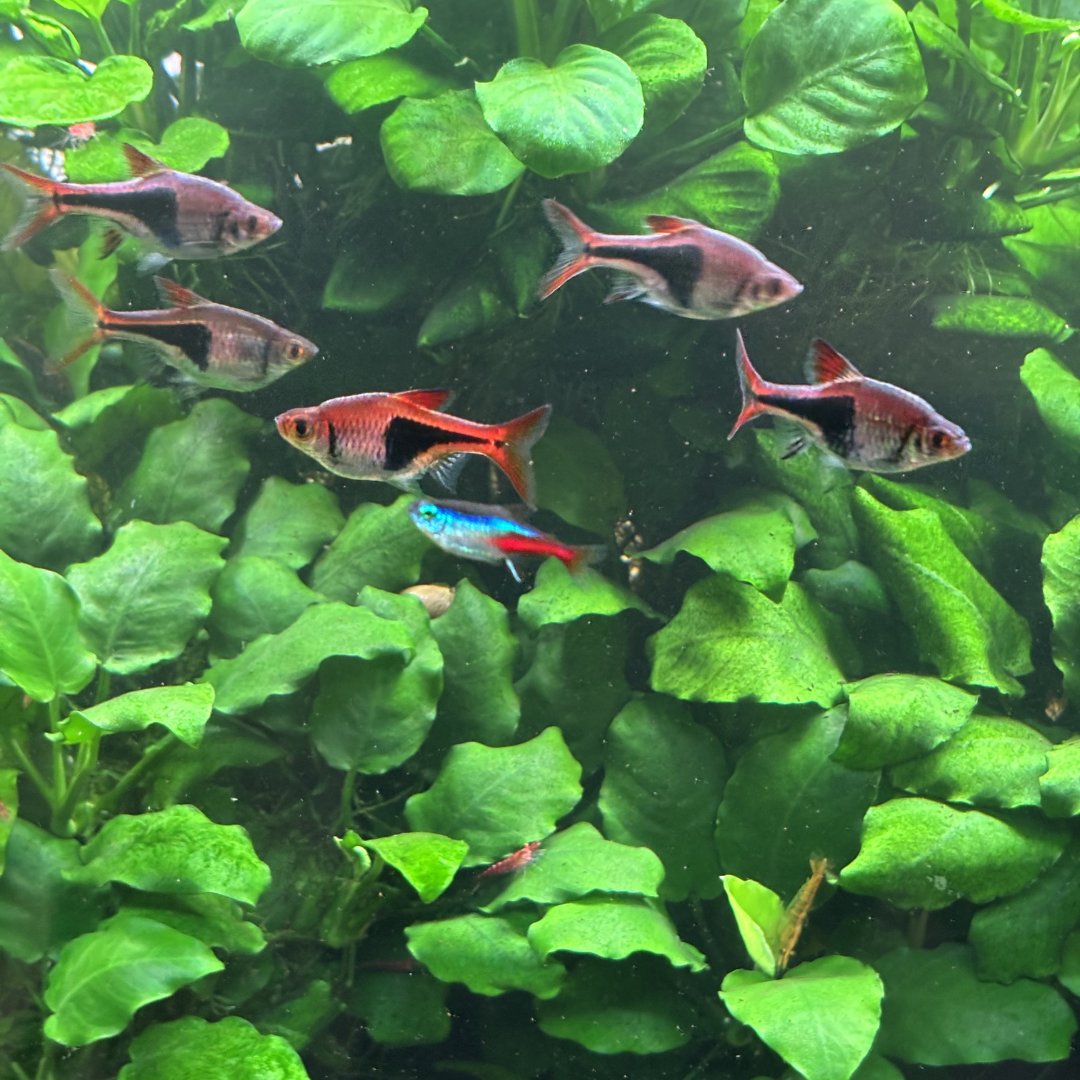
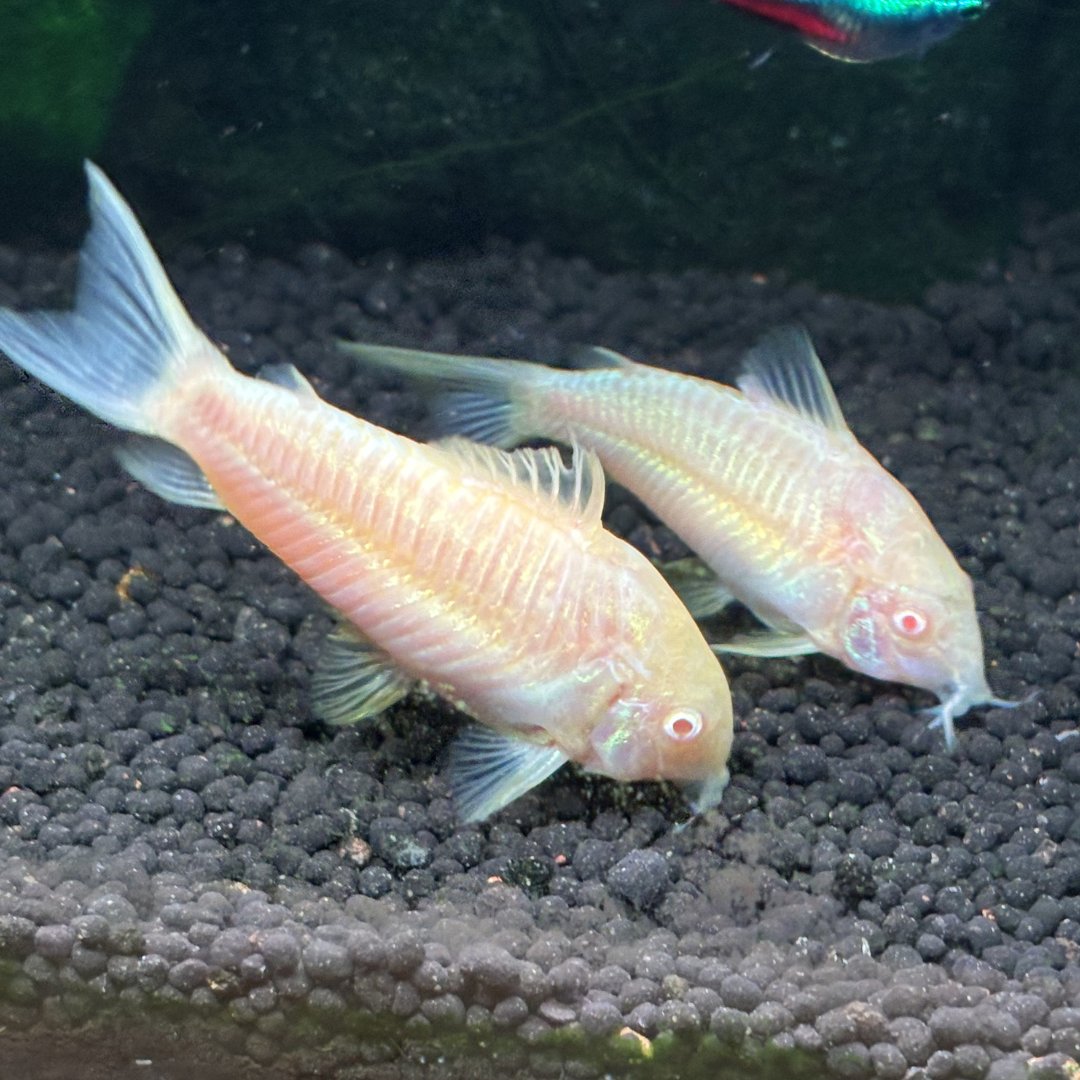
Want faster plant growth in your planted aquarium without immediately reaching for fertilisers? One of the easiest changes you can make might be something you're already doing every day: feeding your fish.
A lot of hobbyists focus on buying stronger lights, adding CO₂ systems, or constantly changing fertilisers, but sometimes the limiting factor is simply that there aren't enough nutrients being added to the aquarium in the first place. That's especially common in low-bioload tanks with species like bettas or shrimp, where very little food is going into the system.
I'm not suggesting you suddenly double the amount you feed your fish. Instead, a small increase in feeding can provide more nutrients for your plants through the natural waste produced by your livestock. It's a simple approach that I've been using in several of my own aquariums after moving away from liquid fertilisers, and the results have been surprisingly consistent.
I have a full article on my website covering the fish poop fertilisation method in more detail, but the basic idea is that fish waste eventually breaks down into nutrients that aquatic plants can use. As organic waste decomposes, it can also contribute a small amount of natural CO₂, giving plants another potential source of carbon in low-tech aquariums.
Of course, lighting, plant selection, water parameters, and CO₂ availability still play major roles in plant growth, so this isn't a magic fix for every tank. However, if your aquarium has a healthy balance already, slightly increasing feeding can sometimes be enough to noticeably improve growth without buying additional equipment.
One easy way to monitor how your aquarium responds is by using a liquid test kit to check your nitrate level. Nitrate is one of the main macronutrients aquatic plants use, and in my own planted tanks I've consistently seen stronger growth when nitrate stays around 10-20 ppm compared to tanks that remain below 10 ppm.
As always, avoid overfeeding. Only increase feeding gradually and make sure your fish consume most of the food you add. If you're worried about leftovers, shrimp, snails, and other clean-up crew members can often help consume uneaten food before it has a chance to cause problems.
Have you ever tried relying on fish waste as your main fertiliser? Let me know what results you've had in your own planted aquarium.
#aquarium #fishtank #fishkeeping #plantedtank #plantedaquarium
The Water Change Myth Everyone Believes!
One of the biggest myths in the aquarium hobby is that large water changes are always dangerous. In reality, it's not the percentage of water you change that matters most, it's how closely the new water matches the water already in your aquarium.
In this video I explain why the common "25% water change every week" recommendation isn't a universal rule. While there are situations where changing around 25% makes sense, such as gradually reducing nitrate levels, many people repeat the advice without understanding why. Over time, that has led to the misconception that anything larger will automatically shock your fish.
The truth is that many aquariums can safely handle much larger water changes when they're done correctly. Matching the temperature of the new water, using a dechlorinator, and making sure key water parameters are reasonably similar can make a huge difference.
In my own heavily planted aquariums, the Total Dissolved Solids (TDS) stay surprisingly close to my tap water because the plants help maintain stable water conditions. That means I can perform larger water changes when needed without causing problems. Every aquarium is different though, so it's always worth checking your own parameters rather than relying on general advice.
Affordable tools like a TDS meter, digital thermometer, pH meter, GH/KH test kit, and a standard aquarium liquid test kit can help you compare your aquarium water to your tap water before carrying out larger water changes. Spending a few minutes checking your parameters is far more useful than blindly following an old rule that may not apply to your setup.
The goal isn't to encourage everyone to do massive water changes. It's to show that one larger water change can often be a perfectly reasonable option if your schedule doesn't allow for several smaller ones. Understanding why you're changing water is far more important than sticking to an arbitrary percentage.
Hopefully this video clears up one of the most common aquarium myths and helps you make better decisions based on your own tank instead of outdated advice.
#aquarium #fishtank #fishkeeping #tropicalfish
The Floating Plant Mistakes Everyone Makes (And How to Fix Them)
📖 My accompanying article for this video - https://t.co/QLZ9pZpNXg
🌿 Check out my care guides for floating plants - https://t.co/1pocwuLoni
🛒 Aquarium Equipment I Personally Use & Recommend → https://t.co/J0rQu3ZkEr
🌿 Find The Perfect Aquarium Plants
🌿 Explore All Aquarium Plants → https://t.co/rMp8MyFuki
🟢 Beginner Plants → https://t.co/ctK6nkbkxe
💧 Plants That Help Keep Water Clean → https://t.co/UKkxc8g3vh
🌱 Floating Plants → https://t.co/1pocwuLoni
🍀 Carpeting Plants → https://t.co/NzVsTAAHh9
✂️ Low Maintenance Plants → https://t.co/EXJ5fPa2vG
💬 Need Help?
❓ Join the FREE Glass Box Diaries Discord.
It's the best place to ask questions because I receive nearly 200 aquarium questions every day across social media. → https://t.co/bdhZXSwCuo
🌍 Follow Glass Box Diaries Everywhere → https://t.co/OFE7qRr7A2
The Floating Plant Mistakes Everyone Makes (And How to Fix Them)
Floating plants can completely transform an aquarium. They provide shade for fish, absorb nutrients from the water, help reduce algae by competing for those nutrients, and create a much more natural-looking aquarium. Despite being recommended as beginner-friendly plants, many aquarists still struggle to keep them alive, often watching them slowly melt away without knowing why.
In this video, I break down nine of the most common reasons floating plants fail and explain the simple changes that can help them recover. Most problems aren't caused by a lack of experience. Instead, they're usually the result of a few small mistakes that are surprisingly easy to fix once you know what to look for.
One of the biggest causes of floating plant failure is filters. Many hang-on-back filters, sponge filters, and internal filters either splash the leaves or repeatedly force the plants underwater. Over time this can cause many species to melt, but there are several simple ways to solve the problem, including floating plant rings, filter blockers, and choosing species that are naturally more tolerant of these conditions.
I also cover why tightly fitting aquarium lids can sometimes cause floating plants to struggle, why newly purchased tissue culture plants often look worse before they look better, and why excessive surface flow can prevent many floating plants from thriving. These are all issues that are frequently overlooked but can make a huge difference to long-term success.
Nutrient deficiencies are another major topic. Floating plants are incredibly fast growers and can quickly remove nutrients from the water, especially in lightly stocked aquariums with shrimp or betta fish. I explain how to recognise when this might be happening, why it often catches people by surprise, and the different ways you can restore the nutrient balance, whether that's through liquid fertilisers or increasing the natural nutrient production within the aquarium.
The video also looks at snail damage, as some species feed on the fine root fibres that floating plants rely on to absorb nutrients. While this isn't something every aquarium experiences, it can become a frustrating problem once certain snail populations become established.
Lighting is another factor that's easy to miss. Even if your aquarium appears bright enough, your floating plants may not actually be sitting inside the area receiving the strongest light. I explain how light spread can affect growth and why simply changing the height of your light can sometimes solve the problem without needing a more powerful fixture.
Temperature also plays an important role because floating plants are exposed to the air above the aquarium rather than just the heated water below. Different species have evolved in different climates, so some are naturally far more tolerant of seasonal temperature changes than others. Choosing species that match your room conditions can dramatically improve your success.
Finally, I explain why the problem isn't always your aquarium at all. Sometimes floating plants arrive from the retailer already in poor condition due to incorrect storage before you bought them. Learning how to recognise unhealthy plants before making changes to your aquarium can save you a huge amount of time, money, and frustration.
#aquarium #fishtank #fishkeeping #tropicalfish #plantedtank #plantedaquarium #aquaticplants #aquariumplants
TIMESTAMPS
00:00 - Intro
00:26 - Problem 1
02:44 - Problem 2
03:49 - Problem 3
04:59 - Problem 4
06:20 - Problem 5
08:18 - Problem 6
10:46 - Problem 7
11:41 - Problem 8
13:02 - Problem 9
This Budget Light Grew An Aquarium Carpet!
One of the biggest myths in the planted aquarium hobby is that you need an expensive aquarium light and a pressurised CO₂ system to grow a healthy carpet. While those things can certainly help, they're far from essential if you choose the right plants for your setup.
The light I'm Using - https://t.co/TrRMUBzpey
(Affiliate Link, I Get Commissions)
The Plant I'm Growing - https://t.co/PTRV76Ijpc
Other Low-Tech Carpeting Plants - https://t.co/NzVsTAAHh9
This aquarium is running a very affordable Seaoura SR616 LED light with no CO₂ injection at all, yet it's still supporting a carpet alongside the rest of the plants in the tank. The light has been running at maximum intensity, and during the time this carpet has been growing I've experimented with both 6-hour and 12-hour photoperiods with good results.
The carpeting plant you're looking at is Helanthium tenellum 'Green', which I genuinely think is one of the easiest carpeting plants available for low-tech planted aquariums. It's much more forgiving than many of the popular carpeting species people recommend online, making it a great option for beginners or anyone trying to keep costs down. I've also put together a full care guide for it on my website for anyone who wants more detailed information.
The carpet is still a little patchy, but that's completely expected. In hindsight, I could have planted another one or two pots when I first set the aquarium up, and it would have filled in much faster. Given enough time, though, it will continue spreading naturally through runners.
For me, this tank proves an important point. Success in planted aquariums isn't always about buying the most expensive equipment. In many cases, choosing plants that naturally suit your lighting, water parameters, and maintenance routine will give you far better results than simply throwing money at the problem.
There's often far too much focus on high-end lighting, CO₂ systems, and expensive substrates, when many beautiful planted aquariums can be created using budget-friendly equipment and carefully selected plant species. Understanding what each plant actually needs is usually far more valuable than chasing the latest gear.
Low-tech planted aquariums can produce amazing results when expectations match the equipment being used, and hopefully this aquarium shows exactly that.
#aquarium #fishtank #fishkeeping #plantedtank #plantedaquarium #aquaticplants #aquariumplants
125-Day Planted Aquarium Update (Inert Sand, No CO₂, No Root Tabs)
This is my 70-litre (18 US gallon) planted aquarium, now 125 days old and home to two honey gouramis, nine lambchop rasboras, and a colony of mixed-line Neocaridina shrimp.
The tank uses inert sand with no root tabs, a Seachem Tidal 35 filter, and a Chihiros B Series light. I moved the honey gouramis over a couple of weeks ago, and they've settled in perfectly. One has claimed the back left corner, the other the back right, and one has already started building a bubble nest.
The lambchop rasboras are doing well too, and I'm thinking about increasing the group soon. I was originally considering adding Panda Corydoras, but I'm now leaning more towards moving my ember tetras and pygmy corydoras over from another aquarium instead.
The "Skittles" Neocaridina colony originally included red, orange, yellow, and blue lines. Apart from the reds, most have gradually lost their colour over time, although they still produce some really interesting wild-type shrimp.
Overall, I'm really happy with how the plants are progressing. I recently added an Echinodorus 'Aflame', which is supposed to be an easy red sword plant, so it'll be interesting to see how it performs over the coming months.
The standout plant has to be the Aponogeton ulvaceus. Most nurseries recommend growing it in a nutrient-rich substrate, yet it's thriving in plain inert sand and has already produced both runners and a flower.
Several other plants that are usually considered heavy root feeders are doing well too, including all of the Cryptocoryne species and most of the Echinodorus swords, although my Echinodorus 'Tricolour' is still taking its time.
The houseplants are starting to fill in nicely as well, with spider plants, Epipremnum, and Philodendron all taking advantage of the warmer summer weather.
The only real challenge at the moment is algae.
I'm fairly sure it's being fuelled by excess organics released as the Centurion wood decomposes, but thankfully it's gradually becoming less of an issue as the tank continues to mature.
PLANT LIST
Rotala Blood Red SG
Hygrophila Polysperma
Hygrophila Compact
Lindernia Rotundifolia
Pogostemon Helferi
Echinodorus Reni
Echinodorus Regine Hilderbrandt
Echinodorus Aflame
Echinodorus Tricolor
Cryptocoryne Undulata 'Broad Leaf'
Cryptocoryne Beckettii Petchii Pink
Cryptocoryne Lutea Hobbit
Aponogeton Ulvaceus
Nymphaea Aquatica
Anubias Nana Kirin
Anubias Stardust
Salvinia Cucullata
#aquarium #fishtank #fishkeeping #tropicalfish #lowtechtank
125-Day Planted Aquarium Update (Inert Sand, No CO₂, No Root Tabs)
This is the latest update on my 70-litre (18 US gallon) planted aquarium, now 125 days old, and I'm really happy with the progress it's made so far. The tank is home to two honey gouramis, nine lambchop rasboras, and a mixed-line "Skittles" colony of Neocaridina shrimp. Despite using inert sand with no root tabs, the aquarium continues to grow a wide variety of plants surprisingly well under a Chihiros B Series light with filtration provided by a Seachem Tidal 35.
The honey gouramis only moved into this aquarium a couple of weeks ago, but they settled in almost immediately. One has claimed the back left corner while the other has taken over the back right, and one has already started building a bubble nest. The lambchop rasboras are thriving too, and I'm considering increasing the size of the school. I originally planned to add Panda Corydoras, but I'm now leaning towards moving my ember tetras and pygmy corydoras into this aquarium instead.
The mixed-line Neocaridina shrimp are still breeding well. The colony originally included red, orange, yellow and blue shrimp, although apart from the reds, many of the other colour lines have gradually faded over time. Even so, they continue to produce some really interesting wild-type shrimp with unique patterns and colours.
One of the newest additions is an Echinodorus 'Aflame', which is often recommended as an easy red sword plant. It'll be interesting to see how it develops over the coming months. The real star of the aquarium, though, has to be the Aponogeton ulvaceus. It's commonly recommended for nutrient-rich substrates, yet it's thriving in plain inert sand, producing long flowing leaves, runners, and even a flower.
Several plants that are usually described as heavy root feeders are also growing far better than many people would expect. The Cryptocoryne species and most of the Echinodorus swords are doing extremely well, although the Echinodorus 'Tricolour' seems to be growing more slowly than the others at the moment.
The emersed houseplants are beginning to fill in nicely too. The spider plants, Epipremnum, and Philodendron have all put on noticeable growth as the warmer summer weather has arrived, helping to create a more natural riparian look above the aquarium.
The biggest challenge right now is algae. I'm fairly sure it's being fuelled by excess organics released from the Centurion wood, which started decomposing much faster than I expected after it was added to the tank. Thankfully, the problem is slowly fading as the aquarium continues to mature.
Overall, I'm really pleased with how this low-tech planted aquarium is developing, and it'll be interesting to see how it looks over the next few months as the plants continue to establish and the ecosystem becomes even more stable.
#aquarium #fishtank #fishkeeping #tropicalfish #lowtechtank
I Removed My Guppies... Everything Changed (Planted Aquarium Update)
What happens when you remove the main predator from a planted aquarium? That's exactly what I'm finding out after taking the guppies out of one of my tanks and giving them to a friend for his breeding project.
Within just a couple of weeks, the ecosystem has already started changing in some really interesting ways. The biggest difference has been the sudden explosion in the flatworm population. Although they look similar to planaria at first glance, I believe they're harmless flatworms because their heads have a different shape. It seems very likely that the guppies had been quietly controlling their numbers without me ever noticing.
I've also seen a huge increase in what I believe are freshwater copepods, although I'm not completely certain of the identification. Whatever they are, their population has grown dramatically since the guppies were removed, suggesting they were another natural food source that the fish had been keeping in check.
Freshwater limpets are still present too, although I haven't noticed any significant change in their numbers just yet. It'll be interesting to keep watching over the coming weeks to see if they also respond to the absence of the guppies.
The Neocaridina shrimp continue to thrive as usual. Despite keeping guppies with them for years, I've never actually witnessed the guppies eating either adult shrimp or shrimplets. Even so, I'm curious to see whether the shrimp population grows more quickly now that one potential predator has been removed from the aquarium.
Of course, ecosystems are always changing, and this experiment probably won't stay this way for long. I've recently introduced medaka ricefish fry into the tank and, as they grow, they'll almost certainly begin feeding on some of these tiny invertebrates. That should shift the balance of the aquarium once again and create an entirely new food web.
It's a great reminder that every species in an aquarium influences the ecosystem, even in ways we don't always notice. Sometimes removing just one fish can trigger a chain reaction that affects countless other organisms living in the tank.
#aquarium #fishtank #fishkeeping #tropicalfish #guppies #guppy
Why Seeded Aquariums Still Need To Cycle!
Does adding mature filter media instantly cycle a new aquarium? Not always.
One of the biggest myths in the aquarium hobby is that squeezing out a mature filter or moving established filter media guarantees an instant cycle. While it can definitely speed things up, the reality is much more complicated.
Not all of the microorganisms responsible for biological filtration are the same. Different groups have different environmental preferences, ammonia tolerances, and growth rates. A mature aquarium with virtually no ammonia may be dominated by ammonia-oxidising archaea, while a brand-new aquarium experiencing elevated ammonia often favours ammonia-oxidising bacteria instead. This means the microorganisms you're transferring may not be the ones best suited to the new tank.
Water chemistry also plays a huge role. Differences in pH, temperature, alkalinity, hardness, and even phosphate availability can all affect how efficiently these microorganisms work. Moving mature media from a cool, hard water aquarium into a warmer, soft water setup may provide far less biological filtration than many people expect.
Heterotrophic bacteria add another layer of complexity. They can temporarily reduce ammonium by incorporating it into new cells as they grow, but they also require an organic carbon source. Since brand-new aquariums usually contain very little organic matter, their contribution is often smaller than people realise.
Another common misconception is that almost all beneficial microorganisms live inside the filter. In reality, large populations also colonise the substrate, plants, rocks, wood, decorations, and every other surface in the aquarium. Depending on the setup, transferring mature filter media may only move a fraction of the established microbial community.
Dissolved oxygen matters too. Most of the microorganisms responsible for nitrification need plenty of oxygen to work efficiently. If the new aquarium runs warmer with less surface agitation, like many betta tanks, the transferred microorganisms may not perform as well as they did in the donor aquarium.
Seeding a new aquarium with mature media is still one of the best ways to speed up cycling, and in some situations it may be enough to safely stock a tank. The important thing is not to assume it's guaranteed. Always monitor your water parameters and let the aquarium tell you when it's fully cycled rather than relying on the filter media alone.
#aquarium #fishtank #fishkeeping #tropicalfish
16 Easy Plants For Nano Aquariums (Perfect For Beginners)!
💡 Entry-Level Plant Light - https://t.co/v3cL5XlIbr
💡 Intermediate Plant Light - https://t.co/KBV2iEEtxU
💡 Advanced Plant Light - https://t.co/YQBAbDOq9O
(Affiliate Links - I Get A Commission From Qualifying Purchases)
🌿 My Accompanying Article For This Video - https://t.co/famV0r31fk
🌿 More Nano Tank Friendly Plants - https://t.co/6isjtElHdZ
🛒 Aquarium Equipment I Personally Use & Recommend → https://t.co/J0rQu3ZkEr
🌿 Find The Perfect Aquarium Plants
🌿 Explore All Aquarium Plants → https://t.co/rMp8MyFuki
🟢 Beginner Plants → https://t.co/ctK6nkbkxe
💧 Plants That Help Keep Water Clean → https://t.co/UKkxc8g3vh
🌱 Floating Plants → https://t.co/1pocwuLoni
🍀 Carpeting Plants → https://t.co/NzVsTAAHh9
✂️ Low Maintenance Plants → https://t.co/EXJ5fPa2vG
💬 Need Help?
❓ Join the FREE Glass Box Diaries Discord.
It's the best place to ask questions because I receive nearly 200 aquarium questions every day across social media. → https://t.co/bdhZXSwCuo
🌍 Follow Glass Box Diaries Everywhere → https://t.co/OFE7qRr7A2
16 Easy Plants For Nano Aquariums (Perfect For Beginners)!
Finding the right plants for a nano aquarium is harder than many people think because a lot of the advice online focuses on species that either outgrow smaller tanks or require expensive equipment to look their best. In this video, I share some of my favourite aquarium plants for nano tanks that I've successfully grown in my own low-tech aquariums without injected CO₂.
For this guide, I'm classing a nano aquarium as anything 45 litres (12 US gallons) or smaller. Every plant featured has been grown in my own tanks, making these recommendations based on real experience rather than theory. Whether you're setting up your first planted aquarium or looking for new species to try, there should be something here for you.
I start by covering background plants, including Bacopa caroliniana and Cryptocoryne crispatula. Both are beginner-friendly species that can create a lush backdrop without needing expensive lighting or complicated care. Bacopa offers a classic stem plant appearance and can even develop attractive brown and reddish tones under affordable lighting, while Cryptocoryne crispatula provides a completely different look with long flowing leaves that work beautifully in smaller aquariums.
Next, I move on to some of my favourite midground plants. Echinodorus 'Tropica' gives you the appearance of an Amazon Sword in a much smaller package, making it perfect for nano tanks. Hottonia palustris is an underrated stem plant with delicate feathery foliage that performs especially well in room-temperature aquariums, while Cryptocoryne beckettii 'Petchii' is a fantastic choice if you want to introduce bronze and brown tones without investing in high-end lighting.
For the foreground, I recommend Pogostemon helferi and Cryptocoryne albida 'Brown'. Pogostemon helferi has one of the most distinctive leaf shapes in the hobby and has grown well for me even in inert sand, while Cryptocoryne albida 'Brown' is one of my favourite plants for breaking up all the green in a low-tech aquarium thanks to its natural brown colouration.
I also explain the difference between foreground plants and true carpeting plants before covering Helanthium tenellum 'Green' and Marsilea hirsuta. Both species can form beautiful carpets in low-tech aquariums, although I also show how different lighting levels affect their growth rate and how long it takes for them to spread across the substrate.
No planted aquarium guide would be complete without epiphytes. I cover some of the best species for attaching to rocks and driftwood, including Anubias nana, Anubias 'Petite', several Bucephalandra varieties and Taiwan Moss. These plants are incredibly versatile, easy to maintain and are perfect for adding texture, colour and detail to your hardscape. Mosses also provide excellent grazing areas for shrimp by encouraging biofilm and microalgae growth.
Floating plants are another important part of many low-tech aquariums, so I also discuss Salvinia minima, Salvinia cucullata and Ricciocarpos natans. While fast-growing floating plants can help absorb excess nutrients and reduce the chances of algae, slower-growing species such as Ricciocarpos natans can provide many of the same benefits while requiring much less maintenance.
#aquarium #fishtank #fishkeeping #nanotank #plantedtank #plantedaquarium
TIMESTAMPS
00:00 - Intro
00:35 - Background Plants
01:32 - Midground Plants
03:18 - Foreground Plants
05:01 - Carpeting Plants
06:27 - Epiphyte Plants
08:33 - Floating Plants
10:34 - Red Plants
Unboxing A New Plant Haul For My Planted Betta Tank!
Here's a quick look at my latest aquatic plant haul and the setup of a brand-new betta aquarium.
I ordered these plants from ProShrimp for £38.33 including UK shipping, which is a pretty reasonable price compared to many other aquatic plant retailers. Everything arrived in excellent condition with healthy roots and plenty of plant mass, which is always a good sign when buying plants online.
The order included Cryptocoryne 'Mi Oya', two pots of Nymphoides hydrophylla 'Taiwan', and three pots of Hydrocotyle tripartita. The Cryptocoryne is actually destined for another aquarium because I've grown it before and know it's a fantastic species. The other two plants are completely new to me, so it'll be interesting to see how they perform over the coming months.
The aquarium itself was already fully cycled before anything was added, meaning the beneficial bacteria were established and the water parameters were safe for livestock from day one. It's a 30-litre (8 US gallon) aquarium running a Nicrew Slim hang-on-back filter, a Fluval T Series heater, and a Chihiros A Series LED light. While the Chihiros is a great light, this layout would also grow perfectly well under many cheaper aquarium lights.
For the aquascape, I used Hydrocotyle tripartita throughout the foreground and along both sides of the aquarium to naturally draw your eye towards the centre. The Nymphoides hydrophylla 'Taiwan' was planted across the back to create a dense green background that should only look better as it grows in.
A few days later I finally managed to buy the plant I'd been waiting for: Nymphaea 'Peru Puerto Maldonado'. It had been out of stock for quite a while and sold out again within just 48 hours, so I was lucky to get one. It's already beginning to develop the deep red colouration that makes it such a stunning centrepiece.
Since the aquarium had already been cycled, I was also able to introduce my new betta from Alternative Aquarist immediately. So far everything has settled in really well, there hasn't been any noticeable plant melt, and I'm looking forward to seeing how this planted betta tank develops over the coming months.
#aquarium #fishtank #fishkeeping #bettatank #betta #bettafish #bettafishtank #plantedtank #plantedaquarium #tropicalfish
Self-Cleaning Aquarium - No Filter, No CO2, No Liquid Fertilizers, And Low Water Changes! - Month 11
Products Used
🐟 Tank (Or Similar) - https://t.co/Uc6phLofDJ
💡 Light - https://t.co/EGubzEyN4g
🌡️ Heater - https://t.co/WdQqTrmIEQ
💡 House Plant Grow Light - https://t.co/3bEwjRfML8
💧 USB Water Pump - https://t.co/dv7TX6HU2r
🧪 Tap Water Conditioner - https://t.co/SQY28DBPo2
🖨️ 3D Printed Plant Holders - https://t.co/oQ4OM1hp8I
(Affiliate Links - I Get A Commission From Qualifying Purchases)
🍃 How Self-Cleaning Aquariums Work - https://t.co/ySx9sTTiaI
🛒 Aquarium Equipment I Personally Use & Recommend → https://t.co/J0rQu3ZkEr
🌿 Find The Perfect Aquarium Plants
🌿 Explore All Aquarium Plants → https://t.co/rMp8MyFuki
🟢 Beginner Plants → https://t.co/ctK6nkbkxe
💧 Plants That Help Keep Water Clean → https://t.co/UKkxc8g3vh
🌱 Floating Plants → https://t.co/1pocwuLoni
🍀 Carpeting Plants → https://t.co/NzVsTAAHh9
✂️ Low Maintenance Plants → https://t.co/EXJ5fPa2vG
💬 Need Help?
❓ Join the FREE Glass Box Diaries Discord.
It's the best place to ask questions because I receive nearly 200 aquarium questions every day across social media. → https://t.co/bdhZXSwCuo
🌍 Follow Glass Box Diaries Everywhere → https://t.co/OFE7qRr7A2
Self-Cleaning Aquarium - No Filter, No CO2, No Liquid Fertilizers, And Low Water Changes! - Month 11
This is the 11-month update on my self-cleaning aquarium, a tank that was designed from the beginning to minimise maintenance by letting natural biological processes do as much of the work as possible. Rather than relying on frequent water changes and heavy maintenance, the system uses plants to help maintain water quality, meaning my regular tasks are simply topping up evaporated water, trimming excess plant growth, and feeding the livestock.
In this update I cover how the aquarium handled the recent UK heatwave, how the Celestial Pearl Danios, Orange Neocaridina shrimp, and Amano shrimp are doing, and take a look at how the aquarium plants have developed over the last month.
The CPDs made it through the hot weather without any losses, helped by increased surface agitation to maximise dissolved oxygen. I also discuss why oxygen levels are often a bigger concern than water temperature during heatwaves, and why improving gas exchange can make such a difference.
The shrimp colony continues to thrive, with the Orange Neocaridina breeding so successfully that I was able to give ten away while barely making a dent in the overall population. The Amano shrimp are as entertaining as ever, racing to shrimp pellets before the Neocaridina move in to finish the leftovers.
On the plant side, most species are growing well, although a few have produced some interesting results. The new Cryptocorynes are settling in nicely, while my Helanthium tenellum carpet has grown much slower than expected. I also discuss my ongoing struggles with Hygrophila difformis in soft water and why I'm beginning to wonder if water hardness may play a larger role than many people realise.
The houseplants growing around the rim of the aquarium have become one of the biggest surprises. Species like Peace Lily and Pothos have put on huge amounts of growth over the last few weeks and now appear to be playing a major role in nutrient uptake, helping keep the aquarium stable.
I also introduce the next evolution of this project: an ecosystem-style aquarium that builds on the self-cleaning concept by adding a dedicated botanical bed where leaf litter can slowly decompose and support a wider range of organisms. My long-term goal is to develop a flexible framework that works with filtered or filterless aquariums, aquasoil, capped dirt, or inert substrates, allowing people to build thriving freshwater ecosystems that suit their own goals rather than following a single fixed method.
If you'd like to learn more about how this self-cleaning aquarium works, you'll find links to the full articles and additional resources below.
Thanks for watching, and if you're building a similar aquarium yourself, I hope this update gives you a few useful ideas for your own setup.
#aquarium #fishtank #fishkeeping
TIMESTAMPS
00:00 - Intro
00:43 - Fish
02:08 - Shrimp
02:48 - Aquarium Plants
04:48 - House Plants
06:00 - Version 2
My Aquarium Is 840 Days Old… Here's How It's Doing...
Over the last month it's had a couple of major upgrades, with the biggest being a new Seachem Tidal 55 filter and a Seaoura SR659 light.
So far, both have been performing really well, and I'm happy with the improvements they've made.
I also recently mentioned that my Siamese algae eater had started eating some of my plants, but thankfully that seems to have stopped. It may have been stress caused by last week's heatwave.
It also looks like one of my zebra danios is carrying eggs.
There are plenty of fish in the tank that would happily eat any fry, but there are also lots of dense plants for them to hide in, so it'll be interesting to see if any manage to survive.
Other than that, all of the fish are doing well, and the shrimp population continues to thrive.
I'll be taking down one of my shrimp tanks soon to make room for another aquarium, and when I do, all of the cherry shrimp will be moved into this tank to give the Neocaridina colony an even bigger boost.
The plants are all growing well too.
I thought I'd removed every Nymphaea lotus 'Green' bulb over a year ago, but at least one must have survived because it's started sending lily pads up to the surface again.
The houseplants with their roots growing in the aquarium are doing really well as well.
I recently upgraded the pothos and spider plant to a new grow light, and both have already started putting out plenty of fresh growth.
The pothos has even sent out a long runner, which I'm training along the light to create a natural green backdrop behind the aquarium.
Overall, I'm really happy with how this tank is developing, and apart from that brief issue with the Siamese algae eater, everything seems to be heading in the right direction.
PLANT LIST
Echinodorus Bleheri
Echinodorus Cordifolius 'Fluitans'
Echinodorus Aquartica
Echinodorus Ozelot Red Flamed
Echinodorus Red Diamond
Echinodorus Tropica
Anubias Barteri Var. Barteri
Anubias Glabra
Anubias Coin Leaf
Anubias Nana
Cryptocoryne Hudoroi
Java Fern
Lagenandra Meeboldii Red
Nymphaea Lotus Green
#aquarium #fishtank #fishkeeping #tropicalfish #plantedtank #plantedaquarium
My Planted Community Aquarium Is 840 Days Old… Here's How It's Doing...
Today marks 840 days since I set up my 160 litre (40 US gallon) planted community aquarium, so I thought it was a good time for another update.
Over the last month, this aquarium has had a couple of major upgrades. The biggest changes were replacing the old filter with a Seachem Tidal 55 and upgrading the lighting to the Seaoura SR659. So far, both upgrades have been performing really well. The new filter is much quieter, provides excellent flow, and the new light has been encouraging healthy plant growth while giving the aquarium a brighter, more natural appearance.
I also recently shared that my Siamese algae eater had started eating some of my plants, particularly a few of my Echinodorus species. Thankfully, that behaviour now seems to have stopped. It may simply have been a temporary stress response caused by last week's heatwave, but I'll continue keeping an eye on it over the coming weeks to see if the behaviour returns.
Another interesting development is that one of my zebra danios appears to be carrying eggs. While there are plenty of fish in this aquarium that would happily eat any fry, there are also lots of dense plants, mosses and hiding places throughout the tank. If any fry do hatch, it'll be interesting to see whether a few manage to survive naturally without any intervention.
Apart from that, all of the fish seem to be doing really well. The shrimp population continues to thrive too. I'll actually be taking down one of my dedicated shrimp tanks soon to make room for another aquarium, and when I do, all of those cherry shrimp will be moved into this tank, giving the Neocaridina colony another big boost.
For anyone interested in the plants, I've included the full plant list in the video. Despite the brief issue with the Siamese algae eater, everything has been growing really well. One surprise was discovering that at least one Nymphaea lotus 'Green' bulb survived after I thought I'd removed them all over a year ago. It's now started sending lily pads back up to the surface, which was completely unexpected.
The houseplants growing with their roots submerged are also thriving. I recently upgraded both the pothos and spider plant to a new grow light mounted behind the aquarium, and they've already started producing lots of fresh growth. One of the pothos vines has even begun sending out a long runner, which I'm carefully training along the light to create a living green backdrop behind the aquarium.
This aquarium has now been running for well over two years, and it's always interesting to see how it continues to evolve. Plants mature, fish establish their own behaviours, shrimp colonies expand, and even unexpected surprises like dormant lily bulbs can appear months or even years later. That's one of my favourite things about keeping established planted aquariums—there's always something new happening.
If you've got any questions about the fish, plants, equipment, or how I maintain this aquarium, let me know in the comments and I'll be happy to answer them.
#aquarium #fishtank #fishkeeping #tropicalfish #plantedtank #plantedaquarium
Unboxing Two New Betta Fish For My Planted Aquariums!
If you've been following my aquarium projects, here's a closer look at the arrival of my two new betta fish and how I introduced them to their new homes.
Both bettas came from Alternative Aquarist, who breeds and sells bettas within mainland UK. Unlike many breeders who focus on producing specific strains through line breeding, she selects parents from different bloodlines with the aim of producing healthier, hardier fish. It's an approach I find really interesting, especially if it helps improve long-term health and reduce some of the problems associated with intensive line breeding.
The fish arrived well packaged with a heat pack that still had a little warmth left in it. Even so, we're in the middle of summer here in the UK, so temperatures have been high enough that the fish were never at much risk of getting cold during transit.
The first fish is a beautiful blue female betta. The second is a stunning copper male that shows some characteristics often associated with alien bettas, although he isn't bred as a true alien strain.
One thing some people may notice is that I didn't drip acclimate either fish. Instead, I moved them into their aquariums as quickly as possible. My reasoning follows the advice explained by Prime Time Aquatics. During shipping, carbon dioxide builds up inside the sealed bag, lowering the pH and keeping ammonia in its less toxic ammonium form. Once the bag is opened, carbon dioxide begins escaping, the pH starts to rise, and any ammonia present can become significantly more toxic. Because of this, I prefer to get shipped fish into clean, fully prepared aquariums as quickly as possible rather than leaving them sitting in shipping water for extended periods.
The important point is that both aquariums were fully cycled long before the bettas arrived. The biological filters were already established, water parameters were stable, and the tanks had been planted in advance so the fish could be introduced straight into mature, safe environments.
I also picked up a couple of mystery snails, which are completely new to me. They were banned in the UK until relatively recently, so I've never had the opportunity to keep them before. It'll be interesting to see how they do over the coming months.
The two bettas couldn't have had more different personalities. The blue female immediately started investigating absolutely everything in her aquarium. Within minutes she'd tried eating snails, sand, leaves, plant roots, and anything else that caught her attention. She also spotted the bloodworms almost instantly and devoured them within seconds.
The copper male, on the other hand, was much more cautious. Rather than rushing around the aquarium, he spent hours slowly exploring every corner of the tank. When I offered him bloodworms, he looked more confused than interested and ignored them completely, leaving most of them for the mystery snails to finish instead.
Thankfully, both fish settled into their new homes without showing any obvious signs of stress, which is exactly what I was hoping for. It'll be fun watching their personalities develop as they become more confident over the coming weeks.
For anyone wondering about the setups, each aquarium holds 30 litres (around 8 US gallons). I also chose not to include any hardscape. While rocks and wood can look fantastic, leaving them out gives the bettas as much uninterrupted swimming space as possible while allowing the plants to become the main feature as they continue to grow in.
I'm really looking forward to seeing how these planted aquariums develop over the next few months, and I'll be posting regular updates as the plants fill out, the mystery snails settle in, and both bettas become fully established in their new homes.
#aquarium #fishtank #fishkeeping #tropicalfish #betta #bettafish
The Real Danger Of Aquarium Bacterial Blooms!
Many aquarium keepers panic when they see cloudy water because they've been told it means their tank is full of harmful bacteria. However, that's not what current aquarium research suggests.
In this video, I take a look at two scientific studies that help explain what bacterial blooms really are and why they happen. One study examining aquarium microbiomes found that the overwhelming majority of bacteria present belonged to common environmental groups, while potential disease-causing bacteria made up only a very small proportion of the community. The researchers even failed to detect five of the twelve pathogenic groups they specifically tested for.
A second study helps explain why the water suddenly turns cloudy. When excess dissolved organic matter builds up in the aquarium, fast-growing heterotrophic bacteria rapidly multiply as they feed on it. As their numbers explode, they create the familiar white or grey cloudy appearance that many fish keepers mistake for dangerous bacteria.
That doesn't mean bacterial blooms are completely harmless, though. The biggest risk usually isn't infection—it's oxygen depletion. As millions of bacteria grow and reproduce, they consume dissolved oxygen from the water. If the bloom becomes severe, oxygen levels can fall enough to stress fish, shrimp, and snails, and in extreme cases it can become life-threatening.
Fortunately, bacterial blooms are usually easy to deal with once you understand what's causing them. Performing water changes helps by removing some of the suspended bacteria, exporting much of the dissolved organic matter feeding the bloom, and replacing it with fresh, oxygen-rich water. Improving circulation, avoiding overfeeding, and removing excess waste can also help prevent future blooms.
Understanding the science behind bacterial blooms makes it much easier to respond appropriately instead of assuming the worst. Cloudy water doesn't automatically mean your aquarium is full of harmful pathogens. In most cases, it's simply a sign that naturally occurring bacteria are responding to an increase in available organic matter.
If you've ever experienced a bacterial bloom, let me know what caused it in your aquarium and how you solved it. Sharing your experience could help other fish keepers understand what's happening in their own tanks.
#aquarium #fishtank #fishkeeping #tropicalfish
Bloodworm Allergy Warning For People Using This As A Fish Food For Their Aquariums!
If you feed bloodworms to your aquarium fish, shrimp, or even some snails, this is something worth knowing. Although bloodworms are one of the most popular live, frozen, and freeze-dried fish foods in the aquarium hobby, they can cause allergic reactions in some people. The issue isn't caused by bacteria or parasites living on the food. Instead, it's an immune response to proteins found in the bloodworms themselves and the adult non-biting midges they eventually develop into.
For many people, the symptoms are relatively mild and can include itchy skin, red or swollen eyes, sneezing, a runny nose, or irritation after handling bloodworms. However, medical research has shown that, in some cases, exposure can trigger occupational asthma. The good news is that symptoms often improve or even disappear once exposure stops. That said, some studies suggest that repeatedly exposing yourself after developing an allergy may increase the risk of more persistent asthma symptoms in certain individuals.
One important point that often surprises fish keepers is that changing the type of bloodworm usually doesn't solve the problem. Because the allergy is caused by the proteins within the bloodworms, live, frozen, and freeze-dried bloodworms can all trigger reactions. If you've developed an allergy, switching between these different forms is unlikely to make a significant difference.
Researchers have tried to estimate how common bloodworm allergies are among people who handle them regularly. One study suggested around 20% of regularly exposed individuals may be affected, while another found 27.9% of participants showed signs of sensitisation. However, both studies involved relatively small groups and don't represent the general population, so the true figure remains uncertain.
Personally, my fish, shrimp, and snails absolutely love bloodworms, and they've always been one of my favourite foods to feed because of how eagerly everything eats them. But with so many excellent alternatives now available, including foods made from brine shrimp, mysis shrimp, daphnia, mosquito larvae, and other invertebrates, I think I'll be switching once I've used up my final pack.
If you've ever experienced itchy hands, sneezing, watery eyes, or breathing problems after feeding bloodworms, don't ignore it. Reducing exposure and speaking to a healthcare professional if symptoms are severe is always the safest option.
#aquarium #fishtank #fishkeeping #tropicalfish #bloodworms
My Siamese Algae Eater Started Eating My Aquarium Plants!
Siamese algae eaters have a great reputation in the aquarium hobby, and for good reason. They're one of the most effective algae-eating fish available and can be a fantastic addition to the right community aquarium. Mine has been peaceful with its tank mates and, apart from occasionally nudging my Corydoras away from food so it can grab a bite first, it has never shown any serious aggression. Recently though, it started doing something I wasn't expecting... eating my aquarium plants.
The first plant affected was my Echinodorus 'Tropica'. At first I assumed it was simply melting because it was shaded by a large Anubias growing above it. However, after noticing damage appearing on my Echinodorus 'Aquartica' and Echinodorus 'Ozelot Red Flame', I realised something else was happening. I eventually caught the Siamese algae eater grazing directly on the leaves. So far, I've witnessed it twice, although I haven't been able to capture it on camera yet.
What's particularly interesting is that it doesn't seem interested in any of the other plants growing in the aquarium. It appears to be targeting Echinodorus species specifically, while leaving everything else untouched. That's made me wonder whether there's a particular reason for the behaviour rather than it simply becoming a plant eater.
Because Siamese algae eaters are such a common species, I reached out to several experienced fish keepers to see if anyone else had experienced the same thing. Surprisingly, only one person had. Their theory was that the behaviour can sometimes appear during periods of unusually warm weather as a form of stress-related feeding behaviour. They'd noticed it several times during heat waves, and when I looked back at what had happened in my own aquarium, the timing seemed to match. Apart from the already-melting Echinodorus 'Tropica', the healthy sword plants were only attacked during the recent spell of hot weather.
At this point I can't say for certain that higher temperatures caused the problem, but it's an interesting observation and one worth sharing. Now that the weather has cooled down, I'll be keeping a close eye on the tank to see whether the behaviour stops completely or returns during the next heat wave.
Have you ever seen a Siamese algae eater eat healthy aquarium plants? If you have, let me know what species it targeted and whether you noticed it happening during warmer weather. The more experiences we can compare, the easier it will be to work out whether this is a rare one-off or something more aquarists should be aware of.
#aquarium #fishtank #fishkeeping #tropicalfish
A Quick And Easy Way To Reduce Algae Levels In Your Aquarium!
Most people think algae problems are caused by lighting, but one of the most overlooked causes can actually be hiding inside your filter.
Over time, your filter traps fish waste, uneaten food, dead plant material, and other organic debris. This detritus is then broken down by microorganisms. During that process, nutrients such as nitrogen and phosphorus are released back into the aquarium. If those nutrients build up faster than your plants can use them, they can help fuel algae growth.
I've seen this happen in my own aquariums. As phosphate levels gradually increased, different types of hair algae started appearing. After cleaning the filter media regularly and bringing phosphate levels back under control, the algae slowly disappeared.
That's why I now clean the filter media in all of my filtered aquariums once a month. It helps remove trapped organic waste before it's fully broken down and recycled back into the water, making it easier to keep nutrient levels stable over the long term.
You might be wondering why I often recommend leaving some detritus on the substrate while also telling people to clean their filters. The difference is what happens to that organic matter.
Detritus on the substrate becomes part of the aquarium's food web. Shrimp, snails, water louse, scuds, worms, and countless microorganisms all feed on it. Some of the nutrients become temporarily stored in their bodies, slowing their return to the water and giving plants more time to absorb them or allowing water changes to remove them.
Inside a filter, however, there are usually very few detritivores. Microorganisms do most of the decomposition, so nutrients are generally returned to the water much more directly. By removing the trapped debris during routine filter maintenance, you're physically exporting some of those nutrients before they complete the recycling process.
This isn't a magic cure for algae, but it's a simple maintenance habit that has consistently helped keep my aquariums cleaner and more stable.
Follow Glass Box Diaries for more evidence-based aquarium tips, planted tank advice, and fishkeeping guides.
#aquarium #fishtank #fishkeeping #tropicafish
New Tank Syndrome: Causes, Symptoms & How To Fix It!
The Test Kit I Use - https://t.co/nU1MhTLY3N
The Tap Water Conditioner I Use - https://t.co/SQY28DBPo2
(Affiliate Links - I Get A Commission From Qualifying Purchases)
My Accompanying Article For This Video - https://t.co/vKaWN04WJB
The Dark Start Cycling Method - https://t.co/nZSDfjoYa2
The Snail-In Cycling Method - https://t.co/kBLUxgswwz
The Best Plants To Naturally Filter Water - https://t.co/UKkxc8g3vh
🛒 Aquarium Equipment I Personally Use & Recommend → https://t.co/J0rQu3ZkEr
🌿 Find The Perfect Aquarium Plants
🌿 Explore All Aquarium Plants → https://t.co/rMp8MyFuki
🟢 Beginner Plants → https://t.co/ctK6nkbkxe
🌱 Floating Plants → https://t.co/1pocwuLoni
🍀 Carpeting Plants → https://t.co/NzVsTAAHh9
✂️ Low Maintenance Plants → https://t.co/EXJ5fPa2vG
💬 Need Help?
❓ Join the FREE Glass Box Diaries Discord.
It's the best place to ask questions because I receive nearly 200 aquarium questions every day across social media. → https://t.co/bdhZXSwCuo
🌍 Follow Glass Box Diaries Everywhere → https://t.co/OFE7qRr7A2
Setting up a new aquarium can be confusing, especially during the first few weeks when everything seems to be changing at once. Cloudy water, algae, biofilm, plant melt and even fish acting differently are all common, but many beginners assume they're all caused by new tank syndrome. In reality, they're often completely different issues that require different solutions.
In this video, I explain what new tank syndrome actually is, why it happens, how to diagnose it, and the best ways to fix it. I also cover the other problems that almost every new aquarium goes through, including algae blooms, bacterial blooms, biofilm and plant melt, so you know which issues need immediate attention and which are simply part of a healthy aquarium maturing.
You'll learn why toxic ammonia and nitrite build up in immature aquariums, what biological filtration really is, and how microorganisms and plants work together to keep water quality stable. I also explain the most common mistakes beginners make, including adding fish too early, overstocking a newly cycled tank, cleaning filter media incorrectly and accidentally damaging beneficial microorganisms with certain medications.
I also look at the best ways to diagnose new tank syndrome, why I recommend using a liquid test kit whenever possible, and what symptoms you should look out for if you don't have one. From there, I cover the safest way to carry out a fish-in cycle, why large water changes are often the best approach, how reducing feeding can help, and whether bottled bacteria or mature filter media are worth using.
Plants can make a huge difference during the cycling process, so I also explain why fast-growing and floating plants can act as a safety net while your aquarium matures. You'll learn how aquatic plants absorb different forms of nitrogen and why they can help reduce the build-up of harmful compounds during the early stages of a tank.
The second half of the video focuses on common new tank problems that aren't necessarily new tank syndrome. I explain why algae blooms are often a normal part of a new aquarium, what causes brown diatoms, why bacterial blooms create cloudy water, how biofilm forms on the water's surface, and why overfeeding and overstocking can make all of these issues worse.
Finally, I cover plant melt, including the difference between the expected melt that many aquarium plants go through as they adapt from emersed growth to submerged growth, and unexpected melt caused by unsuitable growing conditions, ammonia spikes or incompatible water chemistry.
Understanding the difference between new tank syndrome and the normal changes every aquarium experiences makes it much easier to diagnose problems, avoid common mistakes and give your fish, shrimp, snails and plants the best possible start. Whether you're setting up your very first aquarium or simply want a better understanding of how a new tank matures, this guide will help you build a healthier and more stable aquarium from day one.
#aquarium #fishtank #fishkeeping #tropicalfish
TIMESTAMPS
00:00 - Intro
00:44 - What Is New Tank Syndrome?
02:12 - How People Make It Worse
05:14 - How To Diagnose New Tank Syndrome
08:08 - Fixing Old Tank Syndrome
11:31 - An Easy Fix
12:54 - New Tank Problems
13:20 - Algae Blooms
15:43 - Biofilm
16:38 - Bacteria Blooms
18:09 - Plant Melt
Air Stone vs Filter: Which Oxygenates an Aquarium Better?
With temperatures rising during the current heatwave, many fishkeepers are reaching for an air stone to help keep their fish alive. While an air stone can certainly help in some situations, it's not always the most effective way to increase oxygen levels in an aquarium.
As water temperature increases, its ability to hold dissolved oxygen decreases. At the same time, fish, shrimp, snails, and beneficial bacteria all continue using oxygen, which means warm weather can quickly push an aquarium closer to its limits. If you notice your fish gathering near the surface or breathing more rapidly than usual, low oxygen could be part of the problem.
If your aquarium has a suitably sized hang-on-back filter, internal filter, or canister filter, try adjusting the outlet so it creates ripples across as much of the water surface as possible. The goal isn't to create huge waves but to keep the entire air-water interface moving. In many aquariums, this provides better oxygenation than simply adding an air stone.
The reason is that oxygen enters the aquarium at the water's surface. Strong surface agitation continually renews this air-water interface, allowing oxygen to diffuse into the water more efficiently while carbon dioxide escapes. Surface movement also helps prevent proteins, oils, and other organic compounds from accumulating into a surface film, which can further reduce gas exchange.
Air stones, sponge filters, box filters, and undergravel filters can all improve oxygenation too, but they're only as effective as the amount of water movement they create. Many smaller budget air pumps simply don't move enough water to match the surface agitation produced by a correctly sized filter. The bubbles themselves contribute relatively little oxygen directly—the water movement they generate is what really matters.
Filterless aquariums are a little different. Most successful filterless tanks rely on large numbers of healthy aquatic plants. During the day, warmer temperatures can increase photosynthesis, allowing plants to produce more oxygen while the lights are on. Once the lights go out, however, photosynthesis stops and both plants and animals begin consuming oxygen instead.
That's why I always keep an air stone and a suitably sized air pump ready as a backup for my filterless tanks during hot weather. Thankfully, I only need to use them a couple of times each year, but having them available provides extra peace of mind if oxygen levels start to fall overnight.
If you're preparing your aquarium for a heatwave, don't just think about adding bubbles. Look at how much surface movement your tank has, make sure your filter is clean and flowing properly, and remember that good surface agitation is often one of the simplest and most effective ways to improve oxygen levels and keep your fish healthy.
#aquarium #fishtank #fishkeeping #tropicalfish