Join us as we transform the food systems of tomorrow! 🌍 Only together can we achieve healthy diets from sustainable food systems for the good of all. Connect with us, contribute to the dialogue, and be a catalyst for change!
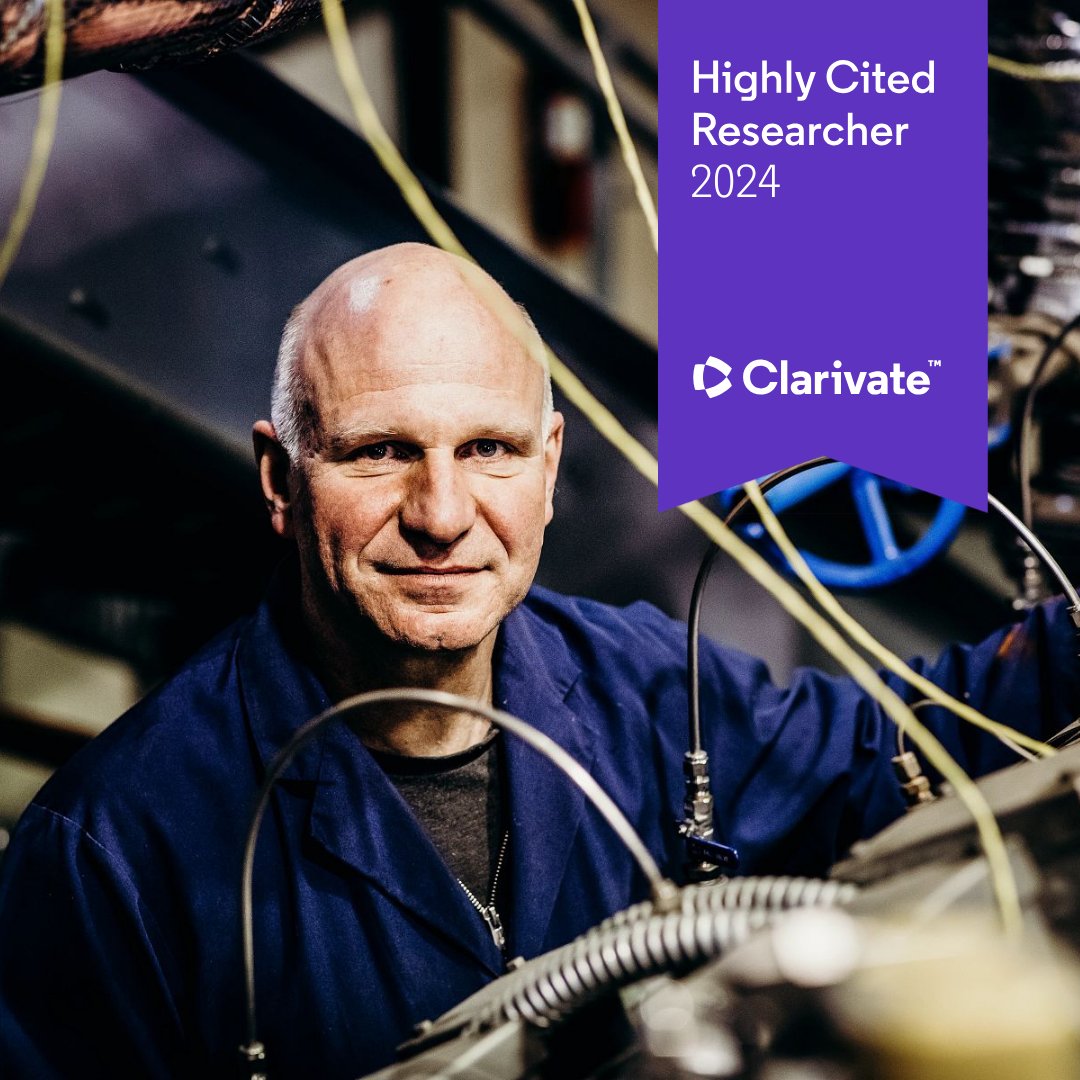
Two Global Development faculty have been recognized as the most influential scientists in their field, ranking in the top 1% of cited researchers in the world.
A big congratulations to Mario Herrero & Johannes Lehmann for being named 2024 Highly Cited Researchers by @Clarivate!
Why do undergrads get involved in research, and how? What do they gain?
Dive in to learn about the paths + insights of 5 inspiring Global Development undergrads in @CornellCALS who have done research on global issues in NY, Chile, Uganda, Malawi + more 👇https://t.co/iuCGbp6RIA
🥩 Eating meat is often framed as an individual choice, but there's more to the story. Matt Gibson delves into the structural and systemic nature of meat consumption, addressing questions about food choices and their broader impacts 🔍
🌎 Tracking the Sustainable Development Goals just got easier! The #FoodSystemsCountdown Initiative brings together data on food, nutrition, and population changes. Explore how different countries are tackling these global challenges on the #FoodSystemsDashboard! 📊🌱
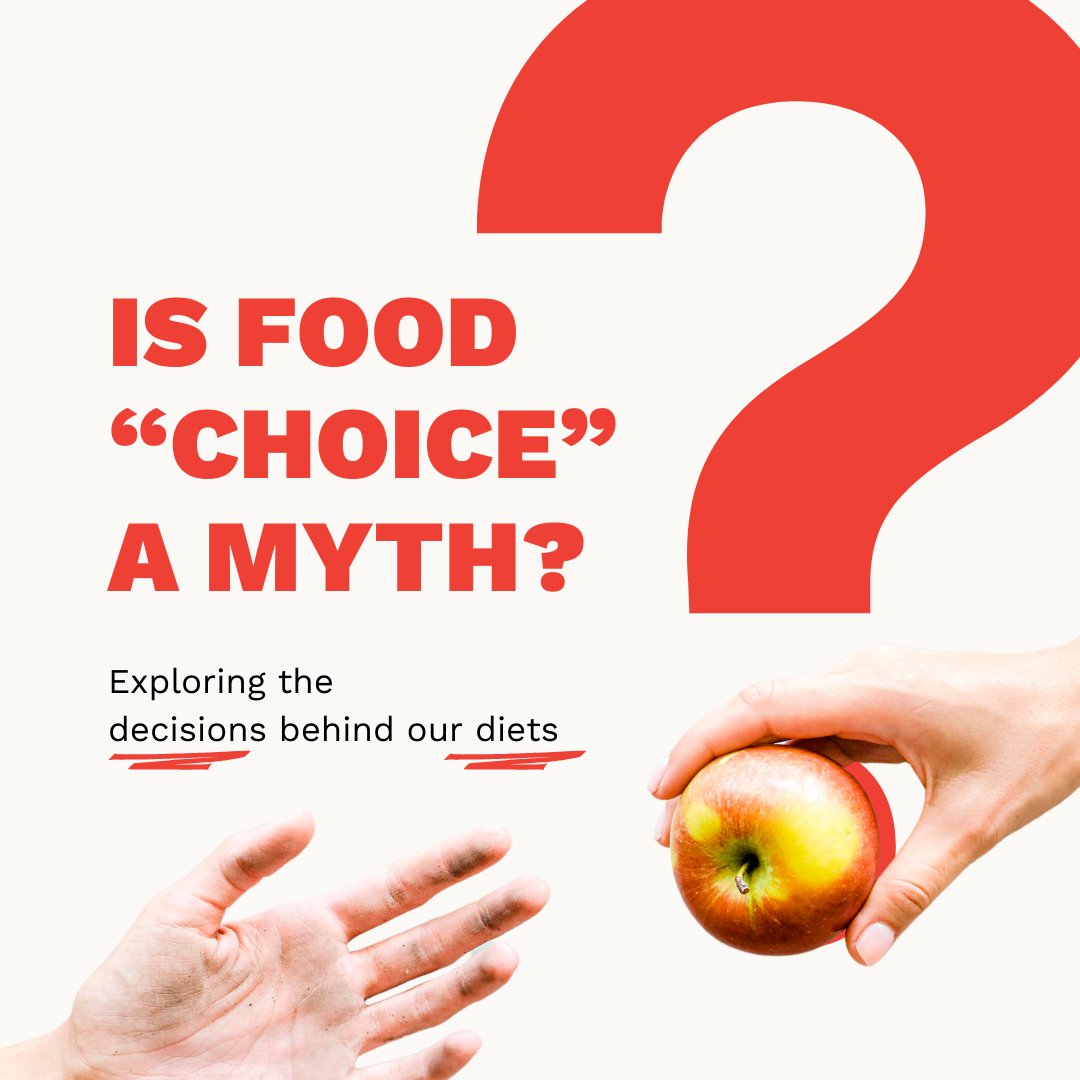
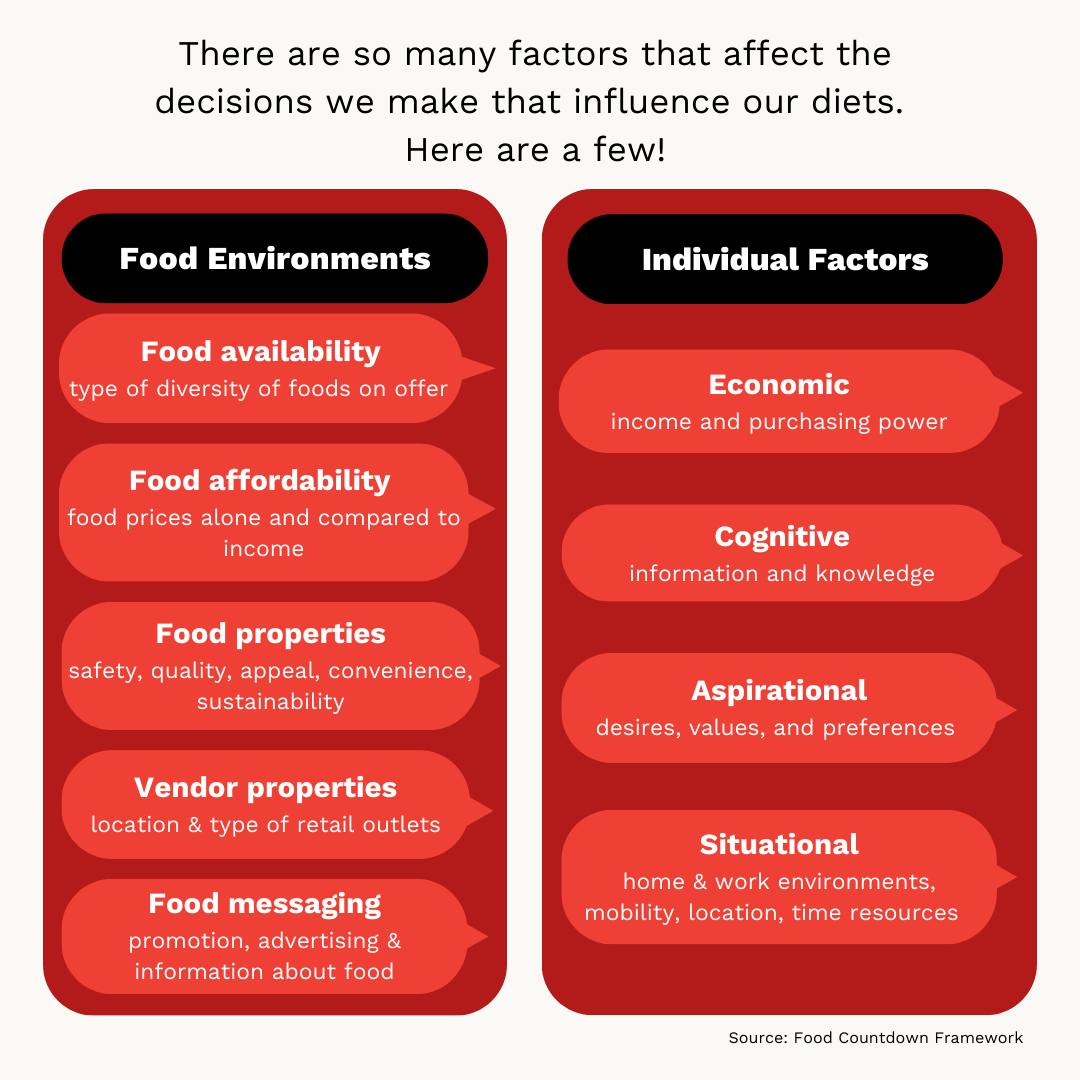
How do we decide what to eat⁉️ 🤔 Hear from our undergrad Science Communicator, Sushmi Majumder '25, about food choice and whether or not it’s a myth and learn about the diverse factors shaping the decisions behind our diets. 🥘
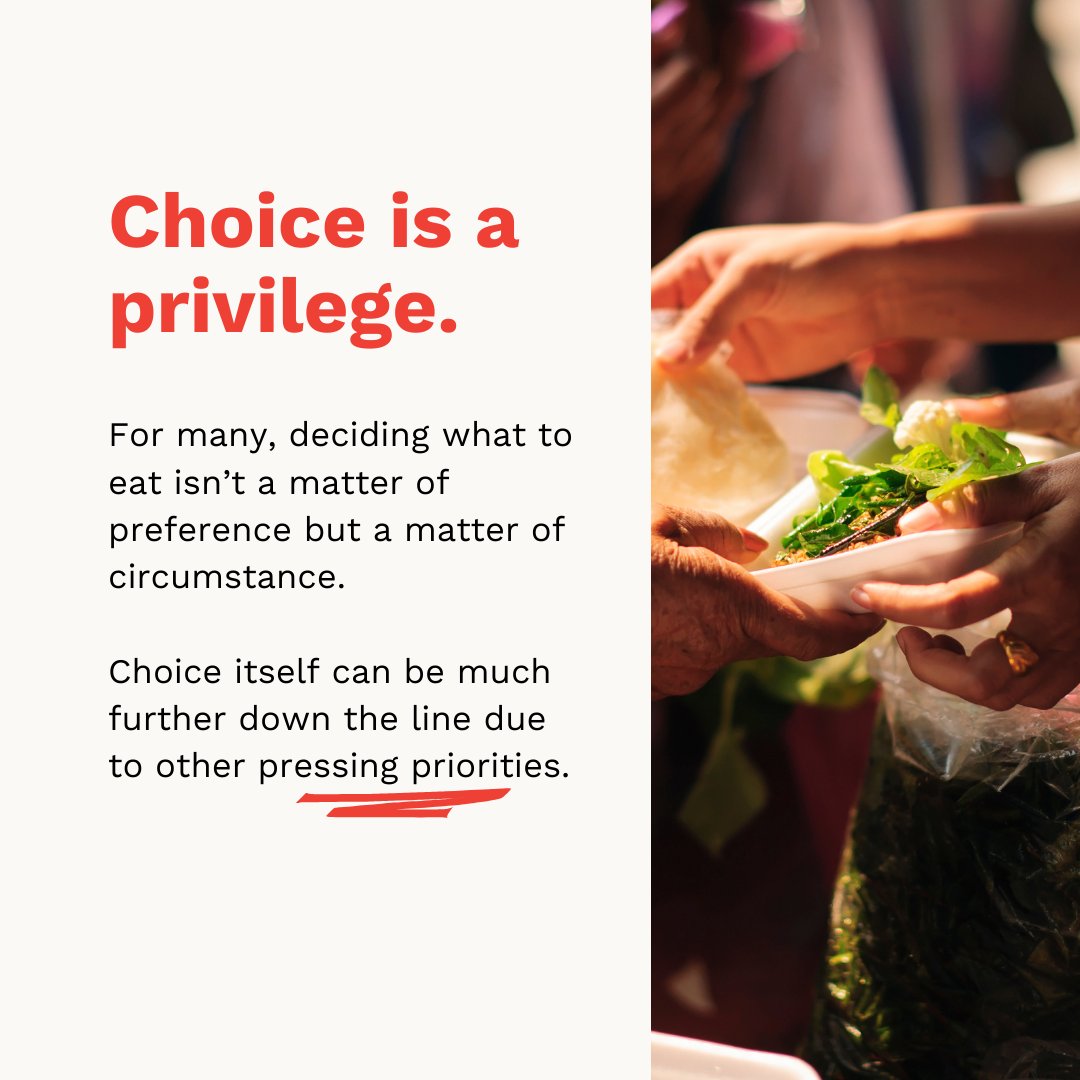
Choice is a privilege. Everyone experiences different options due to their unique circumstances and environments. Learn about the factors that shape influence how we acquire food, and what’s currently being done to ensure that no one is left behind 🤝
Have you ever heard of the Dirty Dozen or the Clean Fifteen? These lists use the USDA’s latest data to highlight conventional produce with the highest and lowest pesticide residues. Learn which fruits and veggies made the list and why ⤵️ 💡
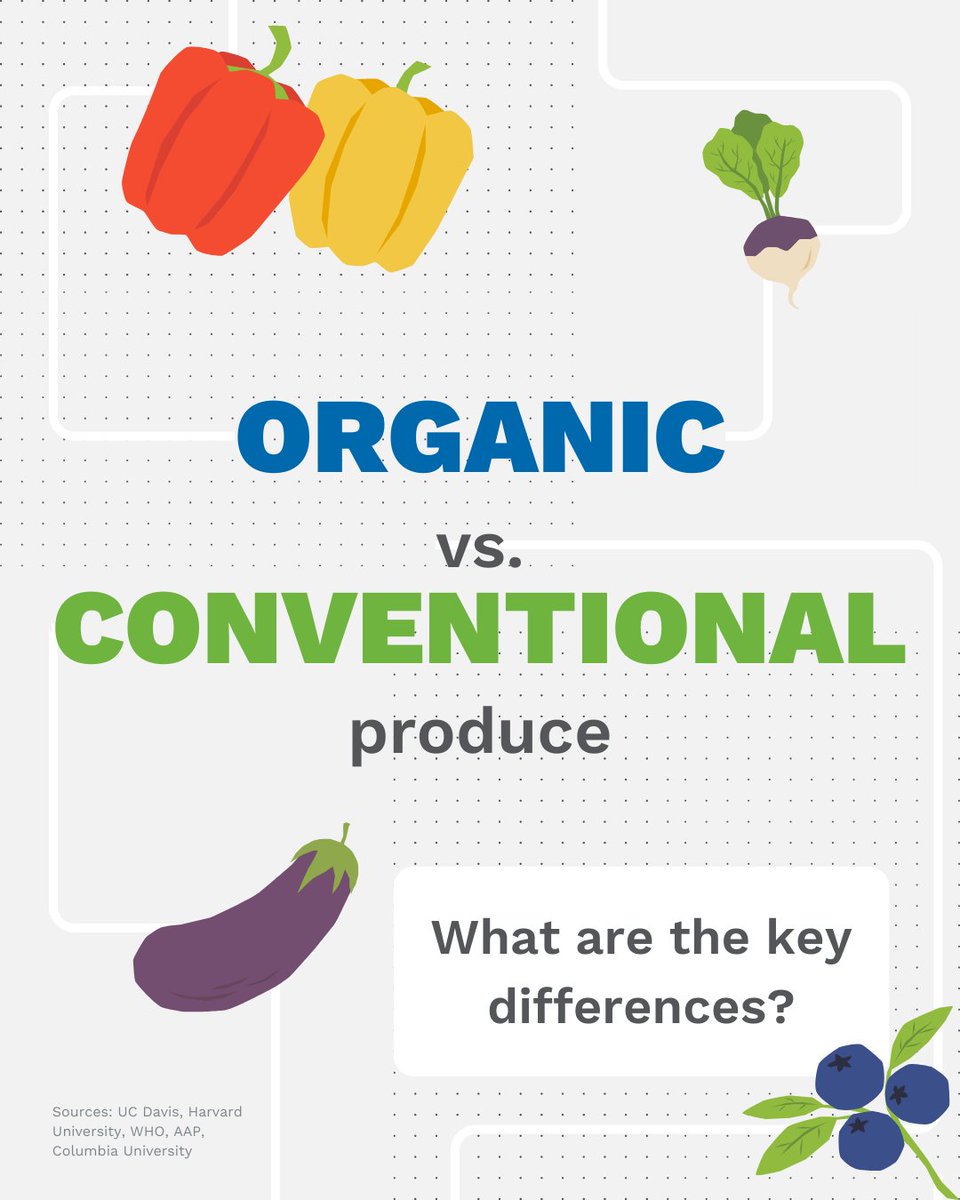
🥦🍎 Organic vs. conventional...what’s all the fuss about? Listen in to learn more about these two farming approaches' key differences: growing methods, nutritional value, and environmental impact. So, the next time you're at the store, which produce you choose? 🛒💭
Organic vs. Conventional - Which is better for you? 🤔 While organic farming avoids synthetic chemicals, it still uses natural pesticides, and there's no nutritional difference from conventional produce. Each method has environmental trade-offs—what matters most to you? 🌱🍎
Amid food system challenges like poverty, hunger, and climate change, Kristina Sokourenko (@KSokourenko) stresses the power of positive deviance 💡 Highlighting success stories can shift focus from paralyzing narratives to targeted interventions where they're needed most.
"Food Is..." is more than a series—it's an exploration into what food truly means to each of us. Through art and storytelling, @CornellGlobal & @CornellUCOMM student, Sushmi Majumder ’25 captures the deep connections we all share with food. https://t.co/AjsNxpAPEO
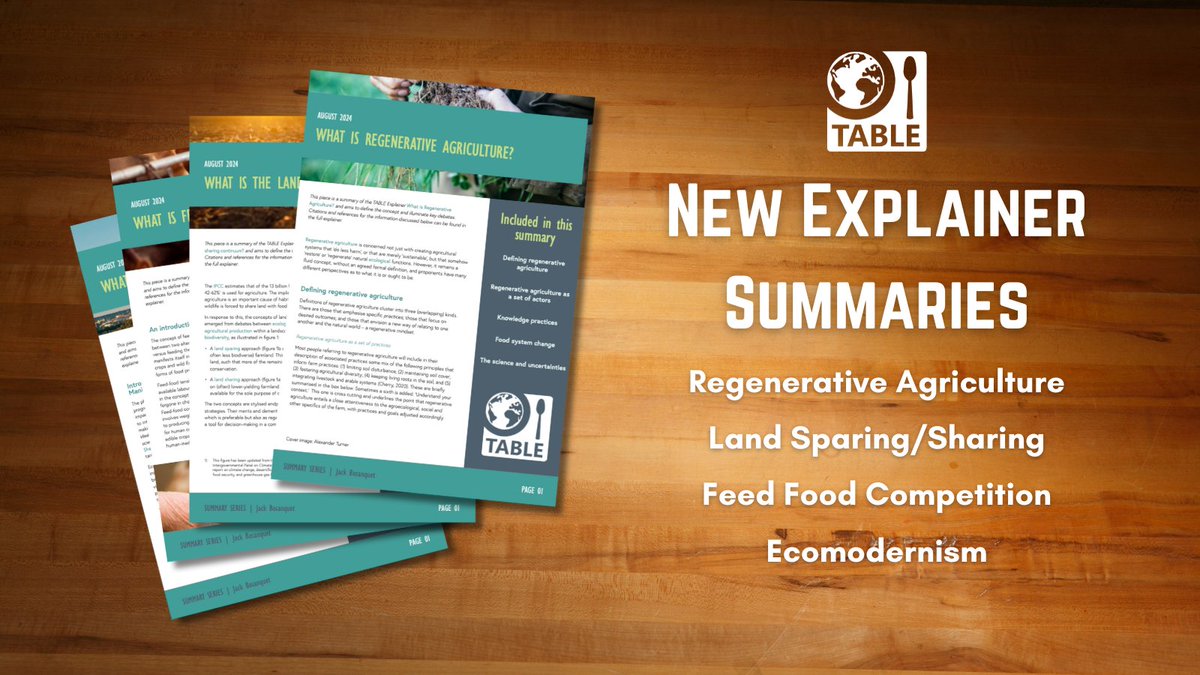
Our latest explainer summaries are out in the world!
Each of the 4 briefs focuses on:
- Regenerative agriculture
- Land sparing / land sharing
- Feed-food competition
- Ecomodernism
Check out these resources & more briefs on crucial food systems topics:
https://t.co/wjWjchMbww
Our food system is incredibly complex. Livestock and crop systems work hand in hand to sustain it 🐄🌾 Postdoc, Peiyu Cao explores the interdependence of these crucial components and how they shape the future of food production. Listen in to learn more!
How do we measure biodiversity?
Climate change has a 1.5 degree target, but there is no equivalent for the biodiversity crisis.
This week's Feed episode dives into understanding biodiversity with Ville Lähde of the BIOS Research Institute:
https://t.co/fehLi7xvaL
Promoting healthy diets for the entire family can better improve health outcomes for people with chronic illnesses, according to a new study in @Journal_GFS led by @GlobalFoodTeam's @iamramyaambi. https://t.co/0eLMX2tnEh
“Families are an essential social unit, and food is a social medium: families pool and negotiate food choices, and it’s also the way we pass on dietary preferences, traditions and build kinship," said @iamramyaambi.
Read more at: https://t.co/82R5aKQwFo
✨New research from @Journal_GFS highlights the role of family dynamics in promoting healthy diets for chronic illness management.
Kudos to lead author @iamramyaambi and team!
Read more: https://t.co/ZWzsPxVPQj
Promoting healthy diets for the entire family can better improve health outcomes for people with chronic illnesses, according to a new study co-led by @CornellGlobal researcher Ramya Ambikapthi (@iamramyaambi). @CornellCALS@Journal_GFS@gatesfoundation https://t.co/cY084GZQSe