Almost daily images and facts about the incredible miracle that is the natural world around us all, focusing on the American Mid-Atlantic and Appalachians.
Noisy harbingers of Spring, the Spring Peeper (Pseudacris crucifer) can be heard all throughout the eastern US and Canada. They survive freezing winters due to a glucose secreted by their livers which acts as a natural antifreeze, putting their organs into controlled dormancy.
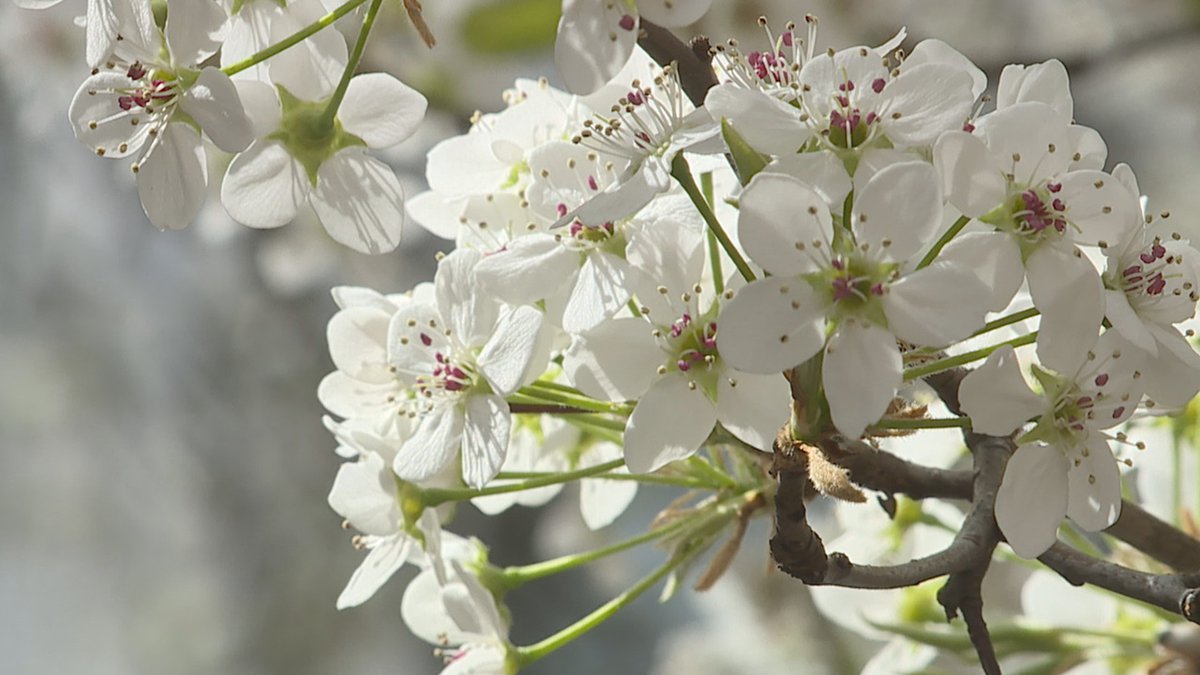
A popular (but unfortunate) landscaping tree due to its symmetrical shape and lovely white blooms, the invasive Callery Pear tree (Pyrus calleryana) is likely most well known for its pungent odor. Often described as smelling of rotting fish, much to the chagrin of suburbanites.
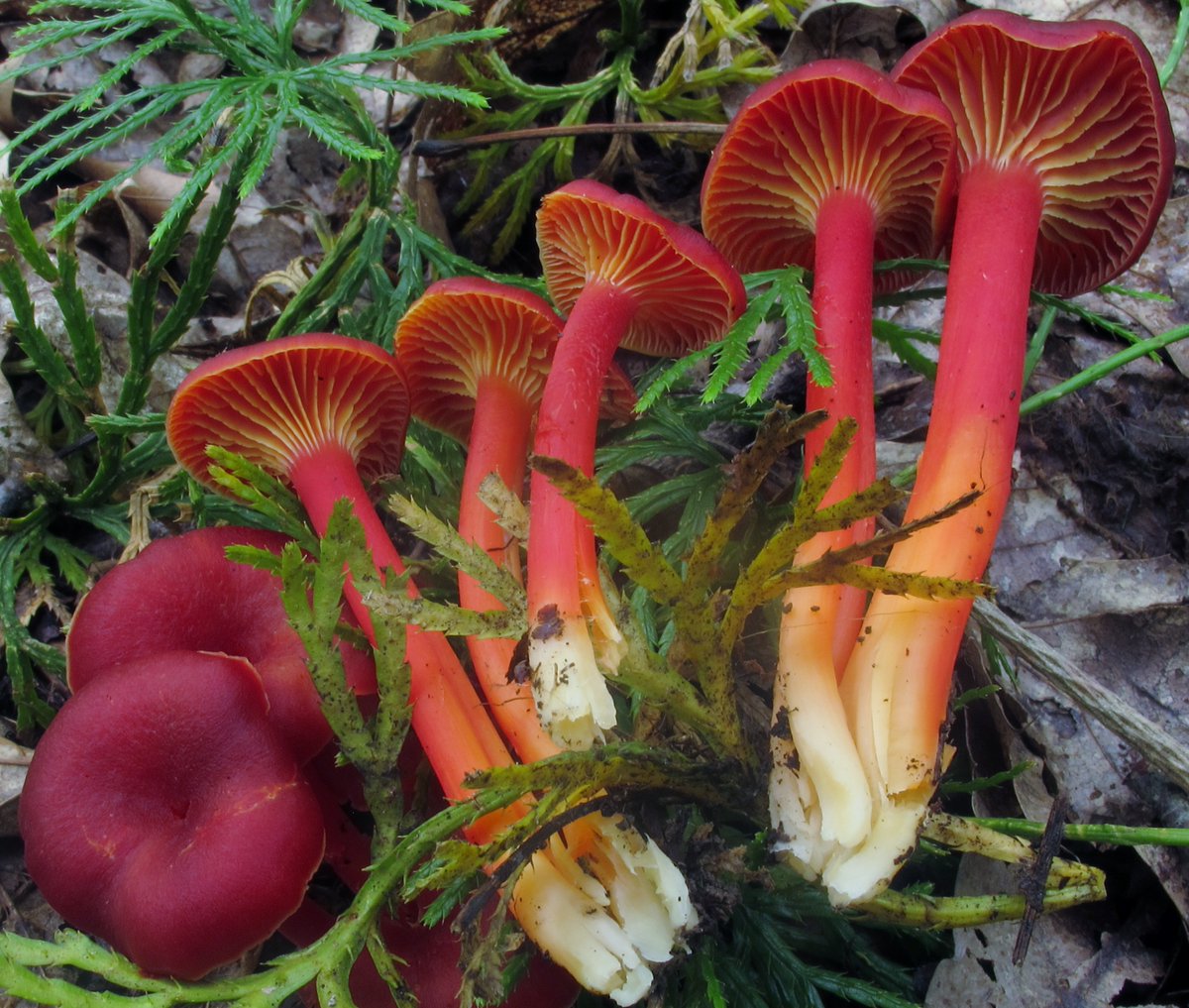
Edible but not often eaten, the Appalachian Waxy Cap (Hygrocybe appalachianensis) is best known for its lovely coloration. Thought to be simply larger species of similar mushrooms, it was not noted as a distinctive species until 1963. Edibility aside, do not eat wild mushrooms.
Once ranging from Texas to Pennsylvania, the Red Wolf now can only be found wild in North Carolina's Albermarle Peninsula. They can thrive in swamps, plains or forests hunting prey from rats to white tailed deer. They mate for life, and the pack is built around a breeding pair.
With a distinct call that sounds like a squeaky wheel, the Appalachian Mountain Chorus Frog (Pseudacris brachyphona) is sometimes confused for the Spring Peeper, but only by sight. Small enough to live and breed in ditches and puddles, they are often found far from waterways.
The North American Wheel Bug (Arilus cristatus) is a variety of the Assassin Bug, best known for its painful bite, and spider-like feeding habits. It punctures its prey with its powerful beak-like mouth parts called a "rostrum," injects a liquefying venom and drinks the result.
Often likened to origami rice bowls, the bloom of the Mountain Laurel (Kalmia latifolia) is a sight to behold. Their stamens are arched, the tips held under the rim of the bell. When an insect lands on the bloom, it springs out, sending the pollen flying like a catapult.
The small and marvelously colored Ringnecked Snake (Diadophis punctatus) boasts one of the largest geographic ranges of any snake in North America. Due to this, they also exhibit a wide color variation. They are well known to be a gentle species, easy and safe to handle.
The Appalachian Brook Crayfish (Cambarus bartonii) lives in small burrows called "chimneys," as the small pile of mud its excavation creates slightly resembles a chimney on the edge of the water. While most are an orange-gray color, blue crayfish have been occasionally observed.
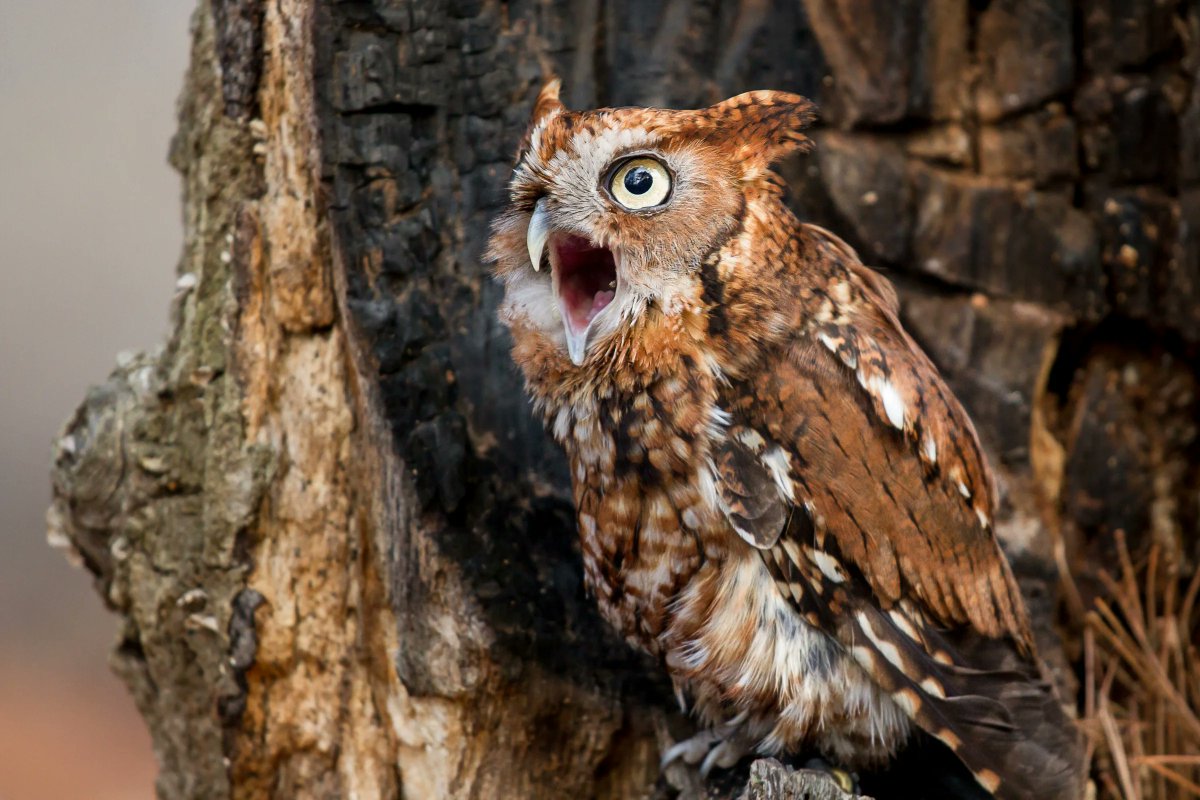
While best known for their distinctive call, the Eastern Screech-Owl (Megascops asio) also has supremely impressive camouflage. They are known to eat songbirds, who will gather to mob encroaching owls to scare them off or loudly call to scare away the owl's potential prey.
Red Winged Blackbirds (Agelaius phoeniceus) are highly polygynous, males often having up to fifteen different breeding mates. This quality also makes them highly territorial, males often spending a quarter of their waking hours attacking rival males and much larger predators.
Almost extinct for decades due to a blight brought over via the importation of Japanese chestnut trees, the American Chestnut (Castanea dentata) once numbered in the billions and towered over US forests. This blight is considered the greatest tragedy in American forest history.
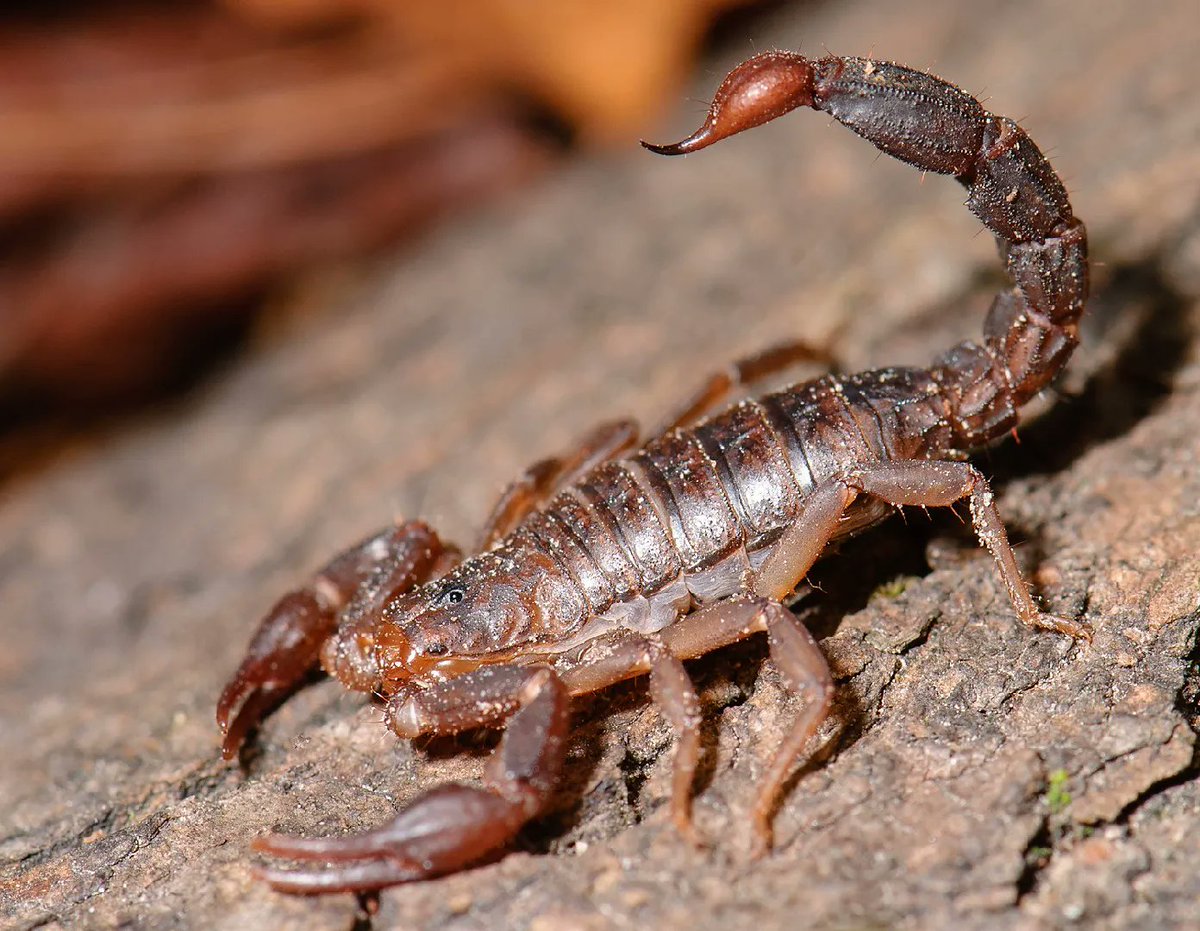
One of the few native scorpions to the southeast US, the Southern Unstriped Scorpion (Vaejovis carolinianus), barely reaches two inches long. It readily enters homes and structures, and can be easily spotted with a black light due to the florescence of its exoskeleton.
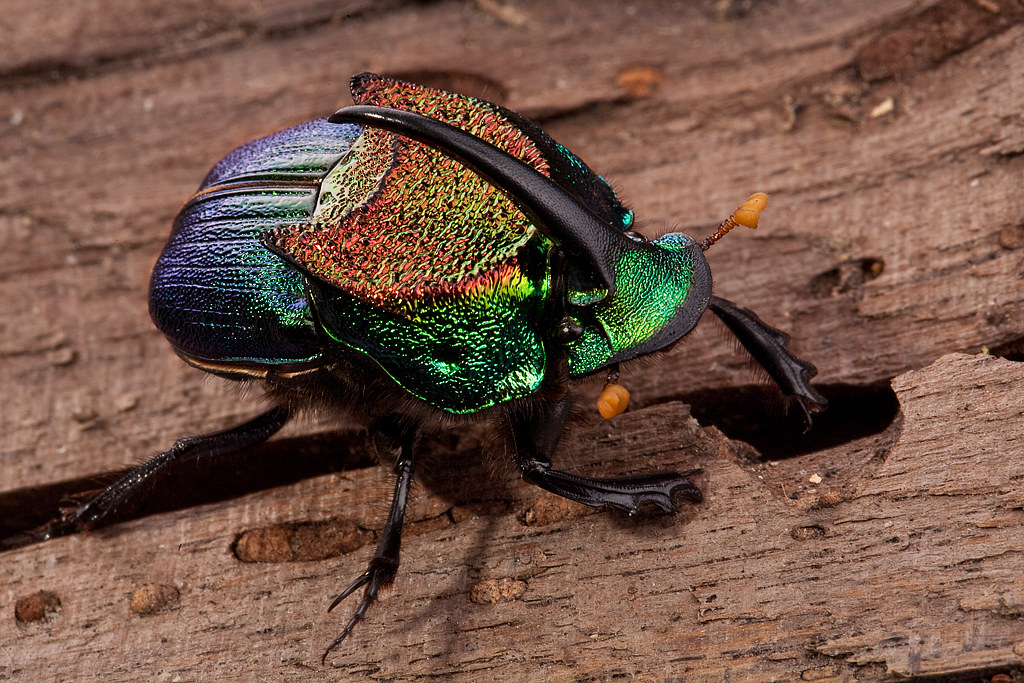
While it seems an exotic species, the Rainbow Scarab (Phanaeus vindex) lives all over eastern and central America. As true dung beetles, they play a vital role in clearing the forests of waste and fertilizing the soil. While common, they are rarely seen due to their small size.
The humble North American Beaver (Castor canadensis) is a miracle of nature due to their incredible and instinctual grasp of hydrodynamics. They build dams to irrigate lands and create ponds much better than humans are able to, with less required maintenance and negative impact.
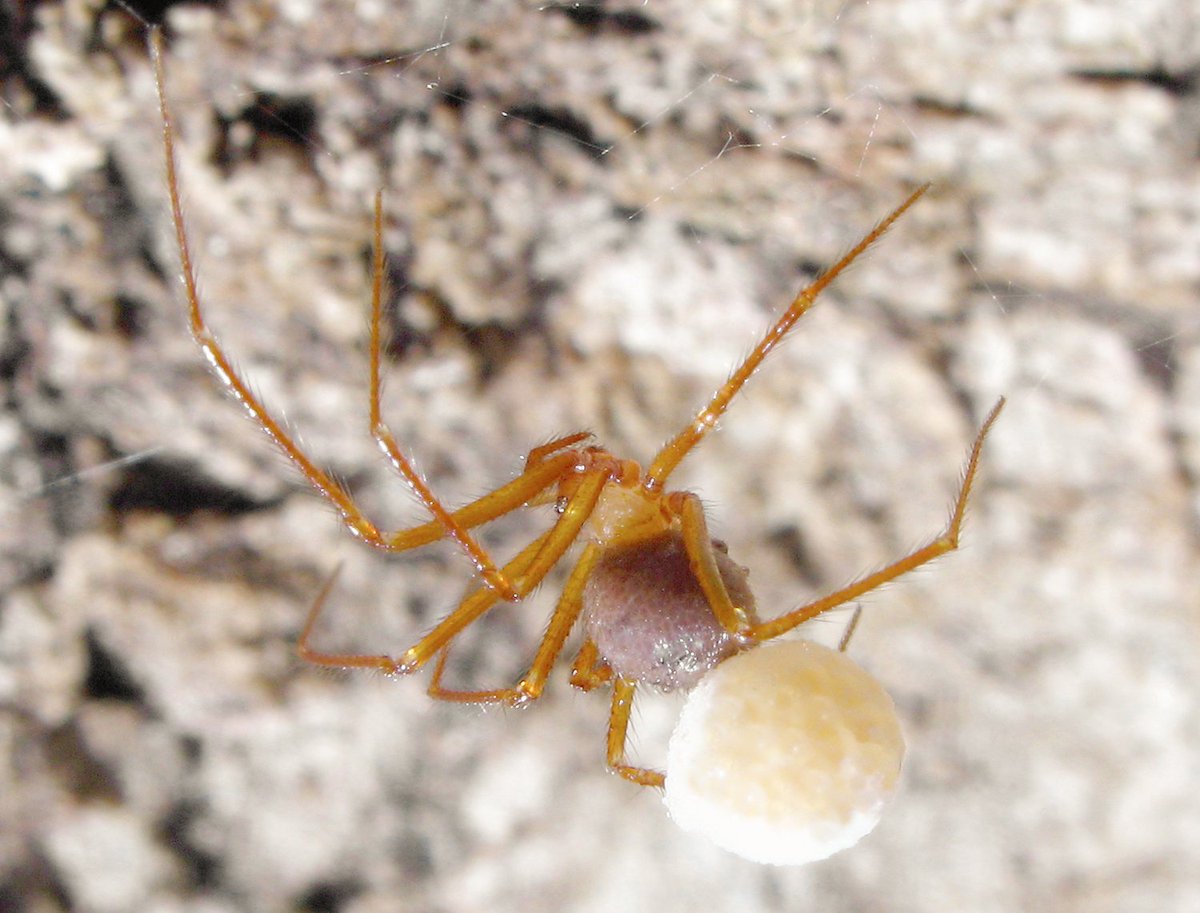
The Nesticus genus of spiders are largely cave-adapted, and ten new species were discovered in Appalachian caves in 2023. These are "relict" species, adapted to one specific environment where they stay unchanged for millions of years. These unique places must be protected.
Like all members of the Corvid family, the Common Raven (Corvus corax) is extremely smart. They are able to craft tools, barter, plan for the future, communicate with gestures, and engage in complex games. The collective noun for a group of ravens is an "unkindness."
Also known as the Mountain Magnolia, the Fraser Magnolia (Magnolia fraseri) is easy to identify by its tapered, lobed leaves as well as the distinctive white flowers it produces. Magnolias are some of the oldest flowering plants, believed to have emerged 150 million years ago.
Dependent on rapidly degrading wetlands, the Swamp Pink (Helonias bullata) is a rare find. A perennial herb and member of the lily family, it appears completely pink from a distance, but up close one can see the small blue flowers: a beautiful and unexpected detail.
Indiana Bats (Myotis sodalis) hibernate in caves or mines due to the strict levels of humidity and heat they need for their fat reserves to last through the season. In the summer, they migrate to woodlands and roost under loose tree bark, as they only weigh about .25 ounces.