If interested in the Anglican Way, go back to the sources. Read Hooker, Jewel, Cranmer, Donne, Taylor, Waterland, Latimer, Andrewes, Cosin, Tyndale, Hooper, Ridley, Ken, Hall, Ussher, Beveridge, etc. Find a beautiful tradition forged in conflict, ready for the challenges of today
Audio and text of the Sunday sermon from Trinity Anglican Church:
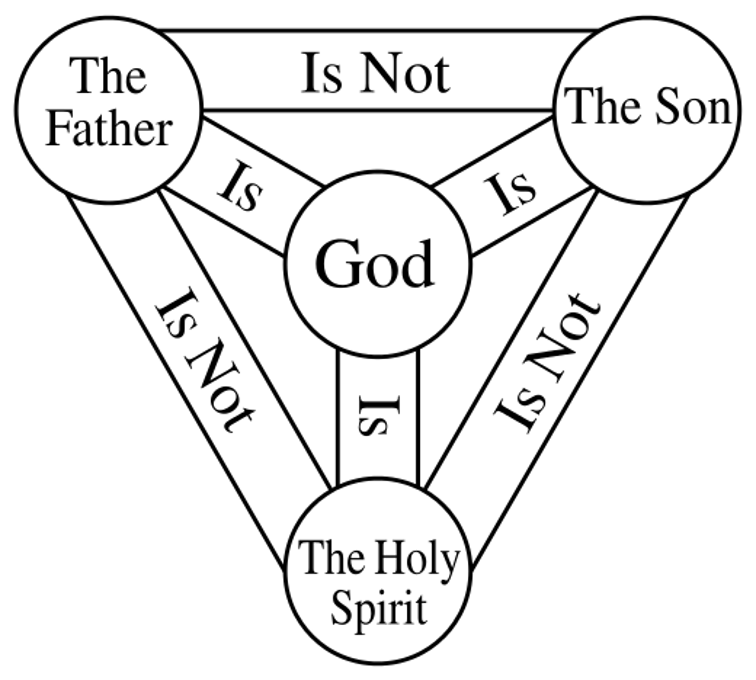
"It is of God's own mercy, then, that we know him by his own initiative and action. He reveals himself to us, by means of the Holy Ghost inspired writers of the Holy Ghost inspired Scriptures. God acts in history, God acts in our lives by the power of grace, and most of all, God becomes man in the incarnation of our Lord Jesus Christ so that we have no excuse for not knowing him as he truly is. He tells us flat out "I AM THAT I AM" (Ex. 3:14), and his Eternal Son made man defines that "I AM'' in the most explicit terms: "Go ye therefore, and teach all nations, baptizing them in the name of the Father, and of the Son, and of the Holy Ghost" (Matt. 28:19). God has said, "I AM... the Father, and the Son, and the Holy Ghost."
@sirronaldfisher Ha, I grew up in Savannah before the gentrification, and I never saw more Confederate battle flags until I moved to Southern Indiana. It's a fascinating world.
One will occasionally hear something like, "If the Tractarians or Caroline Divines were alive today, they would be ritualists, and so a priest should follow their spirit and add as much of the rituals of the pre-reformation rite as he can to the Anglican service." A critique of this position would begin with challenging the idea that one can add as much of the discarded rituals of the high Middle Ages as one would like and keep continuity with the Anglicans from Cranmer to Keble. It really is one or the other. The rhetorical "stolen base" of that original argument is revealed when we realize we simply cannot extrapolate from the lives and writings of the Caroline Divines and Tractarians that they would have embraced advanced ritualism. None of the Tractarians celebrated in the way embraced by the advanced ritualists except for Newman when he became a Roman Catholic. In fact, it is quite admirable that the Old High Church tradition stood for "saying the black and doing the red" against those non-conformists who would strip the service of its mandated ritual and those non-conformists who would add elements which reverse or muddle its intention. Of course, there was historic diversity in the celebration of the rite between 1550 and 1950, but to claim any diversity means those men would have been in favor of an everlasting drive towards increased ritualism would necessitate not a historical opinion but a lengthy visit with the Witch of Endor. Now, one can very much say that the needs of our time dictate advanced ritual and that it is the best thing for a particular parish or Anglican Way as the whole to embrace, but one cannot reinvent what it means to be connected to the past. One could say they were wrong, or that they didn't have the freedom or courage to enact what is now possible, but that is to critique them, not embrace them. I can't help but think of the thousands and thousands of churchmen who served parishes, year after year, confident that the reformed catholic liturgy of their church was the best way to keep mankind focused on the Word purely preached and the sacraments duly administered. It is quite easy to be in continuity with them, and in fact, I think it is the best thing for the Anglican Way. The myth that a gigantic number of people are just longing for the Tridentine Mass, much less the mass with sprinklings of Cranmer's prose (pre-burning), is not born out by the data at all. Rather, the Anglican Way should be positioning itself as a place for serious Christian discipleship where the durable structures of the past help spread the gospel. We should stop worrying about our services perfectly matching the evolving, spiritual journey of the pastor and stick to the discipline of a rule of life which the traditional Anglican Way built out of conflict and blood and faith. We know the ways of Jewel and Andrewes and Hooker and Parker and Keble work because we can actually look back and see the fruit, but we also have to stop thinking correct churchmanship is a way to avoid evangelism, for that too would be to abandon the witness of our forefathers. In short, in this age of flux, we should be giving serious thought not to how those who came before would think we are geniuses for doing things of which they never approved, and instead, humbly follow in their train, die, and pass the baton on to the next generation of saints.
Standing outside the George W. Bush Presidential Library
Me: "I have complex feelings about enlisting for the War on Terror after 9/11."
Inside the library, seeing pieces of the towers, all the names of the lost, and Bush at ground zero with the bullhorn
Me: "THAT'S MY PRESIDENT; CALL THE SHOT 43!!!!"
Audio and text of the Sunday sermon from Trinity Anglican Church
Link Below
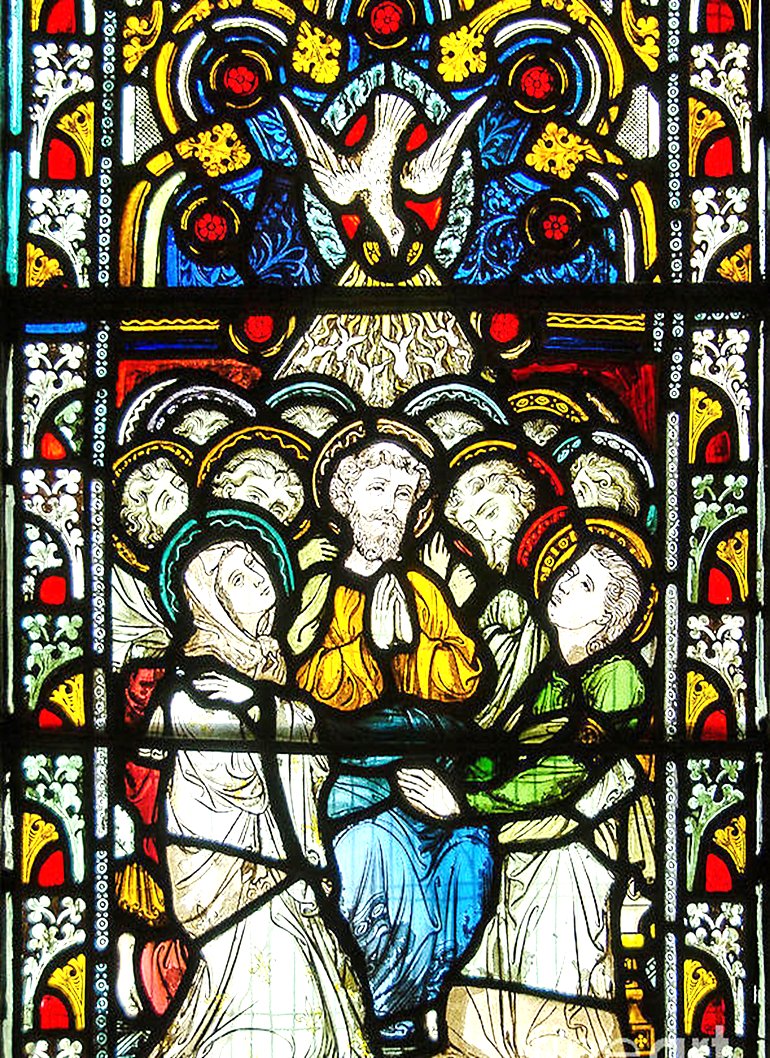
"The events of Pentecost are a practical course in discerning and interpreting miracles. We learn that the miracles of God are not ours to command, but his doing for his purposes. We see the Church alive today, despite the wear and tear of twenty centuries of human folly, and still the same Church of the Apostles and the disciples in Jesus Christ, indwelt by the Holy Ghost. We discover that, while we may belong to the Church, the Church belongs to God, and she remains his one promised means of spiritual power; of life-giving grace; of his personal presence; and of an eternal union of God, shared with a redeemed and obedient mankind."
🕊️ This Sunday: Whitsun
💥 A brand new service!
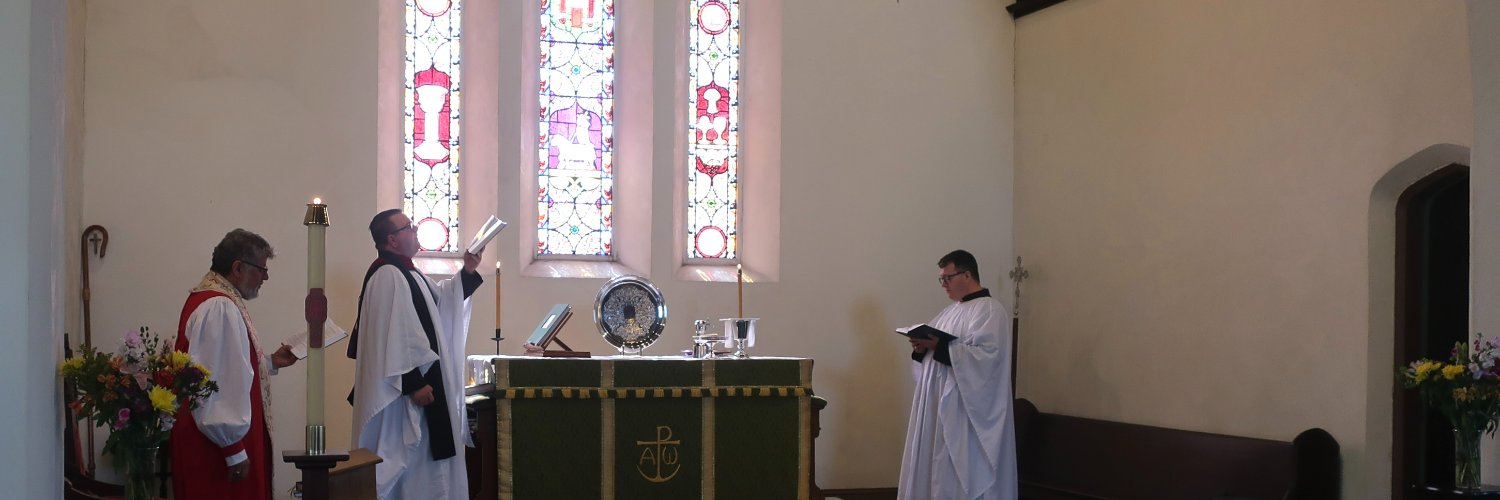
📖 BCP Holy Communion in the High Church Tradition
🎶 The choir singing pieces exclusively from the English choral tradition
🙏 North end, Copes, sung Ten Commandments, Exhortation
⛪️ 5pm, St Bartholomew the Less
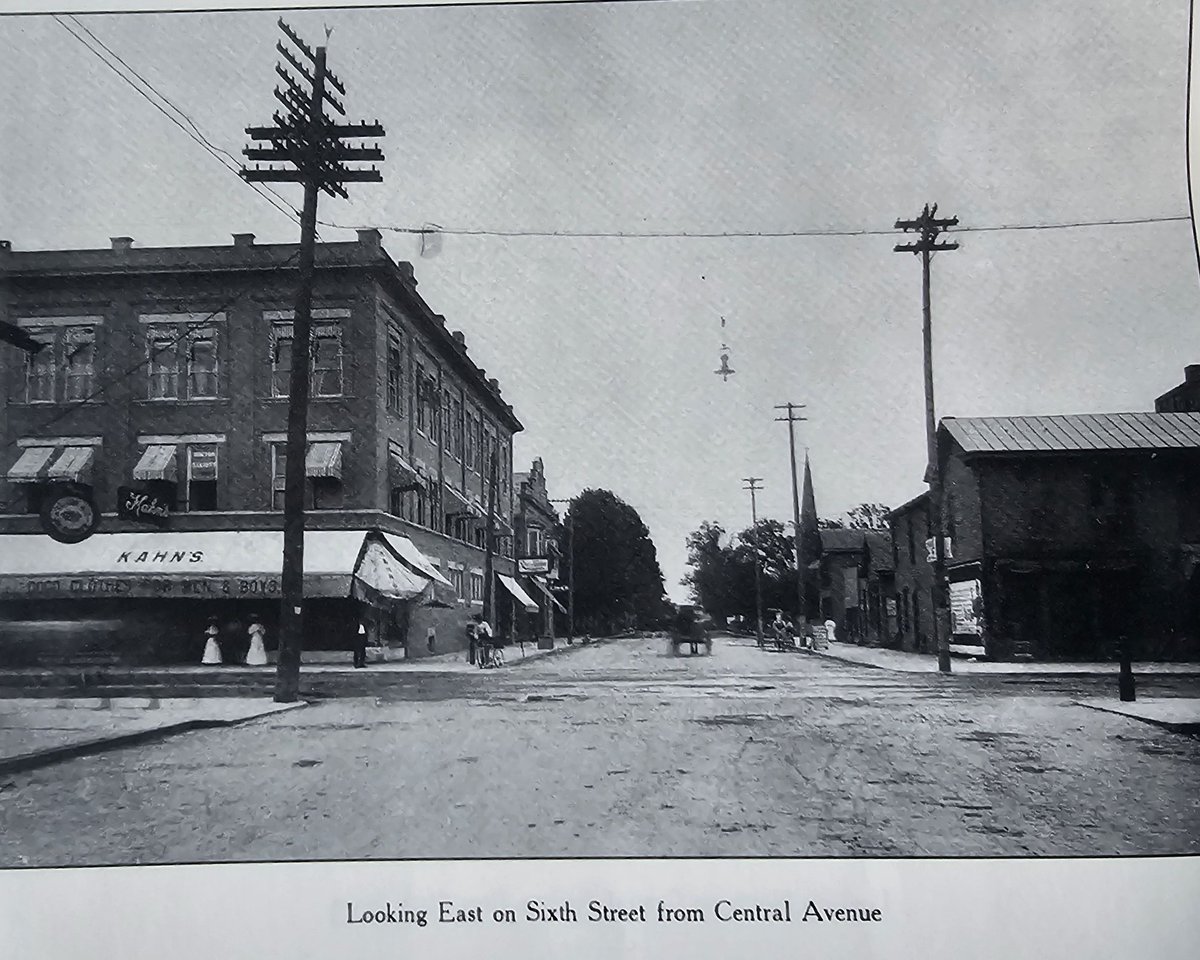
Much has changed in Connersville, IN over the years, but Trinity and our beautiful church remain the same. What a blessing to be in this wonderful town and to share the faith handed down from generation to generation.