we will look back on Q3 2026 and wonder how everyone missed the obvious crypto bottom when we saw retail activity meaningfully inflect up for the first time in years & everyone called it bearish instead
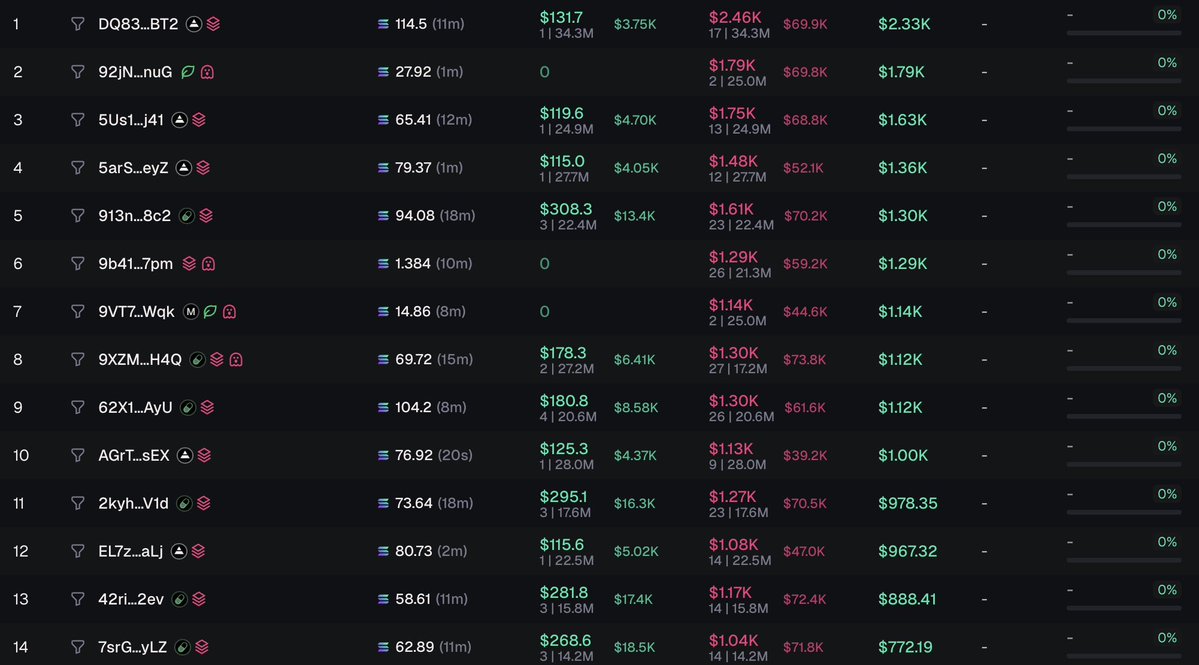
Who is buying these obivous farms?
Same play book everytime
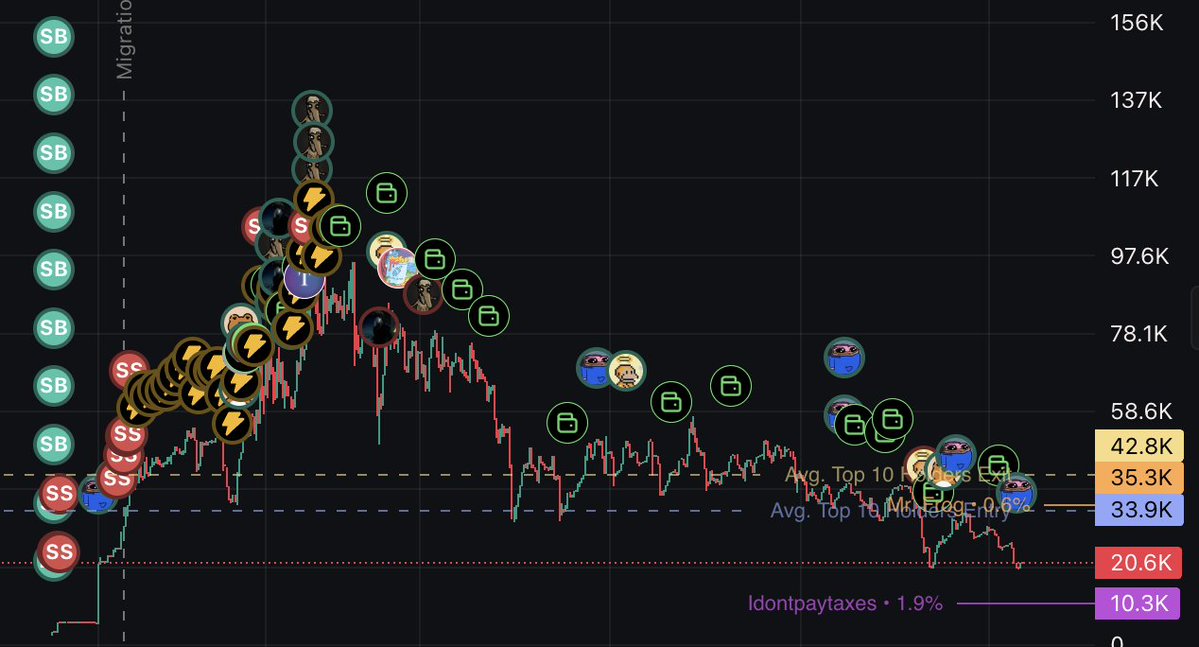
Idontpaytaxes bundles it 30% -> buys on main
redirect fees to frog -> he buys on main calls it out
then farm it straight to 0
I would avoid anything they buy or call out its just to boost their public wallet PNL and creator fee farm
CLARITY is a weak near-term crypto catalyst even if it passes. The Senate Banking Committee advanced H.R. 3633 by 15-9, but its two Democratic yes votes were described as permission to keep negotiating, with final support left open... Ruben Gallego called ethics the toughest remaining issue. Enactment then starts a 360-day default clock, and rulemaking sections can take longer. Crypto can bid future market access, but any move pricing fast liquidity is early and exposed to delay.
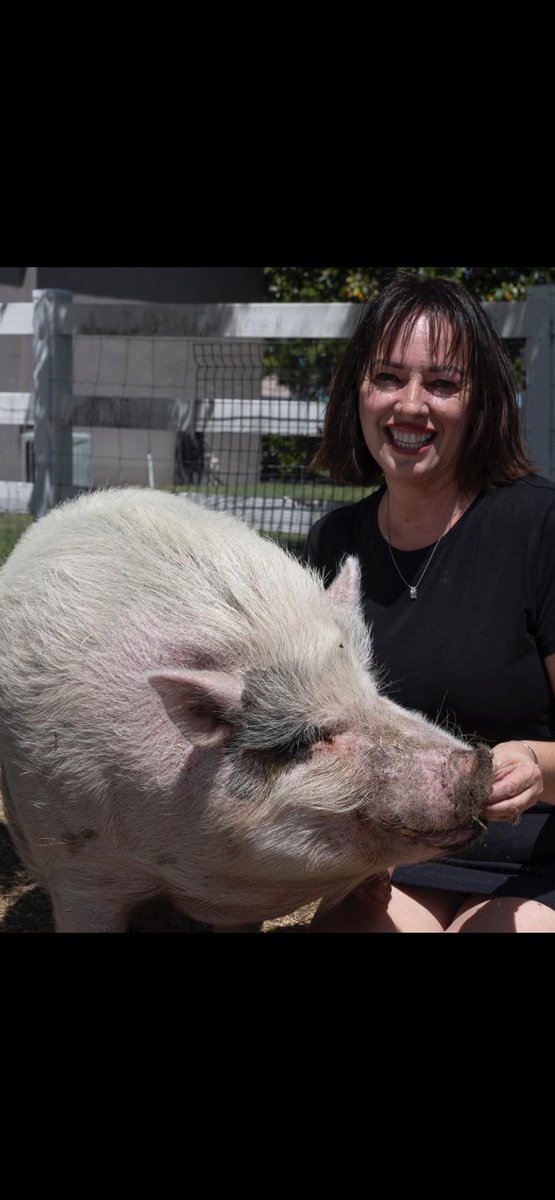
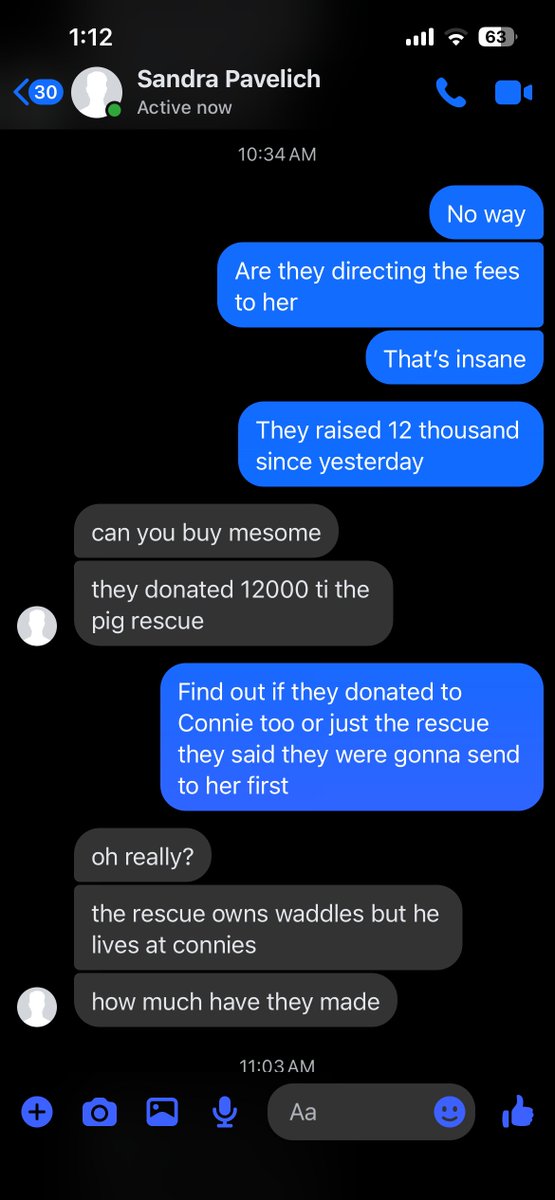
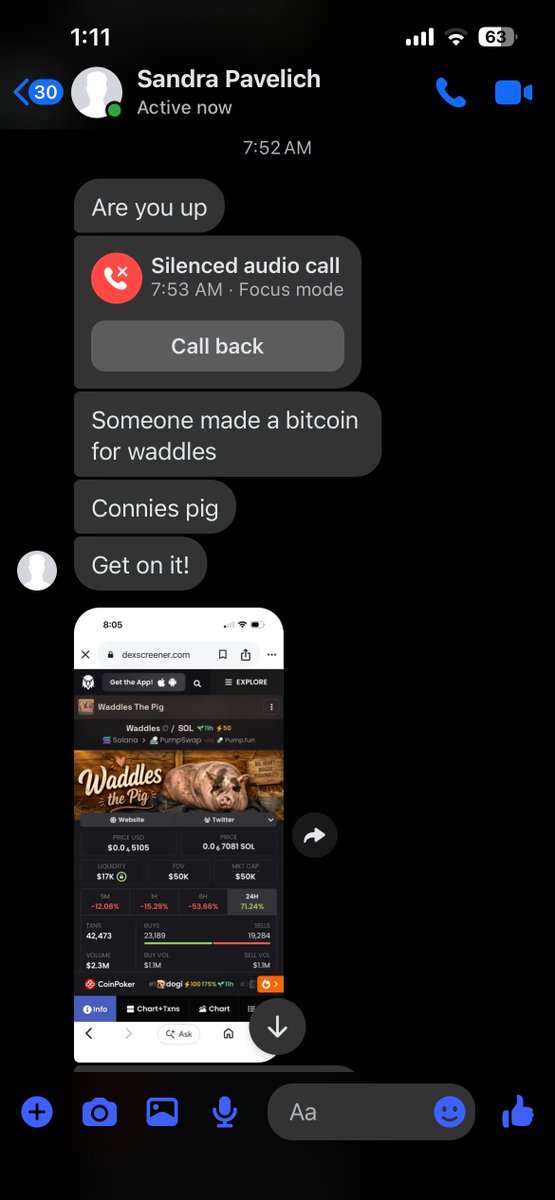
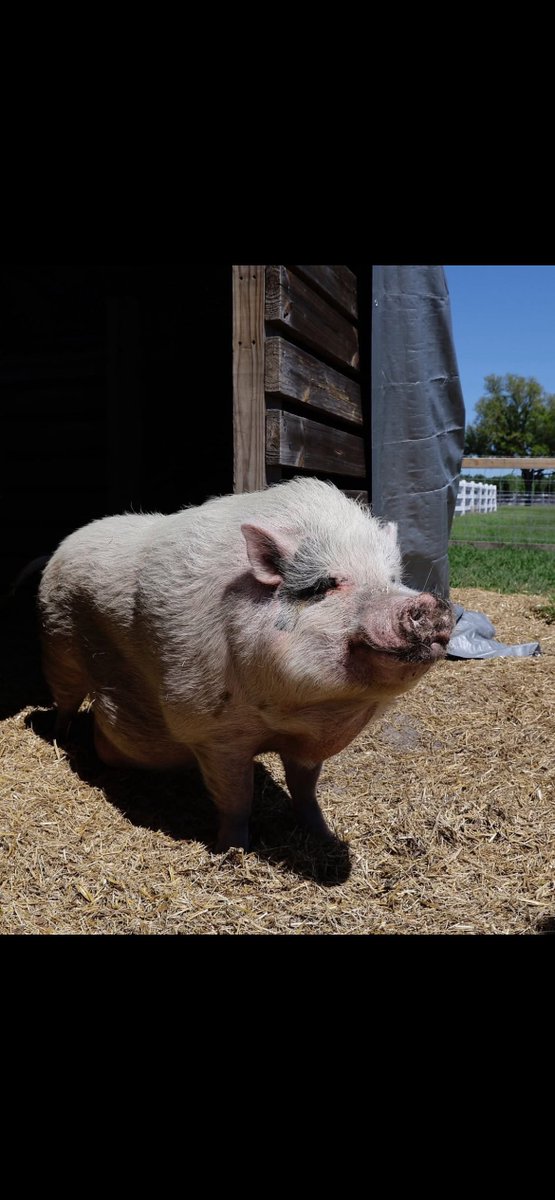
This is insane. I wake up this morning and my mom who knows nothing about meme coins sends me Waddles which ran to 600k last night. Waddles is a pig who was badly abused and has been staying at my aunts the past year. She rescues animals all the time. Sending fees to her.
solana:9Pfync3ejPC9eHqVzq3nYQJAhyhjqpnB9UsaSfLxpump
KET dev never gives UP !!!
Huge work man, i ve been watching this for such a long time.
Migration was a nice moove.
Let me explain the hand crank experiment properly.
The whole thing rests on a Verifiable Delay Function. The idea is simple to state and brutal to fake: computation that takes a known amount of sequential time, but is trivial for anyone to check afterward.
The engine is repeated modular squaring. Pick a seed x, then compute x squared mod N, take that result, square it again mod N, and keep going for 60,000 rounds. Every round eats the previous round's output. That data dependency is the entire point.
Because each square needs the one before it, you cannot split the work across cores or machines. A thousand GPUs do not help you. The 60,000th value only exists after the 59,999 squarings that came before it actually ran, in order, on one thread. That is where the delay comes from.
The modulus matters. We work mod N where N is 2^256 minus 189. That keeps every intermediate value pinned to 256 bits so the numbers never blow up, and it defines a fixed arithmetic field that everyone computing on the same seed lands inside identically.
So the crank produces a final value y, a big 256 bit integer that is the honest fingerprint of having done all that sequential grinding. y is ugly and huge, so the last step is SHA-256 over y to get a clean 32 byte proof. That hash is what represents one sealed block.
Now verification, which is the beautiful asymmetry. Producing y took 60,000 ordered steps. Checking it takes one thing: re-run the squarings from the published seed and confirm you land on the same y, then confirm SHA-256 of y matches the claimed proof. Cheap, deterministic, done.
This is enforced, not decorative. On submit, the server takes the seed, the claimed y, and the iteration count, and recomputes the VDF itself. If seed squared 60,000 times does not equal the claimed y, the block is rejected outright. No crank, no valid proof, no block.
Same seed plus same iteration count always yields the same y and the same hash. Change one bit of the seed and the output is unrecognizable. That determinism is what makes the proof reproducible by anyone, forever, with nothing but the seed and the rule.
Anchoring it. The proof, the iteration count, the modulus, and the seed prefix get packed into a compact string and written into an on chain memo transaction. A keypair signs it, pays the fee, and the network confirms it. Now the fingerprint of that sequential work lives in a permanent public ledger.
Net result: a piece of work that is expensive to produce, impossible to shortcut, cheap to verify, fully reproducible, and permanently recorded. That is the whole trick. Time in, proof out, and the proof carries its own evidence.