GPT Image 2.5
Prompt:
Transform the uploaded photograph into a sophisticated, premium editorial collage poster. Use the original image as the sole source of the subject, preserving its identity, distinctive features, natural colors, and recognizable details. Create one standalone artwork in a vertical 3:4 aspect ratio, divided into two precisely equal horizontal sections, each occupying 50% of the canvas.
COMPOSITION: The upper section retains the original photograph's realistic appearance, while the lower section transforms selected elements into a dimensional photographic paper collage. Connect both sections seamlessly through carefully arranged photographic slices, layered prints, and natural transitions.
PAPER COLLAGE DETAILS: Incorporate realistic paper cutouts, overlapping photographic layers, subtle paper thickness, tactile textures, and delicate cast shadows. Add cream-yellow handwritten sticky notes, small pushpins, tasteful stickers, and translucent washi tape, arranged naturally with refined artistic balance.
TYPOGRAPHY & SUBJECT ADAPTATION: Intelligently recognize the photograph's subject and generate short, relevant English phrases or handwritten annotations. Adapt the visual treatment to portraits, pets, flowers, landscapes, architecture, or any other subject while preserving the original image's defining characteristics.
ART DIRECTION: Use generous negative space, elegant minimalist magazine typography, precise composition, subtle asymmetry, and a harmonious palette that complements the original photograph. Maintain a handcrafted, three-dimensional appearance without excessive decoration or visual clutter.
FINAL QUALITY: Deliver a polished, photorealistic, gallery-quality editorial poster with crisp details, authentic paper textures, realistic shadows, and a cohesive upper-and-lower composition. No unrelated imagery, distorted subjects, duplicated elements, illegible text, watermarks, logos, or unnecessary borders. The final result should feel like a professionally designed, collectible photographic collage print.
GPT Image 2.5
Prompt:
UNIVERSAL PROMPT - PREMIUM MINIMALIST LAYERED PAPER-CUT EDITORIAL POSTER | 3:4
Use the uploaded photograph as the sole source of the subject. Create a premium editorial poster, with each photograph processed and exported individually. Do not combine multiple images into a collage.
COMPOSITION & LAYOUT: Use a 3:4 vertical aspect ratio. Divide the canvas into two equal horizontal sections, each occupying exactly 50% of the total height. Position the dividing line precisely at the vertical midpoint. The two sections must meet seamlessly, with no borders, gaps, or spacing between them.
PHOTO PRESERVATION: Preserve the original subject's identity, pose, architectural structures, natural lighting, realistic textures, and overall color atmosphere. Apply only subtle, art-directed color grading worthy of a high-end editorial magazine. If necessary, naturally extend the environmental background to fit the horizontal composition. Never stretch the subject, alter its proportions, or crop out important narrative elements.
LAYERED PAPER-CUT REINTERPRETATION: Extract the photograph's most recognizable subject, silhouette, pose, and narrative relationships, then reinterpret them as minimalist, handcrafted layered paper-cut art and sculptural paper relief. Establish one central focal subject, simplifying the surrounding environment into distinct foreground, midground, and background paper layers.
PAPERCRAFT & DEPTH: Create visual depth through precise cutting, folding, overlapping, masking, positive and negative space, and intentional use of whitespace. Preserve the subject's recognizability without mechanically reproducing every original detail. The result should feel artistically constructed by hand, with sophisticated dimensionality and a refined minimalist aesthetic.
COLOR PALETTE & MATERIALS: Extract a limited, harmonious color palette from the original photograph. Use warm ivory paper as the base, complemented by the dominant colors of the scene, deeper structural tones, and a restrained accent color. Render matte cardstock, delicate paper fibers, crisp cut edges, convincing physical thickness, and soft contact shadows under natural diffused lighting. The final artwork should feel tactile, realistic, and exquisitely crafted.
TYPOGRAPHY & EDITORIAL DETAILS: Add typography exclusively within the lower half of the poster. Derive a short, compelling English headline from the photograph's subject or narrative. Complement it with 2–4 small supporting text elements, such as a serial number, material descriptors, category labels, or an extremely brief poetic phrase. Maintain elegant typography, deliberate spacing, and a sophisticated luxury-editorial hierarchy.
Do not add years, invented locations, fictional coordinates, or unsupported factual details.
FINAL RESULT: A premium 3:4 vertical editorial poster combining the recognizable essence of the original photograph with minimalist, handcrafted layered paper-cut artistry, tactile materials, precise composition, and restrained luxury-magazine typography. Ensure the upper and lower sections remain exactly equal in height, with the central division aligned precisely at 50% of the canvas.
GPT Image 2.5
Prompt:
Upload a photograph and transform it into a single, standalone poster. Do not create a collage or combine multiple images. Use a vertical 3:4 aspect ratio, divided into two strictly equal horizontal sections, each occupying exactly 50% of the canvas. Together, the two sections must form one continuous scene: the upper half remains a realistic photograph, while the lower half becomes a “second world” that appears to grow naturally from within the original image.
UPPER HALF — FAITHFUL PHOTOGRAPHIC PRESERVATION
Faithfully preserve the original photograph’s subject identity, primary subjects, clothing, accessories, objects, environment, composition, poses, proportions, spatial relationships, perspective, materials, depth of field, natural lighting, shadows, and overall color atmosphere.
Do not redraw, replace, rearrange, or reinterpret the original elements. Only subtle cropping, background extension, and extremely light color grading are permitted to accommodate the canvas. Never stretch, distort, or alter the subject’s original movements or poses.
CONTINUITY BETWEEN THE TWO HALVES — HIGHEST PRIORITY
For each photograph, identify a natural structural element that reaches the horizontal midpoint, such as a road, body of water, tree branch, beam of light, architectural feature, or bodily gesture.
This element must align precisely at the dividing line and continue seamlessly into the lower half. The same scene should appear to cross the boundary and gradually transform, as though its physical rules change beyond the midpoint.
CENTRAL DIVIDE — NATURAL TORN-PAPER EDGE
An irregular torn-paper edge may be introduced along the center, following the source structure and the natural flow of the composition. It must never look decorative or follow a fixed template.
The torn edge must remain completely flat against the canvas, with no cast shadows, curled edges, lifted corners, or three-dimensional thickness. Original elements may touch, cross, or break through the torn boundary to create a natural, integrated transition.
LOWER HALF — THE SECOND WORLD
Use warm ivory paper with subtle visible fibers, a tactile surface, and generous negative space as the foundation.
Continue developing the scene downward from the point where the original structure meets the dividing line. Preserve the original photograph’s visual focal point, subject silhouettes, poses, perspective, inherent colors, lighting, emotional atmosphere, and narrative.
Build upon these preserved elements using restrained photographic fragments, carefully composed paper-cut shapes, and a minimal number of black hand-drawn lines. The transformation should feel like a natural extension of the original photograph rather than an unrelated illustration.
The final result should be a sophisticated, premium editorial poster in which realistic photography transitions organically into a tactile, surreal paper-cut world, maintaining visual coherence, precise spatial continuity, elegant restraint, and a strong sense of depth.
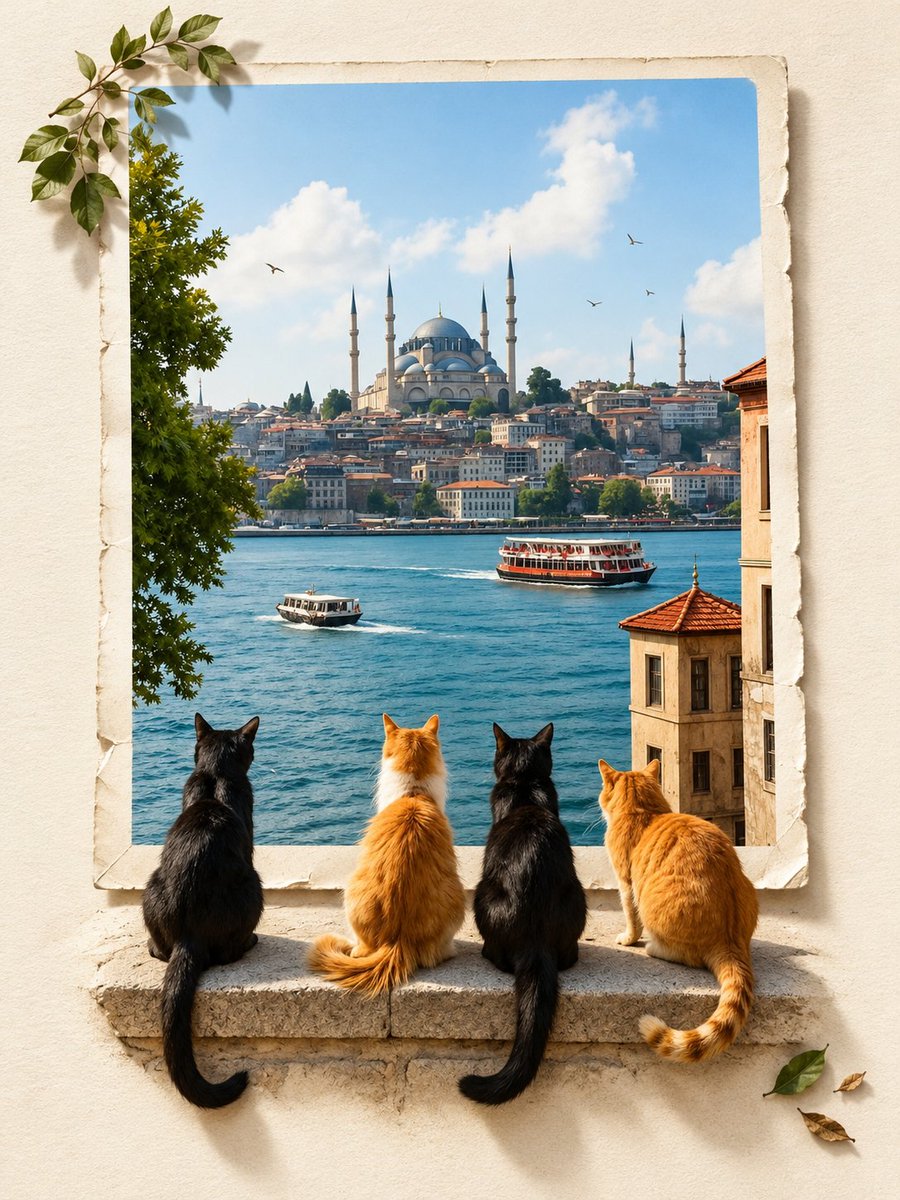
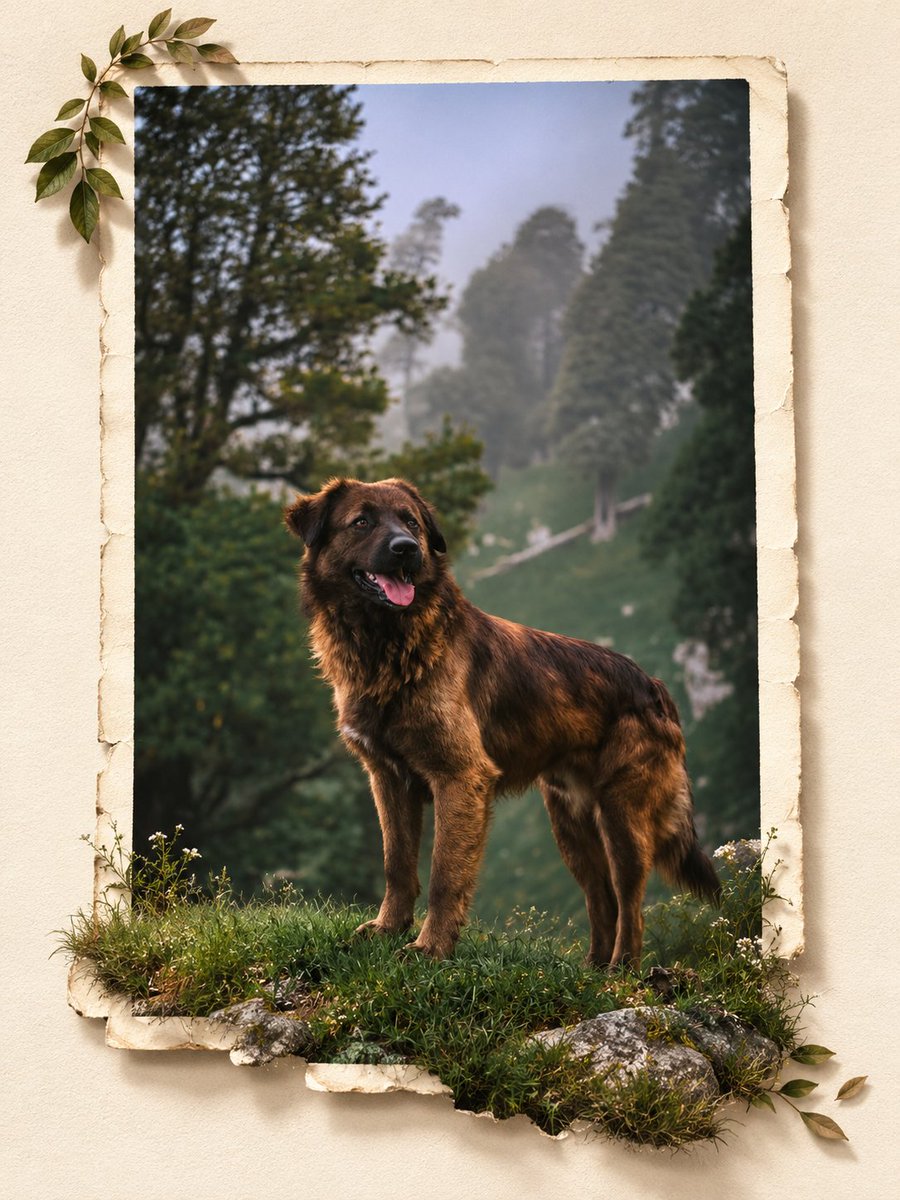
GPT Image 2.5
Prompt:
UNIVERSAL PROMPT - PREMIUM MINIMALIST EDITORIAL COLLAGE | 3:4
Upload your photo to ChatGPT, then copy and paste the prompt below.
Transform the uploaded photograph into a premium minimalist editorial collage on a warm ivory paper background, in a 3:4 vertical aspect ratio.
PHOTO PRESERVATION: Keep the original photograph and its subject completely unchanged. Preserve the subject’s identity, facial features, pose, clothing, colors, textures, lighting, and natural details. Do not redraw, retouch, distort, or alter the original image.
3D POP-OUT EFFECT: Create a sophisticated, realistic three-dimensional composition in which the subject and relevant natural elements appear to extend beyond the bottom edge of the original photo frame, breaking the boundaries of the image. Make the transition seamless and physically convincing, with precise depth, natural perspective, and soft, realistic cast shadows.
BACKGROUND & AESTHETICS: Use a warm ivory, subtly textured paper background with generous negative space. Maintain a clean, understated, luxury-magazine aesthetic with refined art direction, elegant composition, and a premium editorial finish.
LIGHTING & DEPTH: Incorporate soft, directional studio lighting, delicate shadows, realistic dimensional layering, and subtle tonal contrast to enhance the paper texture and three-dimensional effect without overwhelming the original photograph.
FINAL OUTPUT: A visually striking, photorealistic editorial collage that feels minimal, sophisticated, and art-directed for a high-end design magazine. Preserve the original photograph wherever it appears, and ensure the pop-out elements blend seamlessly into the overall composition.
Aspect ratio: 3:4 vertical.