Solana ecosystem DEX Stabble urges LPs to withdraw funds due to the discovery that a former employee is a North Korean developer https://t.co/KGJSK9cpZ8
@tezantekker@Eng_china5 In Japan, if you suddenly fall ill, you can call 119, and an ambulance will take you to the nearest hospital that can provide emergency care, free of charge and 24 hours a day.
⚡️BREAKING
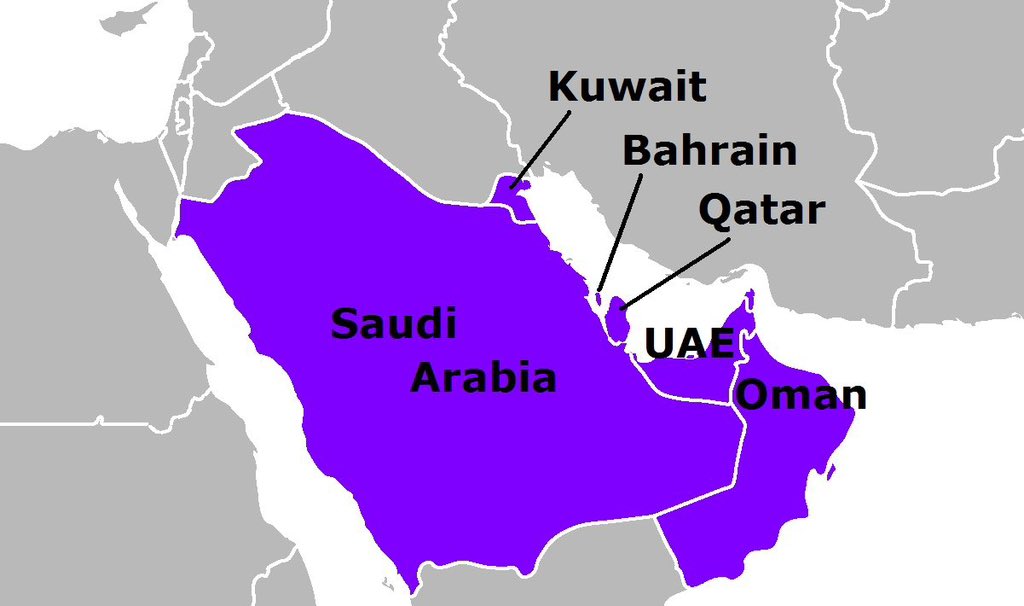
Oil companies around the world are currently advising their staff not to travel to Saudi Arabia, the UAE, Bahrain, Oman, Kuwait, and Qatar unless absolutely necessary.
🚨 THE WORST THING IN 30 YEARS IS COMING IN 2026!!
Bank of Japan will HIKE RATES to 1.00% in April, according to Bank of America.
BOJ rates at 1.00% would be the first time in 31 YEARS.
And if you think Japan has no impact on global markets
YOU ARE COMPLETELY WRONG.
Also, swap markets and Polymarket are pricing around a 75% chance of a rate hike.
This isn’t just about one central bank moving rates by a few basis points.
This is about the global funding system, because Japan has been the cheap money hub for decades.
That’s the part most people miss.
When Japan’s rates stay near zero, global money can borrow cheap yen and buy higher-yield assets somewhere else.
That flow matters because it’s not small.
Japan is one of the biggest capital exporters in the world, and Japan owns about $1.2 TRILLION of US Treasuries.
So when Japan’s rate regime changes, it doesn’t stay in Tokyo.
It hits global flows.
Now look at the history.
The last time Japan was in this zone, the global system was already under stress.
In 1994, the world got hit by the Great Bond Massacre, and about $1.5 TRILLION in bond market value got wiped out.
Then in early 1995, stress kept stacking.
On April 19, 1995, USD/JPY hit ~79.75, which was a record low for the dollar.
That one number explains a lot.
Because when USD/JPY moves like that, it doesn’t just hurt FX traders.
It changes trade flows, funding costs, hedging costs, and cross-border positioning.
It forces reactions.
And that’s exactly what happened.
Japan tried higher rates, but later that same year, the BOJ had to cut again.
They took the discount rate down to 0.50% in September 1995.
So the lesson is simple.
When Japan tightens into a fragile setup, the system can break faster than people expect.
And then policymakers are forced to reverse.
Now connect that to today.
If the BOJ goes to 1.00% in April, that’s not just a “Japan headline.”
That’s a direct hit to the cheap-yen funding model.
It means the cost of capital rises in the one place global leverage used to rely on being cheap.
And when that happens, money doesn’t disappear nicely.
It gets pulled from somewhere.
That “somewhere” is usually risk.
- US bonds will get sold
- US stocks will get pressure
- Crypto liquidity will get low
THIS IS A WARNING.
Not because “rates went up.”
Because the structure is changing, and when a funding structure changes, markets reprice everything.
People keep looking at charts.
But this starts with flows.
Japan is one of the biggest flow engines in the system, and if that engine resets, the whole market feels it.
Markets aren’t pricing that risk now.
But they will.
I’ve studied macro for 10 years and I called almost every major market top, including the October BTC ATH.
Follow and turn notifications on.
I’ll post the warning BEFORE it hits the headlines.