@c1_rls I found an explicit counterexample to Conjecture 4.12 of Akbari–Elphick–Kumar–Pragada–Tang: take C₅–C₄–C₅, joining each C₅ to C₄ by one bridge, at adjacent C₄ vertices. Then In(L(G))=(9,0,7), so n⁺=9>n⁻+1=8. It extends to an infinite family. PDF: https://t.co/mUYb9efWpR
@c1_rls I found an explicit counterexample to Conjecture 4.12 of Akbari–Elphick–Kumar–Pragada–Tang: take C₅–C₄–C₅, joining each C₅ to C₄ by one bridge, at adjacent C₄ vertices. Then In(L(G))=(9,0,7), so n⁺=9>n⁻+1=8. It extends to an infinite family. PDF: https://t.co/mUYb9efWpR
@c1_rls I found an explicit counterexample to Conjecture 4.12 of Akbari–Elphick–Kumar–Pragada–Tang: take C₅–C₄–C₅, joining each C₅ to C₄ by one bridge, at adjacent C₄ vertices. Then In(L(G))=(9,0,7), so n⁺=9>n⁻+1=8. It extends to an infinite family. PDF: https://t.co/mUYb9efWpR
@c1_rls I found an explicit counterexample to Conjecture 4.12 of Akbari–Elphick–Kumar–Pragada–Tang: take C₅–C₄–C₅, joining each C₅ to C₄ by one bridge, at adjacent C₄ vertices. Then In(L(G))=(9,0,7), so n⁺=9>n⁻+1=8. It extends to an infinite family. PDF: https://t.co/mUYb9efWpR
@c1_rls I found an explicit counterexample to Conjecture 4.12 of Akbari–Elphick–Kumar–Pragada–Tang: take C₅–C₄–C₅, joining each C₅ to C₄ by one bridge, at adjacent C₄ vertices. Then In(L(G))=(9,0,7), so n⁺=9>n⁻+1=8. It extends to an infinite family. PDF: https://t.co/mUYb9efWpR
@galitay תודה! מחשבון שימושי ביותר!
הערה קטנה:
נראה ששדה 'נתוני השקעה:מס ב %' מפעיל את המס דוקא על המסלול עם ההלוואה במקום על המסלול ללא הלוואה. האם זו טעות?
בכל מקרה הייתי שם בדיפולט בשני שדות המס ערך זהה של 25% (או אפס)
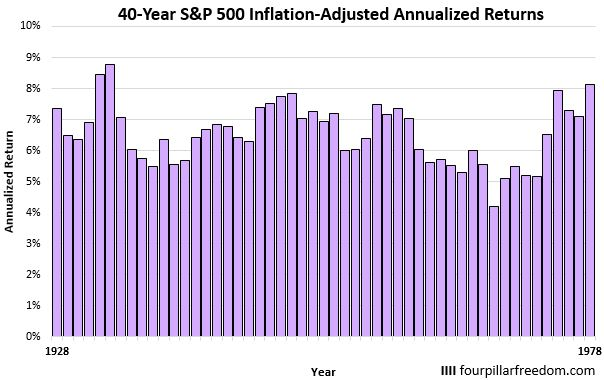
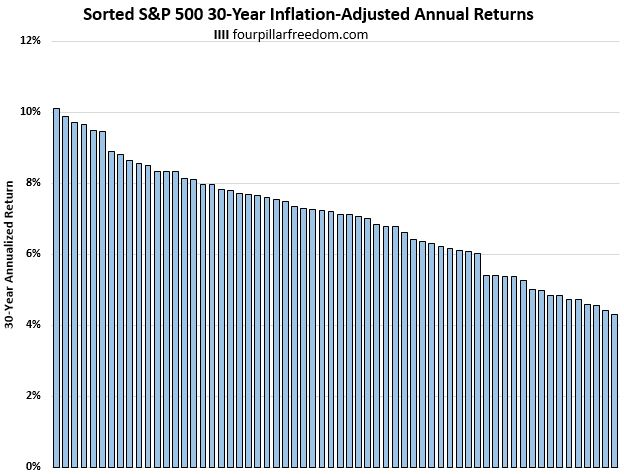
@galitay לחדד את המסקנה שמסיקים מאנליזה כזו - אם אני משקיע סכום חד פעמי בSNP ל20 שנה, אני מצפה לתשואה שנתית של כ7%, ויודע שיש סיכוי קטן שאצא בהפסד בתקופה הזו.
@galitay מה שחשוב בהשקעה לטווח ארוך זה התפלגות התשואות לטווח ארוך. כמשקיע לטווח ארוך אני רוצה לדעת שהסיכוי שלי לקבל תשואה נמוכה\שלילית עבור השקעה (lump sum או DCA) של כמה עשורים הוא מזערי. יהיה מעניין לראות התפלגות תשואות עבור ETF ממונף בטווח של שני עשורים ומעלה.