Look, over there! A streaker! – Qualitative study examining streaking as a behaviour change technique for habit formation in recreational runners https://t.co/kKkuoqXBJF loved this collab with @sdombrowski! Most interesting title of any of my publications! #healthpsychology
My book is out today! 🥰🎉📚
A few years in the writing, it argues for a transformation in education in order to address the multiple issues of contemporary times.
Critical Posthumanism and Education - https://t.co/W8VQeMbpi0
Step inside our Psychology facilities at #UofStirling! 🧠✨
Whether you’re exploring cognitive science, conducting experiments, or diving into behavioural research, you’ll find everything you need right here.
https://t.co/vFFFm8E06J
We're delighted to announce that Professor Josie Fraser has been appointed our new Principal and Vice-Chancellor.
Professor Fraser, a highly respected leader in higher education, will take up the post in March 2027.
Read more: https://t.co/Kr7ZByx1ul
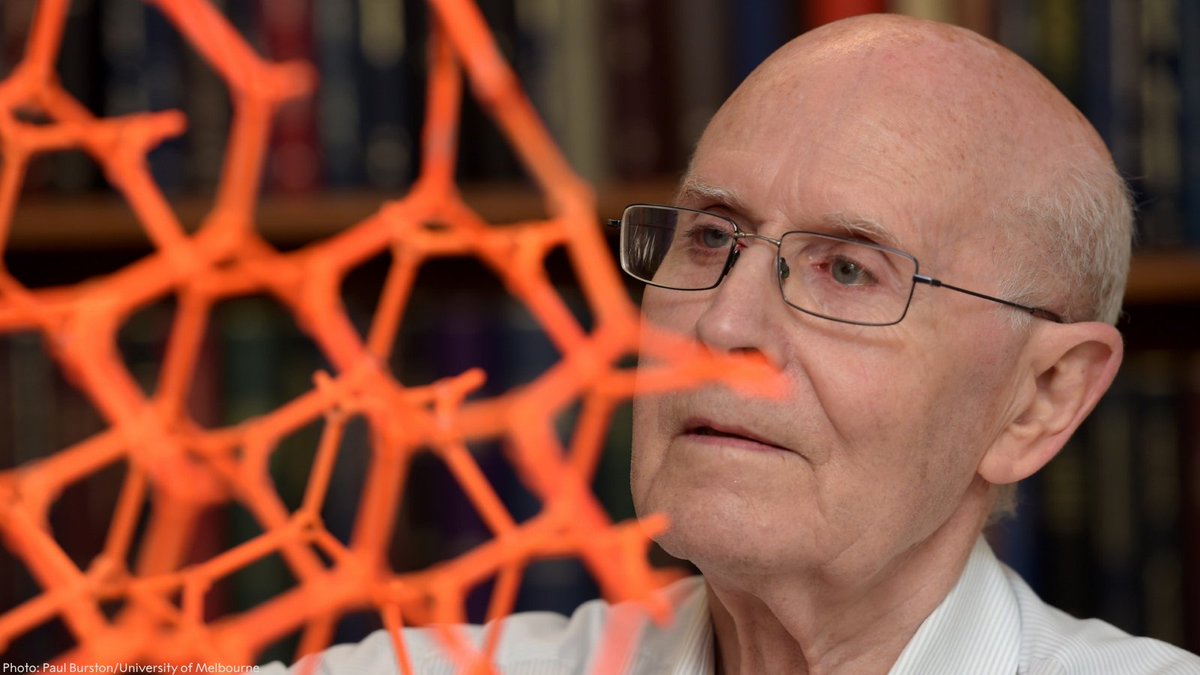
"I used to sit down and just let my mind drift. Most of the time a useless activity, but occasionally it would lead to something that was useful. That sort of dreamlike state was very important in my life."
Richard Robson tells us how he accesses a restful state-of-mind in which ideas flow in this episode of our podcast – Nobel Prize Conversations.
We also speak with Robson's co-laureates Omar Yaghi and Susumu Kitagawa about how they changed chemistry forever by letting their minds wander to unplanned places.
Join us for a discussion with the 2025 chemistry laureates: https://t.co/OQVKTYf6u9
@British_Airways Your driver has left the bus unattended for 15 minutes a boss full of children and adults and no one could open the door if someone fell sick. This is unacceptable a bus should not be left unattended for that long.
@British_Airways we are stuck in a bus on terminal 5 because the terminal door does not work. Literally stuck. What is happening? Getting claustrophobic here and will miss flights.
Are you an underrepresented health or care professional looking to build your research career?
Join the NIHR-supported @ReDiCincubator webinar on 21 September from 12-1pm to hear funding and research career advice from programme managers, successful applicants, and mentors in relation to the:
➡️ Pre-Application Support Fund
➡️ Development and Skills Enhancement Award
➡️ Senior Clinical and Practitioner Research Award
Find out more: https://t.co/AAvjdIavEk
A neurosurgeon was supported by Artificial Intelligence (AI) during live surgery for the first-time to help protect the sight of a man having a brain tumour removed.
The AI analysed the live surgical video feed in real time highlighting risky areas to avoid while removing as much tumour as safely possible.
The clinical trial using the AI technology was funded by a NIHR Doctoral Fellowship and supported by the NIHR Biomedical Research Centre at UCLH.
Find out more: https://t.co/NvcOUyNYCK
👏 Congratulations to Dr Tracy Kirk, Child and Family Law Lecturer at #UofStirling, on her appointment to the prestigious Royal Society of Edinburgh's @YoungAcademySco.
🔗 Find out more: https://t.co/9Jj46RWbou
We're pleased to announce our chief executive, Nicky Reid, has been shortlisted in the Not for Profit CEO of the Year category at the Scottish Women’s Awards.
Since joining the SPFL Trust more than a decade ago, Nicky has led our charity through a period of sustainable growth, strengthening our governance and expanding the reach of our work across Scotland. She continues to lead delivery of our ambitious five-year plan, with a focus on supporting 50 per cent more people and expanding our work with young people and football-related trusts across the country.
We send the best of luck to all the fellow finalists ahead of the event, which takes place on 30 September at The DoubleTree by Hilton Glasgow City Centre.
Today, we are proud to announce the winners of the #NIHR20 Research Leaders Prizes! 🌟
As part of our 20th anniversary celebrations, the two categories of awards recognise outstanding individuals who lead and deliver research across health and social care.
Huge congratulations to all our winners. To find out more about their work and the prizes themselves, visit: https://t.co/PJqB7Mp2Lq
Research that makes a difference. 🔬🌍
From health and wellbeing to sustainability and society, discover how research at #UofStirling is addressing global challenges and improving Spaces, Places and Lives.
👉 https://t.co/LbHgmHpDsC #BeTheDifference
It was a great pleasure to contribute to this Guardian “The Experts” piece on what death can teach us about how to live.
I’m not sure anyone can ever truly be an expert on mortality, but here are my personal top 4 lessons, distilled from everything my patients have taught me as palliative care doctor:
1. Prioritise people, not things
“As you approach the end of life, all the irrelevant stuff is stripped away. No one cares about how much power they had, how big their house is, how fancy their car is, how much status they had at work. What they care about is the people they love. The way to live a life that is rich and deeply fulfilling is to build human connections. That matters more than anything else.”
2. Don’t worry about signs of ageing
“The wrinkles, grey hairs & menopausal body I now possess are all things that society wants us to feel distressed about - because they want to make money selling products to try to fix our distress. All of those stigmas associated with ageing are a blessing and a privilege to have. Anybody who is old enough to feel anxious about those things should be saying: ‘I am so lucky. I have lived long enough to creak when I get out of bed in the morning.’”
3. Connect with other living things
“The richness of life comes from our relations with other living creatures, human & non-human. It could be animals or birds or plants, but it is living connections with the wider world that give life meaning. The more you can pour yourself into those connections, the more likely you are to have a deep sense of contentment & happiness.”
4. Try to stay healthy – but don’t let that limit your life
“We try to stay healthy so we can function as well as we can for as long as we can. But ascetic lives are pretty hard and constrained. That is the opposite of life. Life is something to savour. So, don’t beat yourself up for things that are often construed as minor sins of living, like eating delicious food & drinking beautiful wine. We are sensual creatures & celebrating that is part of living life richly. Health means enjoying life, not just living it for as long as possible.”
This documentary - the result of #UofStirling research - shows the long-lasting effects of being in the 'bottom' reading group in primary school. Come along to a free screening of the film on 22 August at @glasgowfilm. Tickets: https://t.co/HLitmmctEd.. #literacy#backtoschool