The parliamentary vote held yesterday clearly demonstrates that democracy, in its true sense, does not exist in Nigeria. Where there is no functional opposition, democracy cannot thrive.
Opposition is a critical pillar of any democratic system. It ensures that the right things are done, holds the ruling party accountable, and offers alternative viewpoints. However, an effective opposition can only exist within a system that supports proportional representation—an approach practised in countries like South Africa and Indonesia.
In South Africa, for example, the National Assembly has 400 seats. The African National Congress (ANC) received about 40% of the vote and holds approximately 160 seats, while the Democratic Alliance (DA), with about 20% of the vote, holds around 80 seats—alongside several other parties. Those who contested the presidential election remain the recognised leaders of their respective parties.
A similar situation exists in Indonesia and other countries where democracy is genuinely practised. As is the norm in such systems, laws prohibit elected officials from switching parties without forfeiting their seats. This helps maintain party discipline and preserves the sanctity of the electoral mandate. These mechanisms contribute to a more balanced, accountable, and credible democratic process.
If that were the case in Nigeria, our Senate—comprising 109 seats—would be more reflective of electoral realities, with the APC holding 44 seats, the PDP 33 (under the leadership of Atiku), and the Labour Party 27 (under my leadership). Ideally, the House of Representatives should mirror this balance, with approximately 144 APC members, 108 PDP members, and 90 Labour Party members. But this is far from the case. The absence of laws restricting party defection allows politicians to switch allegiances freely and without consequence. This not only weakens the opposition but also makes a mockery of the electorate’s will and undermines the integrity of our democratic institutions.
What we are left with is not a genuine democratic system, but one that is transactional, compromised, and, in many respects, resembles organised criminality. Unless we urgently implement reforms to entrench true democratic principles, enforce party discipline, and ensure fair representation, Nigeria’s democracy will remain fragile and dysfunctional.
But we will not surrender to criminality. We shall continue to fight for democracy—genuine democracy.
-PO
University Of Ibadan Medical Students Again Protest Against 100-Day Power Outage, Fault Minister’s Failed Promise | Sahara Reporters https://t.co/k4nhWwojUQ
Two Lagos Residents Arraigned In Court For Luring Woman Into Investing N56Million In ‘Non-Existent Business’ | Sahara Reporters https://t.co/D3yMwu4P5k
Still on my Indonesia trip that I promised to share my experience with you.
Wednesday and Thursday were as fruitful as Monday and Tuesday.
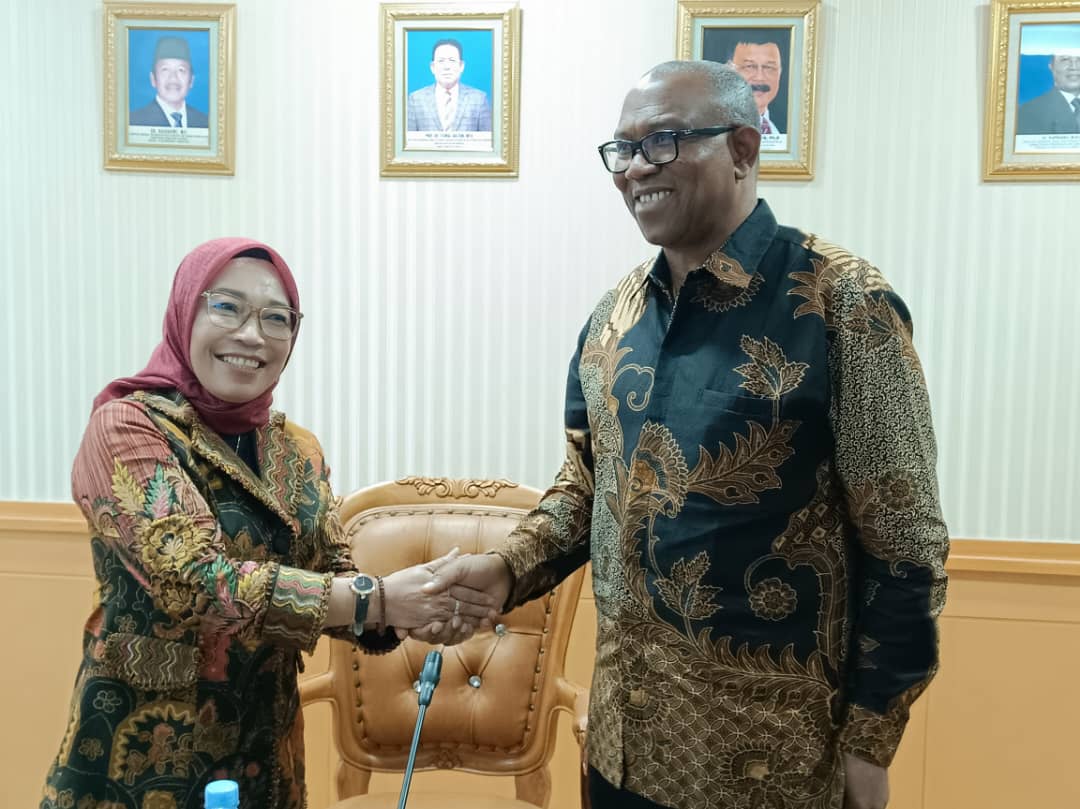
My first meeting was with Indonesia’s Minister of Health, Mr. Budi Gunadi Sadikin. The object was to discuss the country’s advancements in universal health coverage.
Indonesia’s National Health Insurance Program (JKN) now covers about 98% of the population, ensuring accessible healthcare, especially for the poor and vulnerable.
Minister Sadikin emphasized preventive care as the most effective public health strategy, aiming to reduce disease burdens through proactive measures.
The government fully subsidizes premiums for low-income individuals and is aggressively expanding the training of primary health workers, even in rural villages, to ensure truly inclusive healthcare.
Next, I met with Prof. Dr Nunuk Survani and her team at the Ministry of Education. We discussed Indonesia's educational system, which serves about 50 million pupils at the basic education level with over 3 million teachers.
To maintain high standards, all teachers are required to have a degree and teachers professional certification. With the strict implementation of its compulsory basic education policy, Indonesia has achieved a 99% school enrollment rate, significantly addressing the issue of out-of-school children.
With 20% of its annual budget allocated to education, Indonesia prioritizes a critical pillar of national development.
As we all know, the more educated a country is, the more developed it becomes. At the tertiary level, Indonesia has over 4,000 universities, while Nigeria has less than 10% of that—despite having a population that is about 80% of Indonesia’s.
Based on this ratio, we should have at least 1,000 universities.
Finally, I concluded the second session with a meeting at Indonesia’s Ministry of MSMEs, which focuses on an extensive support framework for micro, small, and medium-sized businesses.
MSMEs in Indonesia contribute 61% to GDP and employ 97% of the workforce, making them a critical component of economic growth and development. The ministry, through its agencies, provides mentorship, training, equipment, and financial support.
A significant portion of the total bank loans—about $20 billion—is dedicated to MSMEs at an interest rate of 3% to 6%, with the government covering the differential from the commercial loan rate of 12% to 13%.
This contrasts with our situation in Nigeria, where the total loans available to over 40 million SMEs are less than 10% of what is allocated in Indonesia, compounded by several other negatively impacting environmental factors.
These meetings have been invaluable in highlighting Indonesia’s commitment to advancing healthcare, education, and economic growth.
Indonesia stands as a learning model for developing nations.
Indeed, a new Nigeria is POssible. -PO
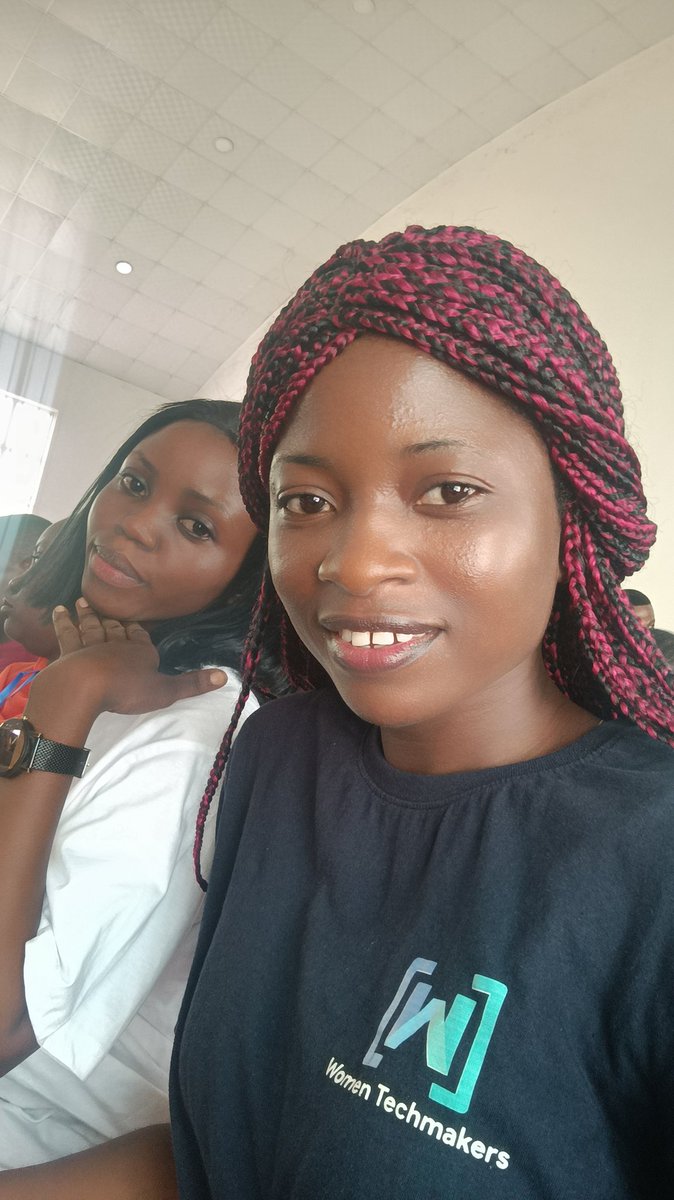
We're happy to be bringing you another meetup for our women community! 🥳
Join @HalimaIbro360 next week Friday as she facilitates a session on how you can create and host a personal/portfolio website for Free on GitHub pages.
Meeting link: https://t.co/O2qypEvM8c See you soon🙂