Are we in a post-literate culture?
In The Return of Oral Culture, Murtaza Hussain (@MazMHussain) explores the monumental cultural shift occurring as technological trends drive the decline of reading and writing in favour of oral consumption.
The prescient works of Walter J. Ong and Neil Postman foretold the epistemic change and psychological transformation that would accompany technological change. A literary subculture prioritises seriousness over spectacle; the rise of oral culture prioritises the opposite, intensifying social nihilism and manipulation.
If we want to preserve the rudiments of modern society, we cannot treat reading as a quaint hobby. We must treat it as a foundational technology of human depth that must be cultivated and defended, kept as a vouchsafe of civilisation to the generations ahead of us.
Read more on Kasurian. Link to essay in reply below:
#NewPublication
Sea of Treasures: A Cultural History of Ancient Indian Ocean Trade
Jeremy A. Simmons . Princeton Univ Pr 2026
Preview Front Matter & Chapter I: Beyond Indo-Roman trade ⬇️
https://t.co/dyXT553i53
https://t.co/JYvHHStuiT
https://t.co/vwSJt39CgM
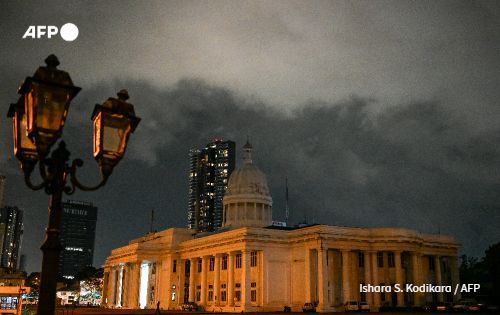
Sri Lanka struggles to prevent economic collapse as the Middle East war compounds the fallout from a deadly disaster in November
https://t.co/DUydfJypY6
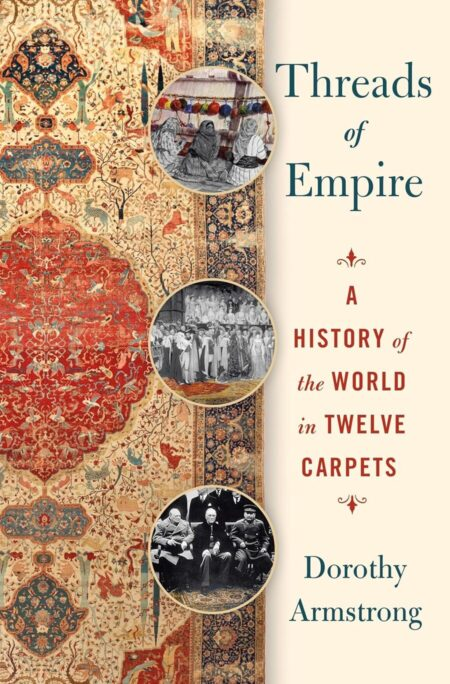
Today in the ARB: @davidchaffetz reviews “Threads of Empire: A History of the World in Twelve Carpets” by Dorothy Armstrong @HachetteBooks@macmillanusa "treasures of insights about the material world we live in ... what paradise looks like" https://t.co/3jEAqYenid
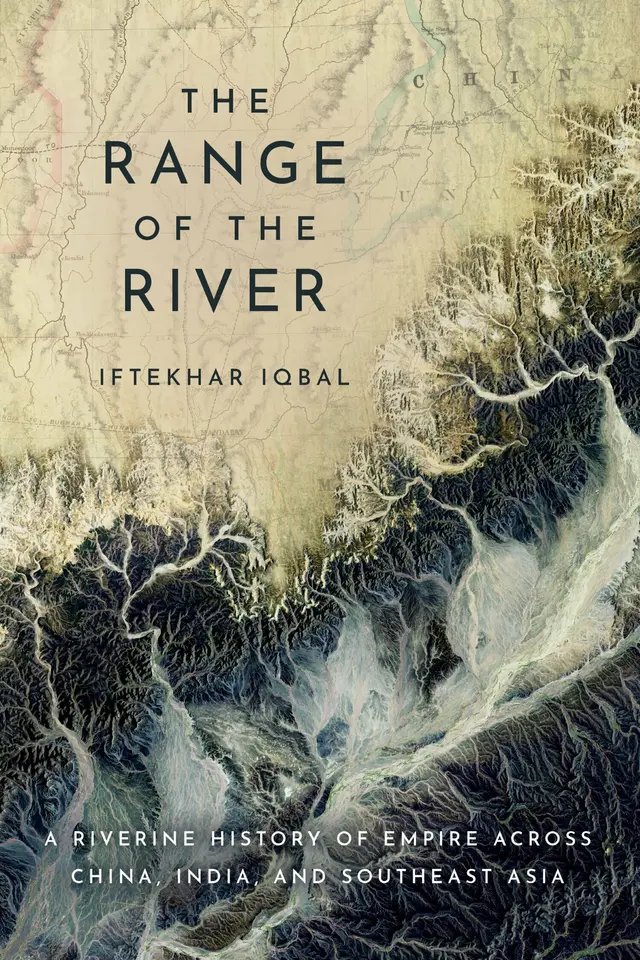
-This groundbreaking book reimagines the river not as merely a tool of empire but as a dynamic force in itself, shaping a truly transregional Asia. By weaving together diverse riverine life-worlds, the book invites us to rethink Asia's spatial history. https://t.co/yUAxcuUhJW
For those interested in conservation, the environment, and sustainability, @MongabayIndia is mandatory reading. Here is an excellent report on how Adivasi women in Maharashtra protect the forests that sustain their livelihoods:
https://t.co/Gsuj8j1pwm
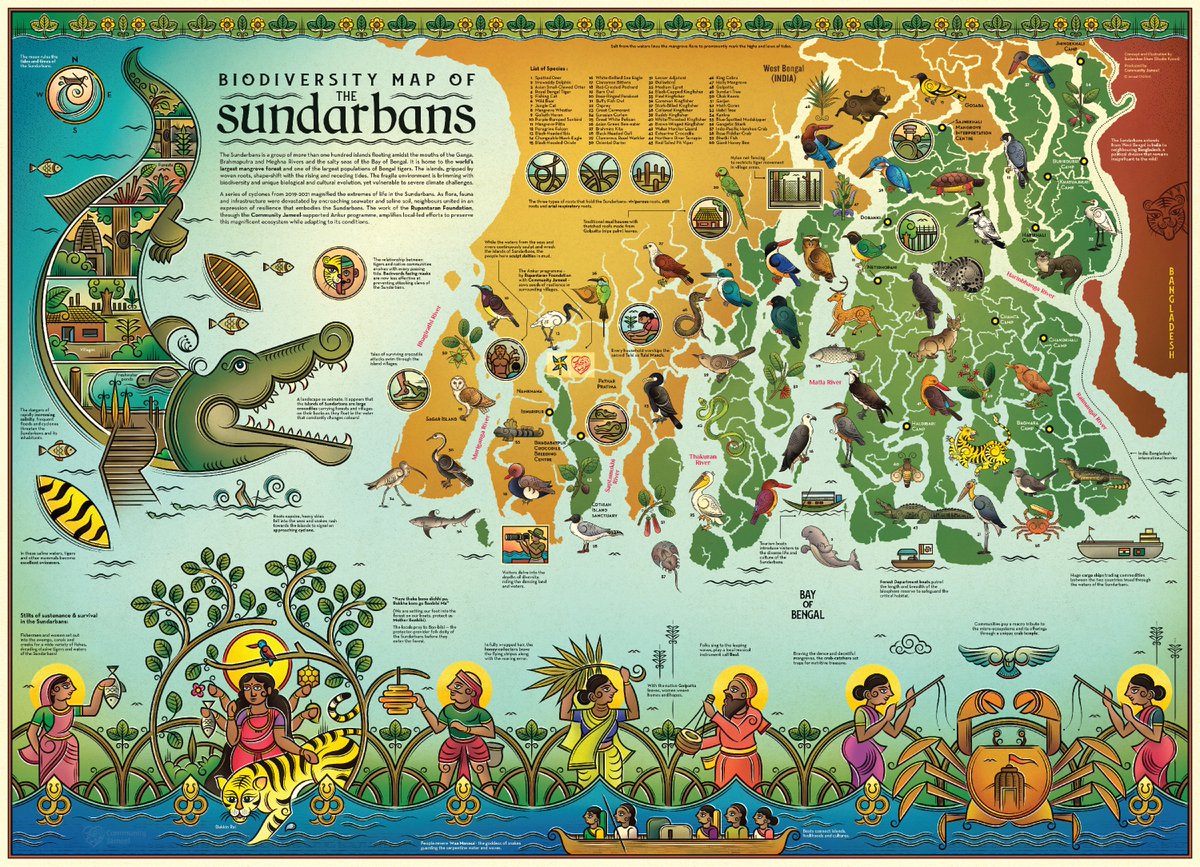
Presenting our Folkindica Biodiversity map of the Indian Sundarbans.🐯
An 'art's eye view' of the West Bengal's wildest pride- the land of shape-shifting islands, brimming biodiverisity, daunting uncertainities, the fiercest inhabitants and the most mystical folk cultures.
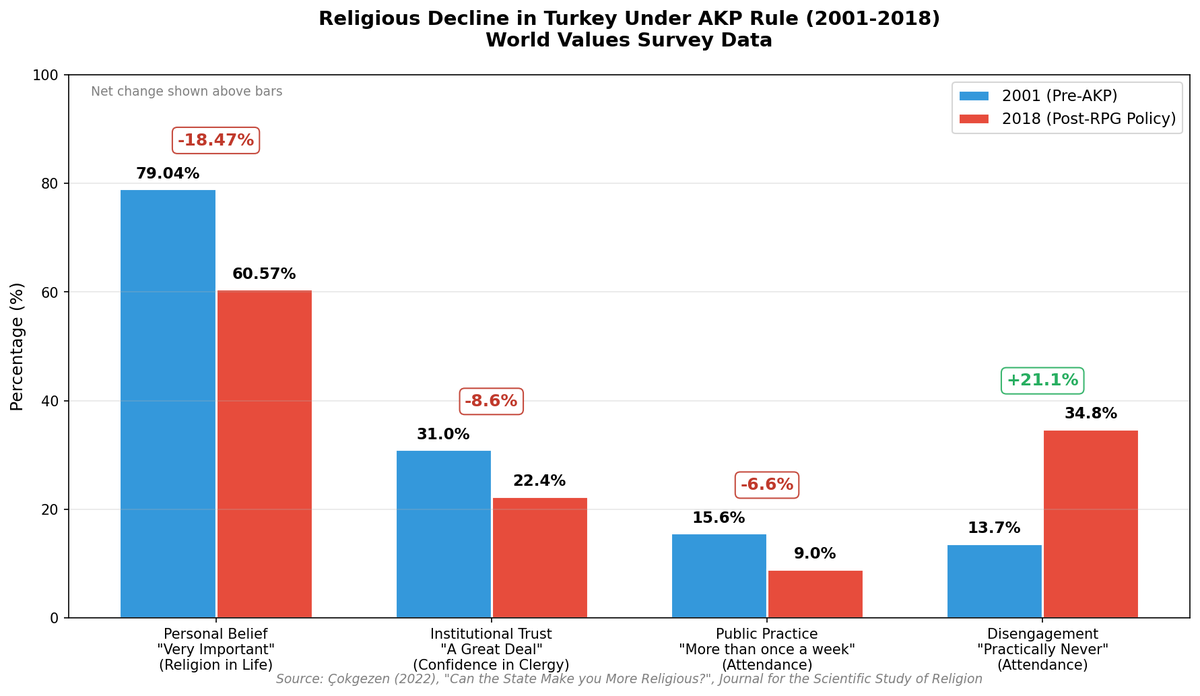
🧵From my two-apart series on religiosity: Iran and Turkey are both experiencing rapid secularization. The common thread? Political Islam corrodes the very religious authority it claims to embody. When faith becomes a tool of state power, it loses its legitimacy as a source of public morality.
The View from Harvard-
"The Greatest Literary show on Earth- If you want to know what is going on in the world of culture, the best place to be is the Jaipur Literature Festival, which takes place every January in the capital of Rajasthan"
https://t.co/KoC3YaTPme
The problem isn't Trump. The problem is the US.
When the outside world observes Trump's insane behaviour and his threats against allies, and we at the same time observe that there is no real action from the US public, Congress, the US Supreme Court, or the US media about this insanity, we will all have to conclude that the US accepts this behaviour.
The public in the US think the US is entitled to a certain position in the world where there is no room for decent behaviour and where there are no norms and rules.
That means that we all have to conclude that the US — not only Trump — has betrayed the international order that the US, with its Western partners, were the main architects of after the Second World War.
This is the conclusion that Canadian Prime Minister Mark Carney so clearly laid out in his speech at Davos yesterday. We simply cannot trust the US to play by the rules any more. Therefore, we also fundamentally have to ask ourselves — should we trust the financial and economic structure which is an integral part of the global rules-based order?
Americans live in the illusion that the US can do everything on its own, despite the fact that the US for nearly 20 years has lived beyond its means.
US private and government consumption has been funded by, among others, European central banks and pension funds. But we now have to ask ourselves — why would we trade in dollars? Why would we put our savings into US Treasury bonds?
If the US is not a rules-based society, we cannot trust the dollar to be a stable currency, and it would be insane to hold dollars. As domestic US institutions are eroded and governance structures destroyed, the US will be turned into an emerging market economy — or more accurately, a de-merging economy.
If the US threatens the territory of allies, then the US acts as an authoritarian bully nation. Nobody in their right mind would lend money to the US government. If the US doesn't live up to its international obligations and respect the sovereignty of other nations, why would we expect the US government to honour its debts?
If Trump can tariff nations that will not give up their territory, then there is certainly no reason to believe that the US will not introduce capital controls. And if that is a risk, why would you risk investing in the US?
It is not a question about Europe standing up to the US. It is a question about being prudent with our investments — about reducing risks.
Every day Trump remains in office, distrust of the US increases, and the cost for the US will go up day by day. And this is irreversible. It takes years to build trust, but you can destroy it by your actions in minutes.
Europe has now completely lost trust in the US. And so has Canada. It is up to the people of the US to demonstrate that Trump is an 'outlier', and it is up to the American people to stop him.
If you don't do that, we will have to assume that this is what the US is about — whether the name of the President is Trump or something else, whether the President is a Republican or a Democrat.
It’s wild how European leaders are wringing their hands about a US invasion of Greenland being a violation of international law when just the other day they stood aside or even cheered as the US invaded Venezuela in violation of international law.
Travellers in Ottoman Lands
The Botanical Legacy
eds. Ines Asceric-Todd et al. Archaeopres 2018
#OpenAccess Preliminary Material & Introduction
PDF 🎯
https://t.co/X5rHkJycpl
https://t.co/mLhLsXi7se
Writing Travel in Central Asian History
#OpenAccess Preliminary Material & Introduction, PDF is available on editor's Academia
https://t.co/2inoVRzW8U
https://t.co/48AjOipbXo
A Princess's Pilgrimage
Nawab Sikandar Begum's A Pilgrimage to Mecca
https://t.co/JeXmnMsO6Q