Per source: Cowboys running back Malik Davis is scheduled to have hip surgery on Saturday and be placed on injured reserve. He was injured in today’s practice.
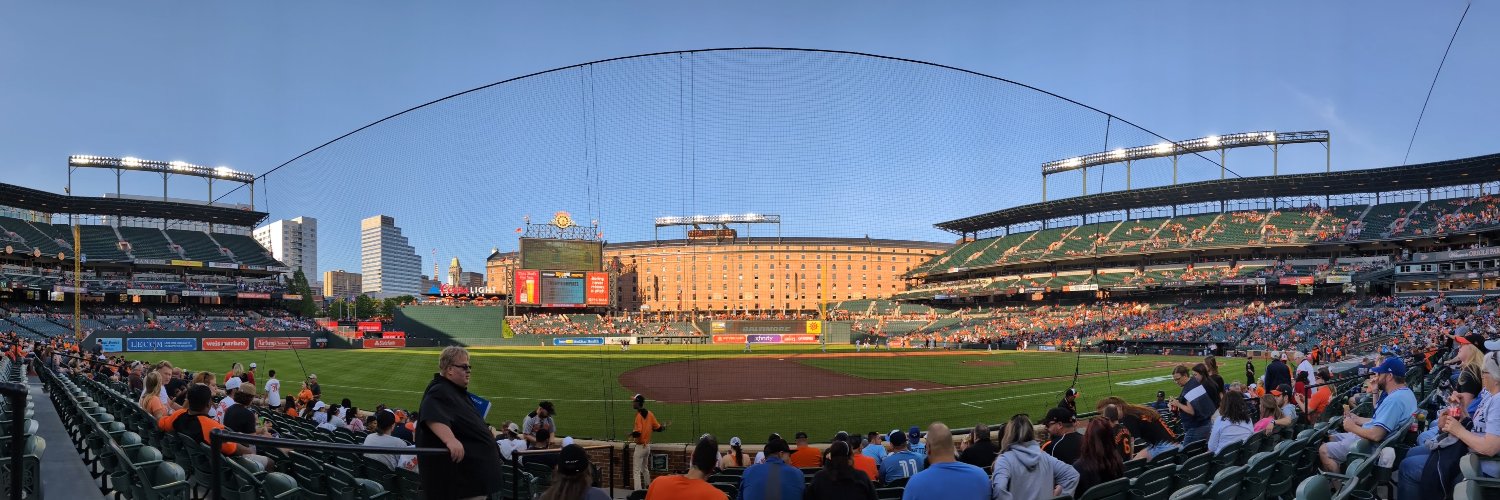
Brilliant look at the painstaking grind of baseball commentary. I've pulled a tarp, I've seen quality broadcasters pull tarps, and I've seen many people I consider world class not sniff an MLB seat because the opportunity just doesn't exist.
A Phillies fan paid $22,010 at a charity auction to call one inning on the radio, and everyone's joking "give this man a job." Here's why that joke is funnier than people realize: the job he'd be applying for is statistically harder to get than making the major leagues as a player.
Run the math on the actual position. There are 30 MLB teams. Each carries roughly two or three play-by-play voices on radio. Call it under a hundred jobs in the entire country, in the entire sport. Meanwhile there are 780 active roster spots for players, and hundreds of them turn over every single year. The booth doesn't turn over. Vin Scully held his chair for 67 years. Bob Uecker held Milwaukee's for over 50. Harry Kalas called the Phillies until the day he died, in the booth's press box, before a game. When a broadcaster gets one of these jobs, he keeps it for a generation. In a given year, the number of genuine openings across all of baseball is a handful. Some years it's zero.
Bleacher Report did the definitive piece on this path and the headline says everything: hard and long for players, harder and longer for broadcasters.
Now the actual road, because it's brutal in a specific way. Calling games in college isn't a nice credential, it's the minimum requirement just to get an interview in the low minors. Then the minor league job, if you get it, pays somewhere in the range of $25,000 to $40,000, and the broadcasting is maybe a third of it. You're also the media relations department, the stat sheet printer, the sponsorship reader, and in some towns the guy helping pull the tarp. You ride the buses. You do this in Lancaster, San Jose, Durham, Pawtucket, for years, producing a demo tape after every season and mailing it to teams that are not hiring, because the guy in the chair above you is 54 and plans to die in it.
Dave Flemming's brother Doug called Stanford baseball in college, then spent eight years in the tech industry before finally packing everything he owned into one U-Haul and driving to a Single-A job in Lancaster. That's a normal version of this story. The abnormal versions don't make it at all.
And here's the economic trap that makes it worse than the player's path: a minor league player who tops out gets released and gets on with his life by 26. A minor league broadcaster can be good enough to stay employed forever and never get the call, because being good isn't the constraint. Scarcity is. There are hundreds of Triple-A-quality voices and single-digit openings. The industry runs on a decade-plus of underpaid apprenticeship as the price of a lottery ticket.
Which reframes the auction guy completely. $22,010 sounds absurd for one inning. It's the cheapest anyone has ever paid for that chair. The men sitting next to him, Scott Franzke and Larry Andersen, paid with decades. The going rate for one inning of big league play-by-play isn't $22,010. It's fifteen years of buses, a U-Haul, and a demo tape nobody asked for.
He got the deal of the century. He just had to be ready when it arrived, and by all accounts, years of calling youth games in New Jersey for free meant he was.
The most expensive seats in sports aren't in the stadium. They're the two behind the microphone, and they're not for sale. Except, apparently, once a year, for charity.
@Kyle_Cush@ninjamaster1033 The page the PDF is linked on says they're treated as under contract unless specified as rights retained.
https://t.co/4vZ7G1nCwA
Second paragraph under PWHL contract guide. Although I was surprised it wasn't mentioned in the PDF.
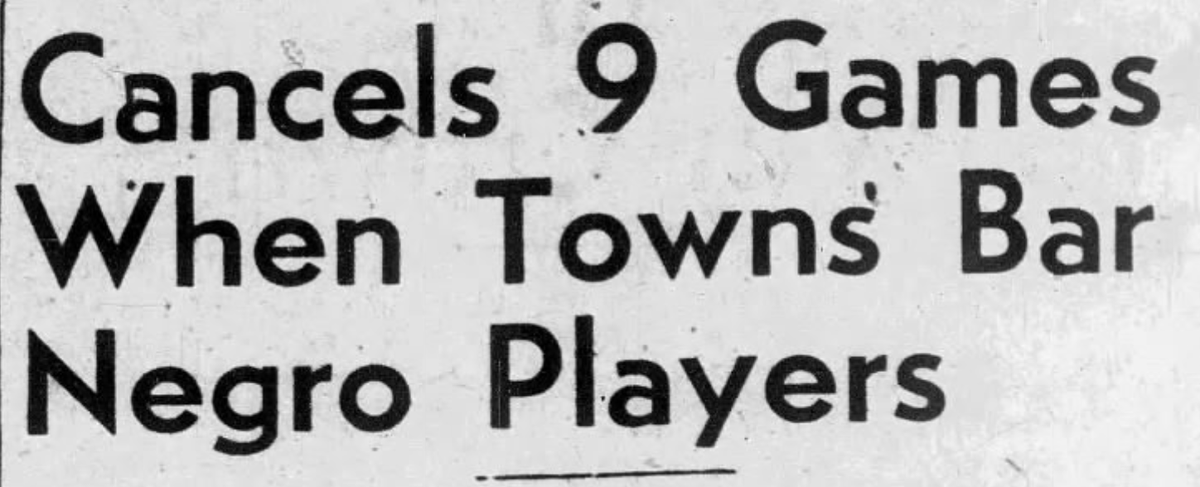
It's Jackie Robinson Day on April 15. Too often, we forget about many of the dangers before he reached MLB. Found this in the Pittsburgh Courier: Not only did cities refuse to play the Dodgers in exhibition games in 1946, but the paper's writers were "advised" to leave town, too.
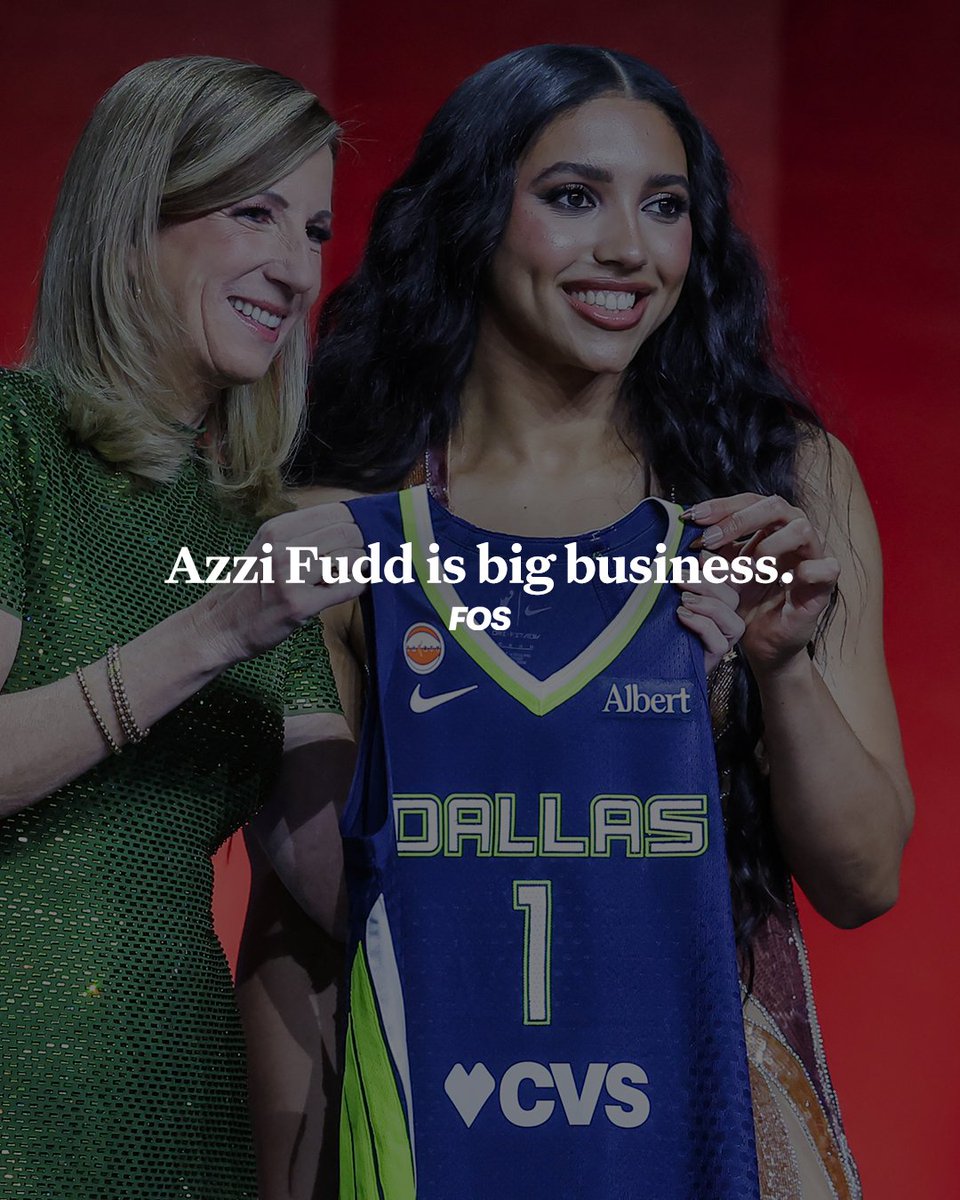
No. 1 overall draft pick.
National champion at UConn.
One of the highest-paid women's CBB players.
$2.2M contract, richest WNBA rookie deal ever.
Azzi Fudd is big business.
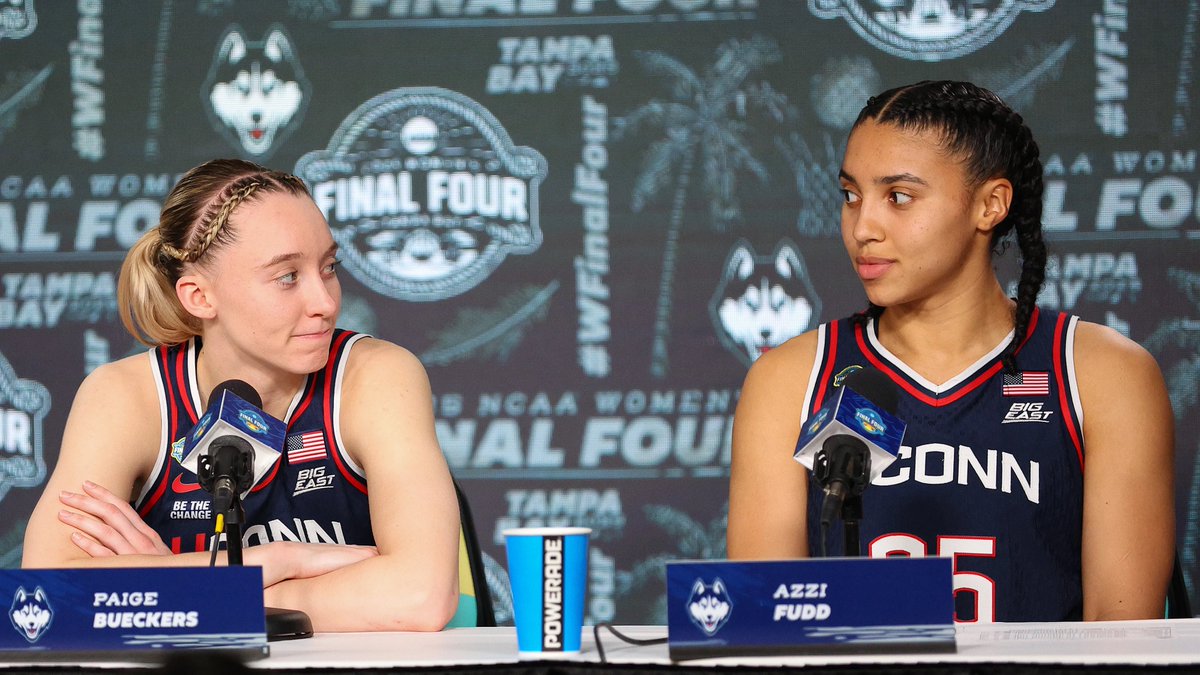
Azzi Fudd and Paige Bueckers have a lot in common:
• No. 1 overall recruits on ESPN
• Gatorade National Players of the Year
• Suffered torn ACLs
• National Champions at UConn
• 3x Youth Olympic Gold Medalists
Now, they're No. 1 overall picks for the Dallas Wings.
The Coliseum is electric, this PWHL game is going to overtime.
And the Goldeneyes absolutely made the right call hiring @ALMURDOCH for PA.
As always, he is crushing it. One of the best in sports.
@JohnnyGiunta_ At the same time, there's thrill in the slow.
NHL happens mostly in a whirlwind day, which is fun for sure
But baseball? You could get a Passan bomb at literally any moment over the next 3 months.
You can get an Arson Judge, or if you're awake late enough the Correa adventure