It's frustrating when Curlew eggs fail to hatch - especially when you've put a fence around a nest, to keep predators away.
Why do eggs fail?
https://t.co/X0YZcDiQwZ
Link to paper in IBIS:
https://t.co/9JGGNAcpEP
#ornithology
1/6 What does a Curlew chick need to survive? New research shows that the answer changes as it grows. A mixture of vegetation heights could help more chicks reach fledging.
https://t.co/iMmAZR6vHs
📷 Tim Melling
Somewhere to feed and somewhere to hide.
Getting the habitat right for growing #Curlew chicks:
https://t.co/Hp87F4hWWT
Paper by Harry Ewing et al.
#conservation
The best habitat for Curlew chicks?
WaderTales blog #163
https://t.co/Hp87F4iuMr
Paper by Harry Ewing et al.
https://t.co/OIfwmJi8Jg
PhD with UEA/BTO
#ornithology#waders#shorebirds
Where do waders feed, by day and at night?
(corrected post)
Fascinating detail - 10-metre accuracy.
WaderTales blog:
https://t.co/B3XpKZ7E79
Paper by Christine Beardsworth et al in IBIS.
https://t.co/RPhc1BI2Sj
#ornithology#shorebirds#waders
Red Knots feed in different places at night - which means that daytime counts may miss important areas.
WaderTales blog:
https://t.co/B3XpKZ7E79
Paper in IBIS:
https://t.co/RPhc1BI2Sj
#ornithology
Where's the daddy?
... and the mommy?
We know where satelite-tagged Icelandic Oystercatchers are but we need help finding more of their colour-ringed parents, please. 🙏
https://t.co/LNhMq3rQEy
#ornithology
1/6 Giving waders time to nest 🐣 IMPORTANT!
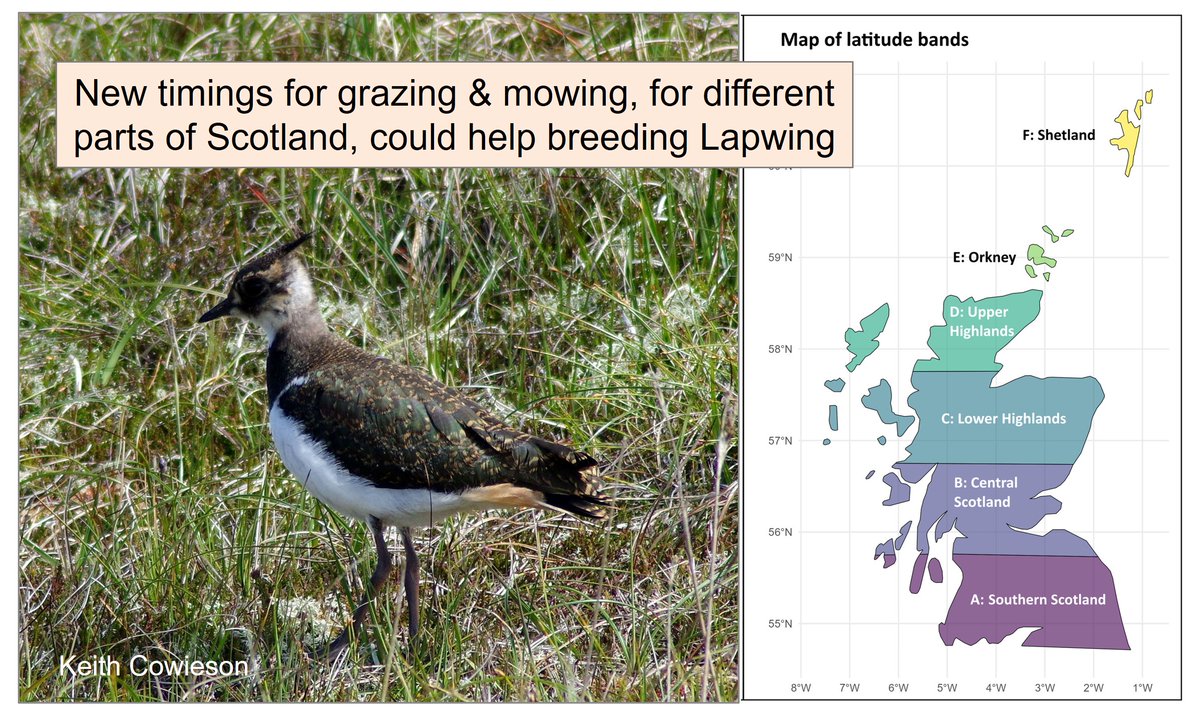
Research by Leah Gray and colleagues shows how adjusting mowing and grazing dates could better protect Lapwing and Oystercatcher nests and chicks on Scottish farmland. @ForWaders@WaderStudy@GrahamFAppleton
https://t.co/6T1o8vbXxq
Millions of £ are being spent on subsidies to help Scotland's breeding waders.
New study suggests how to refine timings of mowing/grazing to account of regional growing seasons:
https://t.co/Or0wR8fZAb
Paper by Leah Gray et al in @JAppliedEcology#ornithology
Where's the daddy?
... and the mommy?
We know where satelite-tagged Icelandic Oystercatchers are but we need help finding more of their colour-ringed parents, please. 🙏
https://t.co/LNhMq3rQEy
#ornithology
How can more waders be 'grown' on farmed grassland?
https://t.co/Or0wR8fZAb
WaderTales blog #161 based on paper by Leah Gray et al in @JAppliedEcology
🔽 "Don't roll over!"
This Oystercatcher nest survived but it was a close call!
#ornithology
WaderTales blogs were read in 72 countries in October.
Most popular blogs:
Waders linking Ireland and Iceland
https://t.co/NU80eZAt1l
World-wide Whimbrels
https://t.co/RT19t8t9WK
Moult on camera
https://t.co/GJdgoxGnUm
#ornithology#shorebirds#waders
Millions of £ are being spent on subsidies to help Scotland's breeding waders.
New study suggests how to refine timings of mowing/grazing to account of regional growing seasons:
https://t.co/Or0wR8fZAb
Paper by Leah Gray et al in @JAppliedEcology#ornithology
Wader conservation.
Time to change the timing of mowing and grazing for land that's in agri-environment schemes?
https://t.co/Or0wR8fZAb
#ConservationScience🌍
How can more waders be 'grown' on farmed grassland?
https://t.co/Or0wR8fZAb
WaderTales blog #161 based on paper by Leah Gray et al in @JAppliedEcology
🔽 "Don't roll over!"
This Oystercatcher nest survived but it was a close call!
#ornithology
WaderTales blogs were read in 72 countries in October.
Most popular blogs:
Waders linking Ireland and Iceland
https://t.co/NU80eZAt1l
World-wide Whimbrels
https://t.co/RT19t8t9WK
Moult on camera
https://t.co/GJdgoxGnUm
#ornithology#shorebirds#waders
1/3
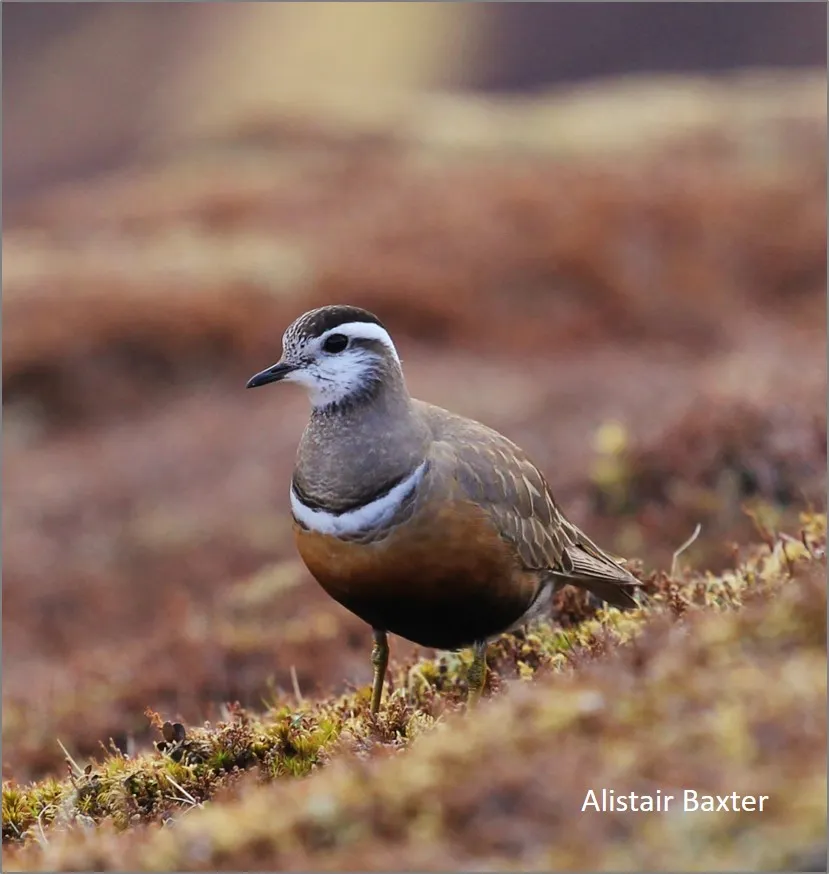
This DOTTEREL blog appeared on this day in 2015 🎂 https://t.co/vxXq65eEze
Latest RSPB report shows that decline in Scotland is now estimated at 89%:
https://t.co/zeiNQVVVWB
#waders#shorebirds#ornithology
2/3
This blog from 2020 examines some of the potential ways that climate change etc, might be affecting UK Dotterel:
https://t.co/06xn3Bbv79
#ornithology