🚨 BREAKING: @KaspaCurrency is one of the fastest blockchains with ultra-low gas fees—beating $SOL, $SUI, and $ETH combined!
Here’s the most exciting part: Processing 10,000 $KAS transactions cost just 1 $KAS ($0.15). 🚀
We’re still early on #Kaspa!
#KASFACT#DOGK
i think people sometimes focus so much on how a crypto project rewards holders that they forget to ask where the activity comes from,
with @RebateLaunch, the bonus and USDG payout model sounds interesting on paper, but real usage is a different thing from people showing up just for incentives,
i’m curious how much activity sticks around when the rewards aren’t the main reason people are there.
one thing i’d want to understand better about @RebateLaunch is how the rewards behave when activity slows down,
it’s easy to talk about payouts when people are buying and launching tokens, but does the same pattern hold during quieter periods?
a few busy days can look impressive, i’d rather understand what the numbers look like over a longer stretch.
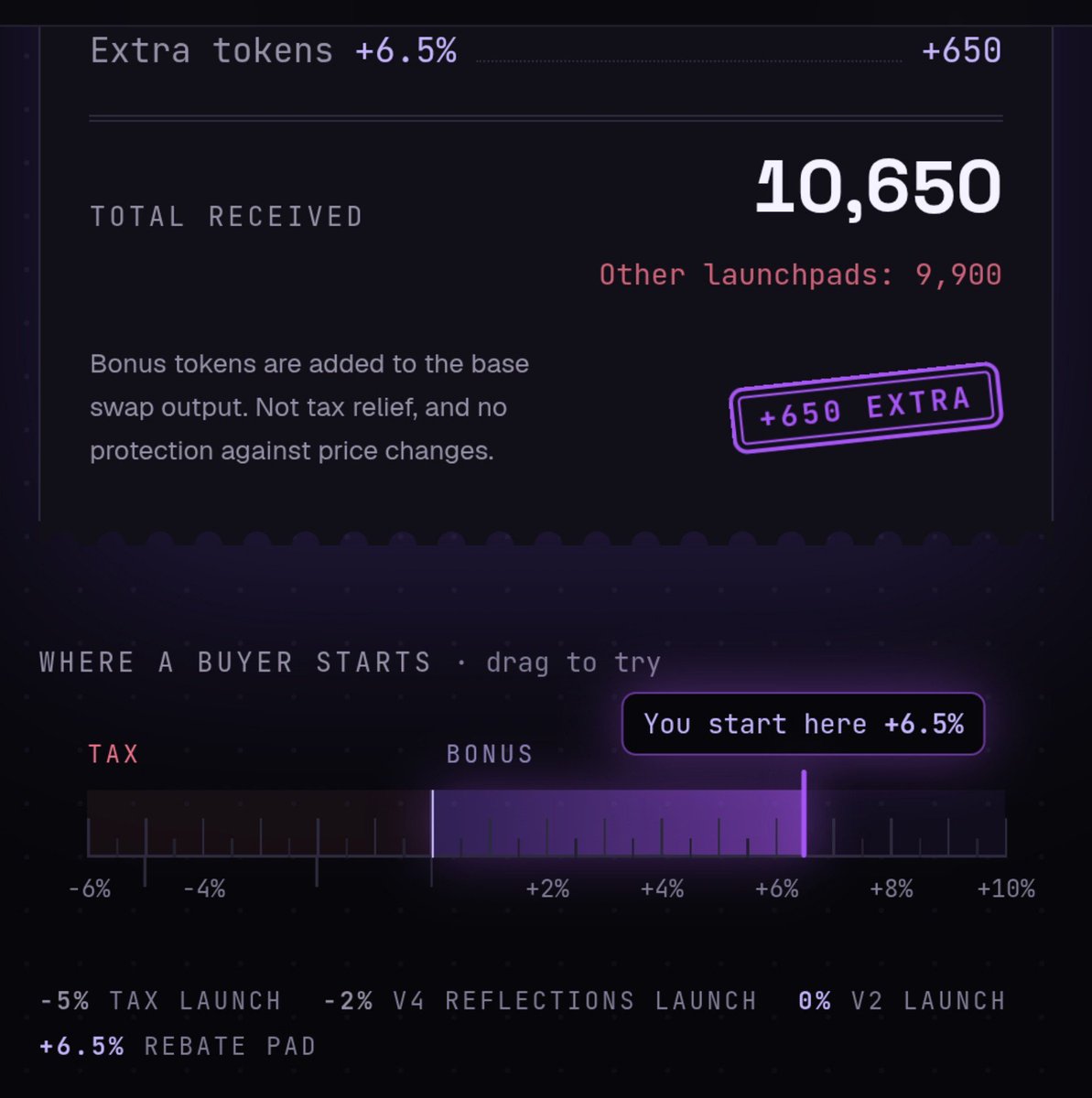
oct 27 is close, i like that @RebateLaunch is trying to make the bonus visible before someone buys,
but i also think people need to separate getting more tokens from getting a better deal,
if the price moves against you after buying, those extra tokens might not feel like much anymore,
so understanding the bonus is good, understanding the asset you're buying is even better.
something i find interesting about @RebateLaunch is how much the timing of a buy could matter,
if two people buy the same token at different prices, getting the same bonus percentage doesn't mean they get the same value out of it,
the bonus is one part of the decision, entry price still matters, and crypto can humble both of them pretty quickly.
i think one of the easiest mistakes in crypto is confusing a good token model with a good investment,
@RebateLaunch has some interesting mechanics, from the 3% buy bonus to the proposed buybacks and burns,
but none of those features tells you whether a token is fairly priced or whether there's enough demand,
i'd still look at liquidity, trading activity and how the project performs beyond the incentives before making up my mind.
something i find interesting about @RebateLaunch is that buyers and long-term holders are being given different incentives,
buyers get bonus tokens, while $REBATE holders can receive USDG payouts with a multiplier that increases over time,
i think the idea is worth exploring, but i'd still want to see how the actual payouts compare across different holding periods before deciding how much the multiplier changes the outcome,
the design is one thing, the numbers are another.
good to see @RebateLaunch putting the mechanics out there before launch,
now the real test is how the rewards work once trading goes live,
and again, a reward system becomes more interesting when you can actually track how it performs,
with @RebateLaunch, i'd like to see holder distributions reported across weekly periods, alongside the platform activity behind them,
that way, people can tell whether a high payout reflects a normal week or an unusually busy one,
would you trust a reward model more if it published that kind of breakdown regularly?