Nah, I ran 5E for years, and it became clear it was being designed from a player mindset, not a DM one.
Players are given a huge number of tools to bypass obstacles, recover quickly, and control outcomes. Monsters and exploration often don’t create enough pressure on their own to counterbalance that. So the DM ends up redesigning or adding constraints just to restore uncertainty.
Eventually I realized I was spending more time compensating for the system than running it.
“Common sense” for encumbrance always sounds weird to me. I get that some systems make it tedious, but I don’t really agree with handwaving it away entirely.
What’s next, common sense hit points? Common sense armor class?
At some point, you either have rules or you’re vibing scene to scene. YMMV.
@KainYusanagi@ChubbyFunsterGC My best example is that running your own adventure notes is like cooking from memory, while publishing an adventure is like writing a cookbook for strangers.
Things that felt completely self evident in my head because I wrote it.
A product is very different from GM notes, but a surprising amount of published material still relies on the GM to bridge critical gaps at the table under the umbrella of “make it your own” or GM fiat. But hey, YMMV.
My early con games had multiple GMs walk over mid session asking questions about things I had mentally filled in but never actually put on the page. It was eye opening.
That’s when I realized there’s a huge difference between writing something you can run and writing something other people can run consistently.
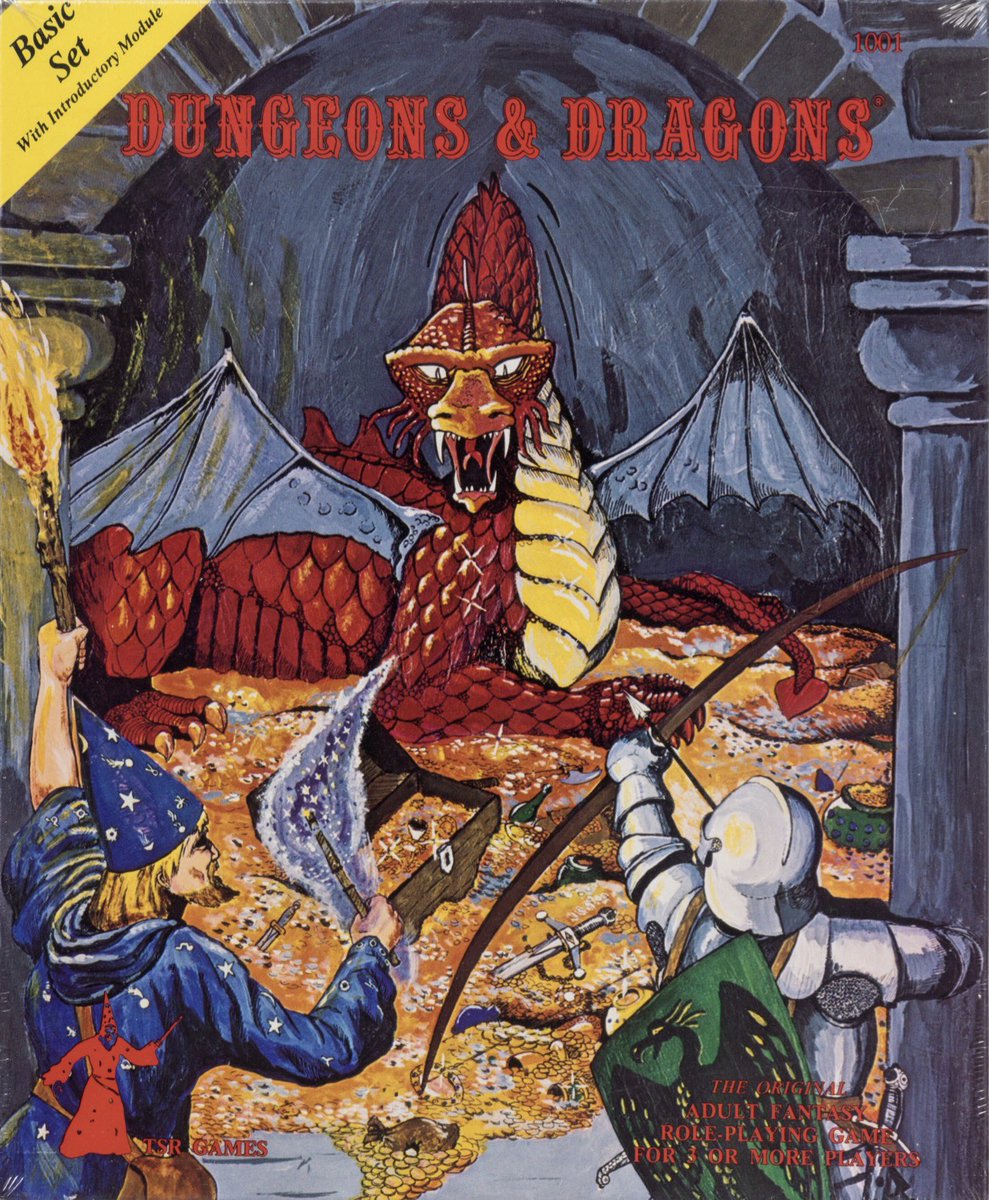
Modern Dungeons & Dragons art: a diverse group of persons enjoying artisanal soup in a well lit tavern after overcoming the tragedy of burning the cookies they were baking.
@GrampsToolshed He seems to often be on the offensive toward anything done in a perceived “older style” and frequently tosses around “grognard” as a pejorative for it.
I think books are absolutely going to become prestige items. Expensive enough that $5-10 a month starts to feel like the smarter deal. Then a couple years pass, you’ve spent far more than the books ever cost, and FOMO’d yourself into buying a mountain of digital assets you don’t actually own.