Being able to spot fake images is becoming an essential skill in social media literacy.
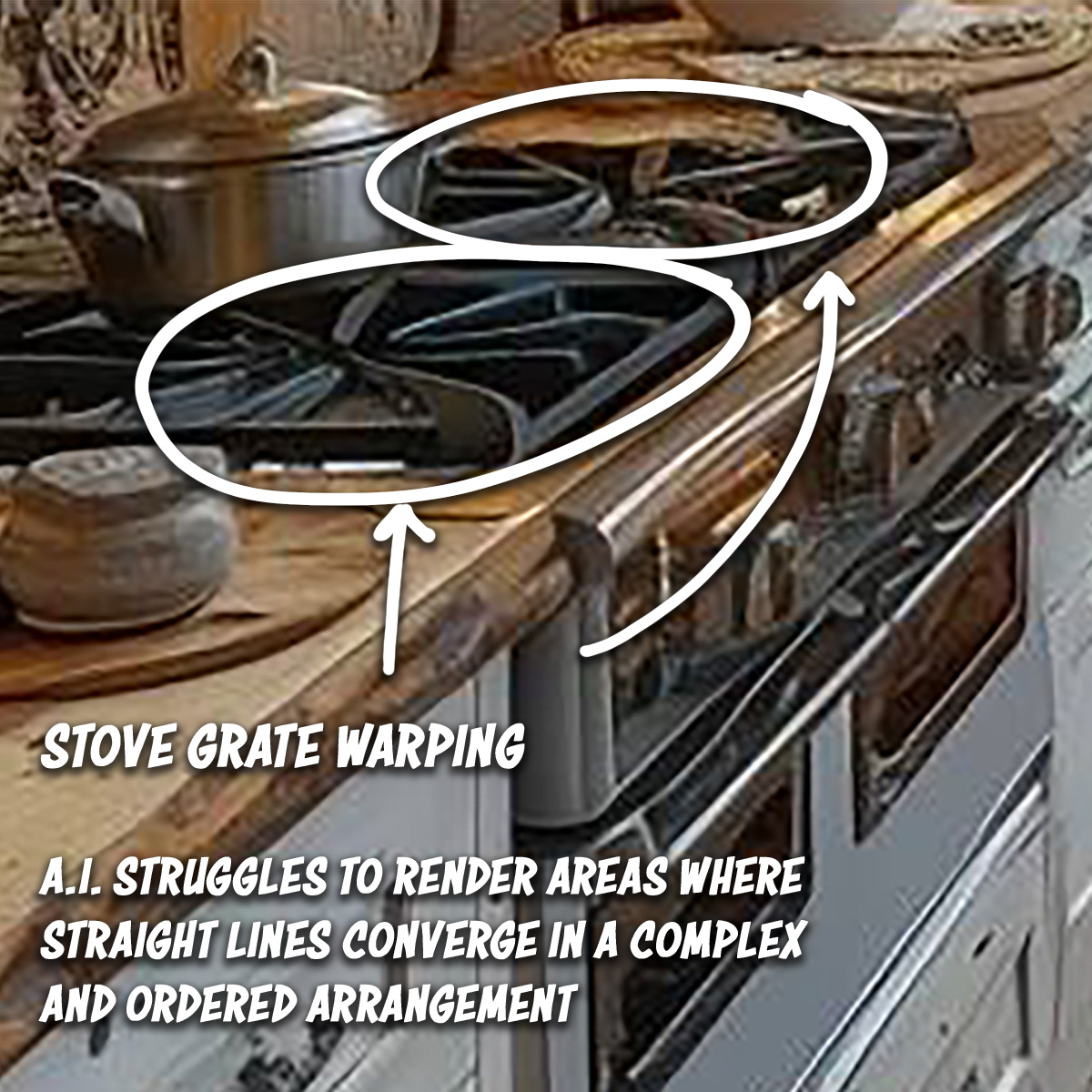
This AI-faked image got 90,000 likes/shares in 2 days. The algorithm rewards pages that flood the internet with rapidly generated AI content.
Here are some tips for spotting AI 📷! 🧵(1/4)
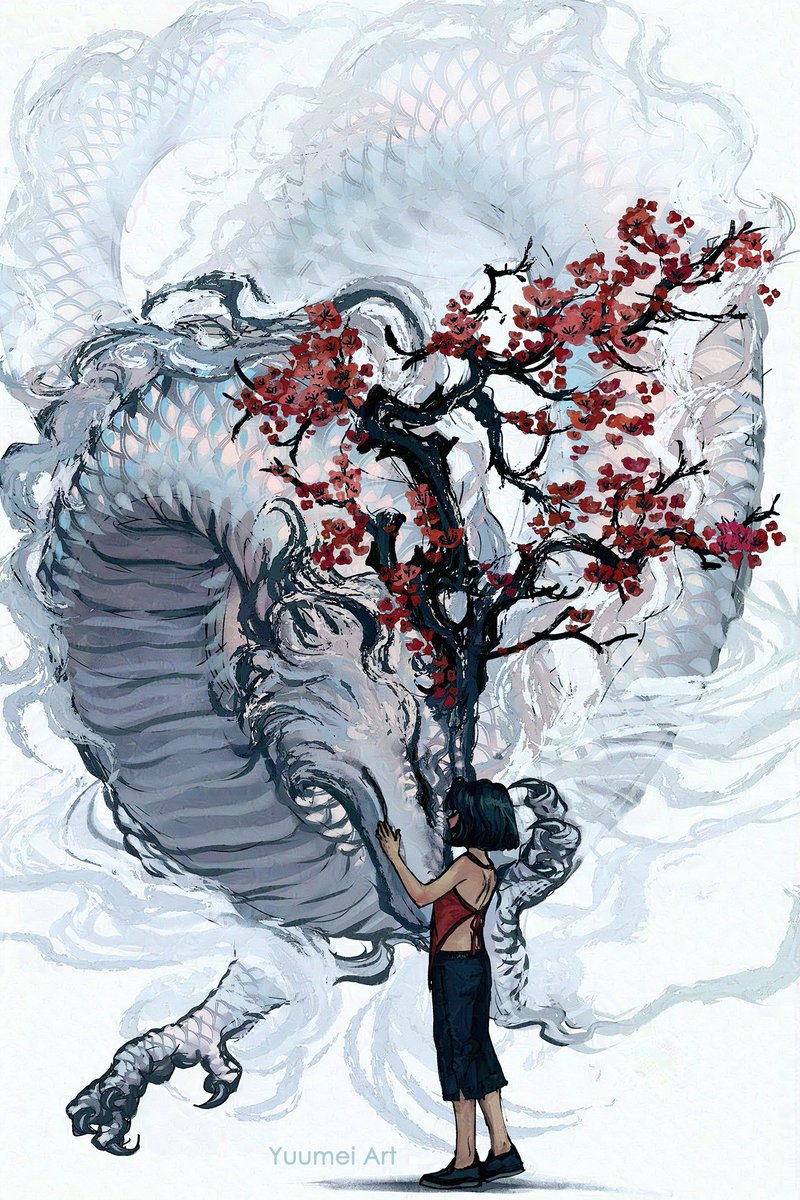
Tribute to my late grandma who was born in the year of the dragon. It’s my first Chinese New Year without her and I miss her so much.
When my parents divorced and essentially abandoned me for their new families, it was my grandma and grandpa who made sure I still felt loved.
this literally demonstrates how developing an assistive ai in house for a project CREATES jobs instead of taking jobs, there's such a huge difference between ethical and unethical generative ai usage.
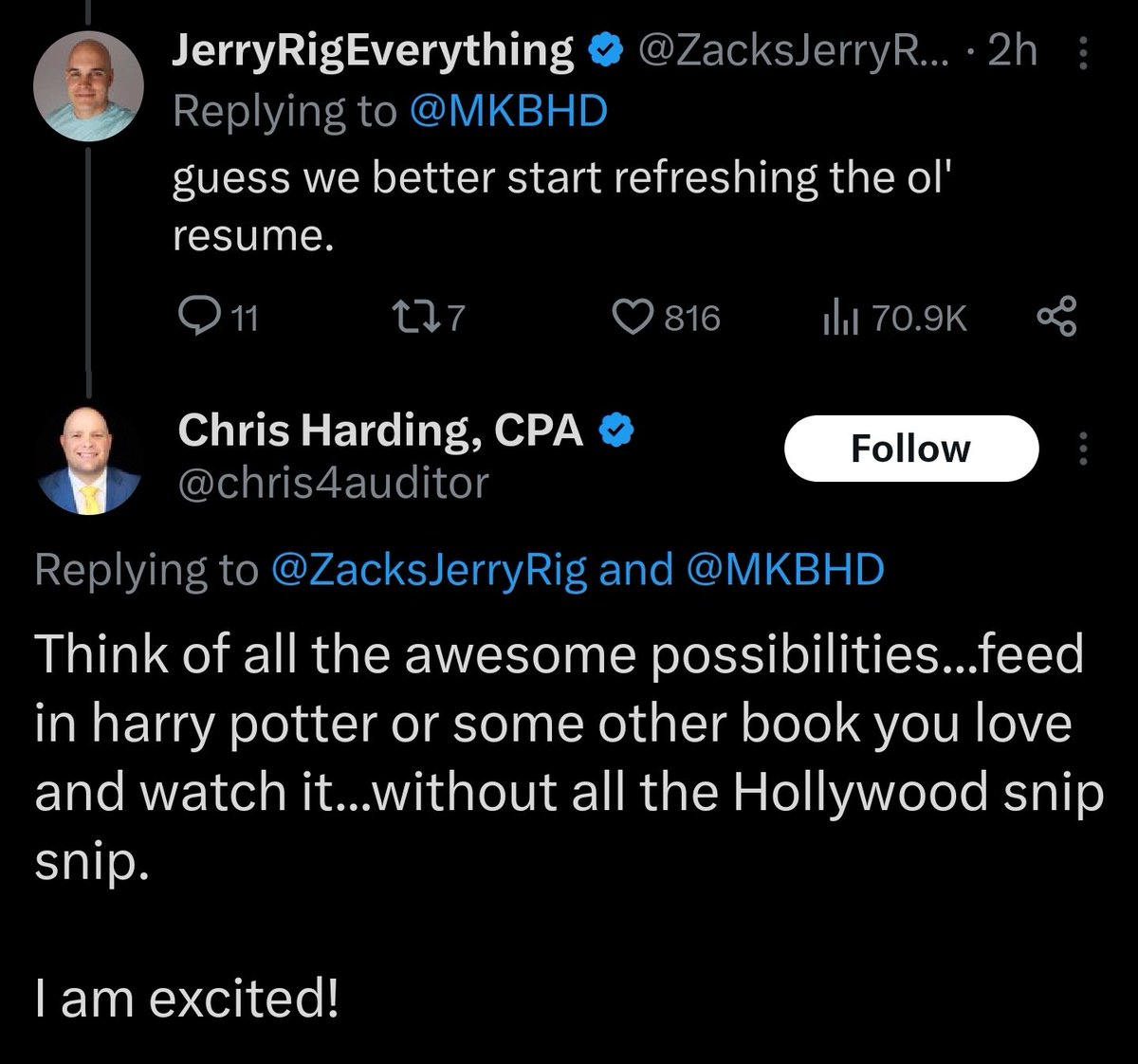
What tech bros think people will do with this: "wow cool now we can make our own movies!"
What people will actually do with this: replace human jobs, copyright theft, phishing scams, deepfake porn, disinformation campaigns
Negative use cases:
- spreading fake news
- meddling in elections
- non-consensual corn
- faking evidence for court cases
- scamming gullible people
- creating low effort, soulless „content“ for social media
- replacing jobs of artists
Positive use cases:
- umm… none?
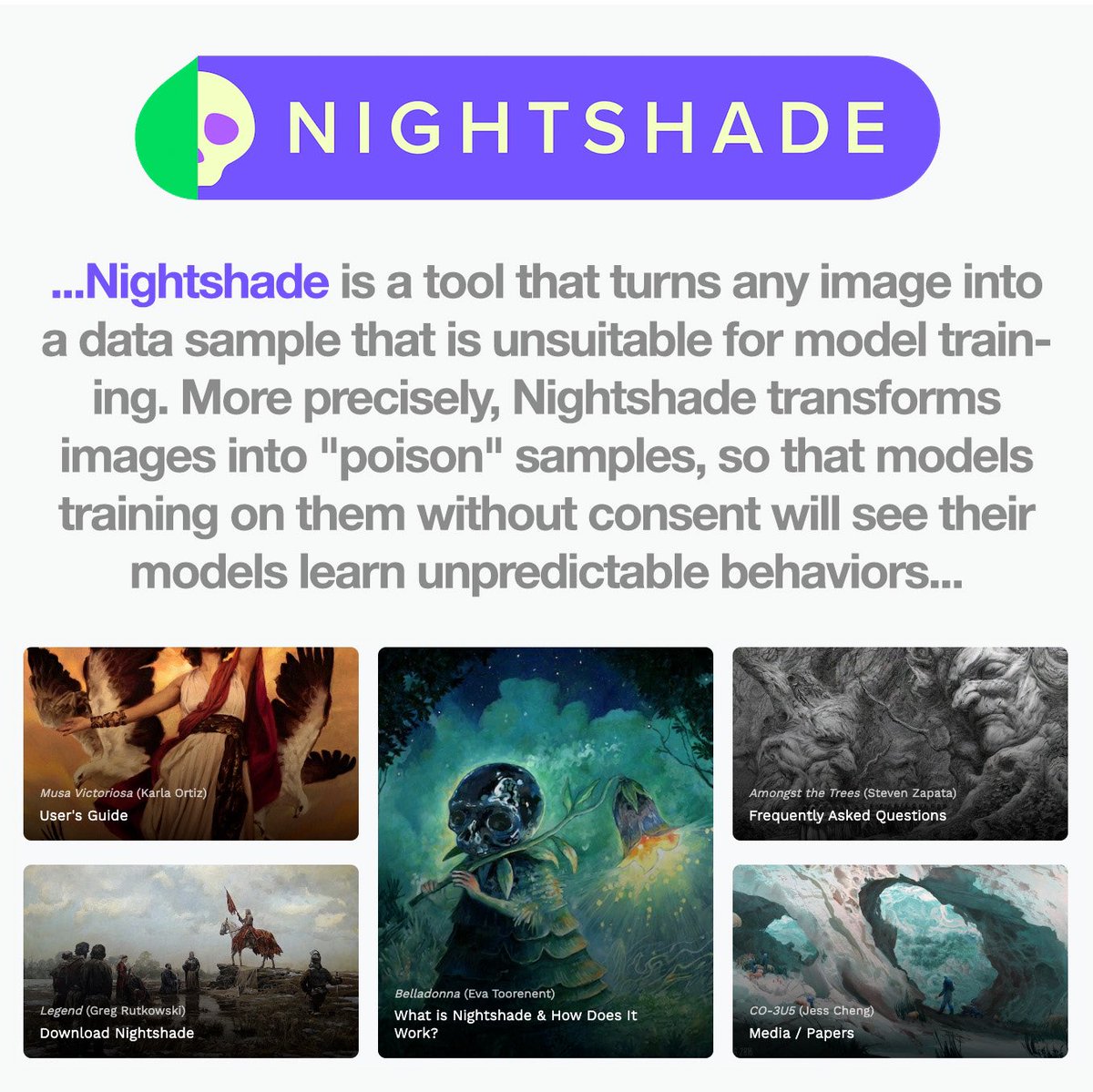
It’s been a while since the Nightshade premiere, but I finally had a free while to apply it to one of my recent paintings and I strongly recommend to you to do the same 😊 Link to the Nightshade:
https://t.co/NvsBja7Fq3
#nightshade#noai
there's no legal way to preserve your media. rip what you have and pirate what you don't. maintain backups. the CDs and DVDs you bought at the store have an expiration date.
There is a very real danger that the phrase 'publicly available' is used to hide copyright infringement in plain sight.
I've seen multiple people use this phrase 'publicly available' to describe training data, and what it often in fact means is just 'available on the internet, but copyrighted'. In other words, it is a world away from public domain, but the phrase seems intentionally chosen to confuse.
Don't be fooled into thinking that 'publicly available' means 'free of copyright issues'.