Motivational #speaker, entrepreneur & educator. A passion for #fraternity & #sorority life. Author of the book 📙From Letters to Leaders📙, CEO @GreekUniversity
Leave People Better Than You Found Them: Results Start with You
By Eddie Francis
When your term as #fraternity or #sorority president ends, how will your members remember you? Will they remember the awards you won, the events you organized, and the records you broke? Or will they remember how you helped them become better versions of themselves?
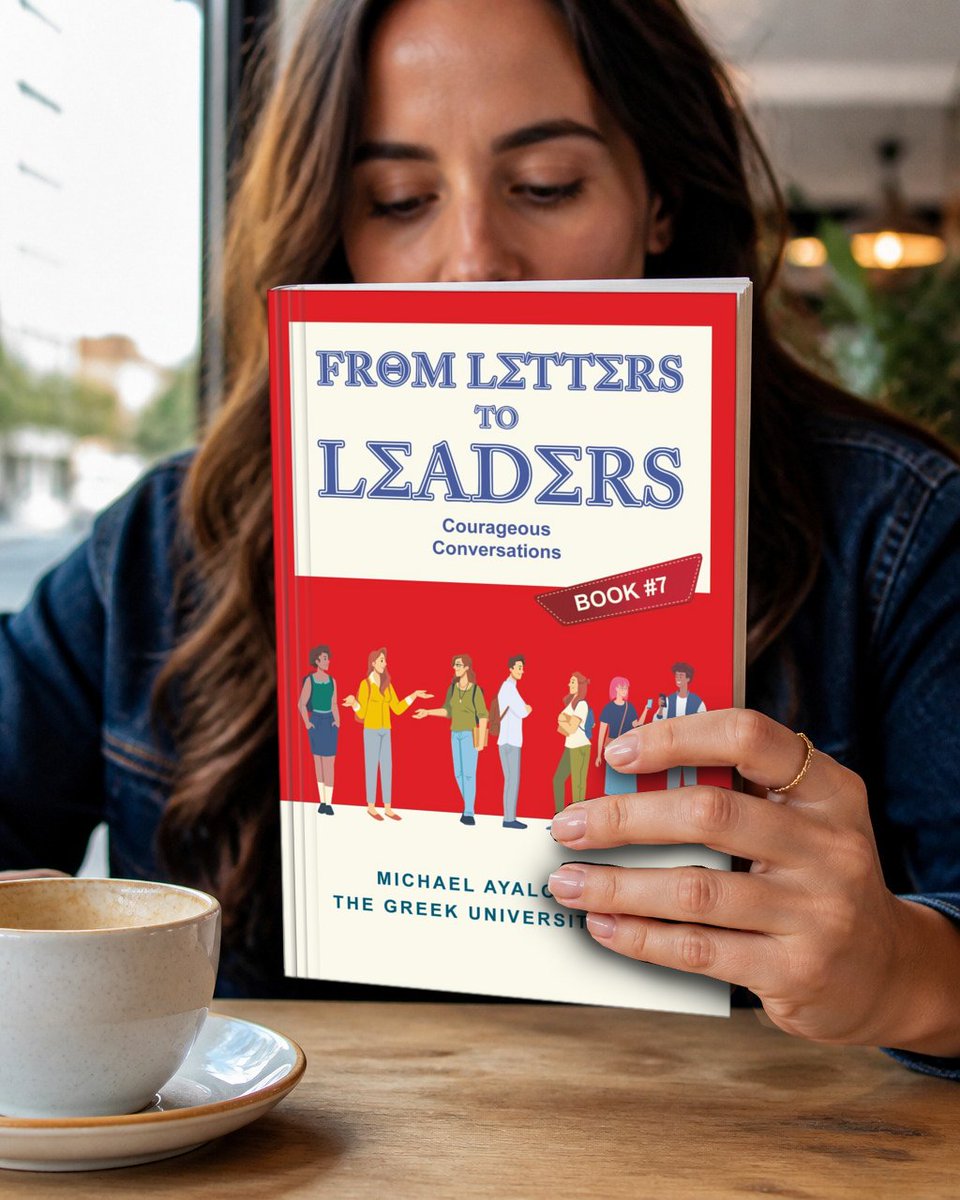
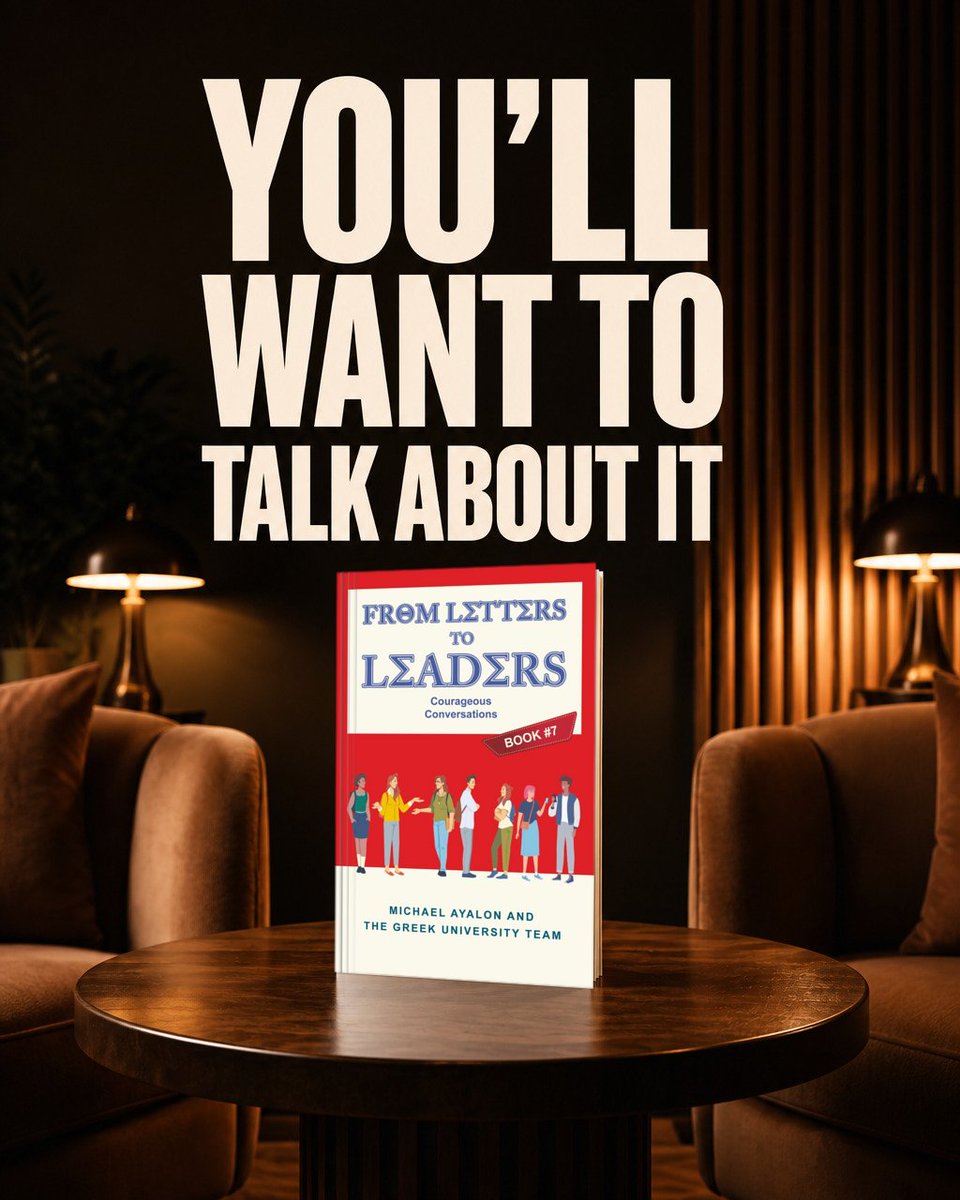
In Chapter 13 of our newest book, From Letters to Leaders: Courageous Conversations, Eddie Francis challenges readers to reconsider how they measure leadership success.
Drawing from his experiences as president of his Alpha Phi Alpha fraternity chapter at Loyola University New Orleans, Eddie candidly admits that his early leadership ambitions were driven by what he wanted to accomplish rather than what his brothers wanted to achieve together.
He had big dreams for his chapter, but he overlooked one fundamental principle: Leadership is about people, not personal accomplishments.
Throughout the chapter, Eddie identifies three essential components of effective leadership:
Self-awareness: Understand your strengths, weaknesses, values, and how your behavior impacts others. Be courageous enough to ask for honest feedback.
Trust: Recognize the value of your members before demanding results from them. Replace judgment with curiosity and discover what genuinely motivates each individual.
Action: Model the behaviors you expect from others, demonstrate integrity, and celebrate the contributions that often go unnoticed.
Eddie also explores the difference between extrinsic and intrinsic motivation. While fines, threats, and social privileges might produce short-term compliance, they rarely inspire genuine commitment, creativity, or loyalty.
Instead, great leaders help their members discover purpose, experience personal growth, and develop a sense of ownership in the organization's success.
Pick up a copy of the book on Amazon or Barnes & Noble today!
Leading through the Fire: Resilience in Times of Burnout
By Dr. Cristina Luna
Have you ever been so focused on taking care of everyone else that you forgot to take care of yourself? Have you ever felt exhausted, overwhelmed, and emotionally depleted, yet continued to show up because you believed that was what strong leaders were supposed to do?
In Chapter 12 of our newest book, "From Letters to Leaders: Courageous Conversations", Dr. Cristina Luna challenges one of the most dangerous misconceptions about leadership: that being strong means having no limits.
In a deeply personal and courageous account, Cristina shares her experience of becoming her mother's full-time caregiver following a terminal cancer diagnosis while simultaneously managing her professional responsibilities at the University of Miami and serving as national president of the National Association of Latino Fraternal Organizations (NALFO).
Determined not to let anyone down, she continued working, attending meetings, supporting students, and fulfilling her leadership responsibilities while sacrificing her own physical and emotional well-being.
Hours before her mother took her last breath, Cristina was still taking a Zoom meeting with a student leader.
Her experience forced her to reconsider what resilience truly means.
Throughout the chapter, Cristina challenges readers to recognize the early warning signs of burnout, establish healthy boundaries, embrace vulnerability, delegate responsibilities, and accept support without feeling guilty.
She also introduces a practical five-step reset for leaders experiencing burnout:
- Pause: Recognize your physical and emotional state.
- Prioritize: Identify what truly matters right now.
- Partner: Ask for help and share responsibilities.
- Protect: Establish boundaries that preserve your energy.
- Proceed: Take the next sustainable step rather than every possible step.
One of the chapter's most important lessons is that rest is not a reward you earn after completing everything on your to-do list. Recovery is an essential component of sustainable leadership.
Pick up the book today on Amazon or Barnes & Noble!
When Belonging Becomes a Battleground: The Courage to Stay, Leave, or Lead Differently
By Dr. Lyman A. Montgomery III
What happens when an organization that once gave you a sense of belonging becomes a source of conflict? Is choosing to leave an act of betrayal? Is choosing to stay a sign of loyalty? And what happens when your personal beliefs no longer align with the organization you've called home?
In Chapter 10 of our newest book, "From Letters to Leaders: Courageous Conversations", Dr. Lyman A. Montgomery III explores one of the most emotionally charged issues facing fraternities and sororities today: the intersection of identity, belonging, loyalty, and personal conviction.
Drawing from his extensive research into the growing movement of individuals renouncing or denouncing their membership in Black Greek Letter Organizations, Dr. Montgomery challenges readers to think more deeply about what it means to belong to something larger than ourselves.
His perspective is particularly compelling because he once actively opposed Greek life before eventually joining Phi Beta Sigma Fraternity, Inc. His personal journey demonstrates how our beliefs can evolve when we're willing to listen, investigate, and challenge our own assumptions.
Throughout the chapter, Dr. Montgomery examines why organizational disagreements become so personal, how social media intensifies conflict, and why leaders often make the mistake of treating criticism or departure as betrayal.
He also introduces his BECOME Framework, offering practical guidance for navigating identity conflicts, evaluating competing perspectives, and approaching difficult conversations with greater courage and understanding.
One of the chapter's most important lessons is that a member's decision to leave an organization doesn't automatically mean the organization has failed, just as someone's decision to stay doesn't automatically mean everything is right.
Strong leaders must be willing to listen to criticism, investigate legitimate concerns, respect individual choices, and recognize when organizational practices need to change.
Gift this book for the holidays! Available on Amazon or Barnes & Noble today.
Criticism, Failure, and Moving Forward
By Edson O’Neale
Have you ever received criticism that made you question your abilities as a leader? Have you ever made a mistake and wondered whether people would ever trust you again?
In Chapter 9 of our newest book, "From Letters to Leaders: Courageous Conversations", Edson O’Neale explores one of the most difficult lessons in leadership: Learning how to accept criticism, take responsibility for mistakes, and move forward without allowing failure to define who you are.
Drawing from his experiences as a higher education professional, Edson shares a powerful story about his time advising a Campus Activities Board. When he stepped in to resolve a difficult situation involving students arriving late for a trip, he unintentionally undermined the student leaders responsible for enforcing the rules.
Although his intentions were good, his decisions damaged trust. Rather than continuing to defend himself, Edson eventually recognized the impact of his actions, apologized, and worked to rebuild those relationships.
He also shares his deeply personal experience of losing a job and struggling with feelings of failure, reminding readers that our professional setbacks do not determine our worth or our future.
One of the chapter's most valuable contributions is Edson's P.A.U.S.E. method, a practical approach to receiving criticism:
- P — Pause: Resist the urge to react immediately.
- A — Ask: Seek clarification and understand the feedback.
- U — Understand: Consider the other person's perspective.
- S — Separate: Recognize that making a mistake doesn't make you a failure.
- E — Evaluate: Decide what you can learn and what actions to take next.
Edson also reminds us that not every criticism is fair or constructive. Effective leaders must learn to distinguish between feedback that helps them grow and criticism that requires clarification or healthy boundaries.
The biggest takeaway? Great leaders aren't the ones who never make mistakes. They're the ones willing to listen, acknowledge their shortcomings, learn from difficult experiences, and make meaningful changes.
Pick it up on Amazon or Barnes & Noble today!
Calm Is Contagious
By Michelle Rupp
What would happen if your #fraternity or #sorority faced a serious crisis tonight? Would your chapter leaders know exactly what to do, or would panic take over?
In Chapter 7 of our newest book, From Letters to Leaders: Courageous Conversations, Emmy Award-winning journalist and communications strategist Michelle Rupp explores one of the most important responsibilities of leadership: remaining calm, prepared, and effective when everything around you is falling apart.
Drawing from more than 25 years in television news and her experience working with a hospital emergency response team, Michelle explains why crisis leadership begins long before an emergency occurs.
From serious accidents and natural disasters to hazing allegations, leaked group chats, and reputational crises, fraternity and sorority leaders must be prepared to respond when the unexpected happens.
Michelle identifies three types of crises—immediate, emerging, and sustained—and challenges chapter leaders to develop realistic response plans, identify their crisis management teams, and practice difficult scenarios before they become reality.
One of the chapter's most valuable lessons is the importance of practicing your response. Just as athletes develop muscle memory through repetition, chapter officers can develop the confidence and instincts necessary to act decisively under pressure.
She also addresses the dangers of posting on social media during a crisis, the importance of involving advisors and headquarters professionals, and why chapter members should never attempt to manage media inquiries on their own.
The biggest takeaway? Calm is contagious, but so is panic. When a leader demonstrates composure during a crisis, others are more likely to feel supported, focused, and capable of moving forward.
For fraternity and sorority presidents, risk management officers, executive boards, alumni advisors, and headquarters professionals, this chapter offers practical guidance for preparing for the moments nobody wants to experience.
Great leaders don't wait until a crisis to figure out how to lead. Pick up the book today on Amazon or Barnes and Noble!
When a university removes its relationship with fraternities, does it eliminate the risks - or does it eliminate some of its ability to address those risks? #fraternity
https://t.co/AfzWWDGuoX
Speak Truth without Burning Bridges: How Honesty and Kindness Can Coexist
By Dr. Kasi Lacey
Have you ever avoided a difficult conversation because you were afraid of damaging a relationship? Or delivered honest feedback only to discover that your message created more conflict than understanding?
In Chapter 4 of our newest book, From Letters to Leaders: Courageous Conversations, Dr. Kasi Lacey explores one of the most challenging aspects of leadership: How do you tell someone the truth without destroying their trust?
Drawing from her experiences as a psychologist, professor, and vice president of student life, Dr. Lacey shares how she transformed an adversarial relationship between fraternity and sorority members and university administrators into one built on trust, respect, and open communication.
Her approach challenges leaders to recognize that honesty and kindness are not opposing forces. You can hold people accountable while demonstrating compassion. You can address difficult behavior without attacking someone's character. And you can have uncomfortable conversations without sacrificing important relationships.
One of the chapter's most powerful lessons is the importance of building relationships before conflict occurs. When people genuinely believe you care about their success, they become more willing to hear difficult truths.
The biggest takeaway? Effective leadership isn't about choosing between being honest and being kind. It's about having the courage and emotional intelligence to do both.
For fraternity and sorority presidents, chapter officers, advisors, headquarters professionals, and campus administrators, this chapter provides practical insights into building trust, navigating disagreements, and creating stronger relationships.
This is Chapter 4 of From Letters to Leaders: Courageous Conversations, featuring powerful lessons from the Greek University team on resilience, accountability, conflict resolution, and courageous leadership.
Get your copy today on Amazon or Barnes & Noble and discover how the conversations you've been avoiding might become the ones that transform your leadership and relationships!
Don't Let a Setback Define Who You Are
By Judge Derwin Webb
What if the biggest failures in your life were actually preparing you for your greatest successes?
In Chapter 2 of our newest book, "From Letters to Leaders: Courageous Conversations", Judge Derwin Webb shares his remarkable journey from college basketball player at the University of Louisville to becoming a judge, and the difficult setbacks he encountered along the way.
After experiencing challenges on the basketball court, being dismissed from law school, and failing the bar examination three times, Derwin faced moments when giving up would have been the easiest option. Instead, he chose perseverance, self-reflection, and personal growth.
His story delivers a powerful lesson for fraternity and sorority members, student leaders, and anyone facing adversity: **Failure is an event, not an identity.**
Through his personal experiences, Derwin challenges readers to stop allowing disappointments to determine their future. Instead, he encourages us to learn from setbacks, focus on what we can control, and make the next decision that moves us forward.
The biggest takeaway? Your worst moment doesn't have to determine your future. What matters most is what you choose to do next.
Whether you're struggling academically, facing rejection, experiencing leadership challenges, or questioning your own abilities, this chapter reminds us that success isn't the absence of failure. Sometimes, success is built directly on top of it.
This is Chapter 2 of "From Letters to Leaders: Courageous Conversations", featuring powerful lessons from the Greek University team on resilience, accountability, conflict resolution, and courageous leadership.
Get your copy today and discover how your greatest setbacks can become the foundation for your greatest achievements!
#Fraternity #sorority
Resilience Is a Choice, Not a Personality Trait
By Eddie Francis
What happens when everything you've worked for suddenly falls apart? How do you respond when your chapter faces a crisis, your leadership is questioned, or your carefully developed plans completely unravel?
In the opening chapter of our newest book, From Letters to Leaders: Courageous Conversations, Eddie Francis challenges the belief that resilience is something you're born with. Instead, he argues that resilience is a skill developed through adversity, self-awareness, and intentional choices.
Through relatable examples from #fraternity and #sorority life, Eddie explores how successful leaders manage their emotions, focus on what they can control, adapt when circumstances change, and have the courageous conversations necessary to move forward.
The biggest takeaway? Great leadership isn't defined by what happens when everything goes right. It's defined by how you respond when everything goes wrong.
Whether you're a chapter president, student leader, fraternity or sorority advisor, or someone navigating life's unexpected challenges, this chapter offers practical strategies for becoming a stronger, more resilient leader.
This is just the first chapter of From Letters to Leaders: Courageous Conversations, featuring powerful lessons from the Greek University team on resilience, accountability, conflict resolution, and courageous leadership.
Get your copy today on Amazon or Barnes & Noble and discover how difficult conversations and challenging moments can become your greatest opportunities for growth.