We know that house prices have vastly outpaced our wages. The purchasing power of the dollar has also been eroded, while population growth has outstripped housing construction. More demand, insufficient supply and weaker purchasing power is a recipe for exactly what Australians are experiencing today:
Housing that’s become completely unattainable for ordinary workers.
Dumping net zero would provide immediate economic relief by reducing energy-transition spending, cutting compliance costs on Australian industry and allowing greater domestic energy production. Whether you support net zero or not, those three things lower energy costs today rather than decades from now.
A pay rise that barely keeps pace with our inflation rate isn’t prosperity at all. Real prosperity is affordable housing, reliable energy, accessible services and a dollar that retains its purchasing power.
This is bond bearish and inflation bullish* For context, Brent futures don’t normally move 5–6% in a single session without a major catalyst. That’s the sort of move that gets bond traders, central banks and inflation watchers paying attention.
The thing I’d be watching tonight is the US 10-year yield. If oil stays near US$97–100 and yields start pushing back toward 4.6–4.7%, the bond market is effectively saying inflation may not be finished with us yet.
Did anybody actually vote for a population growth strategy that outpaced our housing, roads, hospitals, water and energy infrastructure?
We Australians are being told that the housing crisis is some mysterious market failure while the country just crossed 28 million people.
We have gone from roughly 21 million people to 28 million people in less than 20 years. That’s population growth of around 33%. That’s a big part of why things are so difficult here now.
South Australia is planning for hundreds of thousands of additional residents over the coming decades, yet our housing supply remains under enormous pressure. That’s why record property prices shouldn’t surprise anyone. When population growth runs ahead of available housing, affordability suffers and prices stay elevated. The laws of supply and demand haven’t been repealed.
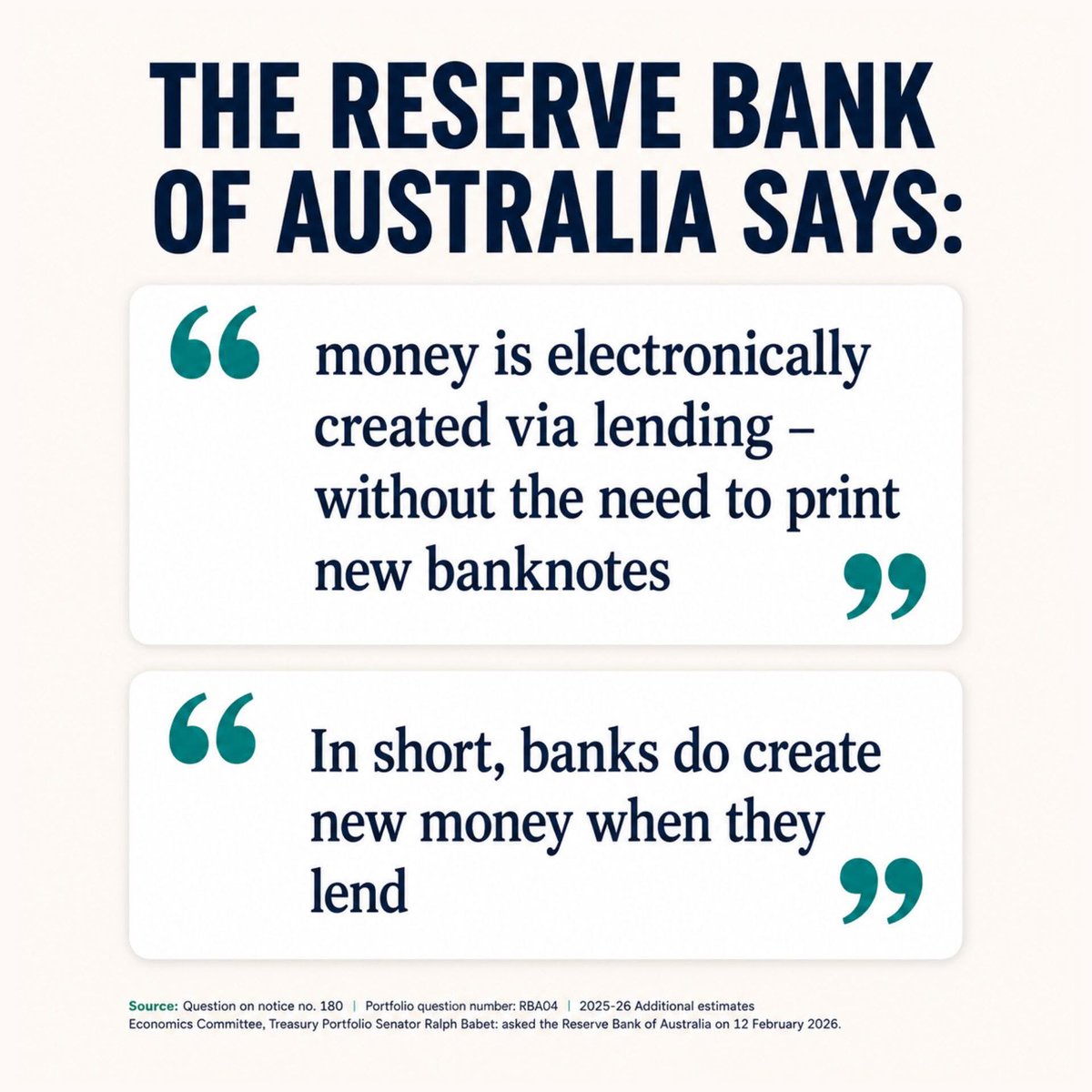
The Reserve Bank itself acknowledges that banks create new money when they lend out a new loan. When Australia continually expands our credit and our money supply faster than the real economy grows, the purchasing power of every existing dollar is diluted. That’s one of the key reasons our housing, land and other essential assets have become so much harder for ordinary Australians to afford.
Political commentators in Australia should be very careful not to confuse disagreement with extremism. When millions of Australians hold concerns about cost of living, community cohesion, or economic security, dismissing them all as ‘far-right’ often pushes even more voters towards parties willing to address those concerns.
Pauline Hanson clearly resonates with a growing number of Australian females who feel ignored by the major parties and spoken down to by political and media elites.
The problem with Marxist economics is that it quite wrongly assumes people will work equally hard regardless of their incentive. Real economies just don’t work that way in reality. Incentives, ownership, responsibility and increasing reward are what drive innovation, productivity and prosperity onwards.
“If you are not a liberal when you are young, you have no heart. If you are not a conservative when old, you have no brain.”
- Winston Churchill
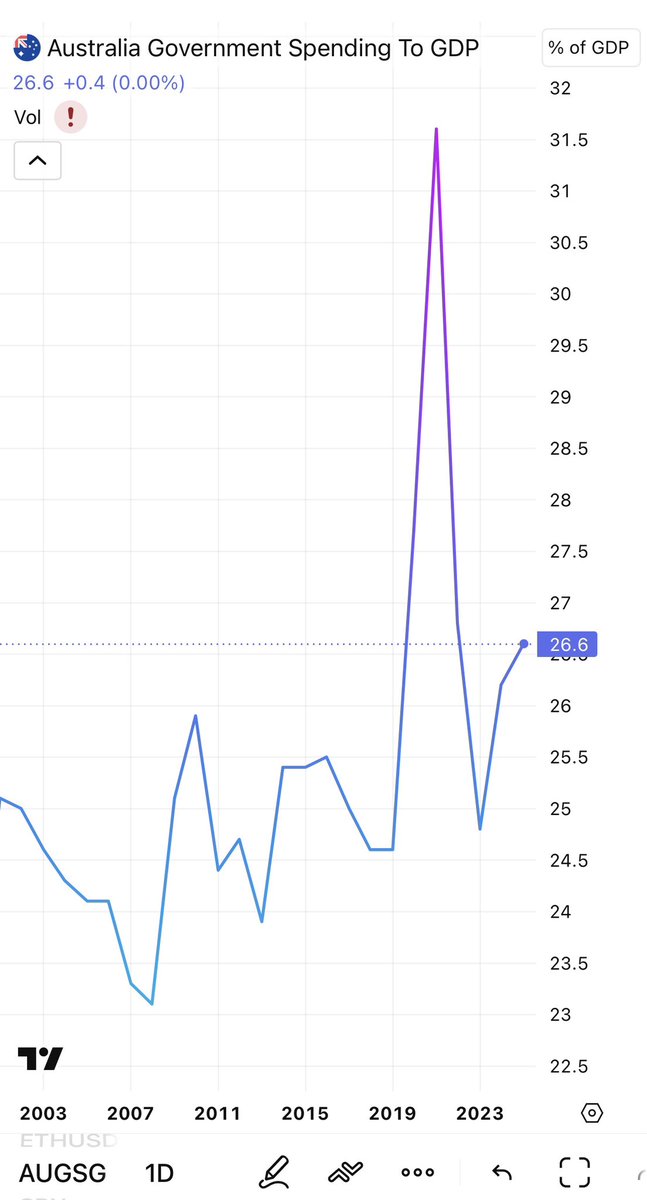
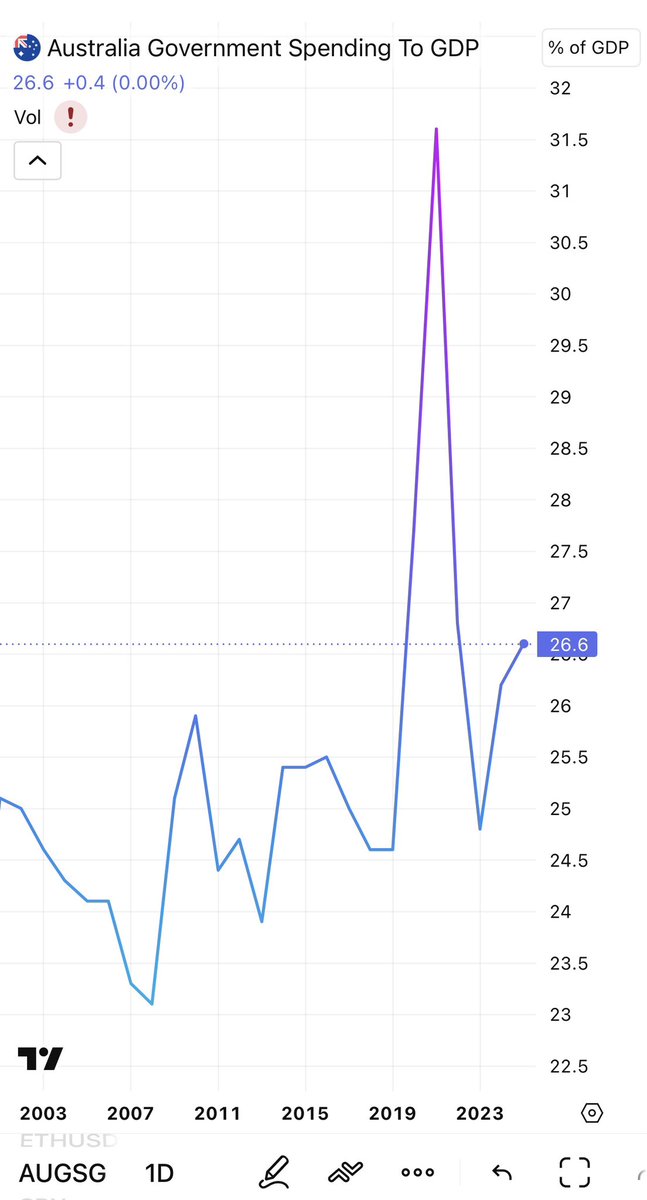
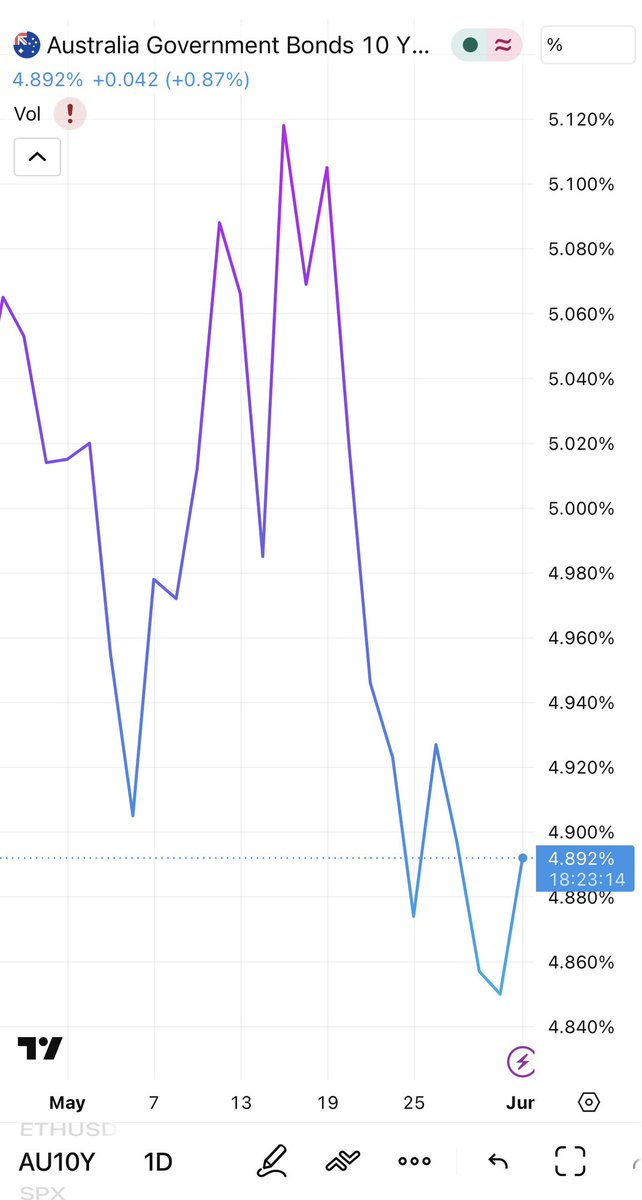
Look at the AUGSG chart….
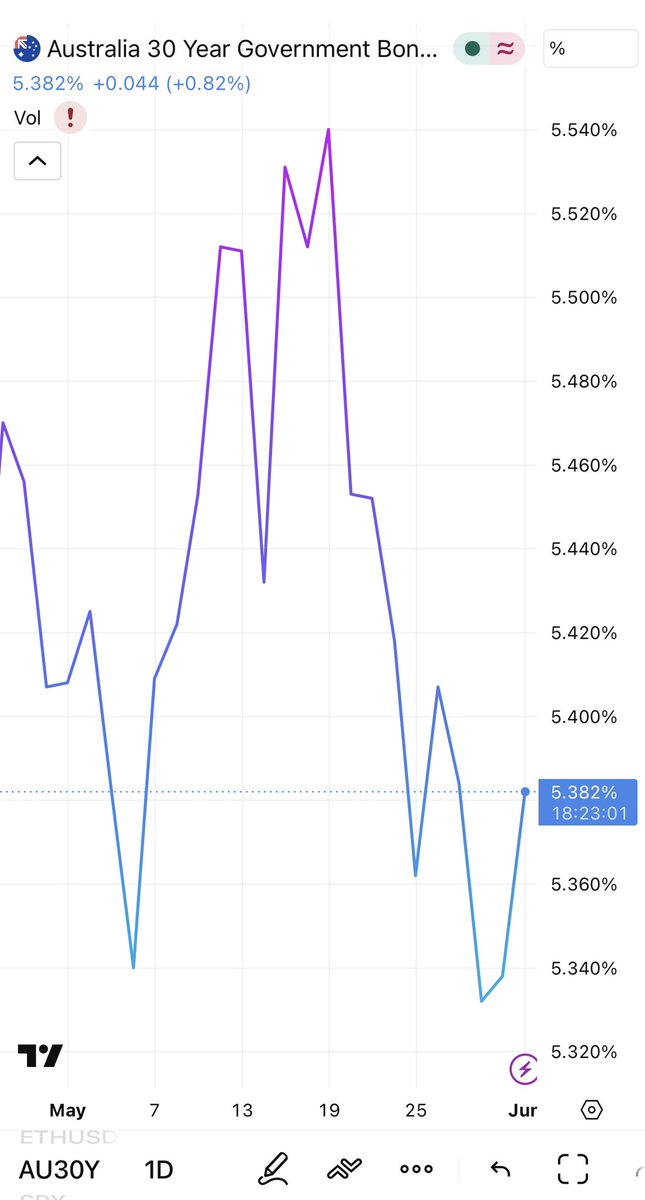
Australians are starting to realise that the old parties created the very problems they now pretend they can solve. A country carrying this level of debt, with a 4.8% 10-year bond yield and a 5.4% 30-year yield, is being sent a warning by global capital markets. Bond traders don’t care about slogans or spin, they care about fiscal discipline, productivity and whether a government can manage its books responsibly. Right now, the market is saying Australia is failing that test.
One Nation understands something the major parties refuse to admit: you cannot endlessly grow government spending faster than the productive economy and expect prosperity to continue. Debt has consequences. Deficits have consequences. Eventually the interest bill crowds out the very services Australians rely on. While Labor and Liberal continue borrowing from future generations to hold together a failing economic model, One Nation has consistently argued for fiscal restraint, affordable energy, productive industry, controlled migration and policies that strengthen real wages instead of inflating asset bubbles.
At some point Australians have to ask themselves a simple question: if the major parties were capable of fixing this, why are things getting worse after decades of their leadership? Maybe it’s time to stop voting for the same two parties and expecting a different result. Maybe it’s time to give a party focused on national productivity, fiscal sanity, and ordinary Australians a genuine opportunity to govern.