🌿🎋Bir hektar kenevir, bir hektar ormana göre %25 daha fazla oksijen üretir ve yaklaşık iki kat daha yüksek bir selüloz arzını garanti eder.
Bir dönüm kenevir 6 ay içinde büyürken, bir orman hasat edilmeden onlarca yıl önce büyür.
This is what SDG 13 looks like 🌍
Red Silk Beans don’t just grow food. They:
1. Fix nitrogen and Feed the soil for free
2. Climb corn and Save space + money
3. Resist drought and Secure harvests
Monoculture = risk.
Intercropping = resilience.
This is Climate Action. This is Food Security. This is Sustainable Development.
#RedSilkBeans #Intercropping #SDG13 #SDG2 #ActOnClimate
Fortunately or Unfortunately, the atmosphere does not recognize national borders.
It doesn’t recognize who contributed or who did not contribute to the global emissions.
Neither do heatwaves, droughts, floods, or rising seas.
Climate change is a shared challenge requiring a shared response.
#ClimateActionNow
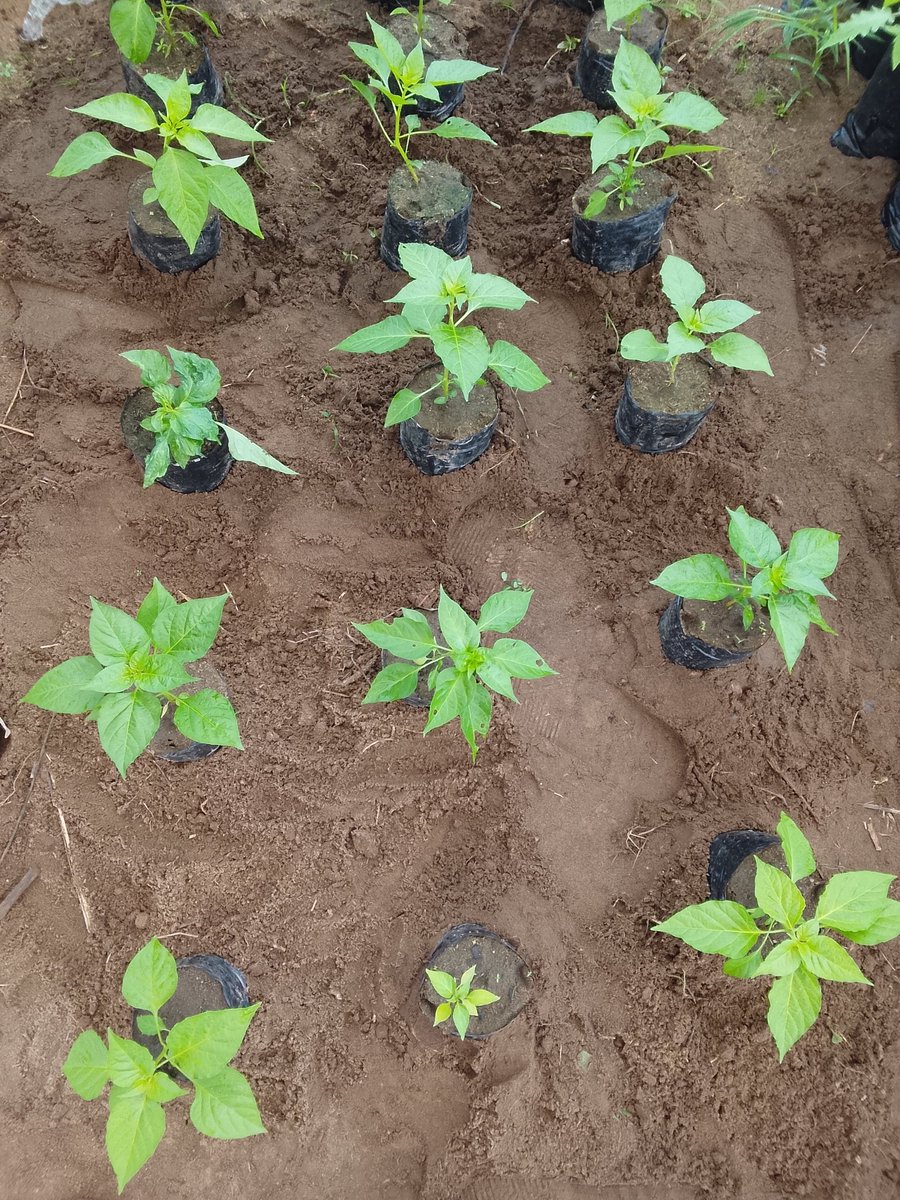
Light is the #1 resource your seedlings are competing for. If they're stretching tall and thin, they need more light immediately. Move them closer to light source
Costa Rica has successfully doubled its rainforest cover in just a few decades, becoming the first tropical country to completely reverse deforestation.
Costa Rica has successfully doubled its rainforest cover in just a few decades, becoming the first tropical country to completely reverse deforestation.
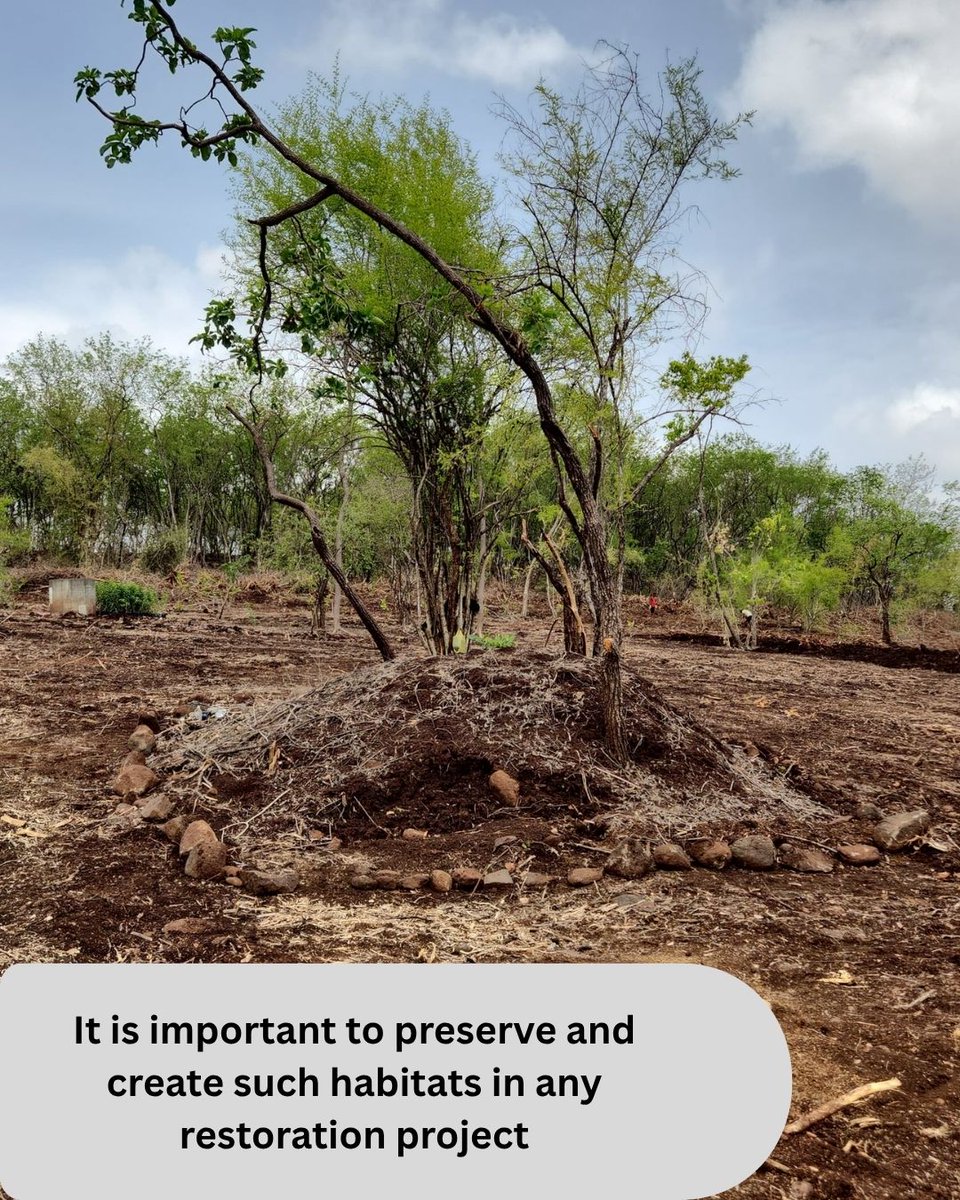
Ecological restoration on #vetaltekdi 💚
When restoring a degraded area, simply planting trees or sowing seeds is not enough.
A microhabitat is a highly localized, small-scale environment that differs from its surroundings. By providing specific conditions like unique temperatures, moisture levels, and shelter, these areas act as critical foundations for biodiversity, helping to support specialized organisms
Recreating microhabitats is what actually turns an empty landscape into a functional, resilient ecosystem
How to Grow and Care For African Violets - African violets are one of the few houseplants that can provide flowers in a range of different types all year long. Learn how to raise these classics now on Gardener's Path. #houseplants#africanviolet https://t.co/HA9JxzDaZQ
I find a real joy in watching fruit trees grow over the summer — though they always keep you guessing! Hardly any apples 🍏 this year, but the plums & damsons are absolutely heaving with fruit. Anyone else see a bumper plum harvest coming this year? 🍑 #nature#fruit#wildlife
There needs to be pushback (talking here of the UK, I dunno how bad it is elsewhere) against the turning of so many gardens into paved parking bays. Goodbye green space, hello more urban heat.
Seed Planting Depth Guide
Planting seeds at the correct depth improves germination, root development, and early seedling growth.
• Very small seeds such as basil, lettuce, and celery should be sown shallowly, about 0.5 cm deep.
• Medium-sized seeds including carrots, parsley, radishes, tomatoes, peppers, and eggplants generally perform well at around 1–2 cm depth.
• Larger seeds such as spinach, beets, and Swiss chard can be planted about 2–3 cm deep.
• Beans and peas are usually planted deeper, around 3–5 cm, to provide stable moisture during germination.
• Large seeds and tubers such as squash, pumpkins, zucchini, and potatoes require greater planting depth, often 5–8 cm depending on soil conditions.
• In heavy clay soils, sow slightly shallower. In light sandy soils, seeds can be planted slightly deeper.
A simple rule is to plant seeds at a depth of about two to three times their diameter. This helps provide the moisture, warmth, and protection needed for successful germination.
Every drop counts when building the future of farming. 💧☀️
By combining solar-powered storage with precision drip irrigation, we’re delivering water directly to the roots—minimizing waste, reducing runoff, and maximizing crop growth.
Smart irrigation isn’t just an option; it’s the foundation of sustainable agriculture. Watch how we make it happen on the field! 🚜🌱
#AgriTech #WaterConservation #SmartFarming #Sustainability #Ecofarms