https://t.co/C2wLRnCv0m
I am excited to announce our work on how myelin loss culminates in neurodegeneration has been published at Nature Communications. While I have previously covered our findings as a preprint in more detail below, our key findings are:
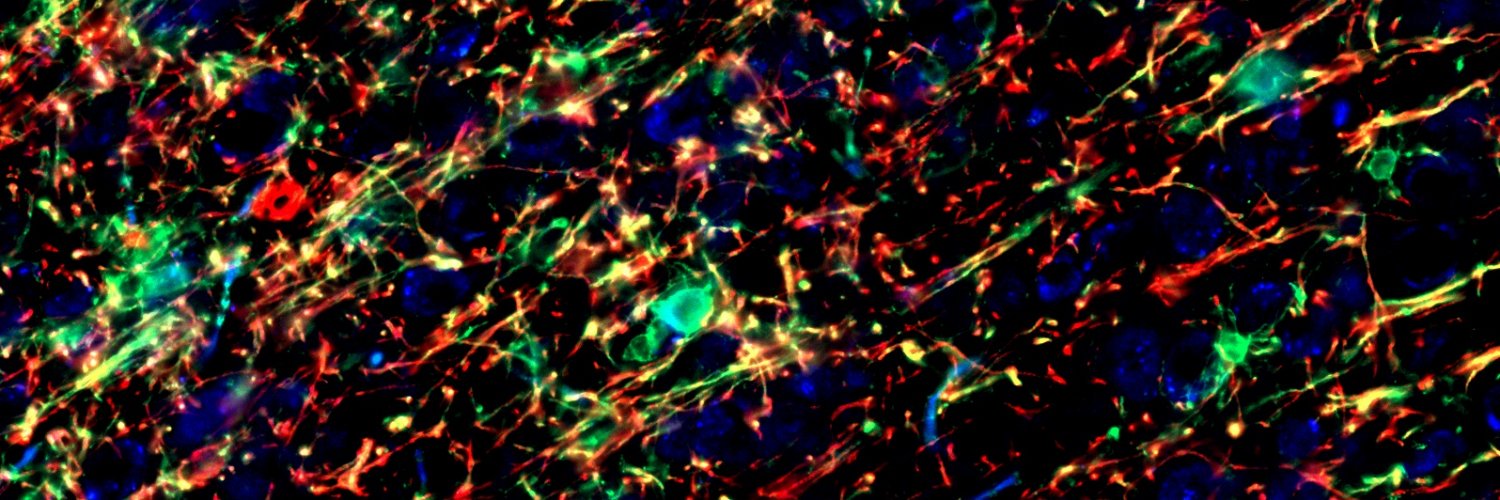
New work from Yasmine Kamen shows that differentiating oligodendrocytes are filled with the zymogen procaspase-3. This provides a specific marker for new oligodendrocytes and suggests a role for this pathway in oligodendrocyte fate decisions.
https://t.co/qGx23d7Dxp
Our work was recently covered by the National MS Society if you are looking for a more lay summary of the results and its implications.
https://t.co/vMDfj3tX25
https://t.co/C2wLRnCv0m
I am excited to announce our work on how myelin loss culminates in neurodegeneration has been published at Nature Communications. While I have previously covered our findings as a preprint in more detail below, our key findings are:
3. Remyelination suppresses activation of DLK in neurons and safeguards them from degeneration.
In conclusion, demyelinated neurons can be protected either by promoting remyelination or blocking neuronal DLK signaling.
Thanks to all the coauthors who made this work possible!
1. Loss of demyelinated neurons in the retina requires activation of neuronal injury signaling mediated by the axonally-expressed protein Dual Leucine zipper Kinase (DLK).
2. DLK knockout or inhibitors protect neurons from degeneration.
This has been the culmination of many years of work from myself and the coauthors of this manuscript, without which this work would have been impossible. Thank you all so much for your help!
Very excited to share our preprint on how chronic myelin loss (demyelination) injures neurons and how we may be able to mitigate neurodegeneration in demyelinating diseases like MS
https://t.co/Oj6xb3KaJf
Check out the thread 👇 for more details.
What does all this mean? We can protect demyelinated neurons from loss in two ways – by promoting remyelination or by inhibiting DLK. Notably, even a relatively small degree of remyelination reduces apoptosis.