“Les decía a los chicos: ‘los que tenemos en frente, están formados en academias de primer nivel. Nosotros venimos de la tierra colorada. La camiseta que tenemos, son las franjas de la tierra colorada. Jugando descalzo en la tierra. Con los sacrificios de los padres llevando a los hijos a entrenar. Con el esfuerzo de los padres que no les alcanza para llegar a fin de mes, para que los chicos puedan cumplir sus sueños’.
Es una demostración absoluta de amor propio y convencimiento. Esa mezcla de sangre y utopía que nos dio la posibilidad de hacer realidad lo que parecía imposible. Sin lugar a dudas, fue la victoria más grande de mi carrera como entrenador. Les dije a los jugadores: ‘gracias por regalarme una tarde inolvidable’”.
Firma: Gustavo Alfaro, en conferencia.
I worry that Wembanyama will get caught up in the distractions of New York City, like the Rose Reading Room at the public library or the upcoming conference on participatory futures at The New School
Mira como estamos todos prendidos a un Bosnia-Italia, en unos minutos Congo-Jamaica y a la noche Irak-Bolivia.
El Mundial de Futbol es lo mas grande que hay en el planeta tierra.
A beautiful image and one of the great Australian coaching achievements.
Graham Arnold one of the few coaches to lead multiple teams to a World Cup. And both times against the odds.
There’s a growing obsession with pouring hundreds of millions into state-of-the-art sports facilities, as if elite players are manufactured by architecture and price tags. Football investors, in particular, love to unveil these massive projects with the same promise: this investment will pay for itself by producing top-tier talent. It sounds compelling, but it fundamentally misunderstands how player development actually works.
Elite players aren’t the product of pristine buildings or exclusive complexes. They emerge from repetition, freedom, and access, thousands of unstructured hours with the ball, often in small, tight spaces, long before they ever set foot in a high-performance center. By the time a player reaches one of these facilities, most of the real development has already happened.
If investors truly understood this, their strategy would look very different. Instead of concentrating resources into a single, expensive hub, they would decentralize access. They’d build dozens, hundreds, of small, free, local pitches embedded in communities. Places where kids can show up anytime, play without barriers, and fall in love with the game on their own terms.
Because the real lever isn’t luxury, it’s volume, accessibility, and environment. The next generation of elite players won’t come from marble-floored academies. They’ll come from the streets, the cages, and the small-sided pitches where the game is played constantly, creatively, and without permission.
The amount of people that were voicing issues about Qatar hosting the World Cup but are absolutely silent now the US is hosting it, is ridiculous. It speaks volumes.
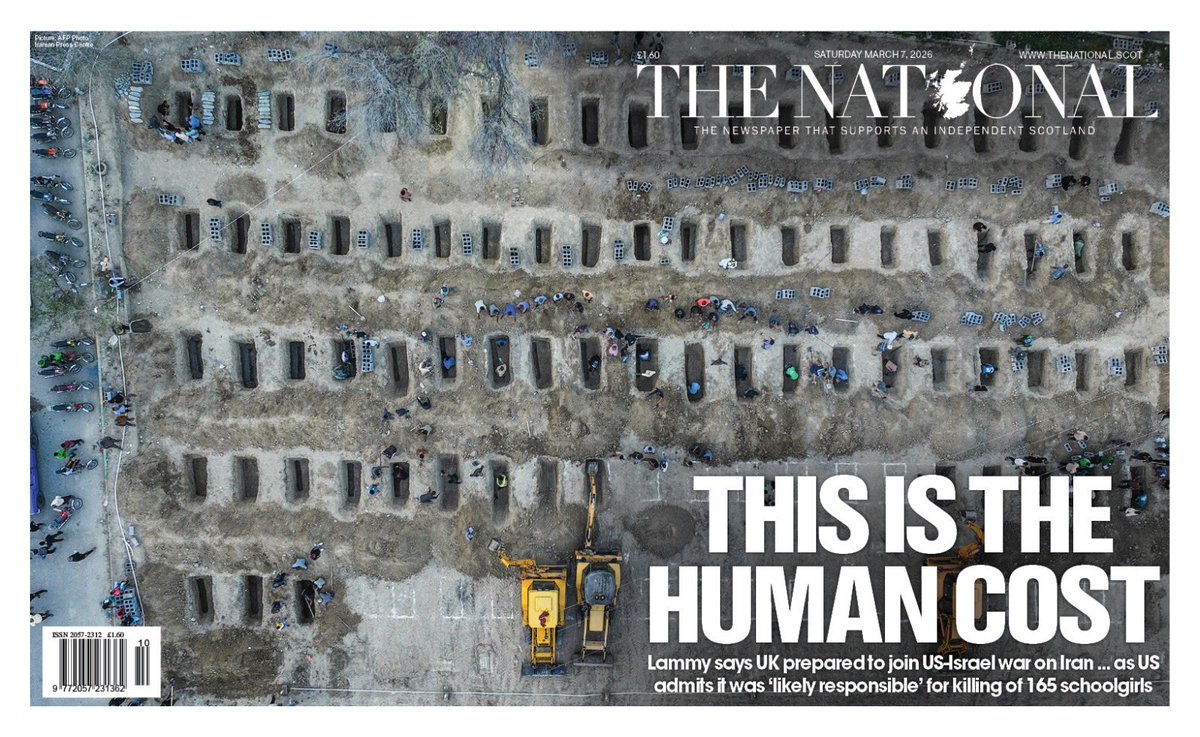
Every UK newspaper should be running this on tomorrow’s front page.
But only the @ScotNational is.
Because it’s the only respectable newspaper left and still believes in honest, fearless journalism.
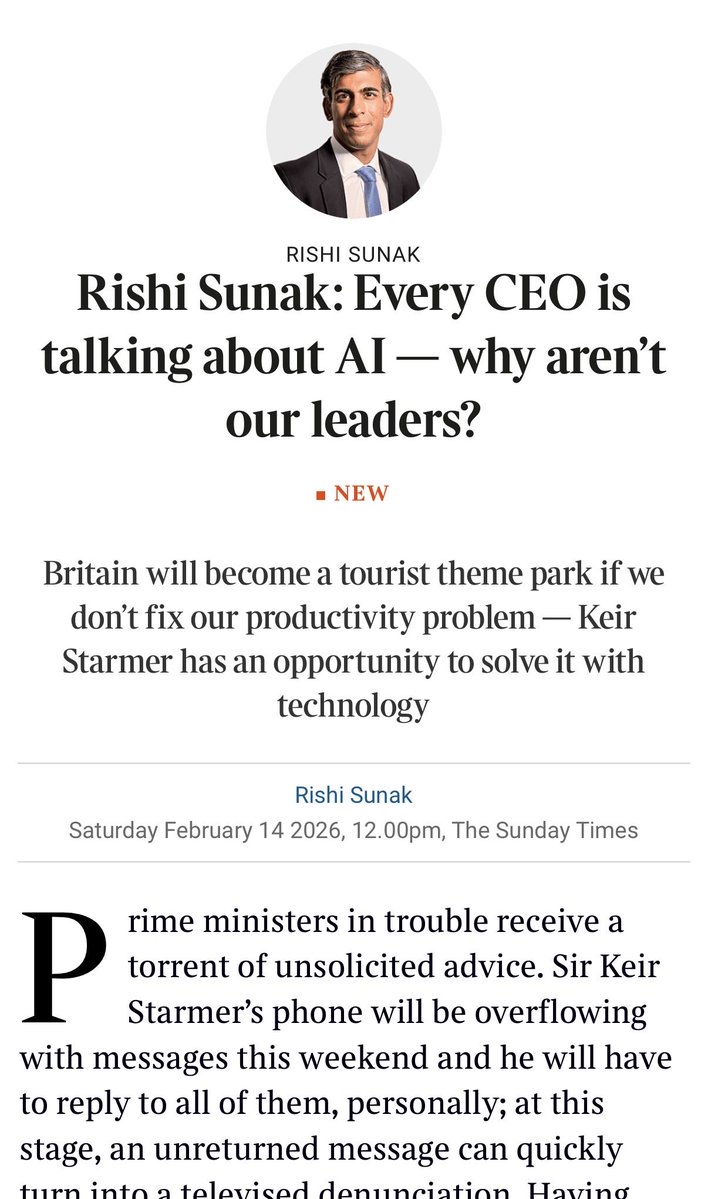
I think that if you’re going to write a piece in the Times urging the government to use and boost more AI, the fact that you are paid by a major AI company should be in the first sentence, or at least first paragraph.
I also think that the best scenario for AI is that it destroys millions of jobs with the prosperity, dignity and community that goes with them.
The worst scenario is the destruction of the human race - a fear openly expressed by an increasing number of senior and experienced AI engineers who are leaving the industry.
And somewhere in between a myriad of horrors such as yet more screen learning and screen addiction for our children.
But I do see that it will make rich men even richer. And that’s the most important thing of course.