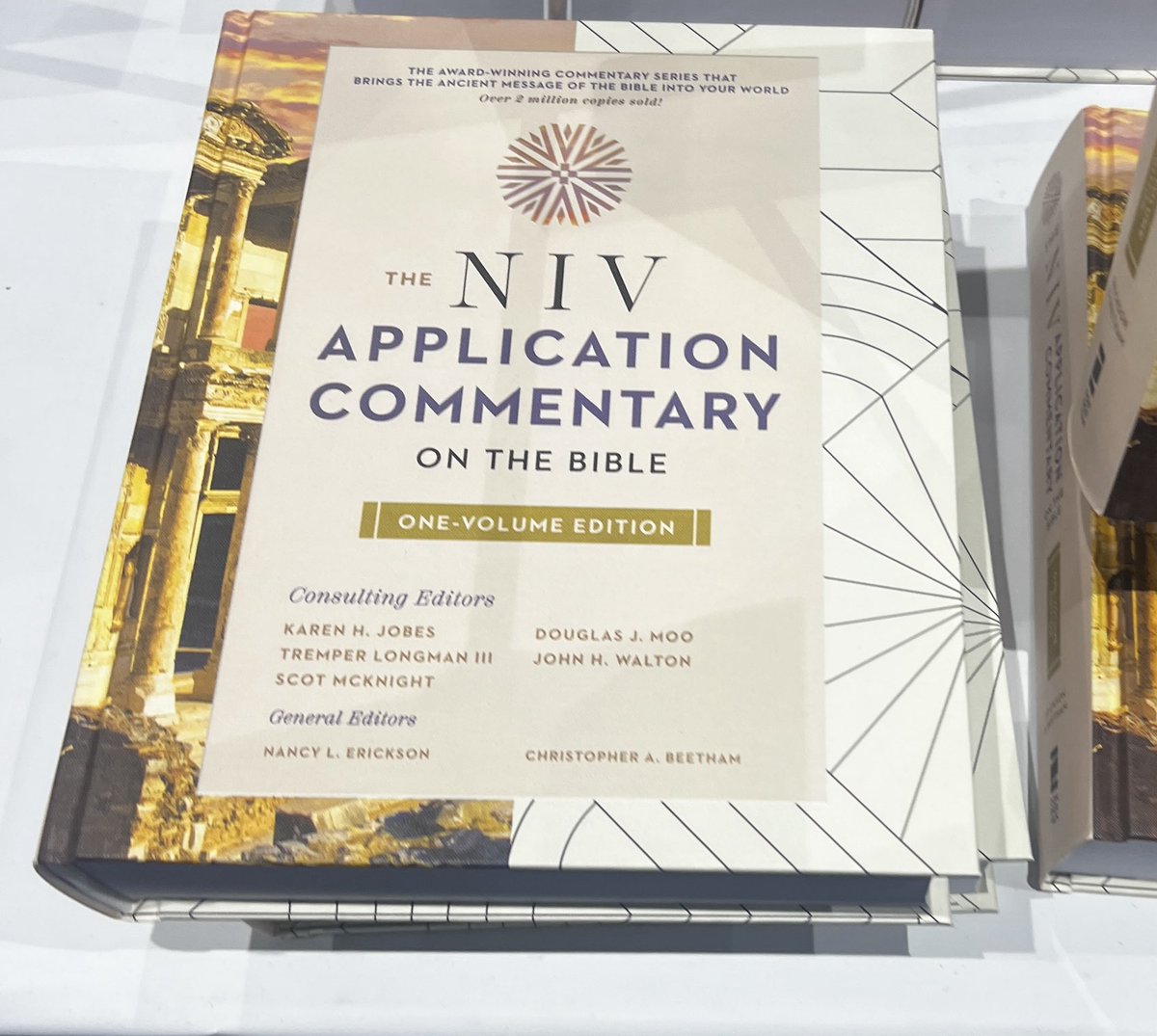
I can recommend this book as a great gift for someone graduating, end of year, Christmas. Something solid and theological to say about every part of the Bible! #sbl2024#ibr2024
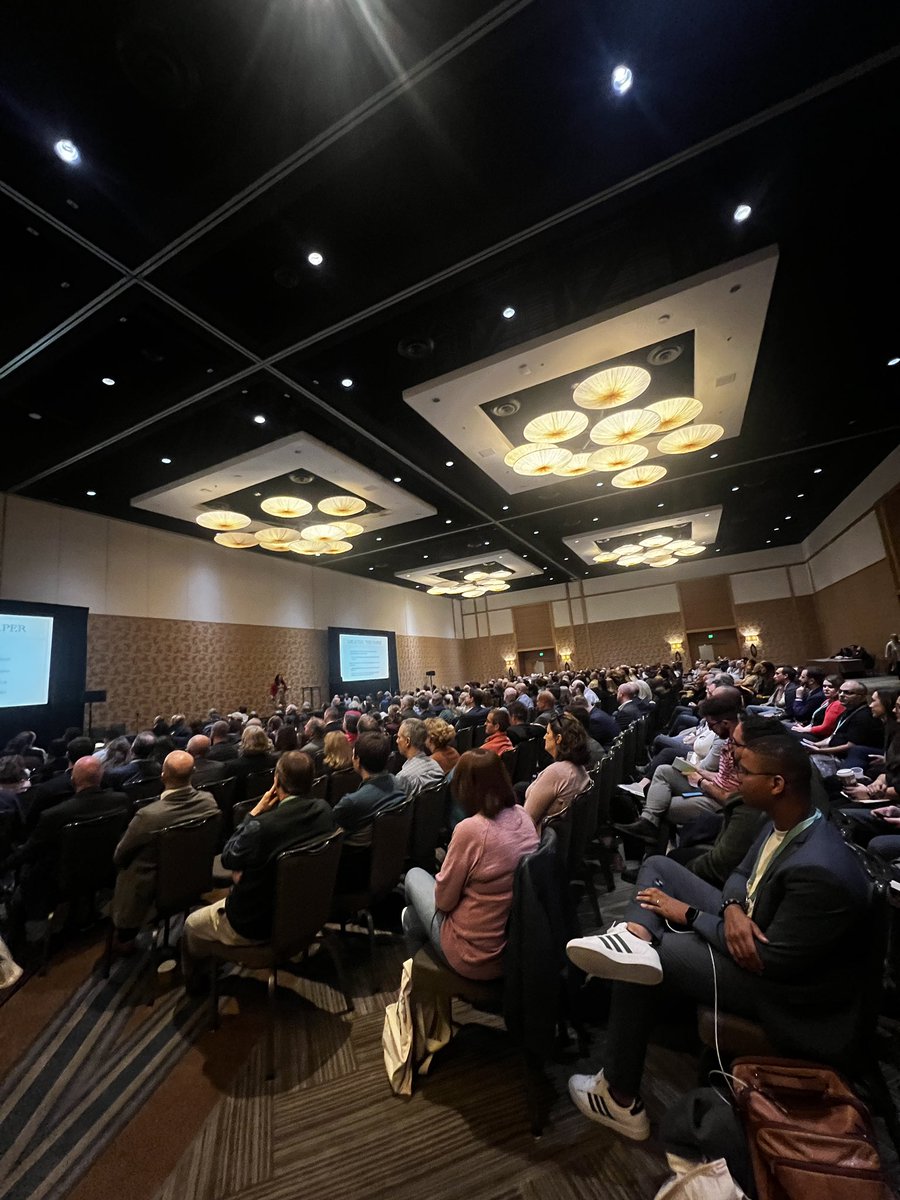
A great day at SBL/AAR today presenting a paper on the fruit of the Spirit and the Lords prayer, with two Roman Catholic, one Pentecostal, three Protestant and one Anglican scholar. Great to see broad and growing interest in the theological interpretation of scripture!!
“Scotland brought me forth; England sustained me; France taught me; Cologne holds me.” From John Dun Scotus who died there today in 1308. Famous for a more metaphysical proof for the existence of God, building on physical arguments from Thomas Aquinas and Aristotle.
“Apply thyself wholly to the text, and apply the text wholly to thyself.” Today in 1752 the author of Gnomon Novi Testamenti dies. By Johann Bengel, the Bible scholar and pastor, it remains a classic setting and commentary on the entire New Testament. It took him 20 years.
Today in 1512, after 4 years of painting, some of the most iconic depictions of humanity and God are opened to the public on the ceiling of the Sistine Chapel. At the centre is an image of Adam from book of Genesis pointing to the universal truth that God is the author of life.
…empathized direct access to God through the crucified and risen Christ. This rapidly spread around the world and is embraced for human flourishing all over.
Today in 1517 a miner’s son turned philosophy professor and monk posted an invite to professors in other cities to an academic debate on what turned out to be the very nature of God’s grace. It led to a new and heartfelt understanding of faith itself, that radically empathized…
Christmas means that the eternal has become earthly, the distant near, the inaccessible approachable, the invisible visible, God’s goodness concrete and God’s kindness close by (John 1:1-14).
The scandal of Christmas is that heaven came down to Bethlehem not Jerusalem, to a manger not magnificence, to shepherds not scholars, to fragility not fanfare, to poverty not pomp (Luke 1-2).