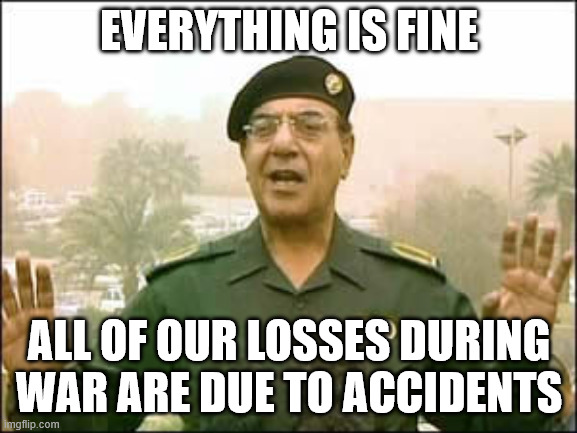
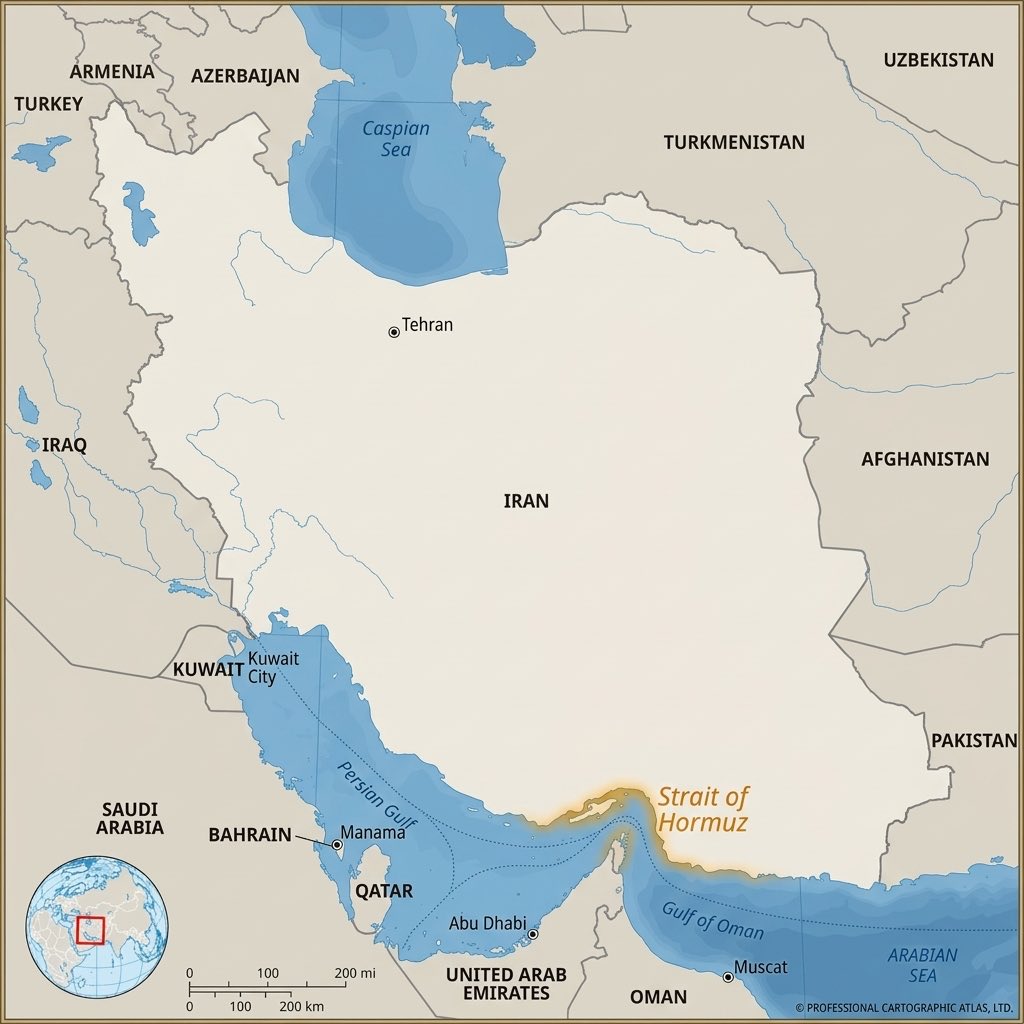
Citrini Research sent an analyst to Oman with $15,000 in cash, recording sunglasses, a smuggled camera, and Cuban cigars for networking. The analyst signed a pledge to Omani authorities not to gather intelligence, then got on a boat and sailed to within 18 miles of the Iranian coast. What he saw contradicts every headline about the Strait of Hormuz being closed.
Approximately 50 percent of tanker traffic in the strait is missing from public AIS tracking systems. The vessels are not missing because they sank. They are missing because they turned off their transponders, spoofed their GPS coordinates to broadcast false positions, duplicated the identity codes of decommissioned ships, switched to low-power transmission mode, or swapped identities with nearby vessels. The result is an electronic fog through which physical ships move crude to Asian ports while the tracking systems that Bloomberg terminals rely on show an empty waterway. More than $3 billion in crude has been transported through the strait since the war began, primarily to China, much of it under Iranian terms, paid in yuan or cryptocurrency.
The strait is not closed. It is filtered. Iran decides who passes and who does not. Ships that pay the IRGC toll and accept escort through the Larak corridor transit under the electronic fog. Ships that refuse are turned away or attacked. The “closure” that drove Brent to $115 and Aramco’s OSP to a record $19.50 premium is a selective blockade operating behind spoofed transponder data that makes it look total when it is not.
Brent dropped from approximately $115 to the $108 range as the report circulated. The market had priced in a complete shutdown. The reality is a controlled chokepoint generating toll revenue while maintaining the appearance of total disruption to maximise the scarcity premium on every barrel that gets through. Iran is running two operations simultaneously: a blockade for the cameras and a toll booth behind the blockade for the revenue. The opacity is the product. The fear is the markup.
The techniques are not sophisticated. Going dark requires flipping a switch. GPS spoofing requires a $500 device injecting false coordinates into the transponder’s GPS input. Identity theft requires typing a different MMSI number into the AIS configuration screen. Low-power mode requires switching from 12.5 watts to 1 watt. These are not state-level cyber operations. They are the maritime equivalent of turning off your phone’s location services. The ghost fleet runs on technology any ship’s officer can deploy in minutes.
The 50 percent blind spot means every estimate of Hormuz disruption based on public AIS data, every IEA shortfall calculation, every Goldman Sachs supply model, and every insurance premium derived from vessel tracking is working with half the picture. The other half is sailing in the dark, loaded with crude, headed for Chinese refineries, paying the IRGC in the currency of the country that ships sodium perchlorate to fill the missiles that the same IRGC fires at Israeli cities.
The strait the world thinks is closed is open for business. The price of admission is invisibility. And the entity collecting the toll in yuan while demanding war compensation in the ten-point response is profiting from the blockade it claims is absolute, selling passage through the chokepoint it says will “never return to its former state,” and funding the war with the revenue from the peace it refuses to sign.
https://t.co/dAOBBMsgDS
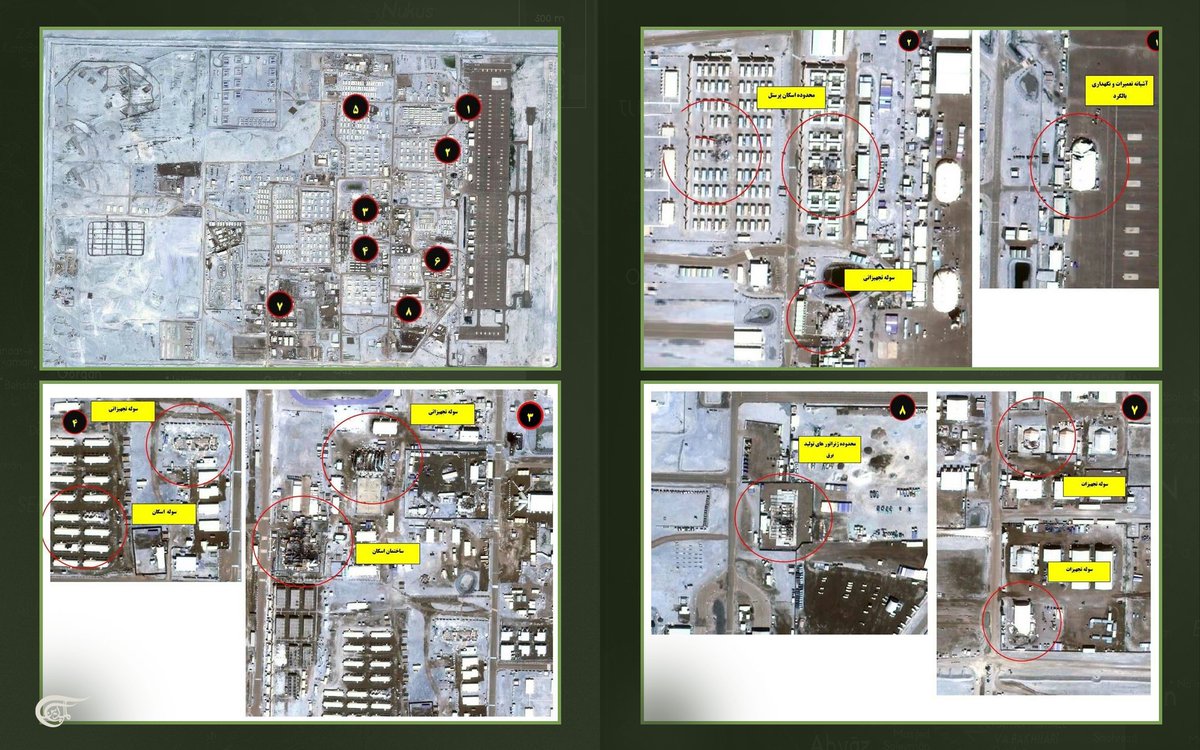
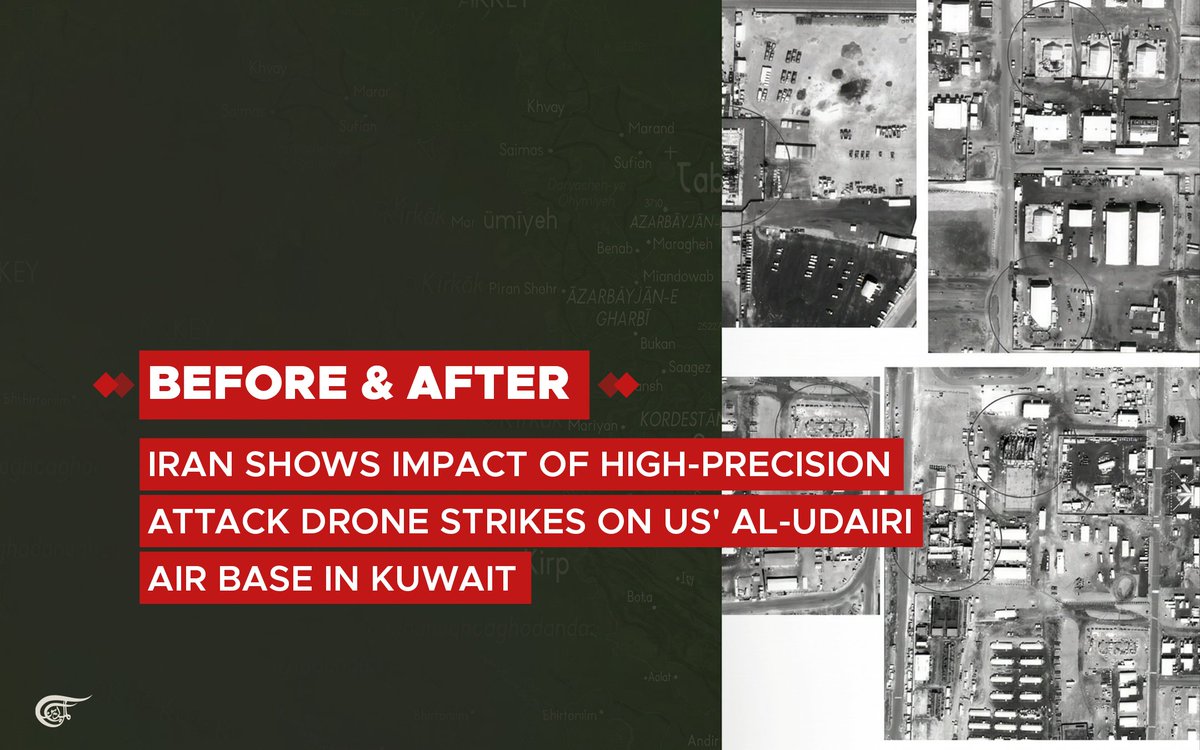
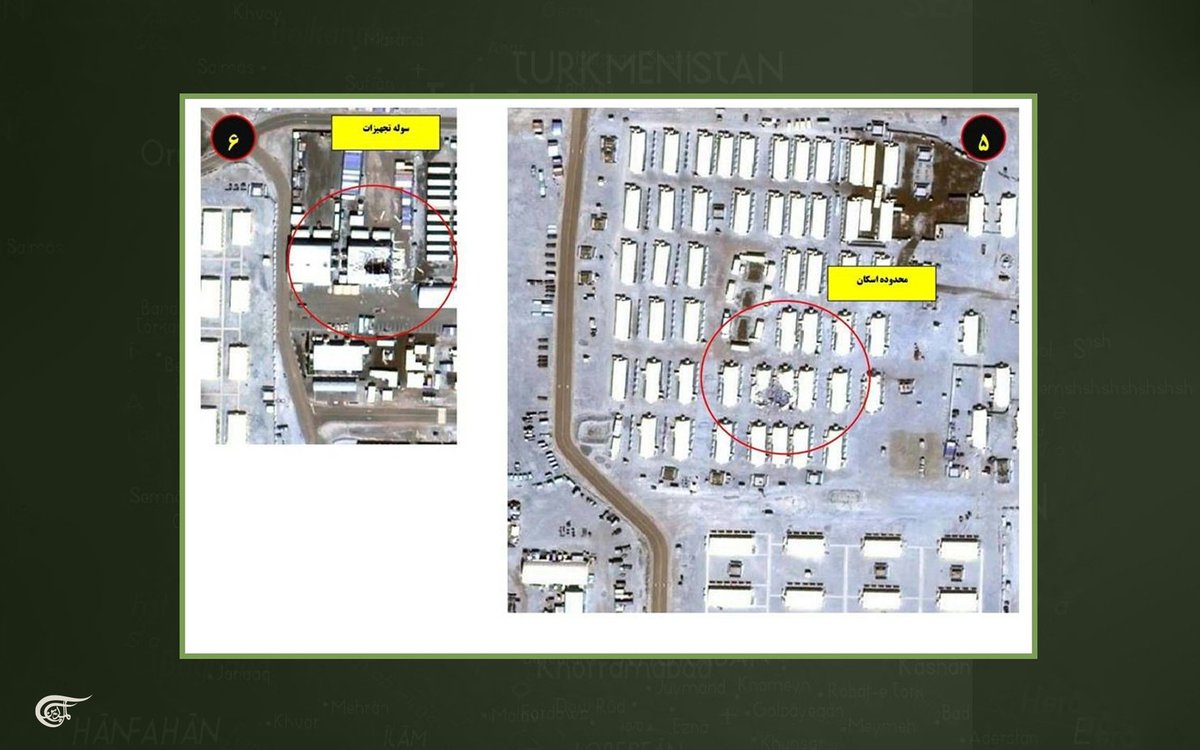
The Iranian Army has released satellite images showcasing the aftermath of its high-precision attack drones on the American Al-Udairi Air Base in #Kuwait.
According to the Army’s Public Relations, the attack targeted eight key locations, including personnel living quarters, residential buildings, equipment warehouses, and helicopter maintenance facilities.
The images, published just hours after the operation, are presented as evidence of the Army’s successful aerial attack, highlighting Tehran’s capability to target critical #US military infrastructure in the region.
#USBases #WestAsia
The US and Israel are carrying out intense bombing raids on Iran’s South Pars petrochemical complex, which accounts for 85% of the country’s production in this sector.
The damage is massive, yet the complex covers 54,000 hectares and would require many days of sustained heavy bombing to achieve its total destruction.
Even so, the losses are certainly in the range of tens of billions of dollars in destroyed infrastructure and lost profits.
CAPTURED PILOT EQUIPMENT ANALYSIS
The captured pilot (Dehdasht, Kohgiluyeh province) is wearing a USAF CWU-27/P Nomex flight suit — olive/sage green, integrated collar visible, correct shade and material. Not field clothing. Not civilian. A flight suit. Dirty and scuffed from time on the ground after ejection.
Over the flight suit: an integrated survival vest and ejection harness system. Not a “generic tactical vest.” A tactical vest is a standalone piece of equipment with MOLLE webbing and plate carrier pockets designed for ground combat. A pilot survival vest is integrated with the ejection seat harness system with built-in attachment points that connect to the ejection seat so the pilot and vest stay together during ejection. It has specific equipment pouches arranged in a standardized configuration for survival gear — signal mirror, flares, first aid, survival radio, water, compass. The harness straps route over the shoulders and around the torso in a specific pattern designed to distribute ejection forces across the body.
What the captured pilot is wearing has: harness straps over both shoulders routing down the torso in the ejection harness pattern. Equipment pouches in the standard survival vest arrangement across the chest and sides. A chest-mounted rectangular equipment block that appears to be a survival radio or emergency beacon mount — this sits in the exact position where the AN/PRC-149 or AN/PRC-112 survival radio is mounted on USAF survival vests. The tan/khaki colored outer layer of the vest is consistent with desert-environment survival vest coloring used in Middle East theater operations.
The fact that this equipment is still attached suggests he was captured before he could use it effectively or before CSAR could reach his position — which tracks with the reports of Black Hawks being unable to penetrate the IRGC cordon around Kohgiluyeh province.
No helmet. Expected and normal. During ejection the helmet can be retained or lost depending on the violence of the ejection sequence. After landing under parachute pilots routinely remove helmets to reduce visibility and improve mobility during evasion. The absence of a helmet does not indicate he is not a pilot — it indicates he already ejected and was on the ground.
No name tapes or unit patches visible. Consistent with combat mission protocol — pilots operating in hostile airspace frequently remove or cover identifying patches before missions to deny information to the enemy in case of capture. Standard SERE procedure.
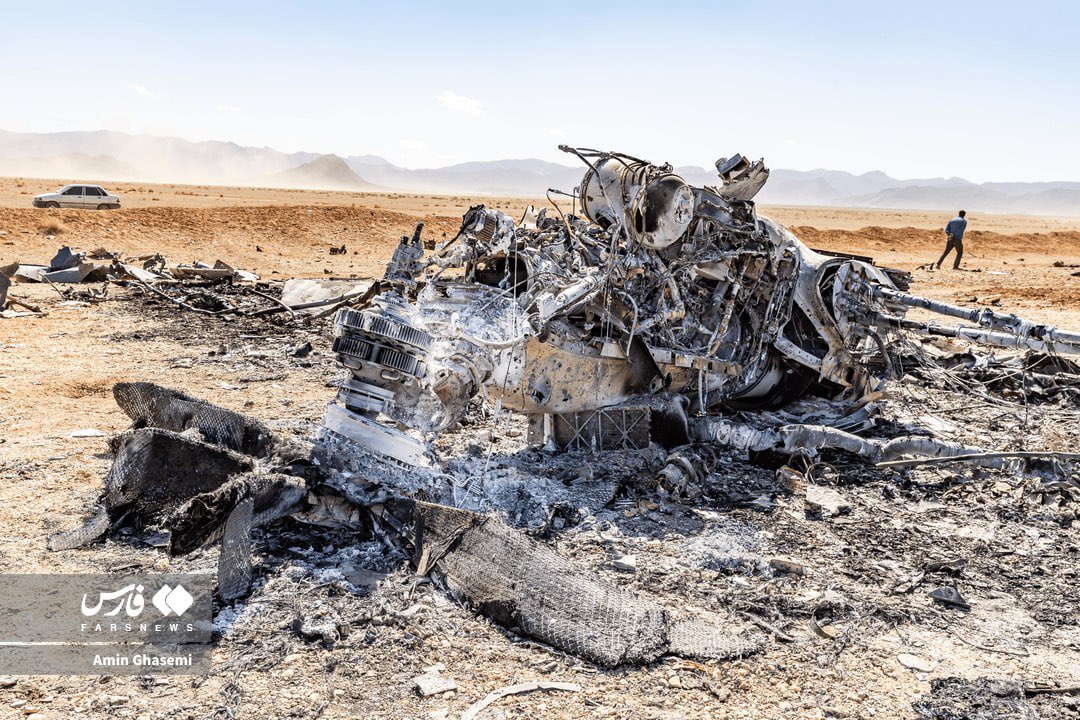
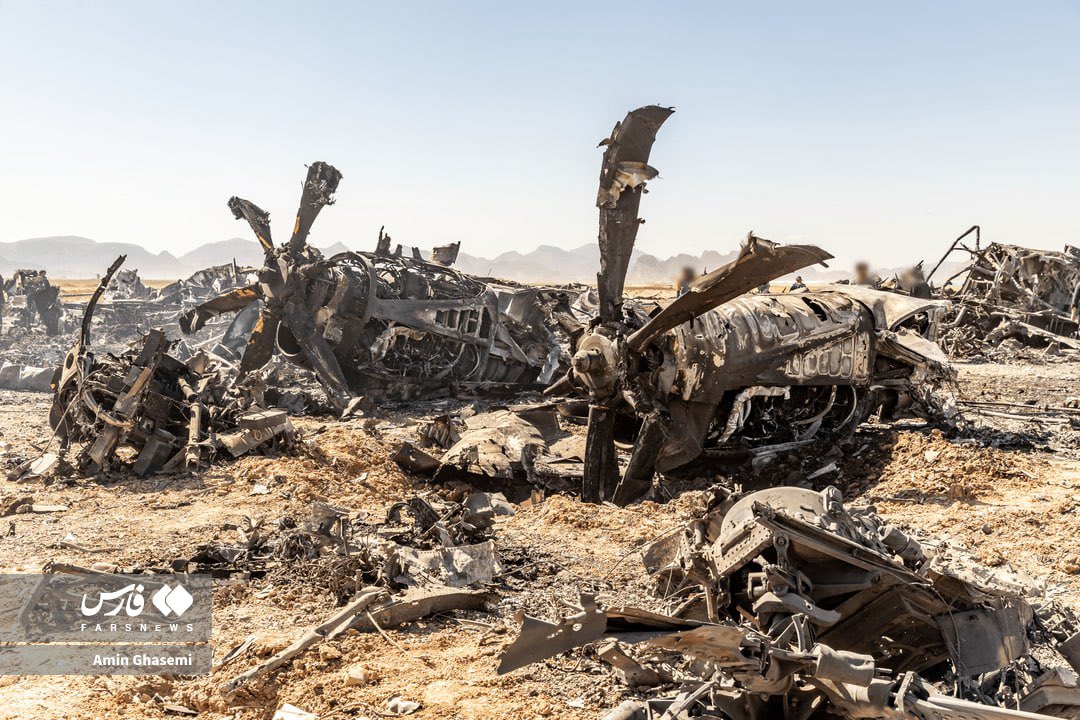
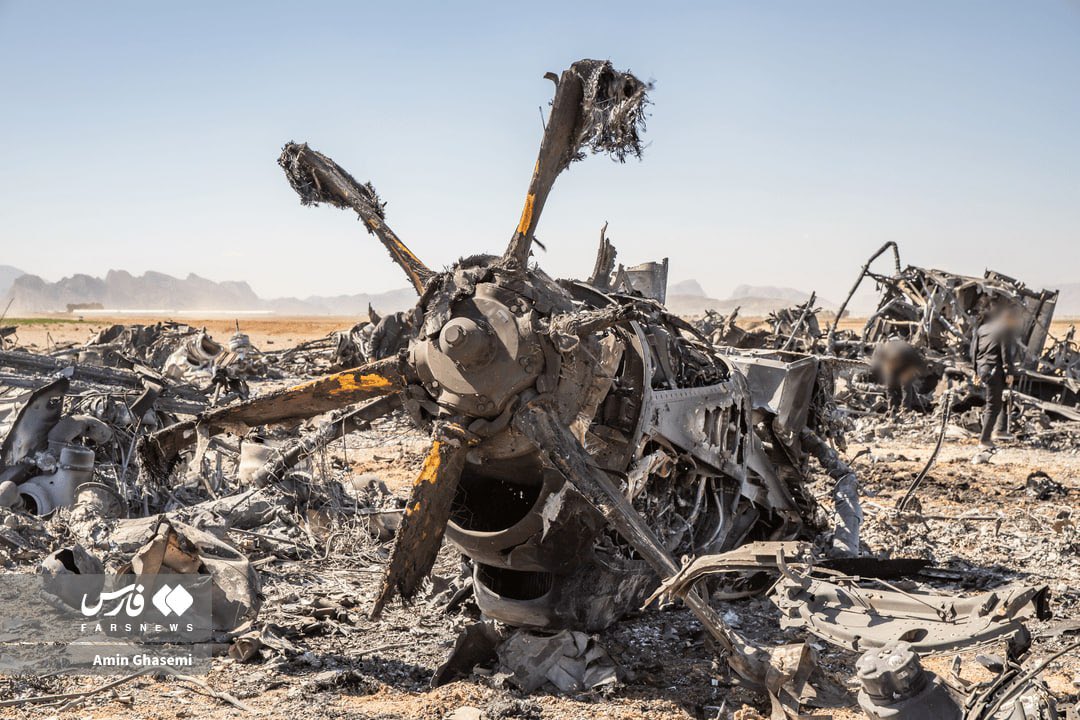
US PILOT ‘RESCUE’ OP COST:
— 2 MC-130 aircraft ($100 MILLION+ EACH) ‘intentionally DESTROYED’
— 4 MH-6 Little Bird helicopters
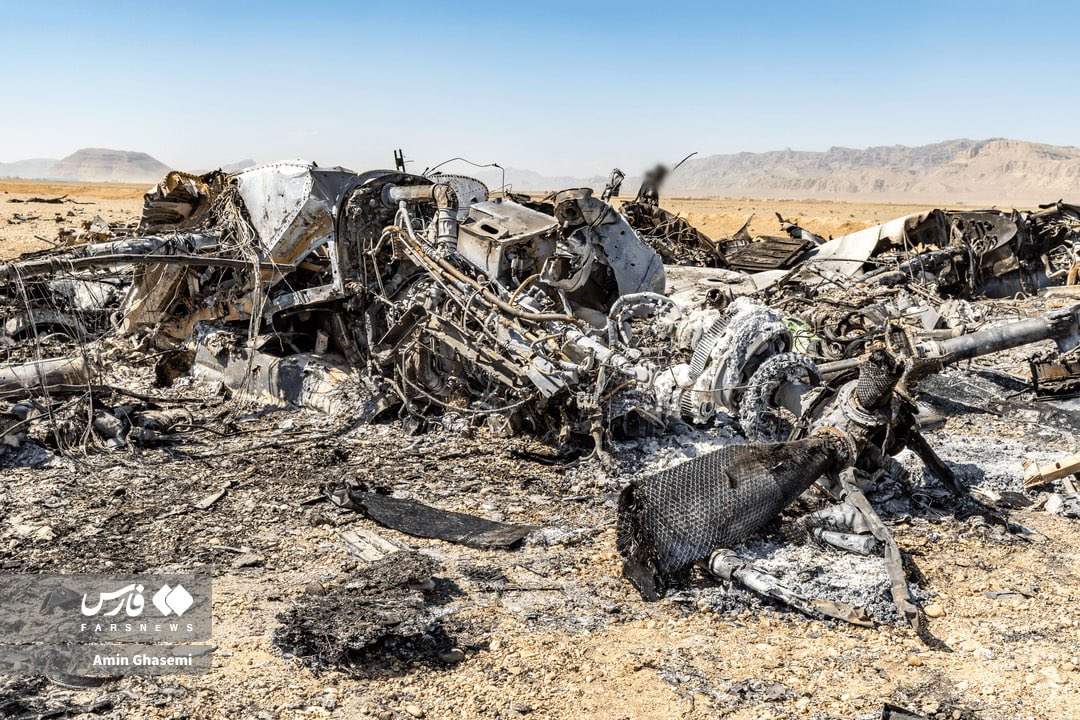
Iran drops NEW WRECKAGE IMAGES
Iran's IRGC praised these nomads from the southern provinces for independently shooting down two Black Hawk helicopters that had entered Iran to rescue pilots of a downed F-15.
ENGLISH SUBTITLES