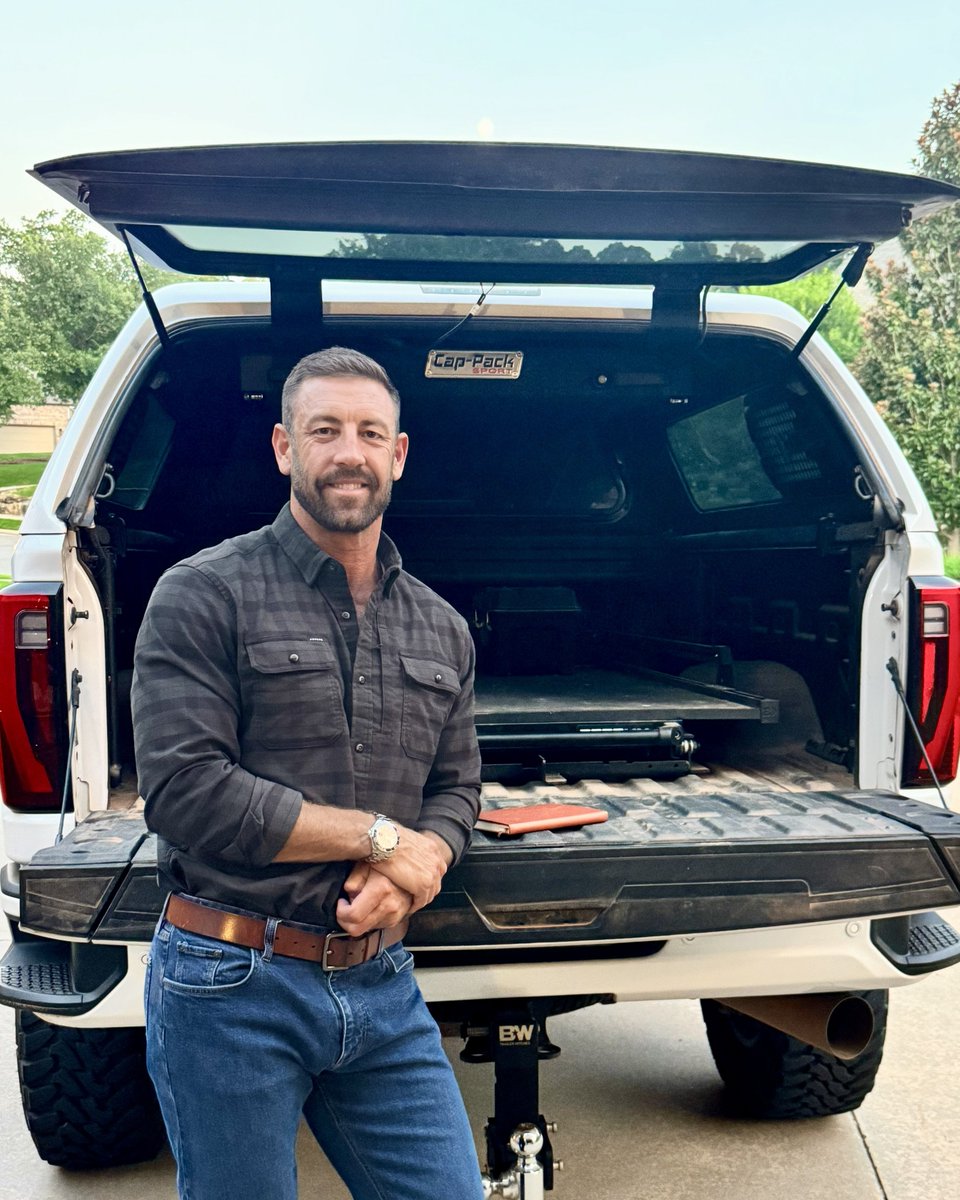
Quick intro, since most of you are new here.
• Grew up near Pensacola, FL
• Pitched at Oklahoma State, played some minor league ball
• 10 years at a Fortune 200 company, then stints at a PE-owned company and a family office
• MBA from Rice University along the way
• Married since 2009, two beautiful daughters, 8 and 11
• Houston from 2009 to 2023, minus two years in OKC, then back to OKC for good in 2023
• Christian
• Bought a couple of existing oil change businesses in Florida with a partner in 2022 and 2023, still own and run them today
• Bought a fitness franchise once too, lost money, learned plenty
• Looking to buy a few more businesses in OKC and Florida right now, while still working the day job
• Hobbies: lifting weights, hunting, and working on my property
• Got a hell of a duck dog named Pancho, and a Goldendoodle pup named Simba
I'll be documenting the search and the acquisitions as they happen, plus the first year of running each business. No highlight reel. The real thing.
If you've ever wanted to own a business but weren't sure you could ever leave the day job, stick around. That's who I'm writing for.
Nobody warns you the hardest part of the oil change business has nothing to do with oil. It’s the people. Finding them, hiring them, keeping them. And figuring out that a great worker and a great teammate aren’t always the same guy.
The cars are the easy part. A car shows up every morning. A car doesn’t have a buddy’s wedding three counties away, or a truck that won’t start, or a new job it forgot to mention until 10:05. A car’s never once called in sick on a Saturday in July.
I can teach a guy to run the equipment in a week. The people part I’m still figuring out.
Another one from the shop.
@TheNolanGore I bet good. Nothing wrong with bringing a little real life go it. They were probably thinking “this guy is in the zone, doesn’t care about social norms, has no idea he has 2 hats on, LFG”.
"Franchises are a scam. The franchisee always gets taken advantage of."
You hear it constantly, and sometimes it's true. I've been the franchisee it didn't work for. I've also been the franchisee it worked very well for.
Same buyer. Two opposite outcomes. The difference wasn't luck.
The difference was the diligence on the front end, and whether I listened to my gut on one question: does our culture match the franchisor's? Is this someone I'd want to be partners with for the next 15 years? Do they care about their franchisees? Do I trust them?
When I went the franchise route on the oil change shops, I interviewed 9 franchisors. Read the FDDs. Met several in person. Dug into how each business performs in different economic cycles.
The oil change franchise started near the bottom of my list. Seventh or eith out of nine, somewhere in there. It kept elevating itself the deeper the diligence went. By the end, I didn't buy one flag. I bought five. Two locations are open. We're looking at the next three.
Now, the number everybody hates: most franchisors end up taking 10 to 11% of revenue between royalties and marketing. That is not a small number. Paying it blindly is how people end up in the scam camp.
So audit the value. Here's what ours looks like:
A trainer from the franchisor spent four days at shop 1 and took the average ticket from about $70 to about $95. It didn't hold right away. But it proved to our whole team the number was real. The previous owner ran that shop for a decade and never got close. Not because he was bad. Because he'd never seen it done.
Without that partnership, I believe we'd have tapped out around $70-75 a ticket. Instead we sit around $100, and revenue grew 60%. The math on what we pay versus what we would have missed isn't close.
The marketing fee? Mostly money you'd spend anyway as an independent, with less leverage.
So here's the actual take: the franchise fee isn't the cost of a logo. It's tuition. Whether it's a scam depends almost entirely on how well you pick your teacher.
Interview the franchisor like a partner, because that's what they are. Trust your gut on culture.
I skipped my gut once. That's the one that cost six figures.
Too small an account to have real haters yet, so I'm taking notes for later. But the shops taught me the sorting rule with reviews. One angry review is weather. Three complaining about the same thing is free consulting, delivered rudely. I'd guess a viral reply section works the same.
Quick lube shops, two locations in Florida with my business partner. Bought the first from a mom and pop in 2022, real estate included, the second in 2023. Car washes included with them. About as boring as it gets.
Interesting on the 60/40, I'd have guessed buying was rarer than that. The buying path gets a fraction of the marketing the startup dream gets, which is probably why the 60% think leap is the only door.
@tyromper@creation247 Same as you on the dying-for list. It's the living-for part that gets me daily. I have to work at it and usually fail miserably. Praying more, present more, patient more.
Clarity gets filed as a communication skill, but it's really a thinking skill plus a little courage. Most vague leaders I worked with weren't confused, they were hedging so nothing could be pinned on them later. Curious which you see more, unclear thinking or fear of being on the record.
We bought a shop where prices hadn't really moved in a decade. Market rate wasn't the problem, fear was. Took the average ticket from about $55 to right at $100, lost 20% of the cars on purpose, and made more money with less strain on the crew. Busy but broke is real. Volume flatters you until you actually do the math.
We built lean from the start, two locations running on ten people total, and honestly the discipline came from a decade inside big-company bloat watching what extra layers actually cost. The calm you're describing is real. A lean team doesn't just protect margin, it removes a whole category of problems you'd otherwise manage all day.
The week-away test is the honest one. Anything earns while you sleep, that's just an 8 hour window. The real measure is whether you can go dark for a week and come back to no fires. That's what tells you if it runs on systems or on you. Most 'passive' businesses quietly fail that test and the owner just won't admit it.
Comfort itself isn't the trap, complacency is. Being comfortable is actually a great base to build from, no desperation, room to think, ability to take a smart swing. The people who get stuck aren't stuck because they're comfortable. They're stuck because they got comfortable and stopped building anything on top of it.
@danmartell The negotiating happens because you're re-deciding the thing every single day. A system makes the decision once, up front, when you're clear-headed, so there's nothing left to argue about at 6am. Removes the need to rely on willpower each time.
@natberman79 The difference underneath this is what you're betting on. Chase tomorrow's trend and you're betting you can predict the future. Solve yesterday's boring problem and you're just betting you can execute on something that already reliably exists. Show up, be competent, execute.