نسألك اللهم يارحمن يارحيم أن تتقبل شهداء الثورة السورية وأن تجزيهم عنّا خير الجزاء. وأن تربط على قلوب ذويهم وتعوضهم عوضَ الدنيا والآخرة. إنك أنت السميع العليم.
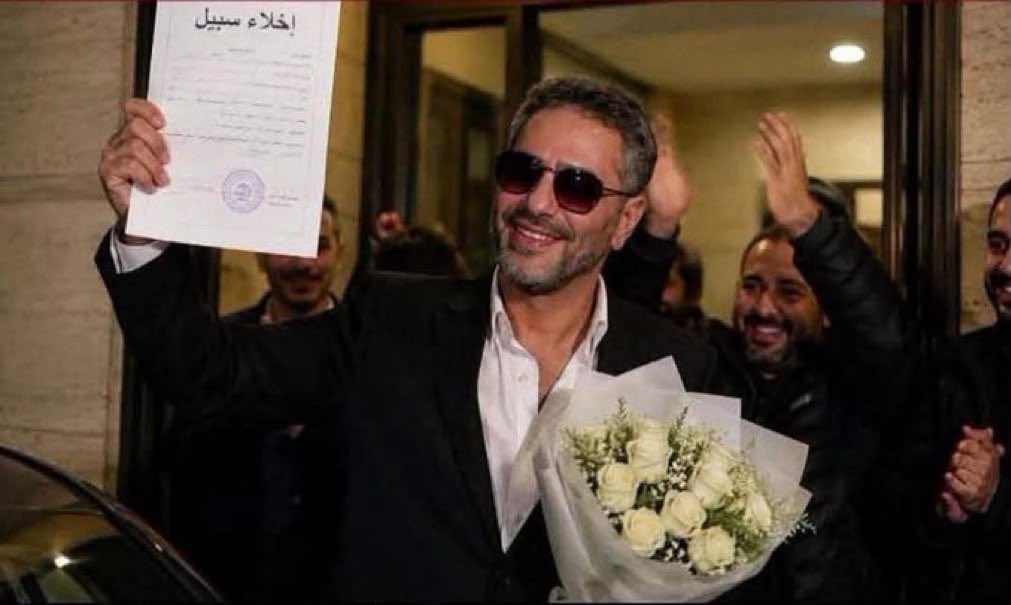
🔹الفنان الحر فضل شاكر كتب بنفسه سطور حريته منذ أن انحاز إلى ثورة الشعب السوري المباركة. رافق مفاصلها ومنعطفاتها، ودفع ثمن موقفه أثماناً باهظة. ولم يفقد الثقة بها حين تخلى عنها كثيرون.
🔹واليوم وإذ يتنفّس فضل شاكر هواء الحرية بإخلاء سبيله، يهنئه أحرار سوريا الذين يحبونه ويقدرون موقفه الأصيل، ونقول له إن مسارح دمشق تنتظر قدومه ليصدح بصوته الحر، ويقف بين أهله وجمهوره.
🔹وإن وزارة الثقافة في الجمهورية العربية السورية تدعوه إلى زيارة سوريا لتكريمه ورد الجميل إليه كما يليق به وبالمثقفين الأوفياء أصحاب المواقف الخالدة.
🔹سوريا الجديدة لا تنسى من ناصر ثورتها وفرح لتفتح ياسمينها وجوريّها حين هزمت المجرمين والإرهابيين ودحرتهم.
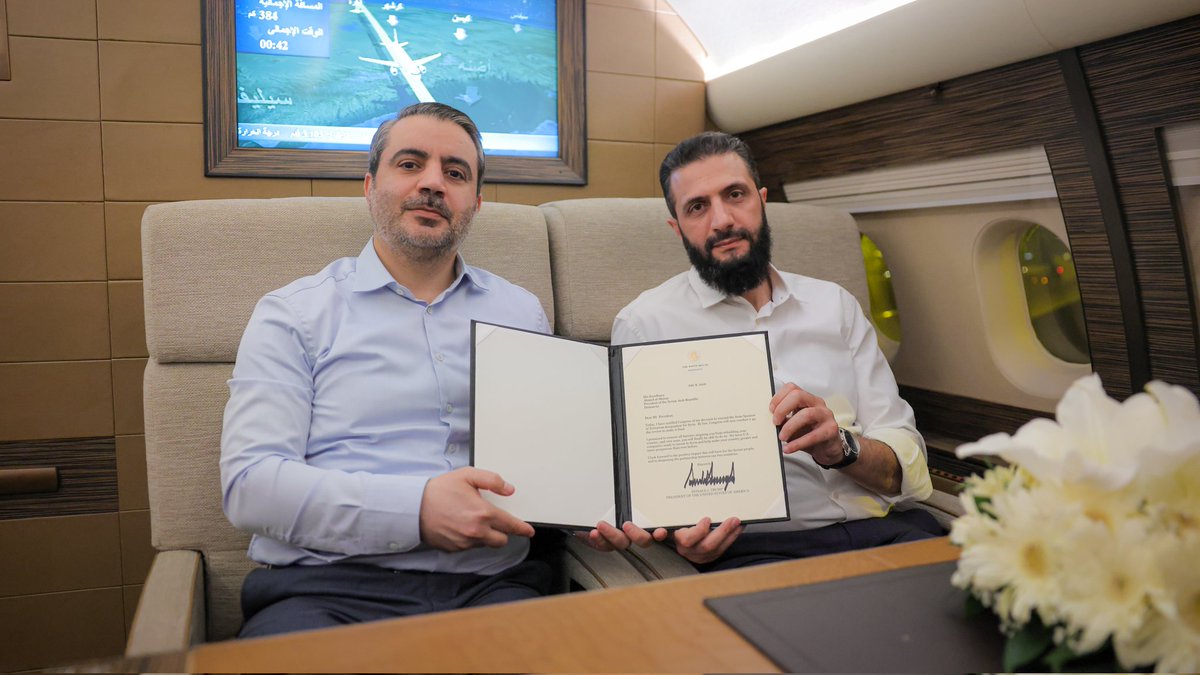
ضمن توجيهات فخامة رئيس الجمهورية أحمد الشرع، أغلقنا صفحة سوداء في تاريخ سوريا برفع التصنيف الذي فرض عليها بسبب سياسات النظام البائد 1979
كل الشكر والتقدير للولايات المتحدة بقيادة الرئيس ترامب على هذا القرار، ولصديقي وزير الخارجية ماركو روبيو وللسفير العزيز توم باراك ولكل من وقف إلى جانب سوريا.
Some hundred years ago, Prince Faisal rode to Damascus as a general, and then sailed to Paris as a diplomat, carrying in both Arab aspirations and little else.
He was intellectual romanticism made flesh: eloquent, dignified, and dependent on other people's good intentions. He staked sovereignty on backing Western interests and manipulating imperial contradictions. After Allied London and Paris helped defeat the Turks and Germans, Wilson's America talked self-determination. Only talked. Its King-Crane Commission heard the Syrians out, recommended honoring their wishes, and then... resigned. Washington took no mandate, and a secret British-French agreement in 1916 started drawing the new borders. In July 1920, France ended Faisal's Syrian Arab Kingdom in a few hours. The charming Arabian hero eyeing Damascus was handed a strictly managed Baghdad as a consolation.
That is the trap Arab liberal politics has been falling into ever since: ask the West, await the signature, keep trying. No serious Arab liberal politician reached the glory Faisal reached in 1919, yet none learned from his disappointments.
Following WWI, the state founders who lasted did the opposite of this. Atatürk refused the partition of Anatolia, fought for a unified nation, and forced a new agreement and an ethnically cleansed republic into being. Ben-Gurion declared a Jewish state and built the army to protect it from Jewish terrorists and Muslim and Christian insurgents. King Abdulaziz united the warring Arabian tribes with monotheistic zeal, captured the holy cities of Mecca and Medina, and secured his rule through shrewd deals. None petitioned. All seized and built, then negotiated from strength. On the record of the century, sovereignty is taken and constructed, never granted by another sovereign.
Ahmad al-Sharaa is the first Levantine leader cut from that Machiavellian cloth, and one the region has rarely managed to produce since the Mamluks. He's not the type that 20th-century socialism produced. Not Western-educated, and not a graduate of the officer corps, the security apparatus, or the rural intelligentsia. Not a party man drilled in idealism and hagiography. His authority is of an older kind: religious, traditionalist, sheikh-like; tuff the local culture recognizes instantly. And unlike the romantics, he holds stakes and leverage out of a not-so-clean past. Just like Turkiye's and Israel's and Saudi Arabia's founders. In 11 days at the end of 2024, he took Damascus and ended 54 years of Assad rule without waiting for a Geneva meeting or a UNSC resolution. He made himself Syria's top general by January 2025. What he is assembling is unfinished and predictably corrupt, but it's built from inside the country, not handed in from outside. That's why, of all Syrian revolutionaries, he's the one who matters the most.
Then there is Tom Barrack, and here's the twist. Read quickly, Barrack is a colonial agent redrawing the Sykes-Picot map, or just another Trump crony in charge of dirty regional business. Read more closely, he's something no recent Western envoy has been: a man operating inside a real cultural memory of Greater Syria. He's a Syrian Christian by origin, and his grandparents emigrated to America on Ottoman passports. When he calls Sykes-Picot a hundred-year mistake and declares the era of Western interference over, he's being Levantine in a way legible to Christian and Sunni traditions. This theologically acute laissez-faire Americanism is something secular romantics, nationalists, socialists, and progressive liberals worked very hard to bury. Bilad al-Sham is not an abstraction to Tom Barrack. It's an inheritance of his. Flawed, twisted, premodern, unprogressive, but an inheritance nonetheless.
What 1920 dismembered was a reformable system of nationhood: a contiguous Levant, strong at the center, and governed at the edges by communal jurisdictions. The millet system of religious pluralism let confessions and localities run their own affairs under one roof, knit by trade across open ground. Romanticize it and you lie, and let's face it, it failed. But the neighboring statelets that replaced it (Syria, Iraq, Lebanon, Yemen...) were much worse. For most of the century since, the only consolidated states in the neighborhood - real institutions, real monopoly of force - were Turkiye, Saudi Arabia, Israel, and, to an extent, Jordan. Everything around them had been reengineered into fragments.
The West hasn't found truth or virtue. But it's losing interest in drawing maps. Barrack says so plainly. The vacuum will be filled not by justice but by competence, and the only question is whose, and on what terms. Faisal asked London, Washington, and Paris for a nation-state and was refused. Atatürk and Ben-Gurion and Abdulaziz took theirs and kept them.
Levantine Arabs have tried every borrowed ideology, and are now forced onto their fate: not granted a state, but made to build one with a combination of Wahhabism zeal and Ottomanism. Whether their state turns out to be worth having is a separate question. But it will be theirs, and it will be real.
It was a pleasure to welcome His Excellency President Emmanuel Macron @EmmanuelMacron to Damascus, the city of history and civilisation, on a visit that marks the beginning of a new chapter in Syrian–French relations, founded on mutual respect and shared interests.
Our discussions resulted in practical steps to strengthen cooperation between our two countries, most notably an agreement to exchange ambassadors, and the signing of a number of strategic agreements and Memoranda of Understanding in the fields of energy and reconstruction, in a manner that advances the aspirations of our two peoples and supports efforts towards development and stability.
ننظر إلى مكافحة المخدرات بوصفها برنامجًا وطنيًا تتكامل فيه جهود مؤسسات الدولة والمجتمع. لقد ورثت سورية عن الحقبة البائدة إرثًا ثقيلًا من صناعة المخدرات وترويجها، فكان من أولوياتنا إعلان حرب شاملة على هذه الآفة لتجفيف منابعها وقطع طرق تهريبها ومعالجة آثارها. وفي اليوم الدولي لمكافحة المخدرات، تمدّ سورية يدها إلى دول الإقليم والعالم لبناء شراكة فاعلة تتصدى لهذا الخطر العابر للحدود، وتحمي مجتمعاتنا وأسرنا من سموم المخدرات وأضرارها.