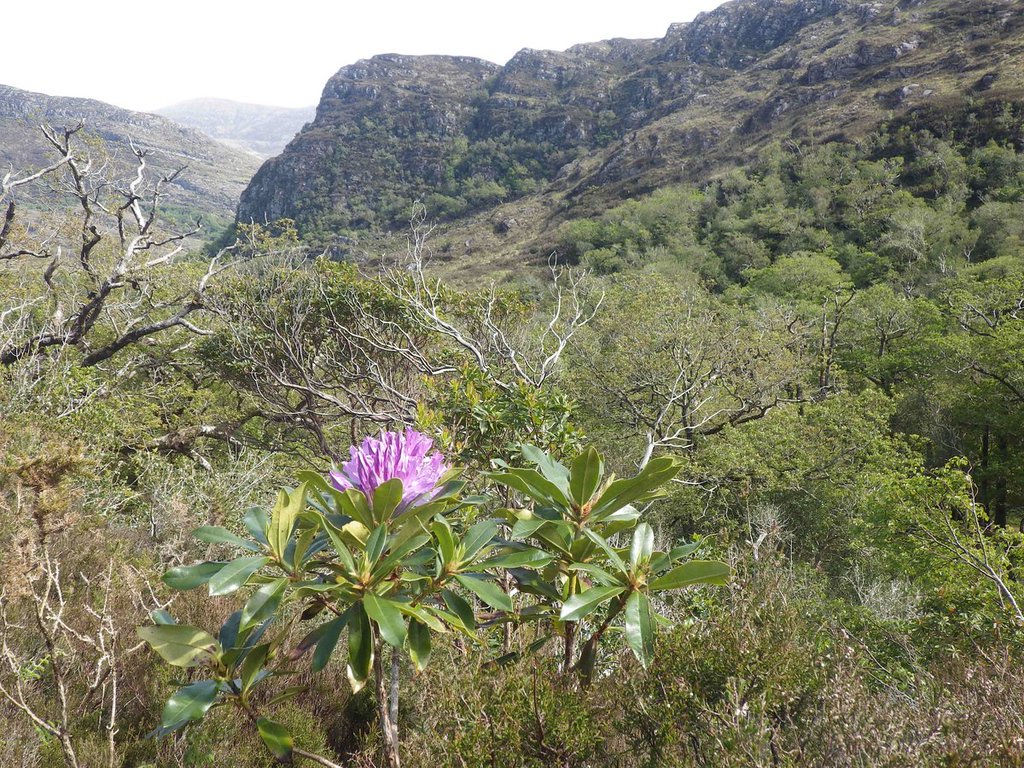
Groundwork ran work-camps removing invasive Rhododendron ponticum from Killarney National Park from 1981 until 2009. We continue to monitor the woodlands.
Do you care about the #Killarney Oakwoods? Have you ever wondered why Groundwork disappeared from protecting the Oakwoods after 30 years of sucessful worckcamps? Please read @PaddyWoodworth powerful piece to learn the truth #InvasivesWeek https://t.co/IZ3aX5zLGK via @IrishTimes
Current trail camera footage of wild Red Deer (Cervus elaphus) at a site in east Co. Clare.
Red Deer are not native to County Clare in the sense of continuous post-glacial occupation. Ireland’s original red deer population became extinct across most of the country by the early modern period, with the exception of the Killarney herd. The Red Deer present in Co. Clare today derive primarily from historical reintroductions during the 18th and 19th centuries.
Although they are now well established and play the ecological role of a large native herbivore, they are genetically and historically distinct from Ireland’s native Killarney Red Deer.
Killarney National Park: "The production of management plans is just another promise that keeps being made and keeps being broken."
We'd even go as far as saying that the promise of new management plans has always been a diversionary tactic of Park mgmt.
https://t.co/JMTN2A6FNf
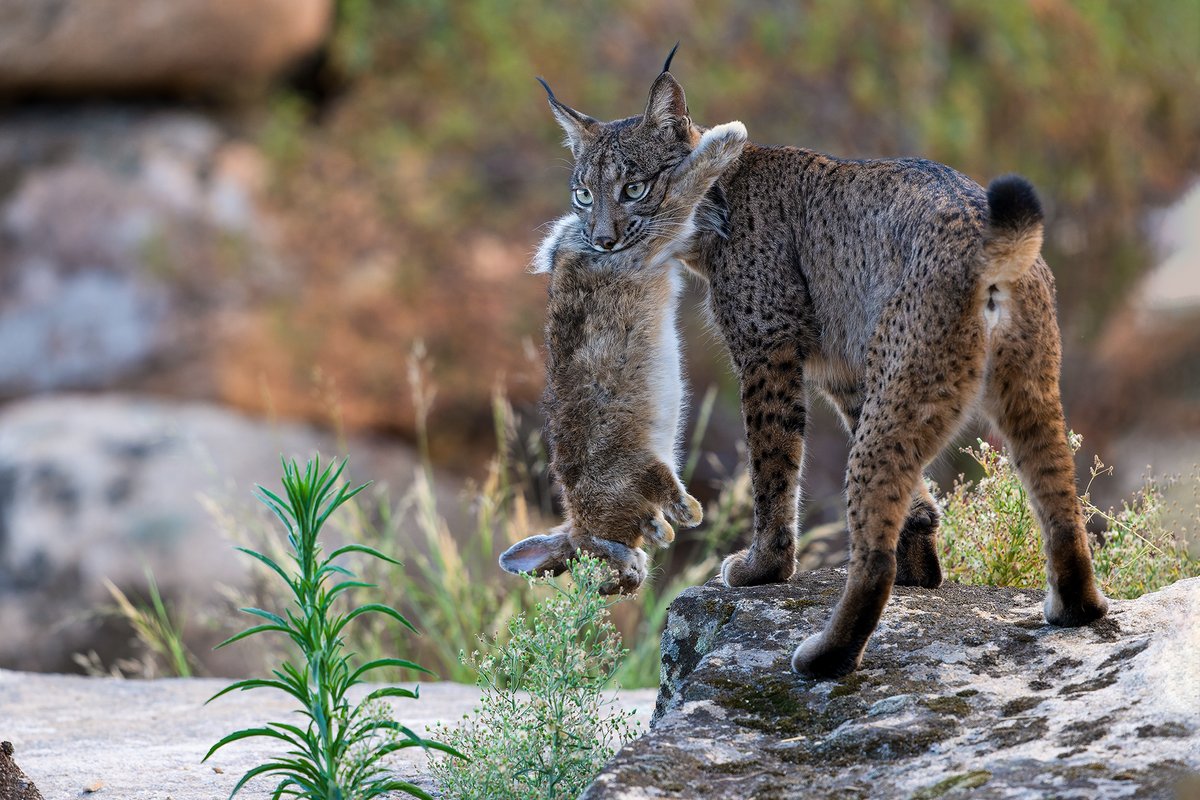
Iberian Lynx (Lynx pardinus) in Sierra de Andújar Natural Park, Andalusia, Spain, October 2025.
The prey is a European Rabbit (Oryctolagus cuniculus), the main food source for this species.
Iberian Lynx (Lynx pardinus) hunting for rabbits in Sierra de Andújar Natural Park, Andalusia, Spain, October 2025. I recorded this video from a hide and was privileged to observe two individuals during the sessions.
The hide is located beside a watering area, and the estate is managed to provide suitable habitat for rabbits - the main food source for this species.
The Iberian Lynx is listed under Annexes II and IV of the EU Habitats Directive. In the early 2000s, it was on the brink of extinction, but numbers are now recovering thanks to intensive conservation efforts.
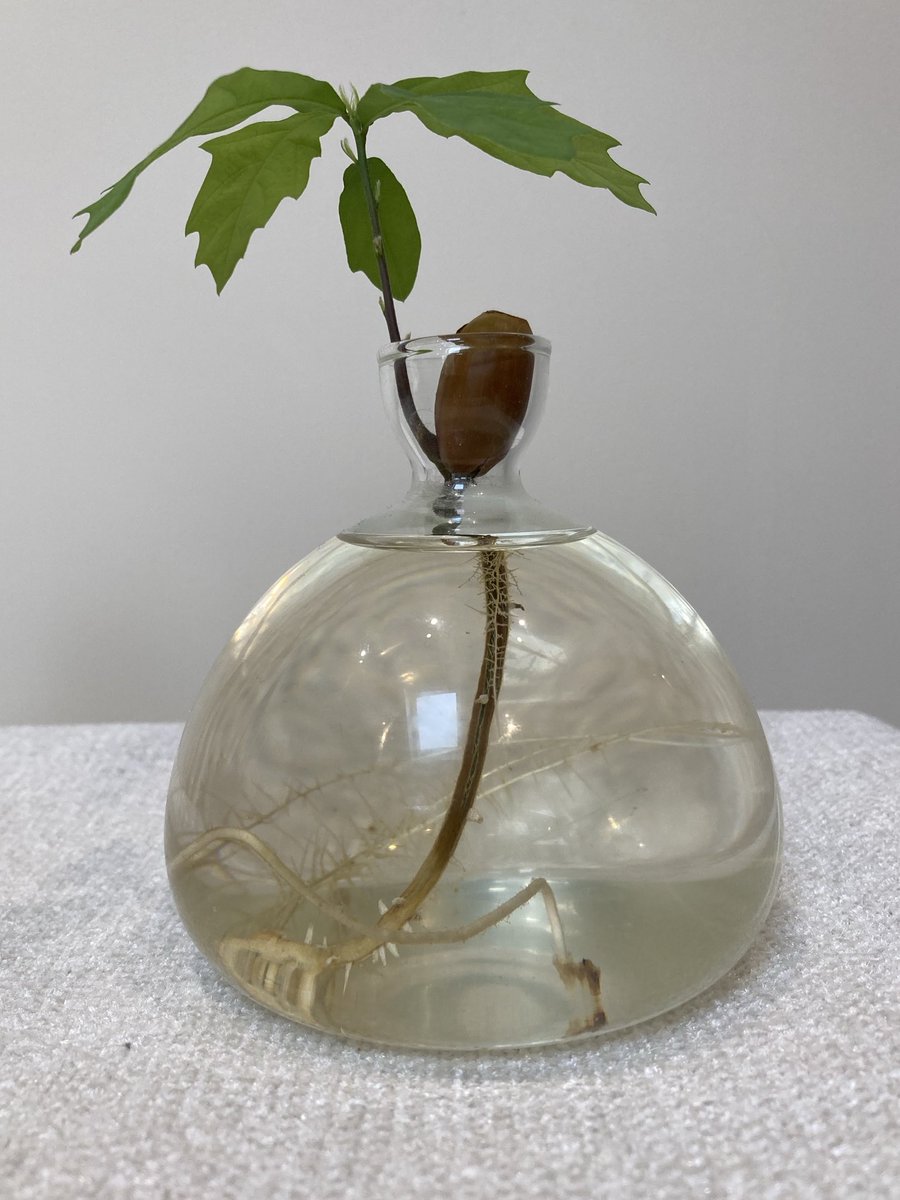
This is an Acorn Vase
It is a good way to study the root system of an oak seedling
It also allows you to grow an oak from seed indoors during the winter using forced germination
That is why we have a selection of acorns wrapped in moist tissue, in a zip bag, in the fridge
This is all bad news - but we can still save our woodlands by removing unnecessary additional pressures, like overgrazing and invasive species.
Some biosecurity would be nice.....
In some UK woodlands, every young tree has died. What’s going wrong? https://t.co/OSgNYgk0NK
''research found that increasing hedge width and height can substantially increase both above and below ground carbon sequestration, whilst also providing increased biodiversity.”
https://t.co/qRW5Cf1lmX
@AgrilandIreland
Studies show that many 'wildflower' seed mixes contain non-native species & can inadvertently introduce invasive species
Mow less, remove grass clippings, & local wildflowers will grow naturally. It takes time, but it's worth the wait
#PatienceNotPackets