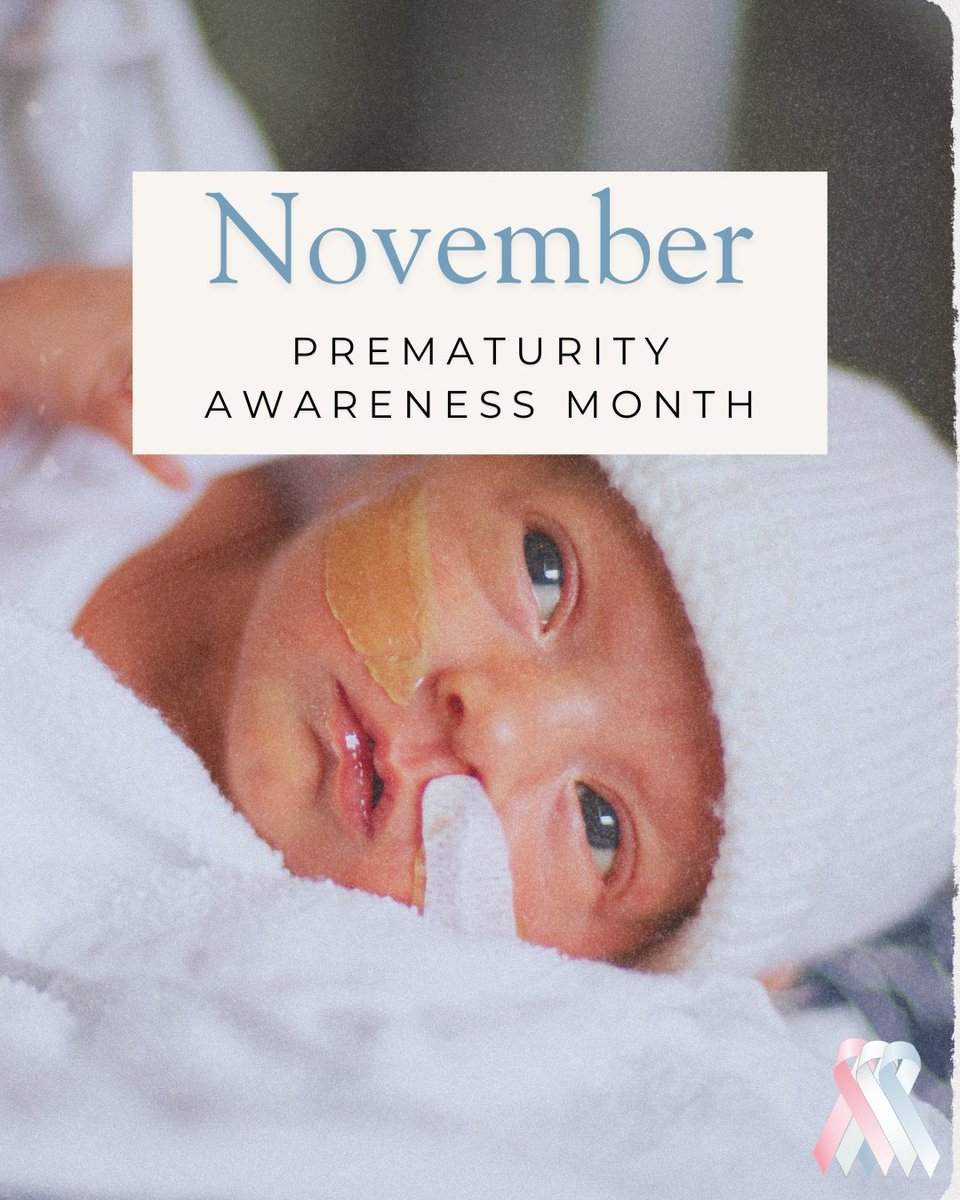
Today is World Prematurity Day, a day to raise awareness about the challenges of being born too soon & to honor the strength of premature babies & their families. GBS can cause preterm labor as well as cause an individual’s water to break too soon! Visit https://t.co/RBf7ZdiADN
According to the CDC, giving GBS+ pregnant women antibiotics through the vein (IV) during labor can prevent most cases of early-onset #groupBstrep disease in newborns. Learn more about early-onset iGBS at https://t.co/OLLFP5XDye
On World Pneumonia Day, we’re raising awareness that group B strep (GBS) can cause serious infections in newborns, including pneumonia. GBS disease can progress quickly, making awareness, timely response to signs of infection, and appropriate care essential.
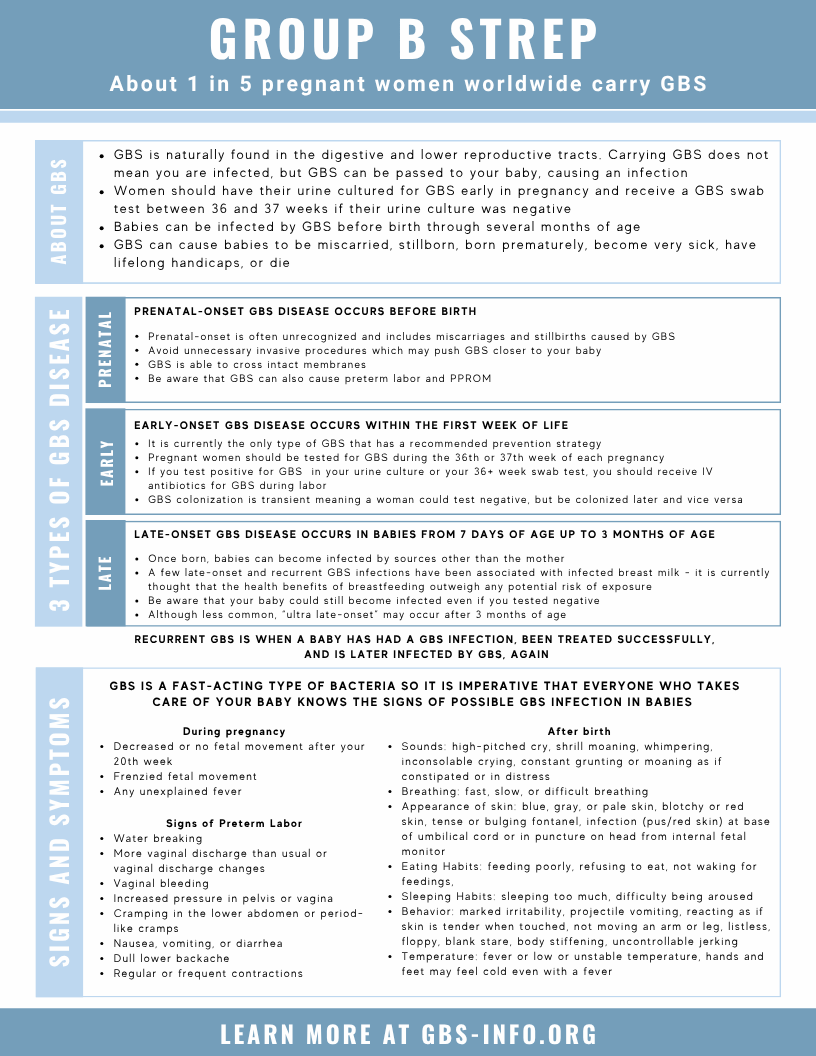
There are three types of perinatal #groupBstrep disease, each with their own prevention challenges:
-Prenatal-onset GBS disease (before birth)
-Early-onset GBS disease (birth through the first 6 days of life)
-Late-onset GBS disease (7 days of age through several months of age)
Babies born preterm face unique health challenges and GBS is one infection where awareness can make a difference. During Prematurity Awareness Month, we’re raising awareness about the connection between prematurity and GBS because every baby deserves the best possible start.
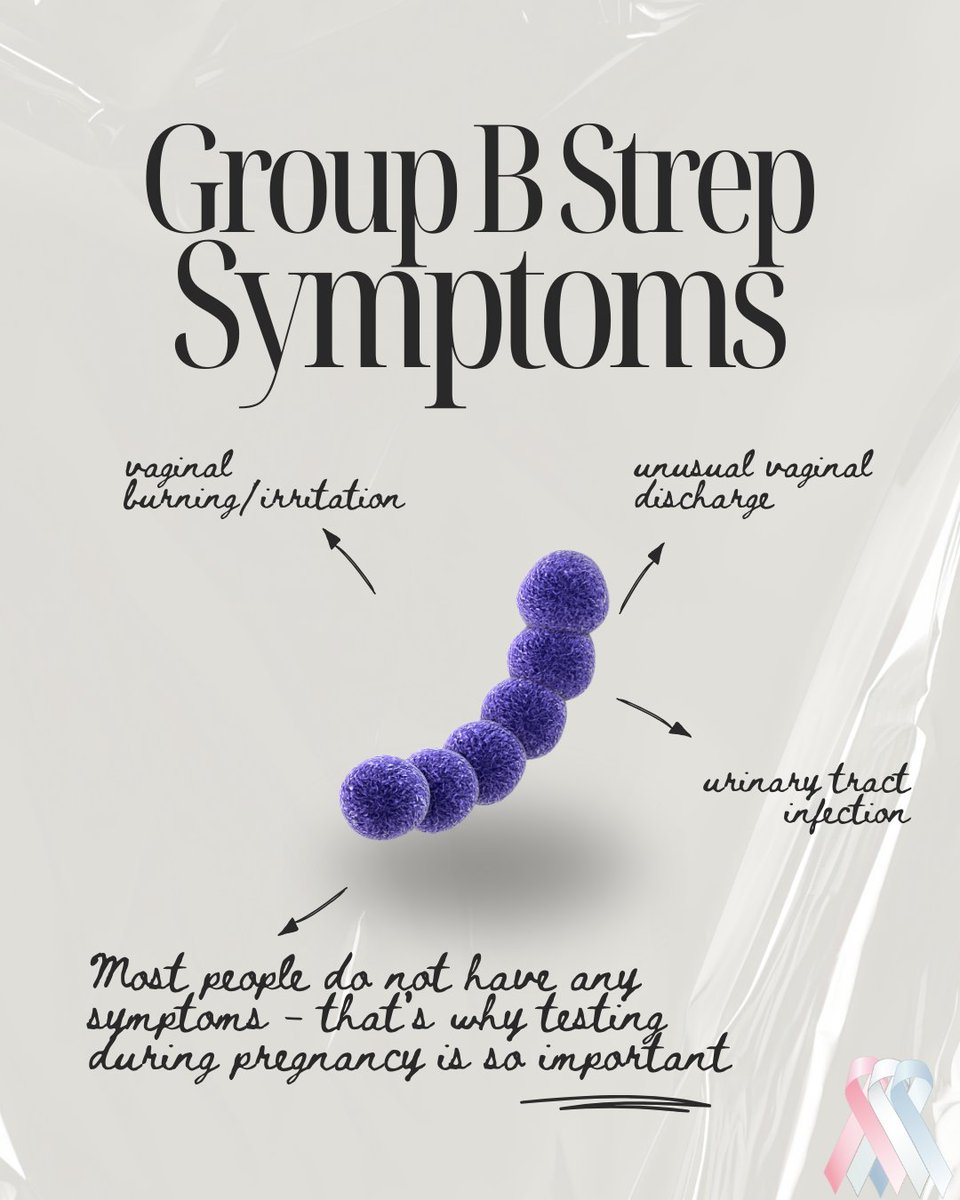
It's possible for your #groupBstrep status to change between testing and the time you go into labor. Make sure you recognize the signs of infection to help protect your baby! https://t.co/RBf7ZdiADN
Group B strep can cause preterm labor resulting in babies being born too soon. If you experience any of the signs or symptoms of preterm labor, contact your healthcare provider right away.
Worldwide, 1 in 5 pregnant women carry GBS. Don't play the odds. Make sure you are tested and know your test result! Learn more at https://t.co/rIOLTtXUle #groupBstrep#GBSTest
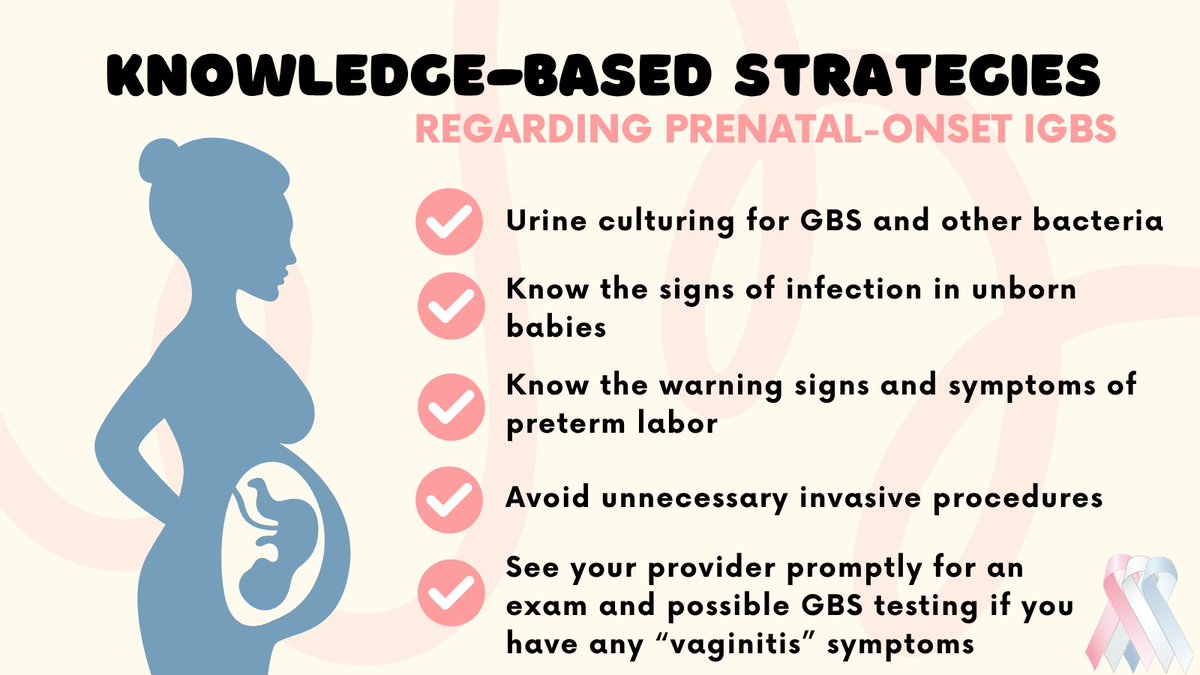
Although there are no official guidelines regarding prenatal-onset #groupBstrep disease prevention, several knowledge-based strategies may help prevent unborn babies becoming infected by GBS and/or enable better outcomes with prompt medical intervention. https://t.co/H3G9onKcvp
In the US, it's recommended that women are tested for #groupBstrep during the 36th or 37th week of pregnancy. This timeframe is important in predicting GBS status at birth! https://t.co/gEw2KBG3wx
Home visitors connect moms and families to vital resources in the community!
One example: @LACareHealth's Community Resource Centers. This project is funded in part by L.A. Care Health Plan and will benefit low-income and uninsured residents of Los Angeles County.
Finding GBS in your urine means that are likely heavily colonized vaginally and should be considered GBS+ during this pregnancy so that you get IV antibiotics during labor to help protect your baby from early-onset GBS disease.
If you are #groupBstrep positive, plan ahead if you have short labors or live far from the hospital. The IV antibiotics you receive in labor generally take 4 hours to be optimally effective. Learn more at https://t.co/RBf7ZdiADN.
About 1 in 5 pregnant women worldwide (about 1 in 4 in the US) "carry" or are "colonized" with #groupBstrep (GBS). Make sure you are informed! https://t.co/eew647eJP4
Testing for #GroupBStrep and knowing your GBS status can help you and your healthcare providers take steps to help protect your baby. Visit https://t.co/MUlDrZ9I3S for more info!
Ask your provider to not sweep your membranes. This is also known as membrane stripping. GBS can cross intact membranes and procedures such as this may push bacteria closer to your baby. Be aware that you may test negative for #groupBstrep, but be positive later.