Synthetic fertilizers are like narcotics. They have their limited uses but they are hyper addictive and if you do get your soil addicted the withdrawal can be devastating. #farming
Receiving plenty of calls from growers about our whole-system biological processes for creating regenerative fertility with yet another increase in fossil fuel prices and carbon taxes.
Now Available — Kindle & Paperback
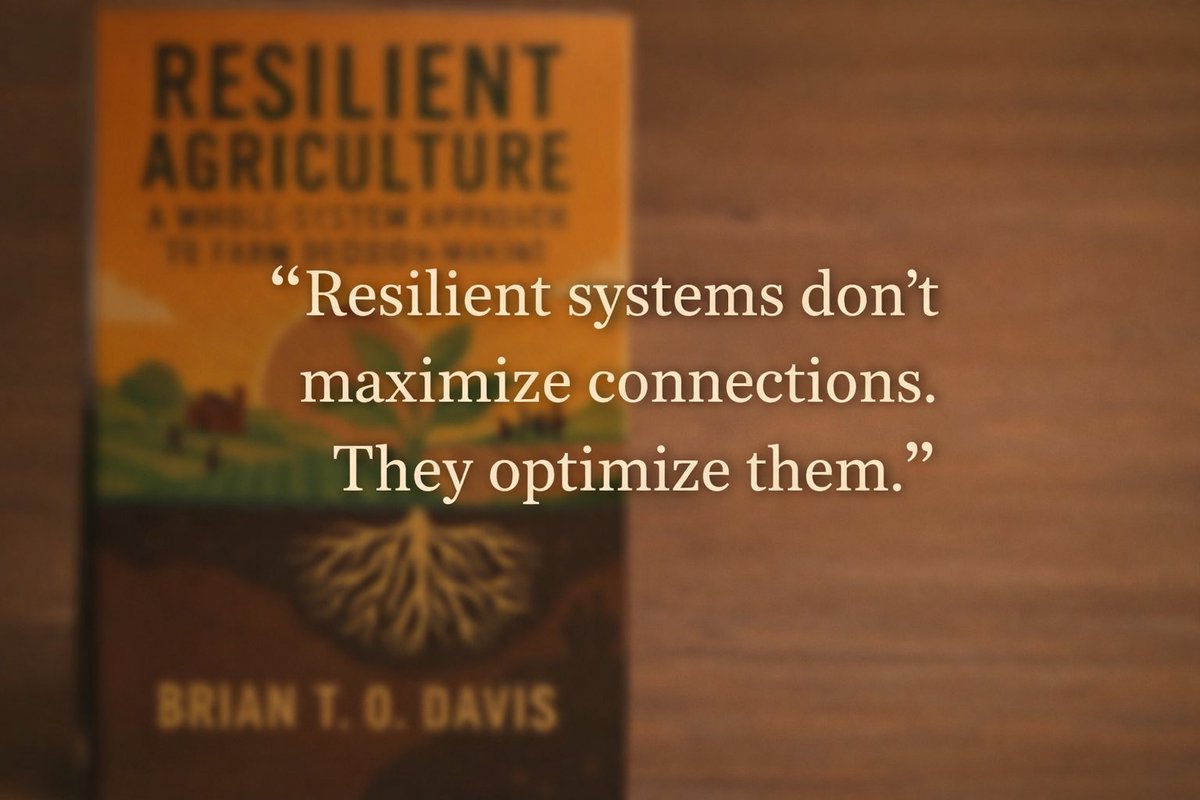
Resilient Agriculture: A Whole‑System Approach
is now available on Amazon in both ebook (Kindle) and paperback formats.
This book isn’t about chasing trends or selling silver bullets. It’s about decision-making — how farmers, land stewards, and communities can navigate complexity, risk, and long timelines while building systems that actually hold together.
Inside, I lay out a whole-system framework for agriculture that integrates:
• Soil biology and ecology
• Economics and operational reality
• Long-term resilience over short-term optimization
• Indigenous and place-based perspectives
• Practical tools for making better decisions under uncertainty
This is written for people who are doing the work — or who want to — and who understand that regenerative outcomes don’t come from ideology, but from sequence, context, and systems thinking.
📘 Available now on Amazon:
👉 https://t.co/truKyagJbo
If you’re building farms, food systems, or land-based projects meant to last — I hope this helps.
#ResilientAgriculture #WholeSystemThinking #RegenerativeAgriculture
#SoilBiology #FoodSystems #IndigenousAgriculture
Rhizophagy is no longer just theory.
Very few labs globally can actually confirm it in real systems — and that capability gap matters.
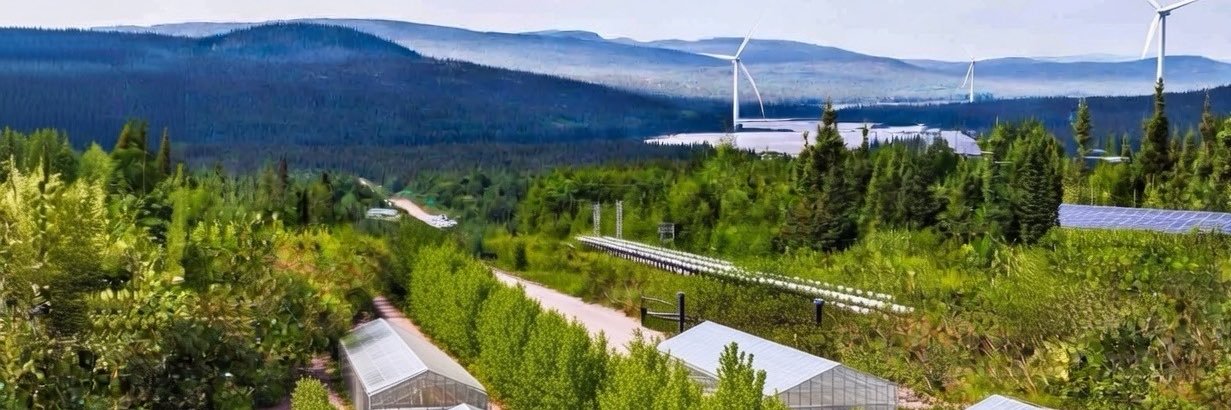
As part of the soil biology & lab capacity we’re building, we now have the ability to verify rhizophagy activity and outcomes directly, rather than just infer it.
Why this matters:
• Confirms plants actively source nutrients via microbial cycling
• Validates biology-first fertility strategies
• Moves regenerative ag from belief → measurement → design
This is the shift from talking about soil life to proving how it works. 🌱🔬
#Rhizophagy #SoilBiology #RegenerativeAgriculture #SystemsThinking
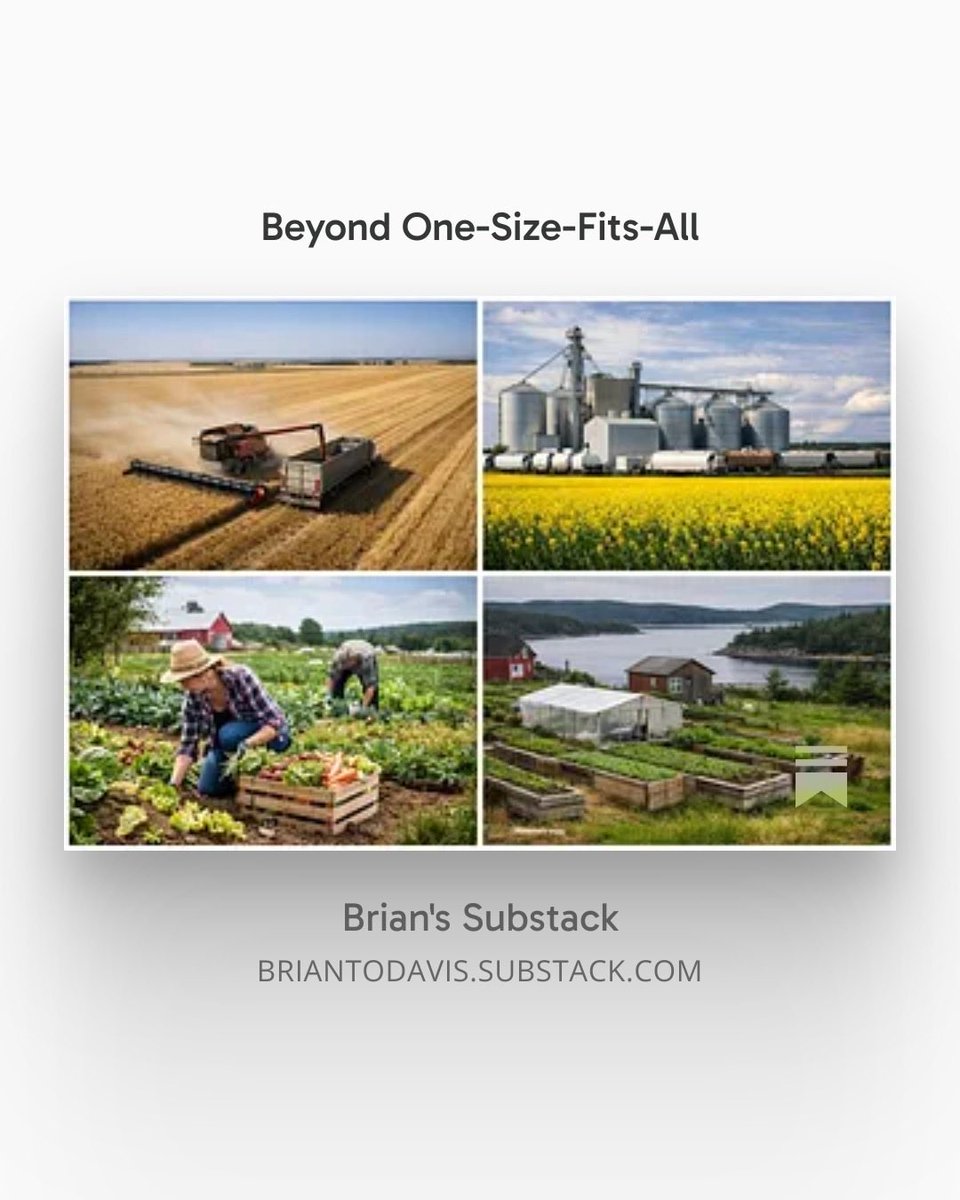
If we care about food security, resilience, rural viability, and long-term stability — especially in remote and northern regions — we need a better way to talk about what farms actually do.
What follows is a simple classification framework meant to clarify, not divide. It is not about ranking farms or declaring winners and losers. It is about recognizing that different agricultural systems exist for different reasons — and should be supported accordingly.
https://t.co/SFqCFjOvp6
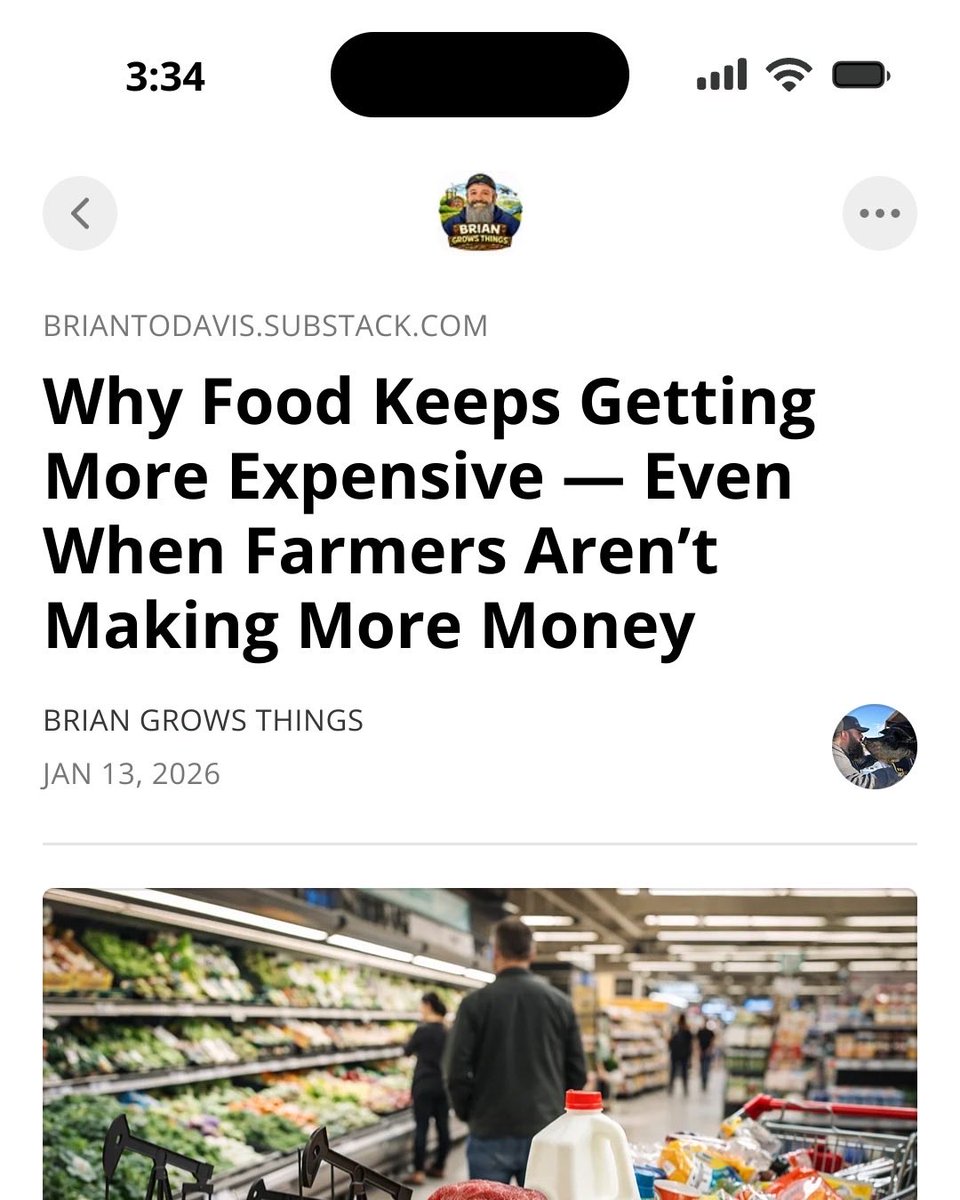
Food keeps getting more expensive — even when farmers aren’t making more money.
It’s not one problem. It’s a system design issue.
A short breakdown on why food inflation persists, who feels it most, and what we’re missing in the conversation. 👇
https://t.co/kyNZND2Mxl
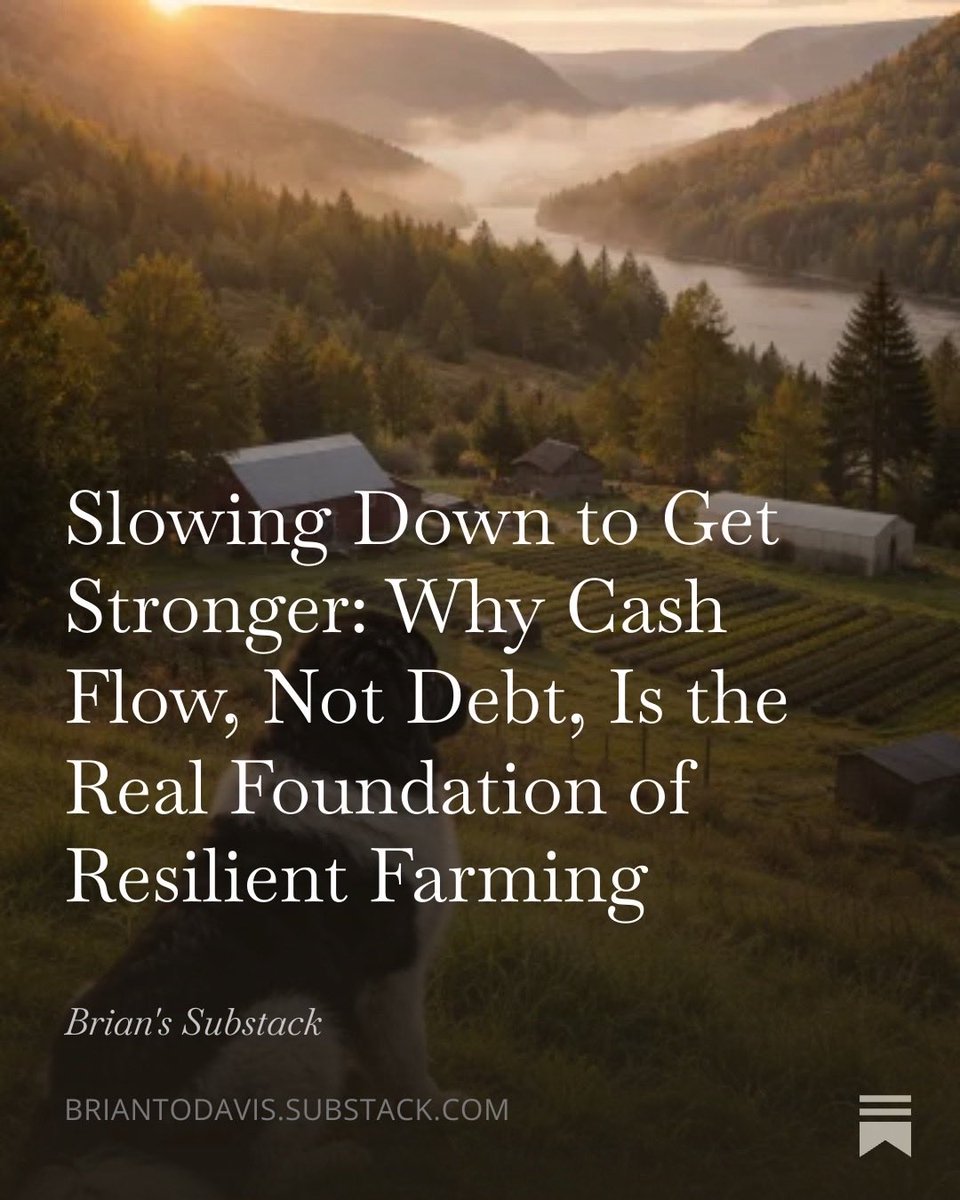
Debt isn’t resilience.
Cash flow is.
Farming doesn’t run on one-year cycles, and debt shouldn’t be the default growth strategy. A short piece on patience, right-sizing, and building farms that can actually endure.
#Agriculture#Farming#FarmLife#Resilience#RuralEconomy #ResilientFarms #AgEconomics #CashFlow #SmallFarms #FutureOfFarming
https://t.co/YgO76UZwJN
A joint Dalhousie-–McGill study estimates that Canadian dairy farmers discard as much as one billion litres of milk each year, not because of food safety concerns, but to prevent oversupply and maintain elevated prices. https://t.co/y5rDO4GjdQ
At a basic level, every food system should be multi-tiered and produce food and fibre for the community first, then region, then province/state, then nation, and then for export; with surplus for trade. Meet your community’s needs first, then trade; not the other way around.