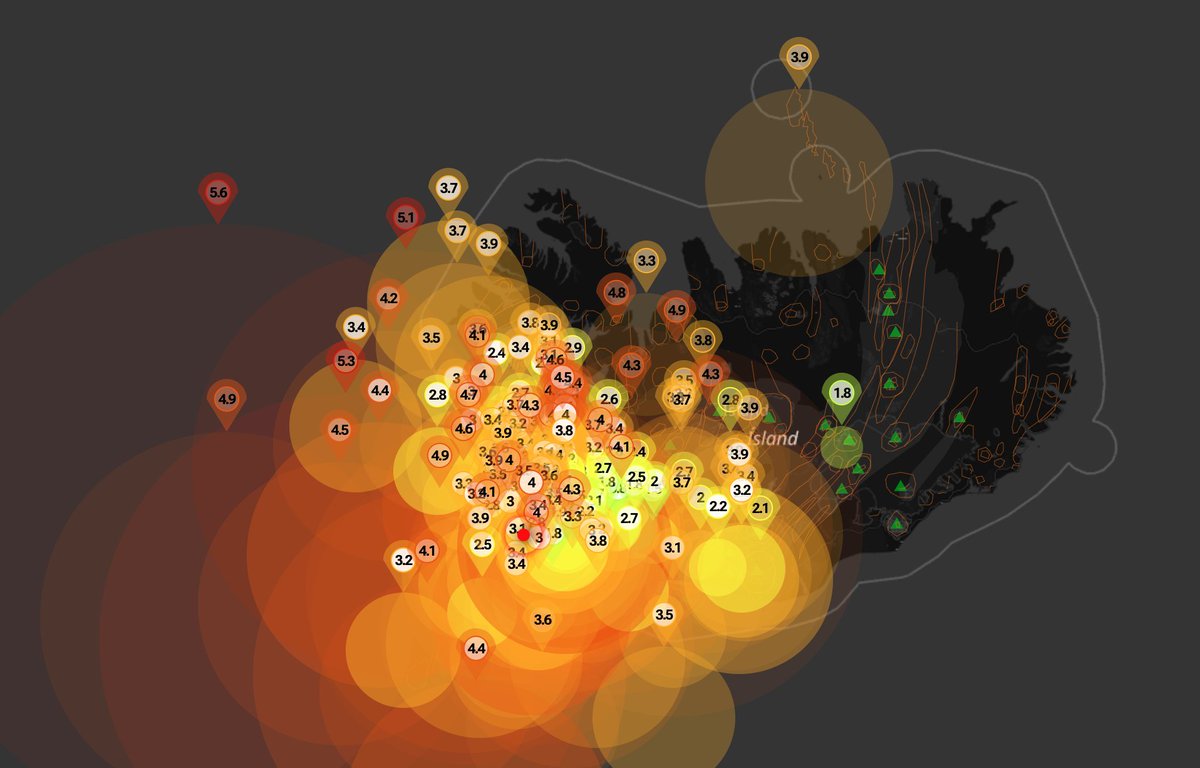
The seismic activity map of Iceland right now is...jaw-dropping.
These are quakes that have happened in just the last 6 hours. The Reykjanes Peninsula is smothered in thousands of small quakes and some mid-magnitude ones.
That's what happens when rising magma breaks rocks.
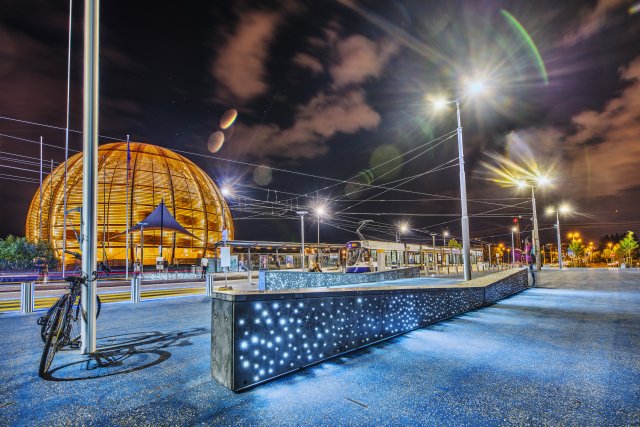
Why the Tokyo Skytree is more than views. It's full of scientific facts- and the drinks bar is good too. #Japan#tokyolights#Science#Sundowns
https://t.co/BbO8kyS1k5
Kudos to @Hatchards bookshop, its designers & @StPancrasInt: this year’s 12m “Xmas tree” marketing installation is on brand, visually reflects the building, promotes books of all types (not just luxury goods) and is actually useful to train passengers by providing seating too👍
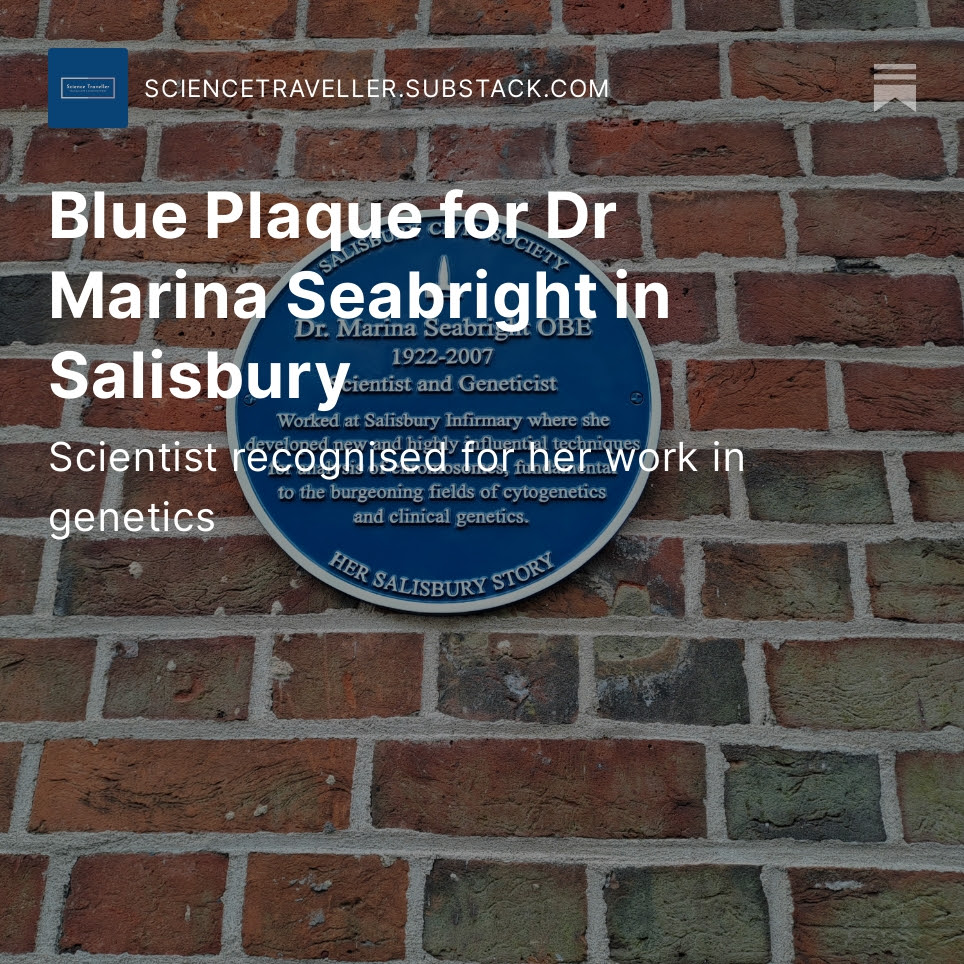
Here's the November edition of Science Traveller Newsletter. Have read and if you like it, consider subscribing (free) so you get the newsletter in your inbox each month. #Science#newsletter#sciencenews
https://t.co/5TSu53ZgwT
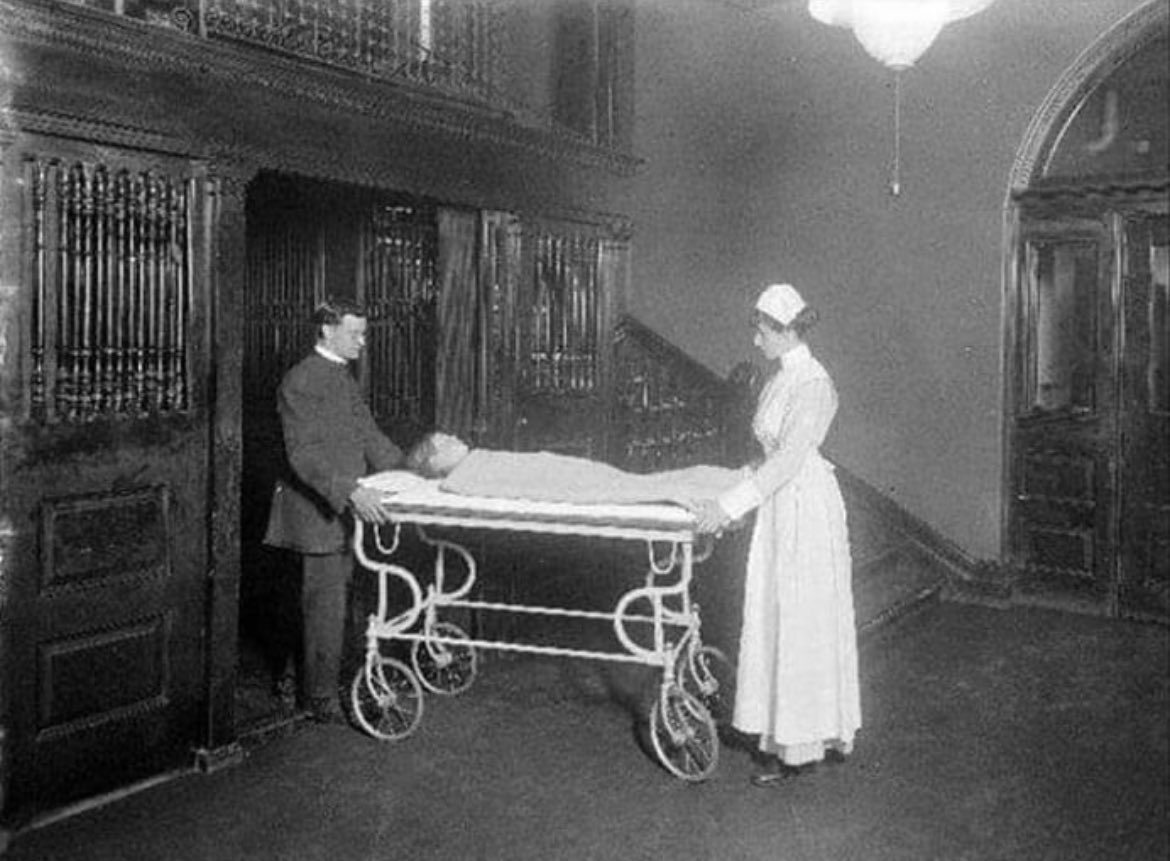
In 1922, a group of scientists went to the Toronto General Hospital where diabetic children were kept in wards, often 50 or more at a time. Most of them were comatose and dying from diabetic ketoacidosis.
These children were essentially in their death beds, awaiting what was at that time, certain death. The scientists moved swiftly and proceeded to inject the children with a new purified extract of insulin.
As they began to inject the last comatose child, the first one to be injected began to wake up. Then one by one, all the children awoke from their diabetic comas. A room that was full of death and gloom suddenly became a place of joy and hope.
In the early 1920s, Frederick Banting and Charles Best discovered insulin under John Macleod at the University of Toronto. With the help of James Collip, insulin was purified, making it available to successfully treat diabetes. Both Banting and Macleod earned Nobel Prizes for their work in 1923.
Banting was 32 when he received the Nobel Prize, and he chose to share half the prize money with Best, who was his assistant and just 24 years old at the time. Banting refused to put his name on the patent and instead sold it to the University of Toronto for $1. He thought it was unethical to profit from a discovery that would save millions of lives. "Insulin belongs to the world, not to me," he said.
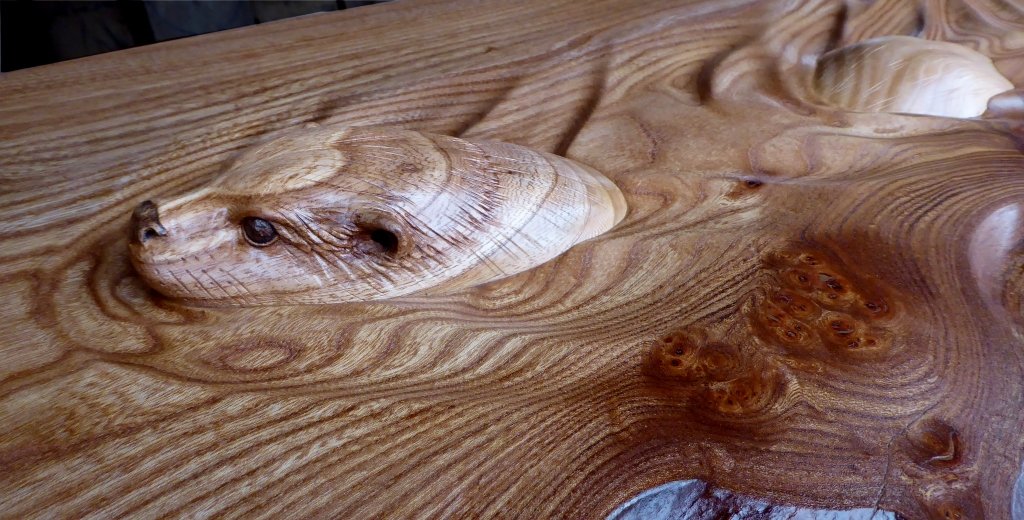
Up close an personal with one of my father's latest otters. (If he looks serious, it's because he's got a long swim ahead - he's off to Canada.)
Solid Scottish elm otter table, carved by @mastercarvers David Robinson
#otterman#otters#ottercarving#woodcarving carving
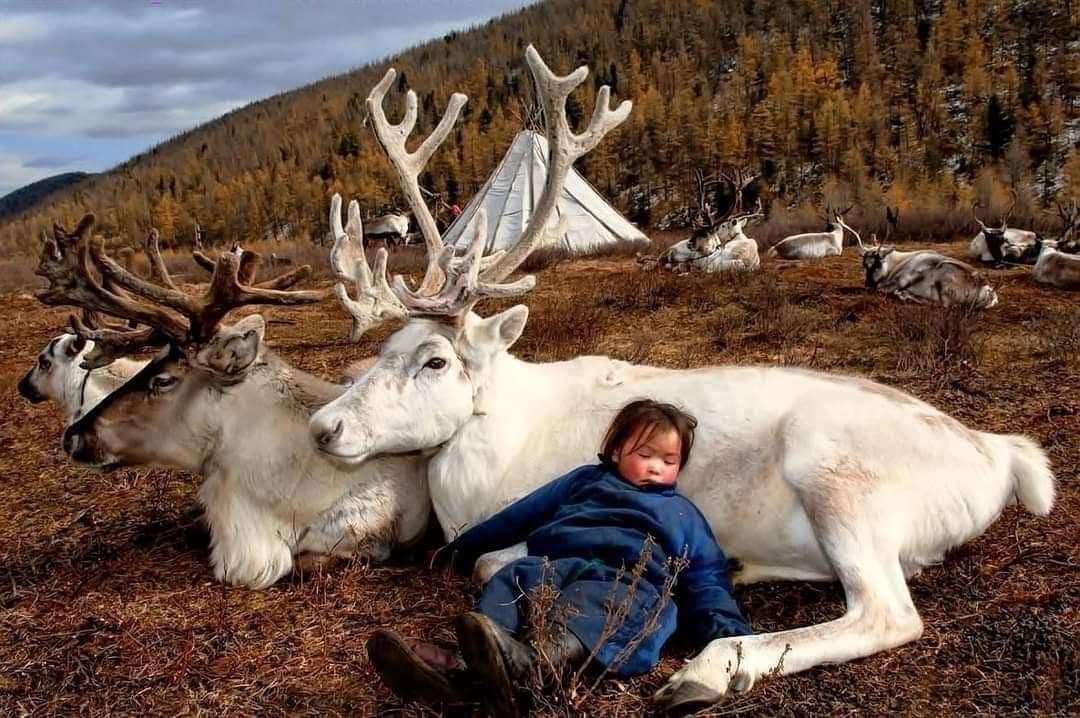
Dukha people; Mongolia’s last nomadic reindeer herders, young child rests 'guarded' by one of reindeer.
Dukha or Tsaatan are small Tuvan Turkic community of semi-nomadic reindeer herders living in Khövsgöl, northernmost province of Mongolia.
📷: Hamid Sardar
#archaeohistories
I couldn't upload these whilst I was in the Falklands as the Wi-Fi wasn't good enough, but, now I have returned to a constant depressing news cycle online, I feel like everybody needs to see some penguins living their best life 🇫🇰
The October Science Traveller newsletter is out with some interesting articles on travel with a scientific theme. You can also subscribe free to get the monthly newsletter. #Science#Travel#traveltips
https://t.co/XBBxKCTfCs
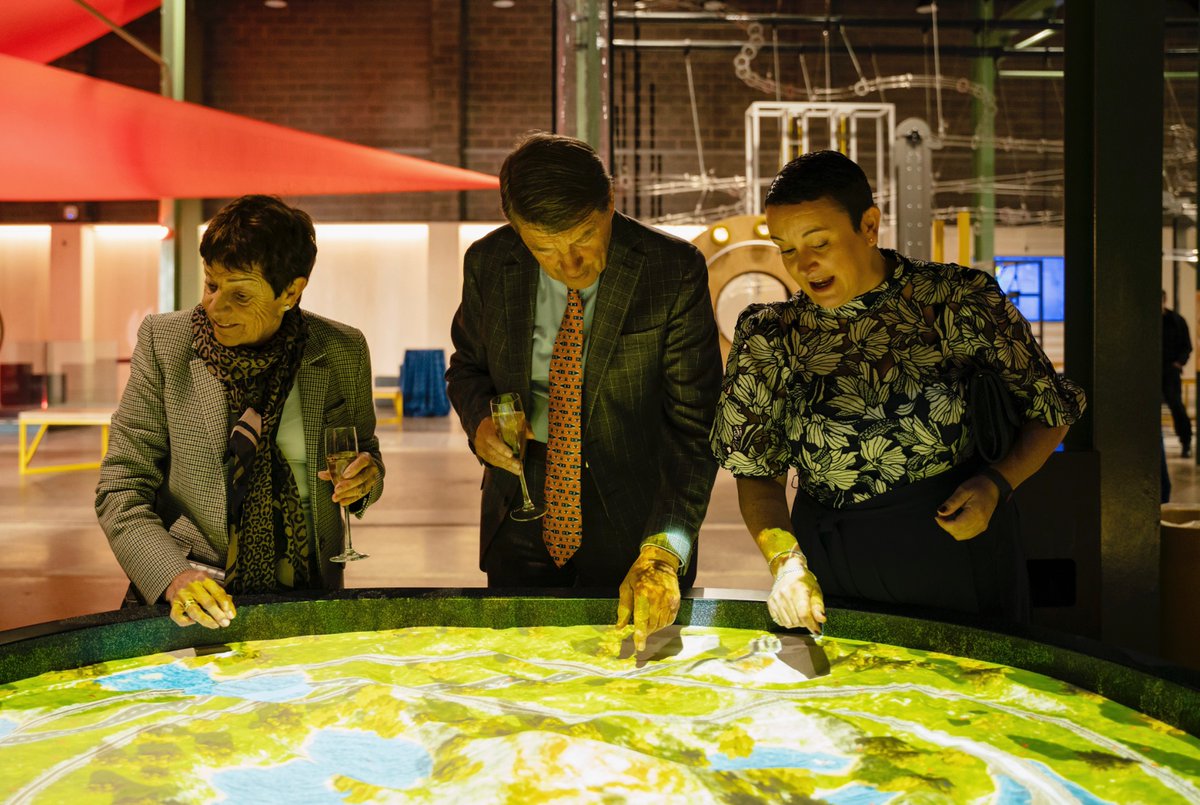
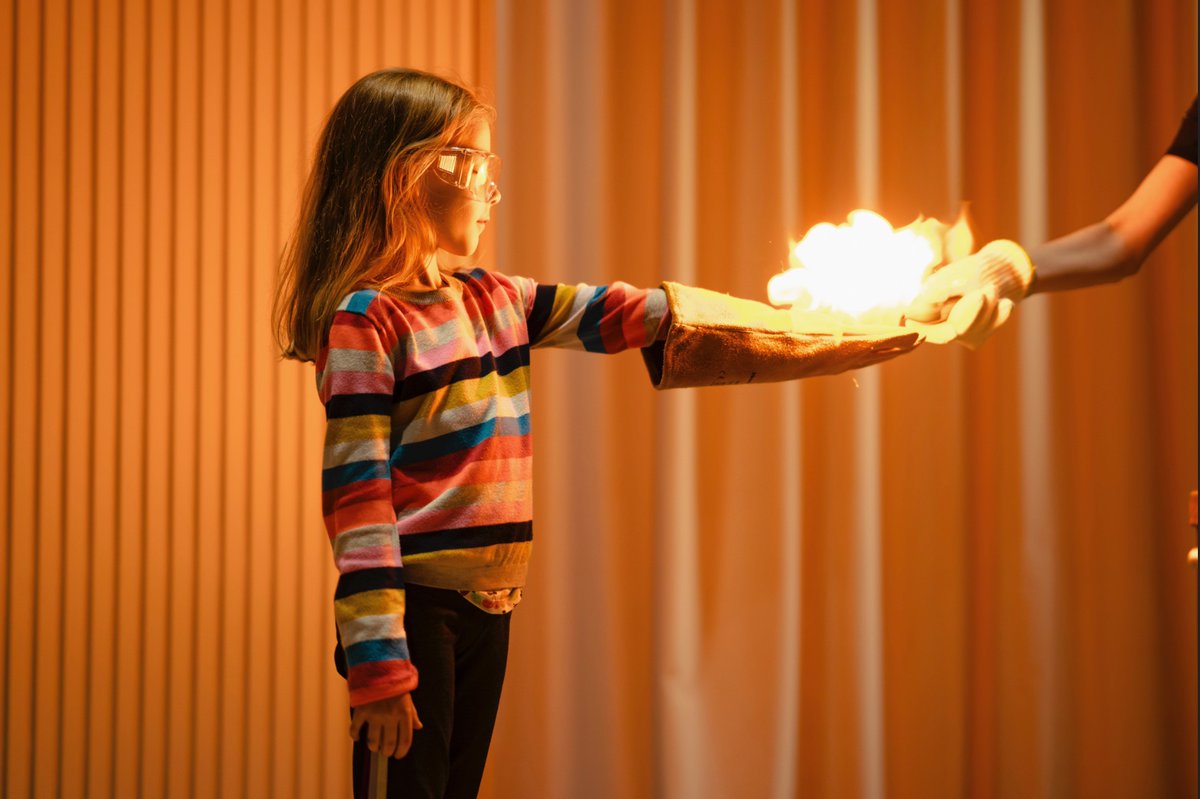
What a brilliant celebration of the launch of @railwaymuseum's Wonderlab: The Bramall Gallery! A huge thank you to all our generous funders for their invaluable support in bringing the railways to life through play.
The next Science Traveller newsletter will be published this weekend. Subscribe for free to get a newsletter packed with science-themed articles linked to travel in your inbox. Here's the September issue. #Science
https://t.co/uimgJyJcKS