Every day on the wards, I see patients confused by their thyroid reports and even med students struggle to interpret them properly. These labs are so misunderstood!
Hey, I'm Dr. Priyam. Today, I’ll decode the THYROID PANEL exactly how an IM resident does.
SEBI's PMS consultation paper today is arguably the biggest structural shake up proposed for India's wealth management industry in a long long time. If you're a Portfolio Manager, this is a gift. If you're an RIA, read this closely, because your addressable market is about to get squeezed.
First, the scale of the industry being regulated. PMS AUM has grown from ₹18.07 lakh crore (April 2019) to ₹42.61 lakh crore (May 2026), more than 2.3x. Clients have grown from 1.5 lakh to 2.19 lakh, and registered portfolio managers have more than doubled, from 226 to 515. This is a large, fast growing, increasingly retail adjacent industry, and SEBI is rewriting the rulebook to match.
Why this is a big bonus for PMS players:
1) A brand new "MF only PMS" (MF-PMS) category with dramatically lower entry barriers. Minimum client ticket size cut from ₹50 lakh to ₹25 lakh. Minimum net worth for registration cut from ₹5 crore to ₹2 crore.
2) Principal Officer certification simplified to a graduation degree plus two years' market experience plus NISM certification, no elevated qualification bar.
3) Additional employee and dedicated dealing room become optional.
4) Disclosure document format simplified.
5) No exit load restrictions.
6) And fees: a flat management fee up to 2.5% of AUM, plus the ability to also charge a performance fee with client consent.
This is a huge widening of who can become a portfolio manager. Smaller RIAs, boutique wealth advisors, and independent professionals who were priced out of the ₹5 crore net worth and ₹50 lakh ticket size PMS world can now enter at less than half the capital and half the client minimum, while keeping discretionary control and a richer fee structure than pure advisory.
A materially expanded investment universe.
1) "To be listed" securities now explicitly permitted. Discretionary PMS can now invest up to 10% of AUM in investment grade unlisted debt, previously banned for DPMS entirely.
2) Foreign securities, listed equity, listed debt, and overseas mutual funds or REITs, now permitted for both DPMS and NDPMS, bringing PMS to parity with Mutual Funds, AIFs and IFSC based managers who already had this access.
3) Exchange traded derivatives materially loosened too: total exposure up to 1.25x of AUM, unhedged short exposure via equity derivatives up to 50% of AUM, options exposure capped at 10% of AUM.
4) Real compliance easing. Dealing room requirement relaxed entirely for portfolio managers with fewer than 10 clients or AUM below ₹100 crore.
5) Disclosure documents can go fully digital. Filing timelines relaxed from 7 working days to 10 calendar days. Net worth definition now includes securities premium reserve.
6) POA requirements may be relaxed to ease client transitions between managers. Demat account portability is being floated to kill repeat KYC when clients switch PMS providers.
For anyone running or planning to run a PMS, this paper reads like a wish list.
Why this is a big problem for RIA license holders:
RIAs operate under the SEBI Investment Advisers Regulations, which come with real structural constraints PMS and MF-PMS won't face. RIAs generally cannot take discretionary control over client assets, they can only advise, leaving execution to the client. Fee collection is another challenge - it is automatic in PMS. In RIA, you have to raise a bill that clients are reluctant to pay.
Now look at what MF-PMS does to that model. A client with ₹25 lakh, squarely in the segment RIAs have built their business around advising on mutual fund portfolios, can now hand full discretionary control of that same portfolio to an MF-PMS, which can charge up to 2.5% fixed management fee plus a performance fee. That's a more lucrative and more hands off proposition for the client than paying an RIA an advisory fee and then executing the recommendations yourself.
SEBI has effectively created a structurally lower cost of entry, higher fee flexibility, discretionary competitor sitting directly on top of the exact client segment (₹25 to 50 lakh, mutual fund centric, mass affluent) that the RIA regime was originally designed to serve. Add the broader PMS expansion into foreign securities, unlisted debt and derivatives, categories RIAs can only advise on in a limited, non discretionary way, and the product shelf gap between PMS/MF-PMS and RIAs widens further. This is likely to become one of the more contentious threads in the public comment process, due August 13, 2026. Expect RIA industry bodies to push back on the MF-PMS ticket size or fee structure, or ask for reciprocal easing of RIA fee and discretion rules to level the field.
As for MFDs - expect lots of them to launch these MF-only PMSes and shift clients interested in direct plans to them.
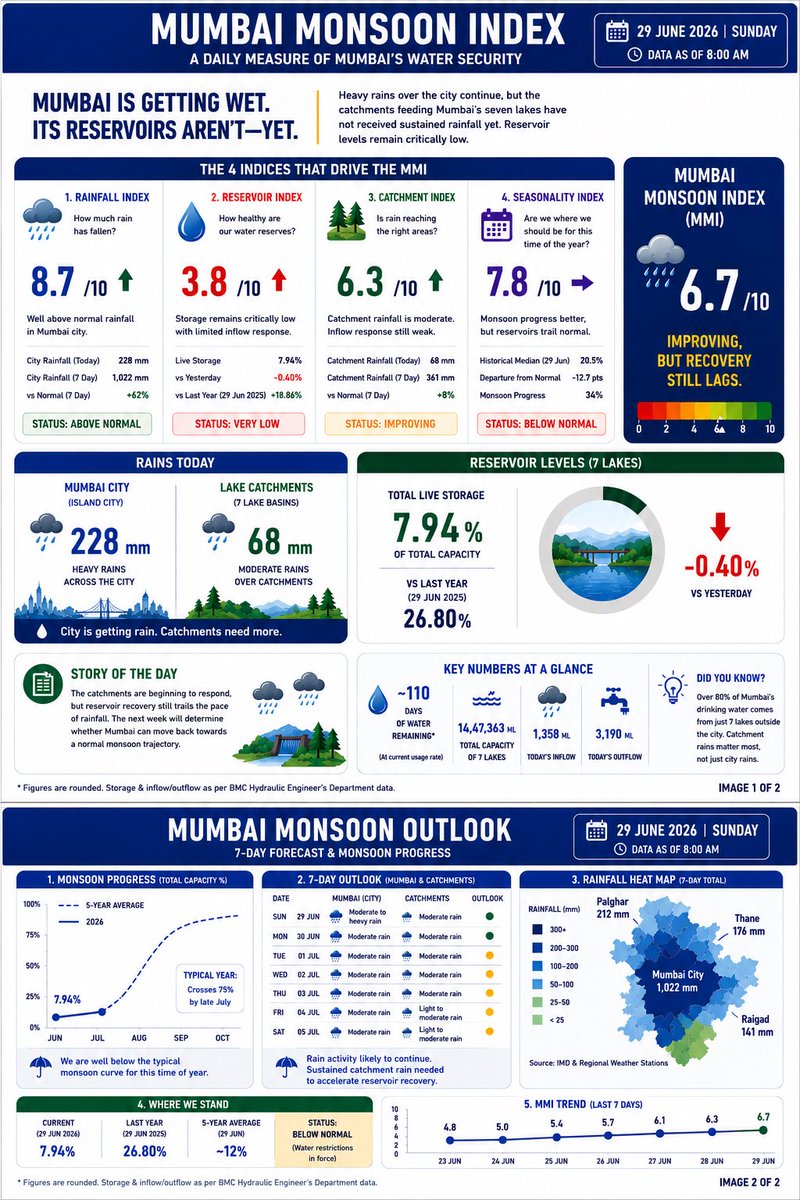
Introducing the Mumbai Monsoon Index (MMI). 🌧️💧
Mumbai doesn’t just need rain—it needs rain in the right places.
Every morning, the MMI tracks:
• 🌧️ Rainfall
• 💧 Reservoir health
• 🌿 Catchment conditions
• 📅 Seasonal progress
Because water security is about more than the weather
Sarang Helicopter Display Team Returns to Dazzle Singapore Skies
🇮🇳🤝🇸🇬
@IAF_MCC’s #Sarang Helicopter Display Team is set to enthral Singapore once again at the Singapore Airshow 2026 (03–08 Feb).
Sarang holds the distinction of being the world’s only four-helicopter military display team. Meaning “peacock” in Sanskrit, the team embodies the vibrancy and grace of its namesake, showcasing the Indian Air Force at its finest.
Since its international debut at the 2004 Asian Aerospace Show in Singapore, Sarang has flown more than 1,200 displays at 390+ venues worldwide, including a standout performance at the Singapore Airshow 2024.
Flying the indigenously designed and developed Dhruv Advanced Light Helicopter (ALH) by Hindustan Aeronautics Limited, Sarang highlights India’s growing capabilities and commitment to technological self-reliance. The agile ALH Mk I variant enables the Sarangs to execute their signature synchronised aerobatics and dramatic close-formation manoeuvres with remarkable precision.
As Sarang team returns to Singapore, visitors can expect an exhilarating aerial spectacle, one that reflects the skill, dedication, and professionalism of the Indian Air Force.
#AtmanirbharBharat
#Bridgesoffriendship
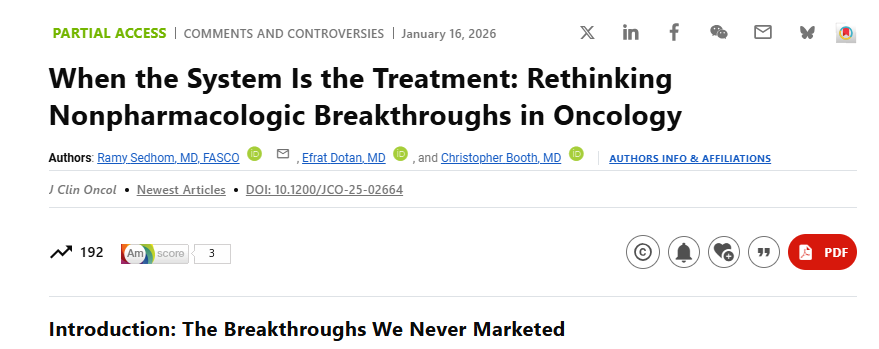
Imagine 4 new anticancer drugs Pallituzumab, Geriatriximab, Symptomab, & Exercizumab hit the market. They should dominate the plenary sessions at ASCO & command billion-dollar revenue. But they don't because they're nonpharmacologic & shame on us.
Read our opinion piece in @JCO_ASCO
https://t.co/UFuxuDI3sn
@Ananth_IRAS check out one of the youngest trainspotters of India master vihaan behera.he n his parents have the cutest ig here.https://t.co/ucXhhPko1w
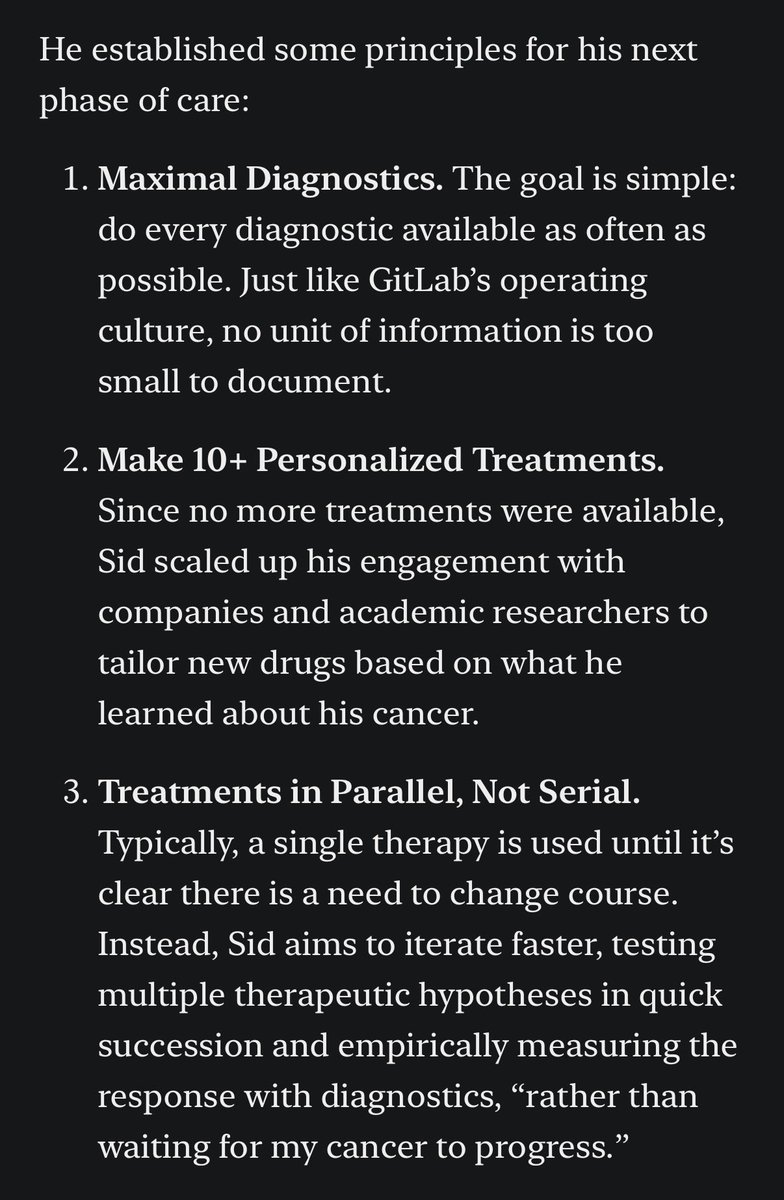
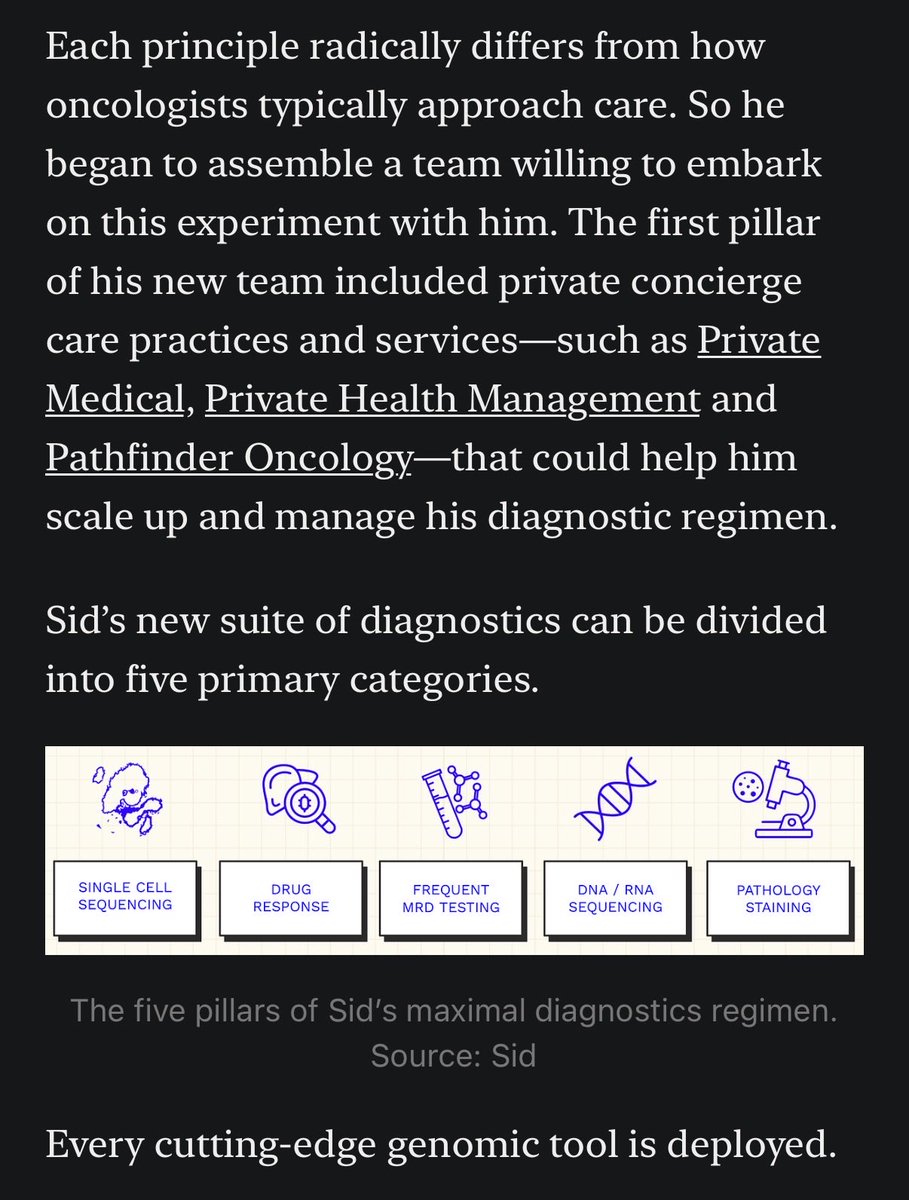
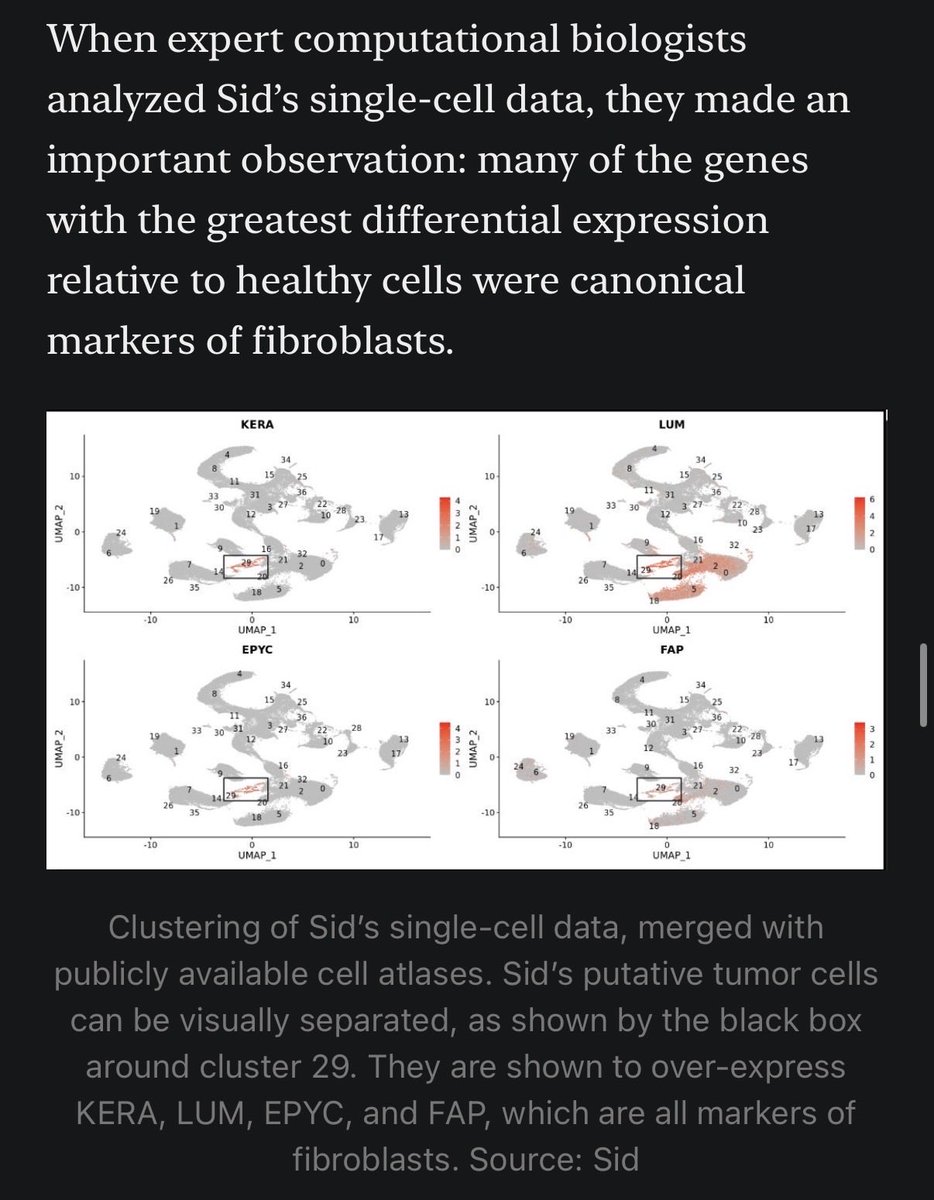
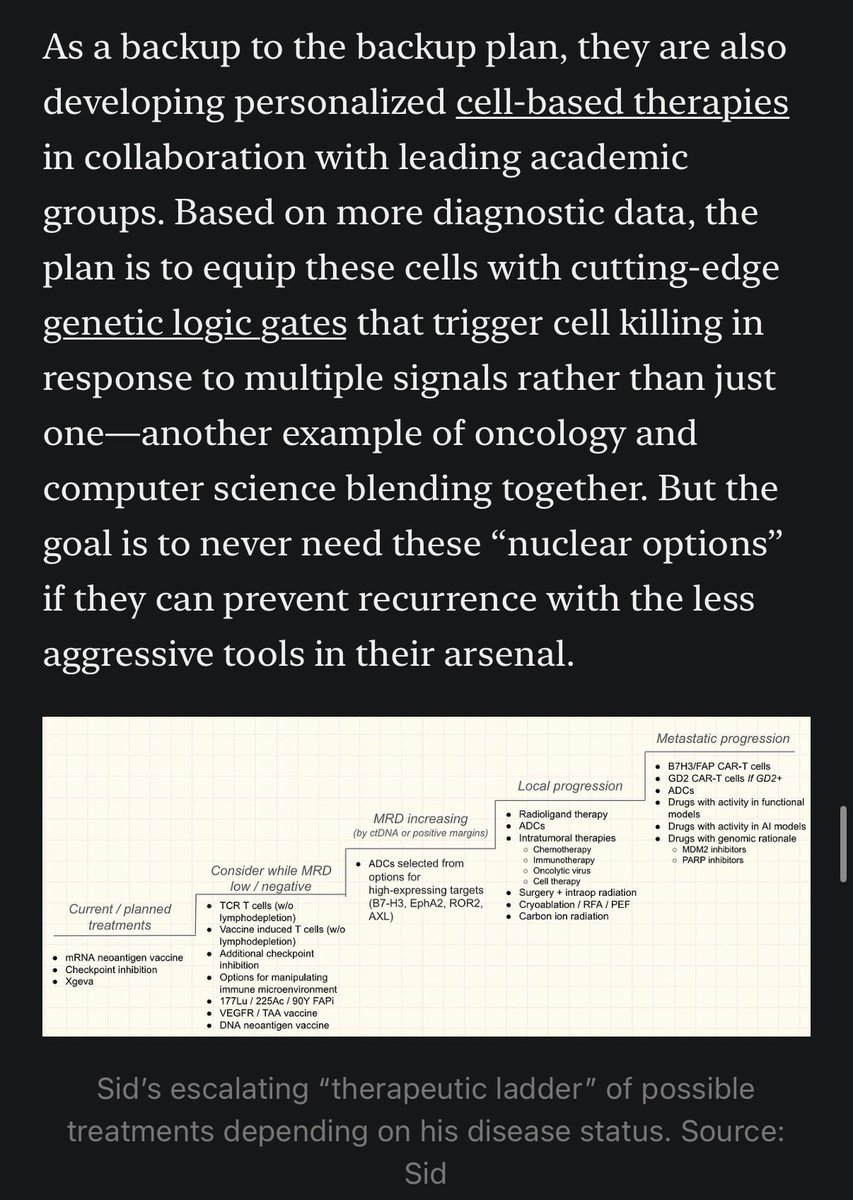
The future of cancer treatment is here, albeit for a select few. Great long read article (linked below) by @ElliotHershberg on Sid’s quest to attack his cancer in so many ways. I was lucky enough to learn about the approach this past year via @pwekane
@AnilMakam Pediatrician here and must have missed many rheumatology patients (SOJIA) initially before we all got sensitised to how relatively common these are in sick kids.
@RoadsOfMumbai Do try ditto insurance https://t.co/P4gfL9sPEr call or connect with them.They have strict no calls sms to customers policy.https://t.co/BWXHYWvD8L
The Sleep Lie That's Killing More People Than Insomnia
Your body doesn't want eight hours. Never did. That number got stamped into public consciousness through repetition, not research. Industrial convenience dressed up as biological necessity.
The actual data tells a different story, one that makes health influencers uncomfortable because it contradicts decades of advice they've been selling.
Twenty-three thousand people tracked through the UK Biobank revealed something most sleep experts ignore. The mortality sweet spot sits at 6.5 hours. Not seven. Not eight. Exactly 6.5 hours correlated with the lowest death rates and optimal brain function.
Researchers measured functional connectivity in the nucleus accumbens, your brain's reward center, and found it performed best at this duration.
The mortality curve forms a U shape. Both extremes increase your risk of dying early. Sleep too little and you shorten your lifespan. Sleep too much and you shorten it more.
Where did the eight-hour rule originate? Factory schedules. Someone decided eight hours of work, eight hours of leisure, eight hours of sleep sounded balanced and orderly. It stuck. Sleep researchers have been trying to correct this fiction for decades, but cultural momentum is powerful. The myth persists despite mounting contradictory evidence.
The harm from oversleeping operates through clear biological mechanisms. Chronic long sleep increases systemic inflammation. C-reactive protein levels rise. Interleukin-6 climbs.
These inflammatory markers predict cardiovascular disease, diabetes, and premature death. Hormonal balance deteriorates. Cortisol rhythms flatten. Insulin sensitivity drops. Growth hormone secretion becomes erratic.
Human circadian biology evolved over millions of years. Those cycles didn't include nine-hour sleep sessions. Studies of hunter-gatherer populations show they typically sleep 6.5 to 7 hours per night.
Modern research on groups without artificial light reveals the same pattern. The eight-hour standard is an historical outlier, not a biological imperative.
This doesn't mean everyone requires exactly 6.5 hours. Individual variation exists. Some people function optimally at six hours. Others need seven.
A small percentage genuinely requires eight, though that group is smaller than commonly believed. The metric that matters is how you feel and perform, not whether you hit some arbitrary cultural target.
Quality trumps duration. Fragmented sleep totaling eight hours produces worse outcomes than consolidated 6.5-hour sleep. Deep sleep stages matter more than total time in bed. You can obtain adequate restorative sleep in 6.5 hours if those cycles remain uninterrupted.
If you currently sleep eight or nine hours and feel sluggish, the data suggests you might be overshooting your biological need. The inflammatory burden from chronic long sleep accumulates gradually, like compound interest working against your health.
Reducing sleep duration sounds counterintuitive when fatigue is the complaint, but many people report increased energy after cutting back to seven hours.
The adjustment period takes time. Your body adapts to habitual sleep patterns through homeostatic regulation. If you've been sleeping nine hours for years, dropping to seven overnight will feel rough initially. The transition lasts two to four weeks as your circadian system recalibrates. During that window, caffeine dependency might increase temporarily. Push through it.
Set a consistent wake time first. If you need to be up at six in the morning and want to target 6.5 hours, go to bed at eleven thirty. Don't go to bed earlier just because you can. Let sleep pressure build naturally. If you're not tired at eleven thirty, stay up until you are. Your body will adjust the sleep drive to match the new schedule.
Track how you feel, not just how long you sleep. Energy levels at two in the afternoon matter more than total hours logged. Cognitive performance on complex tasks matters more than grogginess at six in the morning, which fades after twenty minutes for most people. Mood stability throughout the day matters more than whether you hit some culturally prescribed number.
Most people who sleep eight or nine hours do so because they've been told that's healthy, not because their bodies demand it. They wake up groggy, attribute it to insufficient sleep, and try to sleep more.
This creates a cycle where oversleeping produces the symptoms it's supposed to cure. More inflammation. Worse hormonal balance. Lower energy. The solution becomes the problem.
Your body sends signals. Morning grogginess that persists beyond thirty minutes suggests poor sleep quality, not insufficient duration. Afternoon energy crashes indicate metabolic dysfunction, often worsened by oversleeping. Brain fog throughout the day correlates with inflammatory markers that rise with chronic long sleep.
The eight-hour myth persists because it sounds reasonable and questioning it feels irresponsible. But reasonable-sounding advice kills people when the data contradicts it.
The mortality curve is unambiguous. The U-shaped relationship appears consistent across populations. The optimal zone is narrower than previously thought.
Hunter-gatherer populations provide a useful reference point. These groups, living without artificial light or alarm clocks, naturally settle into sleep patterns around 6.5 to 7 hours. Their circadian rhythms synchronize with natural light cycles.
They experience less chronic disease than modern populations despite sleeping less than the recommended eight hours. This suggests the modern sleep advice might be creating problems rather than solving them.
The inflammatory cascade from oversleeping starts subtly. C-reactive protein inches up. You don't feel it immediately. Interleukin-6 rises. No obvious symptoms. But these markers predict cardiovascular events years before they occur. The damage accumulates silently while you follow mainstream sleep recommendations.
Cortisol dysregulation from chronic long sleep disrupts your entire hormonal axis. Morning cortisol should spike to wake you up. Evening cortisol should drop to prepare you for sleep. Oversleeping flattens this rhythm. You wake up tired because your cortisol didn't rise properly. You stay wired at night because it didn't fall appropriately. The solution isn't more sleep. It's correcting the pattern that caused the dysregulation.
Insulin sensitivity deteriorates with chronic long sleep. Your cells become less responsive to insulin signaling. Blood sugar regulation suffers. This creates a metabolic environment that favors fat storage and inflammation. The same metabolic dysfunction that drives obesity and diabetes gets worse when you sleep too much.
Growth hormone secretion, which occurs primarily during deep sleep, becomes erratic with oversleeping. More time in bed doesn't mean more growth hormone. It means disrupted secretion patterns. Your body produces less of this crucial hormone despite spending more time asleep. Quality of sleep cycles matters more than total duration.
If you're sleeping eight hours and feeling terrible, the conventional response is to sleep more. This makes the problem worse. The correct response is to examine whether you're overshooting your biological need. Most people resist this because it contradicts everything they've been told about health and recovery.
The transition away from chronic long sleep feels uncomfortable initially. Your body has adapted to the oversleeping pattern. Changing it requires recalibration. The first week is rough. You feel tired. Your brain protests. This is temporary. The homeostatic sleep drive adjusts within two to four weeks. Energy levels improve. Mental clarity returns. Inflammation markers drop.
Stop forcing eight hours if your body works better on less. The mortality data supports you. The inflammatory markers support you. The brain function data supports you. The only thing that doesn't support you is outdated cultural dogma masquerading as medical advice.
Your sleep need is individual. The key is paying attention to actual outcomes rather than hitting arbitrary targets. How do you feel at two in the afternoon? Can you think clearly during complex tasks? Is your mood stable throughout the day? These metrics matter more than whether you logged eight hours.
The eight-hour rule persists because it's simple and memorable. Simple rules feel safe. They provide clear guidelines in an uncertain world. But biology doesn't care about simple rules. Your body operates according to evolved circadian patterns that predate modern sleep recommendations by millions of years. Those patterns point toward 6.5 to 7 hours, not eight.
The science is clear. The mortality curve is consistent. The inflammatory mechanisms are understood. The optimal duration is narrower than previously thought. Stop sleeping yourself to death because someone decided eight hours (or even more!!!) sounded balanced.
Sources:
1) Li A, Lyu R, Han S, Zhang J, Xiang Y, Xie C, Liang X, Qiu J. Association of estimated sleep duration with nuclei accumbens functional connectivity and reward-related behavior. Progress in Neuropsychopharmacology and Biological Psychiatry.
Key Finding: 6.5 hours associated with lowest mortality risk and optimal brain function in 23,449 participants from UK Biobank
2) A prospective study of sleep duration and mortality risk in women Sanjay R Patel 1, Najib T Ayas, Mark R Malhotra, David P White, Eva S Schernhammer, Frank E Speizer, Meir J Stampfer, Frank B Hu, PMID: 15164896
"Conclusions: These results confirm previous findings that mortality risk in women is lowest among those sleeping 6 to 7 hours.."
UPI Autopay silently gets enabled for some payments which you only wanted to make once, but didn't realize it until a few months down you saw your statement. Those <₹500 transactions silently keep debiting your account for months without you noticing.
NPCI has pilot launched a tracker to check all your AUTOPAY Mandates https://t.co/r8V7hkyFIY
- Login with registered mobile no
- Add OTP
- Click Show my AUTOPAY Mandates
- Check all
Note the Revoke/Pause function doesn't work flawless just yet, so you can just check all details here and then go on your bank app or UPI app and cancel the same.
Savdhan Rahe Satark Rahe
@NPCI_NPCI