➡️ As of 2023, corporate investors control over 430,000 single-family homes nationwide.
➡️ Nearly 1 in 3 Americans have given up on buying a home because they can’t compete with corporate buyers.
➡️ In Atlanta, Wall Street landlords now own 40% of single-family homes.
Just touched down in Utah. Excited to be here for the Utah Housing Matters Conference. Big conversations ahead about how we can make housing more attainable for essential workers—come say hi if you see us at our booth!
#utah#housing#conference#doersdo#HAWCS
In Salt Lake City, the gap between wages and housing costs is pushing many workers further out.
But change is happening. Salt Lake City has launched a 5-year housing plan with 44 action steps aimed at building and preserving affordability for families and essential workers.
Workforce housing is the key to homeownership Gen Z has been waiting for.
Cities across the U.S. are rolling out workforce housing programs that include attainable units, down-payment assistance, rent-to-own options, and developer incentives.
Today, we honor the heart, hustle, and hands behind every single community in America.
To every American worker—whether you build, teach, serve, heal, protect, or plan—your job shapes this nation, and we see you. Thank you for all that you do for us!
Essential workers in Provo-Orem are getting priced out of their own communities — stuck with long commutes, sky-high rents, and a housing market that makes owning a home feel impossible.
Spanish Fork, Utah, is proving that less red tape doesn’t mean less safety. Through next-day inspections, smarter street layouts, and real collaboration with builders, they’re making it faster and more affordable for families to find an attainable place to call home.
Governor Cox is leading with action in Utah with a plan to build 150,000 new housing units, including 35,000 starter homes, his administration is prioritizing solutions that empower families, cut red tape, and unlock opportunity.
This is what hope in a housing crisis looks like.
Sharing your experience helps show why workforce housing is essential for healthy, thriving communities. When we make America’s doers a priority, we keep the people who hold our cities together rooted where they’re needed most.
In just 10 years, Utah’s median home price jumped from $275,000 to $550,000 — making it the 9th most expensive housing market in the country.
When home prices rise this fast, the people who keep our cities running — teachers, nurses, first responders, service workers.
Rain or shine, the grind doesn’t stop. HAWCS is out here making sure America’s doers have a voice and a choice in their housing future.
#hustle#grind#workforcehousing#doersdo#HAWCS
62% of Boulder’s essential workers are priced out of the city they serve.
Without new housing being approved and built, rental and home prices will continue to climb. Boulder needs to build 10,700 new homes by 2032 just to begin closing the housing gap.
Are you an essential worker looking for attainable housing options in Denver?
Here’s a list of real options that put working people first and keep our local workers rooted in the heart of the communities they serve.
Real opportunity starts with a place to call home. Opportunity zones drive purposeful investment in economically distressed communities.
➡️ Click the link in bio to learn more about the workforce housing movement.
#opportunity#zoning#workforcehousing#doersdo#HAWCS
The reality of America’s housing crisis?
It takes 117 hours a week at minimum wage just to afford a 2-bedroom apartment in places like Thornton, CO — that’s nearly three full-time jobs.
Essential workers, families, and young professionals in Colorado Springs face a harsh reality: their paychecks simply don’t stretch far enough to cover rising rents or mortgages. This deepening affordability crisis threatens the stability of the entire community.
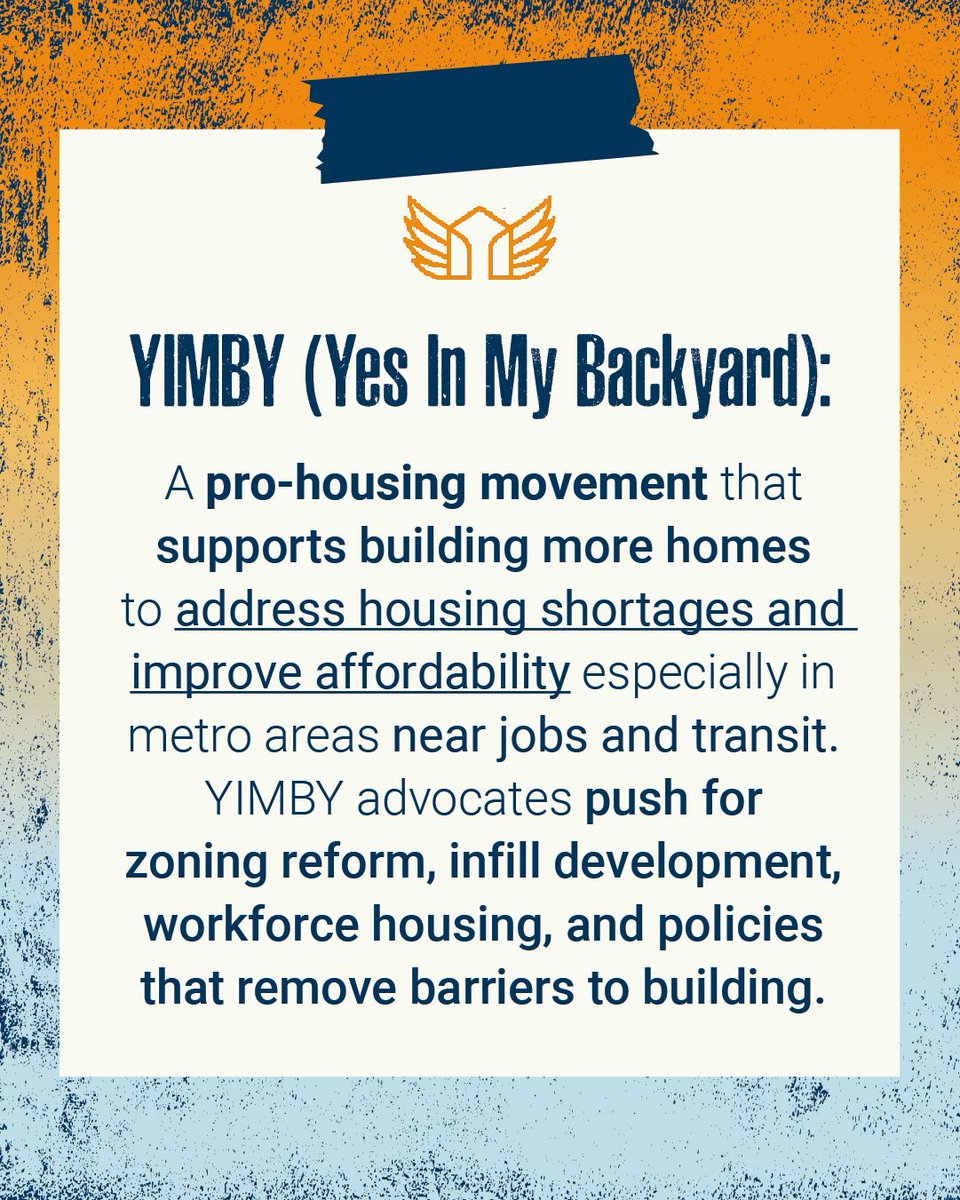
YIMBY is about taking collective action and confronting the systems rooted in power, privilege, and exclusion that have made housing into a political issue.
Skyrocketing housing costs and growing affordability challenges are the direct result of outdated policies that fail working families. These outdated policies were never designed to serve the needs of working communities. Real solutions demand bold, ongoing reform.