@MAFouad I agree with the analogy though is a bit irrelevant as we are addressing asset with the whole concept of Asset Management than transactional clients. I may miss something here.
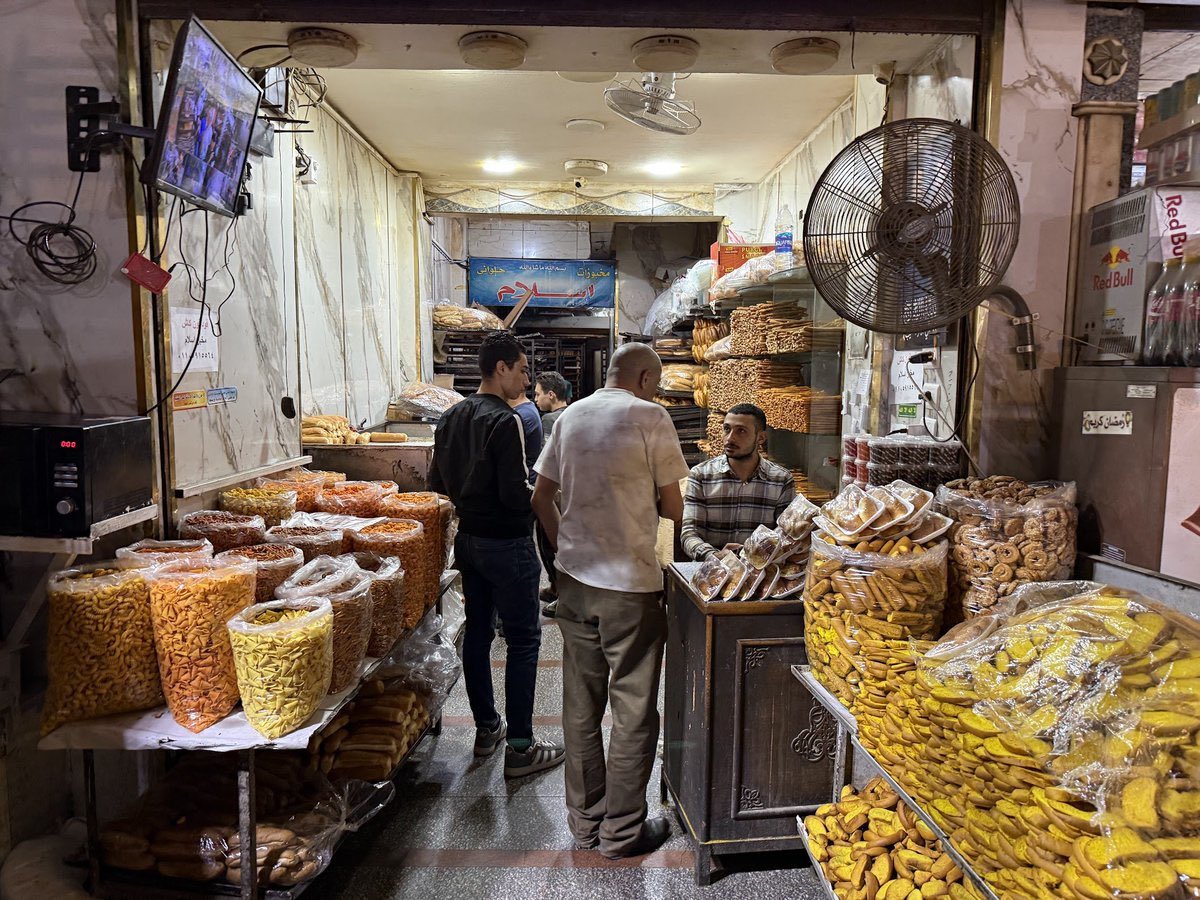
Spent 5 nights in Cairo recently and IMO the scams and traffic are way overstated. I had a great time!
Taxi scams at the airport were the same as half the planet. AirPods in, Uber out, zero issues beyond finding the driver.
I stayed in Zamalek in the heart of the city. It’s a small island on the Nile, totally walkable, lots of cafes and food, student population, and a very nice area.
The Pyramids have a new entrance now. It’s a bit of a trek but no queues, clean, nice experience, and no touts out front.
The Egyptian Museum in the center is mostly leftovers now. GEM is the place to go. Big new museum near the Pyramids with all the King Tut artifacts.
Meeting locals was proving difficult so I took a food tour to glimpse some real culture. Tried a few local dishes and met some nice people.
Final takeaway: I could have stayed way longer and I recommend going. My working theory for why Cairo gets such a bad rap is because it is a city with world wonders that attracts Europeans who have barely stepped outside of Europe before. If you’re comfortable with Bali touts and Saigon traffic, Cairo will feel tame.
10/10 would Egypt again.
@MAFouad A, architecture, and project management courses as a paradox:
“A project management failure that became a civilizational success.”
That distinction is extremely important
@MAFouad Some projects are not economically optimized in Phase 1 because their real value lies in:
* ecosystem creation,
* branding,
* technological leapfrogging,
* or identity transformation.
The Sydney Opera House is often taught in MB
@MAFouad * cultural prestige,
* soft power,
* long-term economic multiplier effects.
This is the critical lesson.
The Opera House became valuable because it evolved from “a building” into “a global symbol.”
@MAFouad Purely on financial ROI at the start? Probably not.
In the late 1950s and 1960s, many taxpayers and politicians questioned:
* why Australia needed such an expensive cultural building,
* whether Sydney could justify the spending,
* whether the nation was trying to imitate Europe
@MAFouad budget
At the time, many people considered it a catastrophic public project failure.
Why did costs explode?
Several reasons converged:
1. Construction started before the design was finished
The government pushed construction to begin early for political momentum, even.