Principal group working to protect the unique historic setting of Hampton Court Palace from unsuitable development at Hampton Court Station and Riverside
I’m making a show about buildings.
The concept is simple: do for the man-made world what Planet Earth did for the natural world.
But, when I pitched the idea, the answer was that nobody would watch it.
So I released a pilot episode on YouTube. It’s got 5.4 million views, 379k likes, and 23k comments.
People are interested, and now it’s time to make the full show.
Six episodes, filming in the UK, France, Belgium, Germany, Italy, and the USA, and releasing on a streaming service like HBO, Netflix, or Prime.
Why does this show matter?
First: we’re surrounded by buildings all the time. Look around yourself, right now… what do you see? Buildings are the logical conclusion of everything a society believes in. That’s the real focus of this show: not the buildings themselves, but what they say about us.
Second: there’s global dissatisfaction with modern architecture. This feeling gets written about online, but nobody’s given a voice to it on film or TV. That’s what this show will be. But this isn’t just about criticising modernity. That’s easy. This is about learning from the past in order to understand and improve the present, for everybody.
Third: there’s a drought of high-quality culture shows. When I spoke to film executives they said that only documentaries about sports, music, or true crime get funded. That’s a colossal missed opportunity. Galleries are always full, content about architecture goes viral online all the time, and people spend their precious holidays visiting beautiful cities.
Why no shows about architecture, then?
Tourists flock in their millions to see (for example) the buildings of Antoni Gaudí in Barcelona. But, if you asked those same people if they’re interested in “architecture”, they’d probably say no.
To put that another way: not many people want to watch “a show about architecture”, but lots of people want to watch a show that illuminates the real world they’re living in, each and every day.
What will the show be like?
Six episodes, going chronologically through history and arriving at the present, each focussing on the architecture and design of a specific period:
1. Middle Ages
2. Renaissance
3. Enlightenment
4. The Nineteenth Century
5. Art Nouveau & Art Deco
6. Present Day
But, in each case, the point isn’t just to learn about that era; the point is to learn about our modern world through those eras and what they’ve left behind. If you watch the pilot episode (included below) you’ll see what I mean.
So the show’s not really “about” the past; it’s about the twenty-first century.
That’s why it’s called The Modern World.
When you think of a typical history show there are loads of interviews, stock footage, archive photos, historical recreations, and graphics. We’re doing none of that. Everything will be filmed on location, because we’re telling our story only through the real world that exists right now. And, rather than going to the most obvious places, we’ll focus on buildings that aren’t well-known but should be more famous.
But that’s all big picture; what will it be like on screen?
Buildings used to look different in every country, and now they look the same. Why? Because the weather is different everywhere, and buildings were always a way of dealing with that weather, using local materials. Now we have air conditioning and we ship concrete around the world, so we don’t need to design our buildings with regard to local weather or rely on local materials.
Look at really old clocks and you’ll notice something: they don’t have a second hand… because it was only invented 300 years ago! Then you look at the present and you realise we’re surrounded by timers, by seconds ticking down and ticking up relentlessly. If we’re looking for a cause of our anxiety-inducing culture, that might be it.
When you spend time with the sun-softened bricks and time-warped timbers of old cities you notice that synthetic materials like plastic have taken over. When we’re surrounded by things that feel temporary, how do you think it makes us feel?
It’s only by seeing 19th century train stations, designed like cathedrals, that you realise tradition and technology aren’t enemies. New things don’t have to look boring: if the Victorians had designed AI data centres, they’d look like Medieval castles.
In the 1920s, at the zenith of Art Deco, people believed technology would uplift humanity. That’s why they decorated their buildings with statues inspired by electricity. Only by seeing their enthusiasm can we realise our own cynicism, and perhaps begin to fix it.
All of that… and much, much more.
But, above all else, this show is about a way of seeing. If you want to understand any society then you need to look at what it creates, not what it says about itself.
There’s a worldview in every single object; our skyscrapers are designed the same way as our phones. Learn to look at this world, to notice its details, and everything else starts to make sense.
What now?
I’ve been quiet online recently because I’ve been researching and working on scripts for six full-length episodes. Production begins when we’ve raised the funding.
The Modern World is coming.
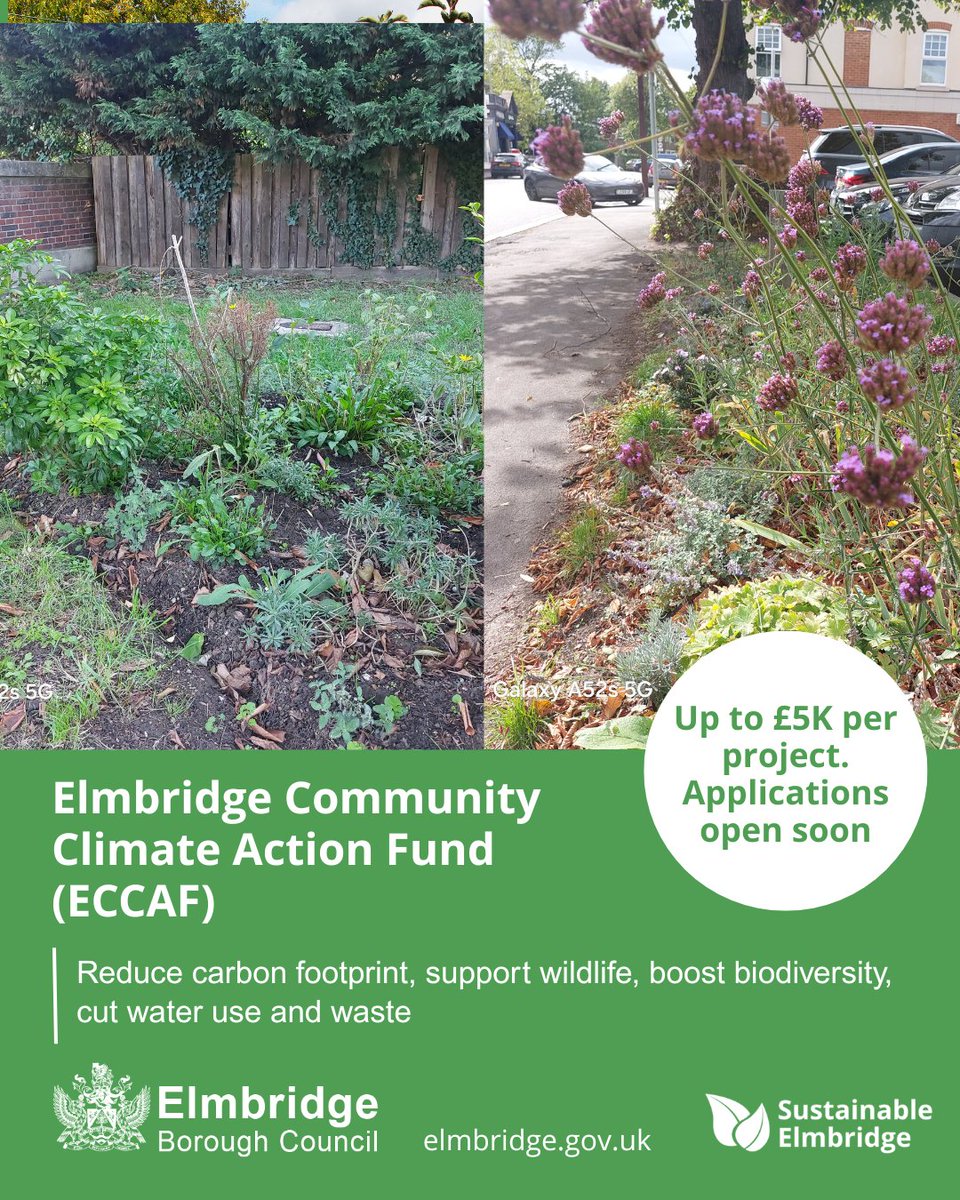
Got an idea to help your community go greener? The Elmbridge Community Climate Action Fund will open on 12 May, supporting local projects that help tackle climate change.
Check out last year’s projects and apply https://t.co/GWe9Clop9B
#ECCAF#SustainableElmbridge
Britain had a wonder of the world. ⚔️🇬🇧
For 600 years, London Bridge wasn't a bridge.
It was a street. A town. A city floating on the Thames.
Construction began in 1176 and took 33 years.
When it was finished it had 19 stone arches, a drawbridge to let ships through, and a chapel dedicated to Saint Thomas Becket at its heart. The starting point for every pilgrim walking to Canterbury.
Then people started building on it.
At its peak: 200 buildings. 500 residents. 🏘️
Haberdashers, booksellers, apothecaries, taverns and alehouses open from dawn.
The longest inhabited bridge in Europe.
You could walk halfway across and never know you were over a river.
In 1212, three years after completion, a fire killed thousands on the bridge itself. 🔥
In 1282, five arches collapsed under winter ice.
The arches slowed the Thames so much that in hard winters the river froze solid. Londoners held frost fairs on the ice. Bull-baiting. Pop-up taverns. A printing press operating on a frozen river. 🧊
Every time something went wrong, they rebuilt.
London Bridge stood for 622 years.
Then in 1831 they demolished it.
The Victorian replacement lasted barely a century. By the 1960s it was sinking into the Thames.
So the City of London sold it to an American for $2.46 million. 💰
He had it dismantled stone by stone and shipped to the Arizona desert.
Where it still stands today. 🏜️
Britain had a wonder of the world on the Thames for six hundred years.
We sold what replaced it to Arizona.
Did they teach you that?
We will. 🇬🇧
Proud Of Us is a community of ordinary British people keeping extraordinary British history alive.
No ads. No sponsors. Just us.
If that matters to you, join us at https://t.co/rih7iKwnvf 🙏
Be part of us.
Be Proud Of Us. 🇬🇧
Conservation?
#surrey CC is ignoring a BIG prob.
Trucks must ‘lay-over’ if delivery isn’t synced. Will #falcon#bus stop be blocked?
Ask residents near #molesey#Hurst Park #Tesco!
(NB Lorries run engines for heating/refrig. wherever parked up 😬)
@MoleseySteve#pollution#noise
@HCRCMary SCC Highways submitted no objections ! Appear to sanction unloading at any time in the bus stop immediately next to the loading bay, as only alternative is double yellow lines. I’ve seen trucks unloading from opposite part on roundabout causing a danger.
@HCRCMary Every one of these sign are contrary to conservation area policy. The shopfront vinyl adverts will be harmful to the character of the area including the setting of the listed bridge & palace.
Kensal Green Cemetery in London is the burial place of hundreds of famous Victorian figures including Isambard Kingdom Brunel, William Makepeace Thackeray, Anthony Trollope, Wilkie Collins and Harold Pinter. It is under threat from developers https://t.co/WdEEqVP7OI say local campaigners
Opened in 1933, Hampton Court Bridge over the River Thames lies between Hampton, London and East Molesey, Surrey.
It's the most upstream crossing of all of the Thames bridges of Greater London 🇬🇧.
Thanks, Martin, for sharing this lovely #destination that's close to home! 😊
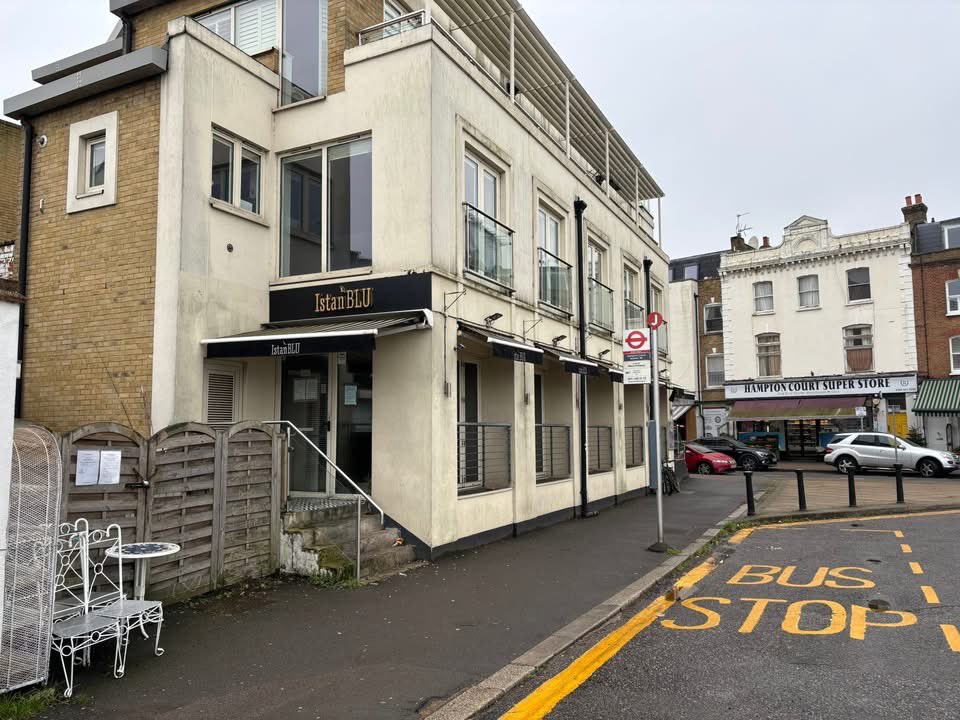
For those who know East Molesey and our links to the Palace across the bridge… this building overlooking it has been vacant for 9 months… Tesco have put in an application to occupy it 24 /7 … horrendous … zero parking … zero delivery points … absolute disaster
Thanks to Michael for his generous donation, and the supportive message. LISSCA thank everyone who has - and those who continue - to donate to #SaveLiverpoolStreetStation The link to the fundraiser is here https://t.co/xuP9y2Hh8e Please do Gift Aid if you can🧵
90,000 properties in England/Wales are owned by offshore companies. Almost half unlawfully hide their true ownership
We've found them, mapped them, and published everything
▶️ This 60-second video shows how to find secretly owned property near you
📊 Details & stats below
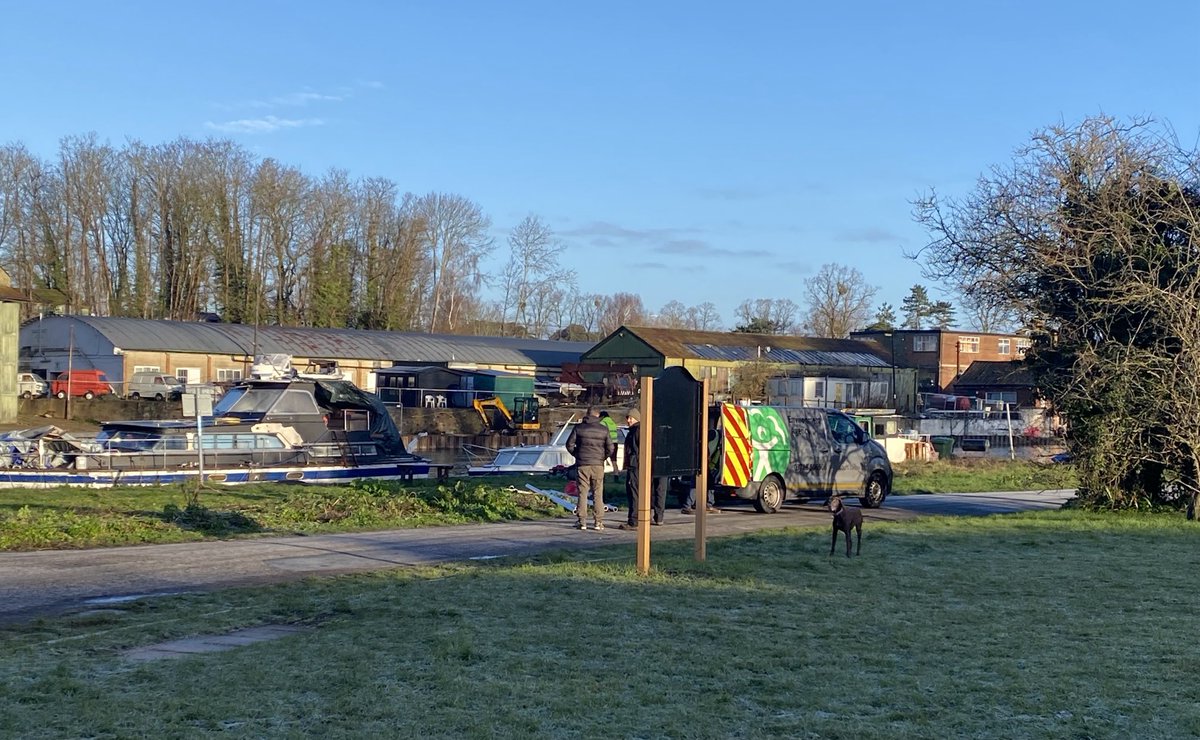
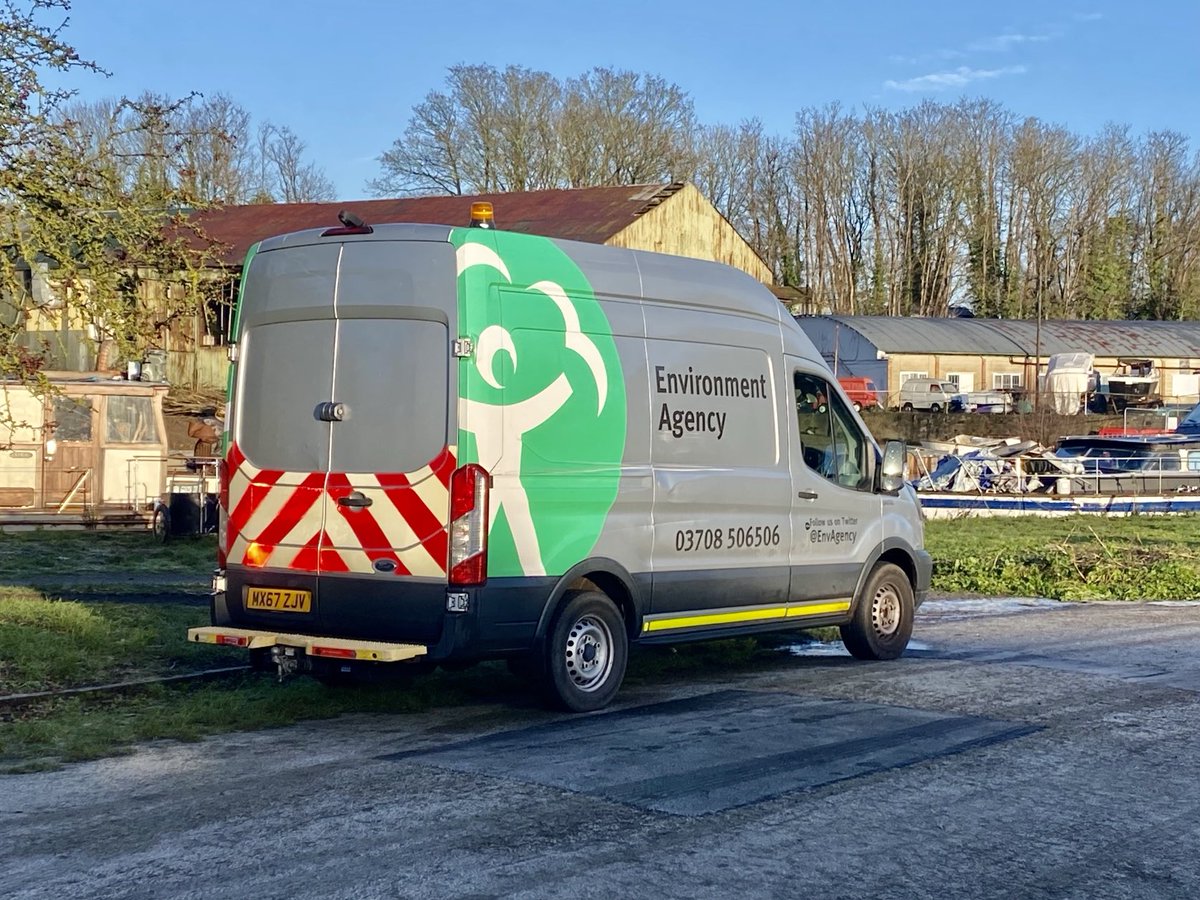
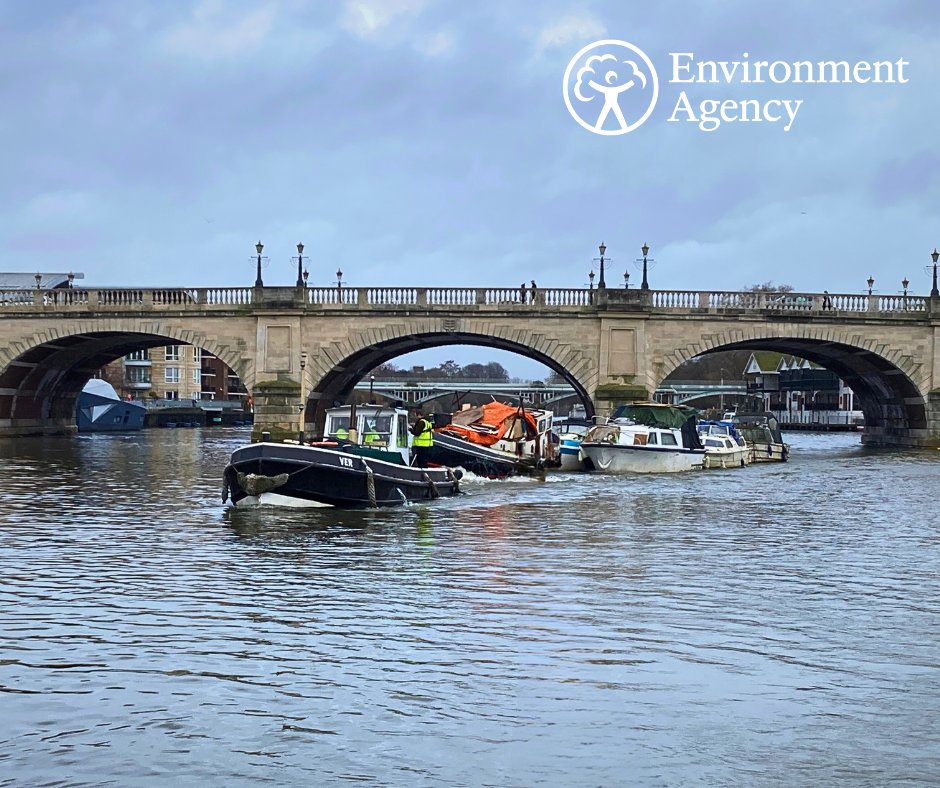
We've been removing abandoned boats with @SurreyPolice, around Molesey and Teddington reach.
Make sure your boat is registered - https://t.co/QyZJZ69qDh
@ElmbridgeBC
We're removing abandoned boats today from the Lower Thames.
These boats blight the river and we're aware of the impact they can have.
All boats kept or used on the Thames need to be registered Details here: https://t.co/QyZJZ69qDh
#Taskforce#Thames@ElmbridgeLC
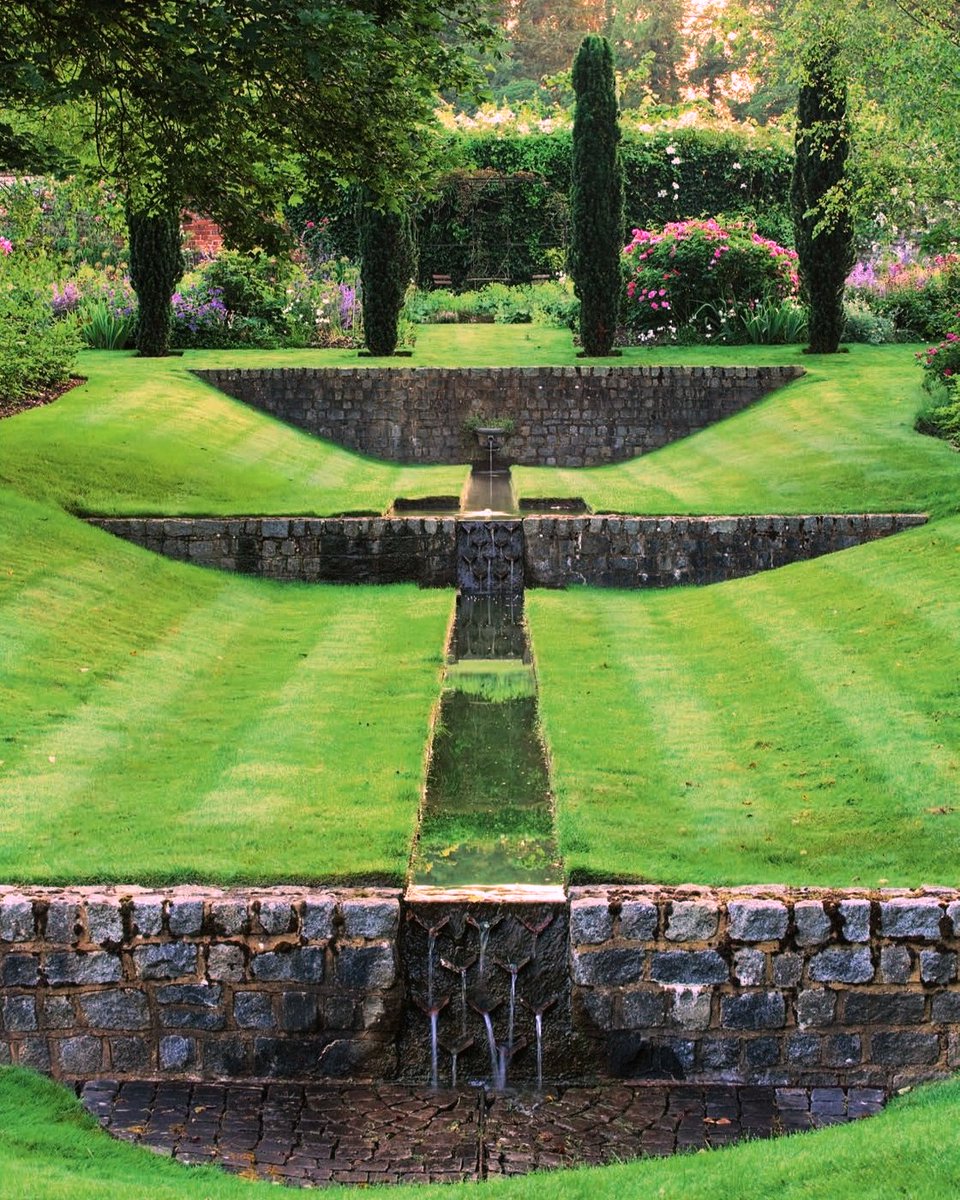
🍃 We need your help! There are just a few days left to object to the removal of @thegardenstrust as a statutory consultee.
The Government has launched a public consultation on its controversial proposal to remove the Gardens Trust as a statutory consultee in the planning process. C20 Society has joined with our fellow Amenity Societies to strongly oppose this; their expert advice and guidance is vital in protecting the UK’s world-famous historic parks, gardens and landscapes.
We’re now asking our followers and supporters to respond individually too. The quickest and most effective method is to simply answer question 6 of the consultation form by ticking “oppose”, and leaving the rest blank.
✍️🏼Click the link below to register your opposition before the deadline of Tuesday 13th January 2026: https://t.co/KbecK6ReuD
With support from Gerry at FGL, @EnvAgency Thames Navigation removed 2 vessels adrift & stranded at Sunbury Weir
Thanks to lock staff, field teams & contractors for a safe, professional recovery.
Please check your lines—moor securely, especially in high flows.@EnvAgencySE